Call us: +86-18965139230 | Mail to us: info@jekare.com

Fortune Business Insights values the global premium shower filters market at USD 195.00 million in 2025 and projects USD 398.36 million by 2034, a compound annual growth rate of 8.36% from 2026. The same report finds that fixed shower filters held the largest share in 2025, that residential households and online channels led by end user and distribution channel, and that multi-stage and specialty filtration products are expected to grow fastest. For brand owners, importers and private-label sellers, the category now spans three formats the report tracks separately: fixed, handheld and inline.
A filtered shower head puts two cost-bearing design variables into one housing: the filtration stack and the number of spray modes. Filtration choices — activated carbon, a KDF shower filter stage, a vitamin C shower filter cartridge, mineral beads — usually get attention first because they drive packaging claims. Spray mode count gets less scrutiny, yet it sets spray plate geometry, diverter design and test scope. This article looks at that second variable and how it feeds into manufacturing cost.


Every additional mode needs its own nozzle group and flow path. JEKARE’s product documentation for its multi-function handheld platform notes that separate flow chambers are what create a clear distinction between full-spray and massage modes, and that changing the number of modes or the nozzle layout means revising the spray plate and diverter during DFM review. In tooling terms, a higher mode count widens the scope of mold development and raises the precision demanded of plastic injection molding, because thin internal walls between chambers must seal against cross-flow.
Each mode adds a diverter position, a seal interface and a set of nozzles to seat. It also adds a test point: flow, spray uniformity and leakage between modes have to be verified for every setting, not once per head. These are labor and inspection costs that recur on every production batch, unlike a one-time tooling charge.
Lever and diverter parts are the moving elements of an otherwise static product. Seal wear from repeated switching, and nozzle clogging on a hard water shower head or any shower head filter for hard water, are the failure patterns that surface as returns. Wipe-clean silicone or TPR nozzles are one design response to scale; a lower mode count reduces the number of switching interfaces that can fail.
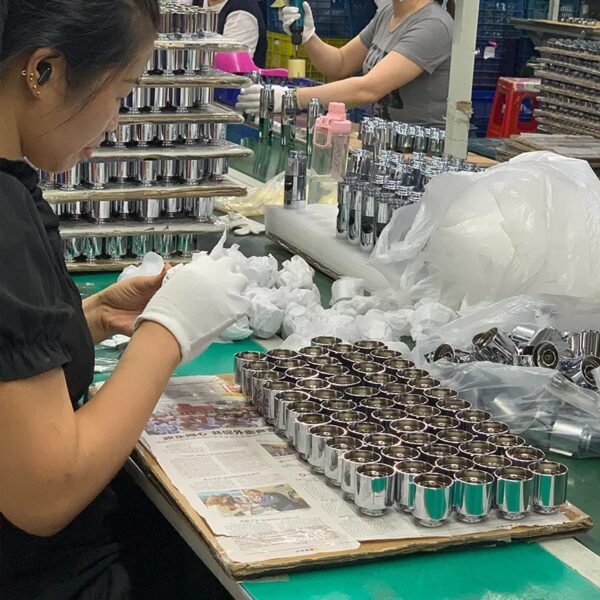

The EPA’s WaterSense Specification for Showerheads sets a maximum flow rate of 2.0 gallons per minute and requires that, on a showerhead with more than one mode, all modes meet that maximum. At least one mode must also meet the specification’s remaining criteria, including spray force and coverage. For water saving shower heads intended for regulated markets, a water conservation shower head program therefore multiplies test points with every mode added.
According to NSF, NSF/ANSI 177 is the certification standard for shower filtration systems and centers on verified reduction of aesthetic free available chlorine, confirmed through independent testing. A chlorine filter for shower use can be positioned against that test method. Retail terms such as “water softener shower head,” “shower water softener” or “shower filter for hair” describe different claims, and the evidence behind each needs to come from the brand’s own test data. JEKARE’s product documentation is explicit that a shower filter can reduce chlorine and trap sediment but does not remove most of the calcium and magnesium that make water hard.
The Fortune Business Insights segmentation lists fixed, handheld and inline shower filters by product type, and activated carbon, KDF and vitamin C infusion filters by filtration technology. That maps directly onto what sourcing teams specify: a handheld shower head with filter, an inline shower filter, or a universal shower filter that fits an existing hose or arm.
JEKARE’s published specifications for its filtered platform offer single spray or up to three modes (full coverage, massage and rinse), with flow targets of 1.75, 2.0 or 2.5 GPM and an optional water-pause function. The multi-function handheld platform uses a three-position lever for full spray, center massage and mixed spray, with typical flow of 2.1–2.4 GPM at 0.3 MPa. In DFM, face color, finish and logo are routine changes; mode count and nozzle layout are not, because they alter the spray plate and diverter.
[INSERT VERIFIED CUSTOMER/SALES OBSERVATION — a real, confirmable pattern from JEKARE sales or production records, e.g., which mode counts buyers specify by channel or region, or a specific case where mode count changed a quotation.]
On cartridge-based heads, JEKARE’s documentation also states that any cartridge adds flow resistance, so media density and flow path are tuned and pressure drop is measured on samples rather than assumed. That matters most for buyers in low-pressure markets, where a head with a cartridge and several modes has the least hydraulic margin.
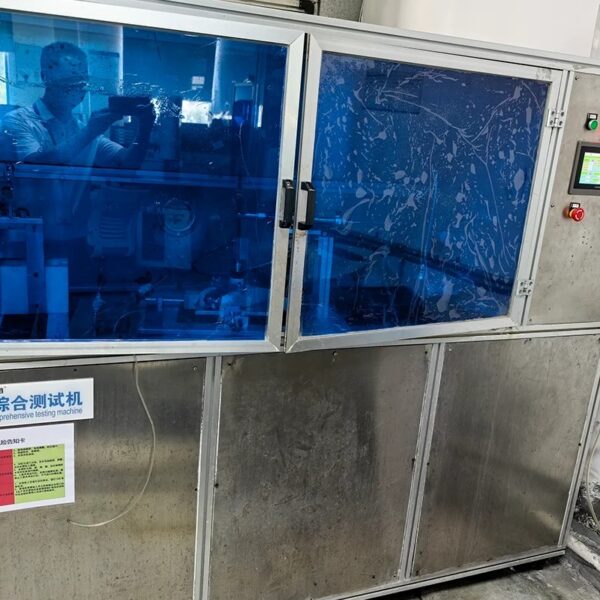
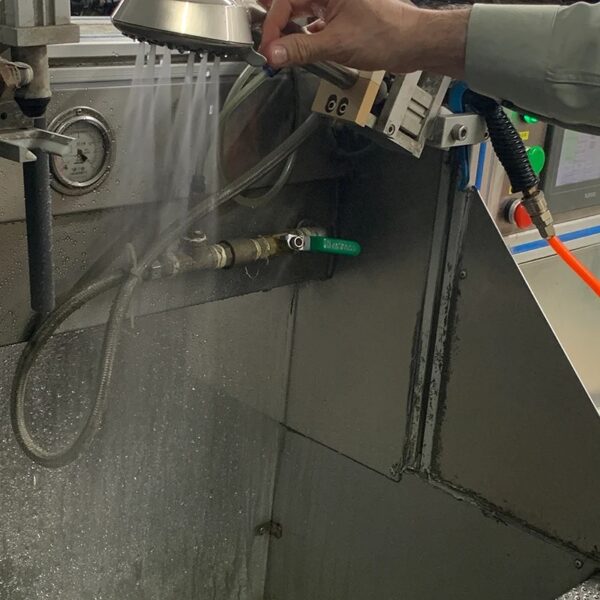
Use these checks in your next sourcing conversation, before any mold is released.
Fix the rated flow for the target market (for example 1.75, 2.0 or 2.5 GPM) and require flow data for every mode at that market’s test pressure. In markets where buyers search for the best shower head for low water pressure, or a shower head for low pressure, perceived strength depends on nozzle diameter, nozzle count and chamber design rather than on supply pressure, which no supplier can change. A high pressure filtered shower head is therefore a nozzle-and-chamber engineering claim, and it should be validated on samples.
A single-mode head minimizes tooling and test scope. A three-mode head (full coverage, massage, rinse) adds a diverter and spray plate complexity but supports a clearer step up in the range. Decide the mode count per tier up front, and share housings and cartridges across tiers so that only the spray plate and faceplate change.
Specify media and stage count together with mode count. A multi stage shower filter, a carbon filter shower head cartridge, a shower head with beads (the mineral shower head format), or a vitamin C stage each add resistance. Ask the supplier for pressure drop with the cartridge installed, and confirm that a PP cotton pre-filter is included where sediment is expected.
A filtered rain shower head, a detachable shower head with filter, a filtered shower head with hose, or a filter for handheld shower head setups each carry different assembly and sealing requirements. An inline shower filter sits upstream of whichever head it feeds, so mode-count cost stays with the head; its contribution is cartridge resistance and thread compatibility. A complete shower filter system sold as head plus inline unit adds both effects together.
✓ Flow and spray performance in every mode, plus cross-flow leakage between modes
✓ Lever and diverter switching durability, with plating salt-spray results (typically 24–48 hours) and adhesion checks
✓ Thread torque and drop tests on the connection
✓ RoHS and REACH documentation for plastics, nozzles, plating and filter media
✓ Third-party chlorine-reduction protocol and cartridge-life data that match the wording on the box
✓ Flow limiter setting confirmed on samples at the target market’s test pressure
JEKARE’s White Label Filter Shower Head for Hard Water, Custom ABS Filtered Shower Head with Hand Shower and Custom 2.5 GPM Multi Function Shower are structured around these decisions. For procurement teams, the practical points are:

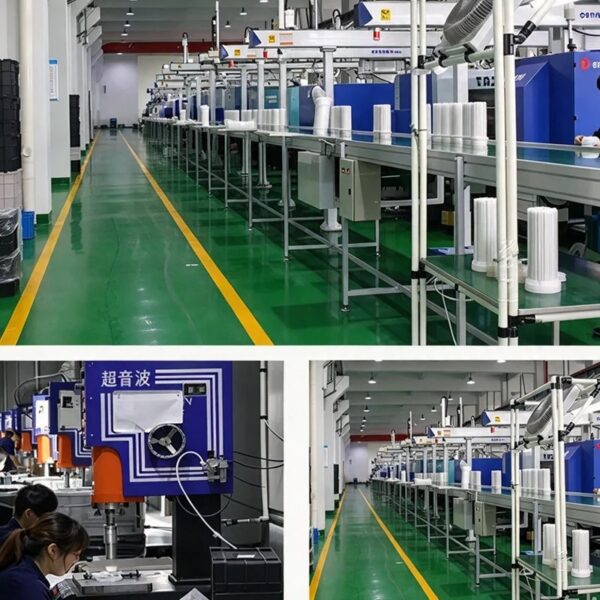
Spray mode count is the first of several engineering decisions that migrate from product design into the supply chain: it sets tooling scope, which in turn shapes minimum order quantities and sample cycles. For the regulatory side of that chain, see How Water Efficiency Regulations Affect Shower Head Design; for the development sequence from drawing to production, see From Sketch to Mass Production: How Bathroom Brands Develop a New Fixture.
Treating mode count as a platform variable lets one housing and cartridge architecture support several price points, with the spray plate as the main differentiator. That limits tooling spend while keeping the range legible to buyers.
Because every filtered shower head ships with a performance statement, the gap between a box claim and test evidence is a reputational and returns risk. Aligning mode count, flow and media with documented test data before launch is cheaper than correcting packaging after it.
If you are weighing mode count, filter media and flow targets for a new collection, an OEM product development review can compare tooling scope and test requirements across options before molds are committed. JEKARE also supports private label manufacturing for filtered and multi-function hand held shower heads. Share your target market, water conditions, flow target, preferred mode count and finish through the contact page to receive an initial engineering review, with inspection requirements agreed from the start.
MOQ depends on the finish, the packaging and whether new tooling is needed. A change limited to finish, color or logo on an existing platform generally carries a lower MOQ than a new spray plate with a different mode layout.
The standard connection is G1/2″. Where a market uses the U.S. 1/2″ connection, the thread and sealing components can be matched, and sealing should be confirmed on the actual hose used in that market.
A shower filter for well water can include a PP cotton pre-filter for sediment. Heavy iron or sulfur problems are usually better handled by whole-house treatment, so the head should not be positioned as a solution to them.
Only if the brand holds test data for the specific claim. Claims about hard water scale, fluoride or hair outcomes need their own evidence, and health-outcome claims are not recommended.
Yes. The limiter can be sized to 2.0 GPM or another lower target for programs aiming at WaterSense, and the flow result should be confirmed on samples at the target test pressure. Certification itself is a separate laboratory project.
Yes. The cartridge can be designed as a standalone part with its own packaging, and the replacement cycle is defined by the test protocol the brand selects, not assumed from a generic figure.
Sunny is a Senior Shower Systems Engineer at JEKARE with over 20 years of experience in sanitary ware product development and OEM manufacturing.
He specializes in shower head engineering, spray plate and diverter design, water flow optimization, filter cartridge integration, and compliance-driven product development.
With extensive experience working with global bathroom brands and distributors, Sunny focuses on helping product teams balance spray performance, tooling scope and test requirements through engineering review and strict quality control.
1. Fortune Business Insights — Premium Shower Filters Market
https://www.fortunebusinessinsights.com/premium-shower-filters-market-115975
2. U.S. EPA WaterSense — Specification for Showerheads (v1.1)
https://www.epa.gov/sites/production/files/2018-07/documents/ws-products-specification-showerheads-v1-1.pdf
3. NSF International — NSF/ANSI 177 Shower Filter Certification
https://www.nsf.org/knowledge-library/nsf-ansi-177-shower-filter-certification