Call us: +86-18965139230 | Mail to us: info@jekare.com

The product development lifecycle for commercial and residential bathroom fixtures has undergone a radical compression over the past decade. Historically, moving an industrial design concept through engineering validation, prototype tooling, and commercial mass production required 18 to 24 months. Today, global bathroom brands face mounting pressure from retail distributors and hospitality specifiers to shorten this window significantly without compromising structural integrity or regulatory compliance.
Modern product development relies heavily on advanced digital simulation tools before physical steel is cut for tooling. Industrial design software and computer-aided engineering (CAE) platforms allow engineering teams to simulate water flow dynamics, structural load limits, and thermal stress distributions long before a physical prototype is cast or molded. This digital-first transition has changed how brand managers collaborate with manufacturing partners.
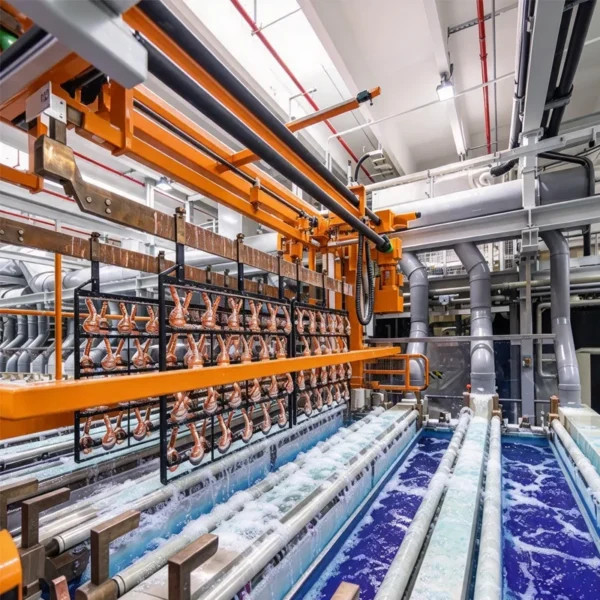
Contemporary bathroom collections rarely feature single-material construction. A single shower system or faucet assembly often combines forged brass bodies, precision-molded ABS or DZR plastic components, ceramic cartridge mixing mechanisms, and multi-layered PVD surface finishes. Coordinating these varied material behaviors across a unified manufacturing timeline requires structured, cross-functional engineering oversight.
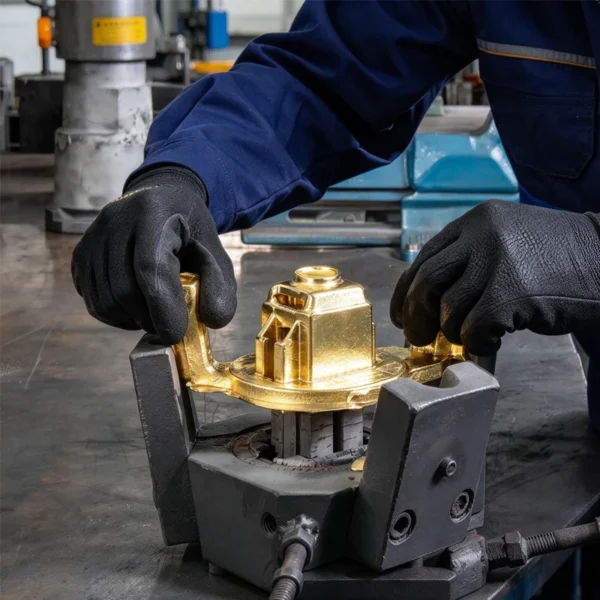
Committing capital to mold tooling is one of the most substantial upfront financial investments a bathroom brand makes during a new product introduction. If an industrial design concept has not undergone rigorous Design for Manufacturability (DFM) analysis prior to tooling fabrication, undetected structural flaws can render expensive steel molds unusable, destroying product margins before the first commercial batch is even produced.
Implementing engineering changes after mold tooling has been completed is exponentially more expensive and time-consuming than adjusting digital CAD files during the initial development phase. Discovering wall thickness inconsistencies, draft angle errors, or internal waterway turbulence post-tooling can delay product launches by months, missing critical market windows and trade show debuts.
A fixture design must not only look exceptional on paper but must also satisfy stringent, often conflicting international standards—such as ASME A112.18.1 in North America or EN 817 in Europe. Failing to integrate compliance requirements into the initial sketching and engineering phase risks regulatory rejection at port entry, exposing the brand to severe supply chain disruptions.
According to research published by McKinsey & Company on operational excellence and product development velocity, organizations that integrate manufacturing feedback early in the design phase reduce time-to-market by up to 30% while significantly lowering engineering change orders during pilot production runs.
Market analysis from Grand View Research indicates that global demand for customized, design-forward bathroom collections is driving OEM/ODM procurement growth. Brand owners are increasingly outsourcing the complex engineering, prototyping, and validation stages to specialized manufacturing partners with established technical infrastructure.
Insights gathered from major industry exhibitions such as the Kitchen & Bath Industry Show (KBIS) highlight a growing expectation among hospitality and residential specifiers for rapid custom product development. Brands capable of transitioning bespoke design concepts into production-ready hardware hold a distinct competitive advantage in winning large-scale commercial contracts.
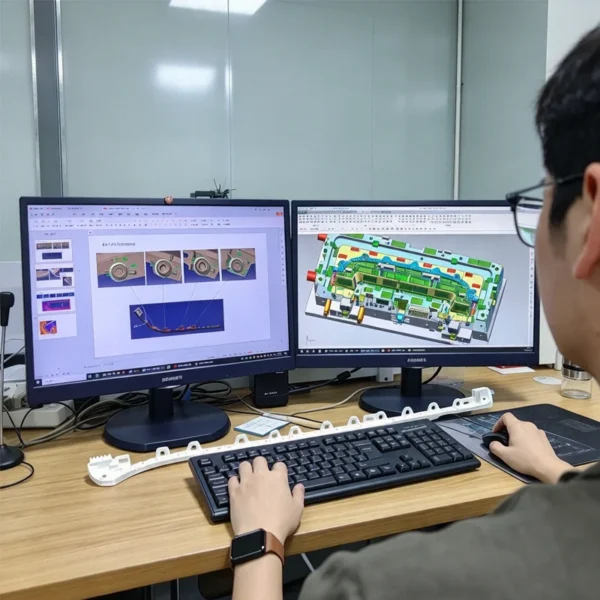
The transition from an industrial designer’s aesthetic sketch to a functional engineering drawing begins with DFM analysis. For metal components like brass faucet bodies or shower valve housings, engineers must establish precise draft angles and define optimal parting lines. Without these adjustments, cast components will bind inside industrial molds, resulting in surface imperfections and structural weakness.
Different polymers and metals exhibit distinct volumetric shrinkage rates as they cool from molten states. For example, Urea-Formaldehyde (UF) toilet seats and ABS shower components contract differently during curing and cooling. Engineering teams must oversize steel mold cavities mathematically to account for these specific material behaviors, ensuring that the final manufactured part matches the original CAD blueprint tolerances.
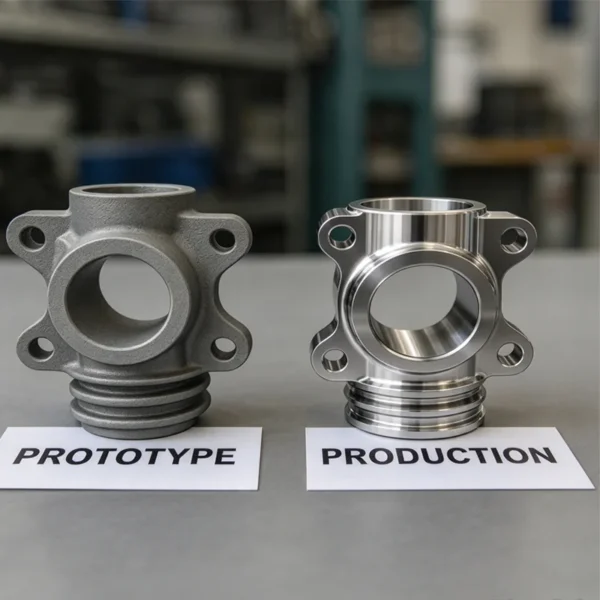
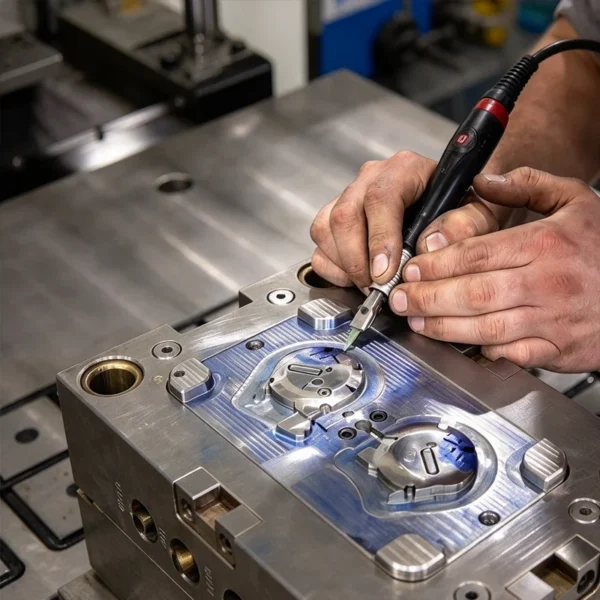
Functional prototyping—often achieved via 3D printing or CNC machining from solid blocks—verifies ergonomics and visual appeal, but it cannot fully replicate the mechanical properties of mass-produced, injection-molded, or gravity-cast parts. Bridging this gap requires structured pilot runs where sample batches undergo rigorous mechanical stress and pressure testing before full-scale commercial manufacturing commences.
The most successful product launches occur when industrial designers and manufacturing engineers collaborate continuously. An aesthetic feature—such as an ultra-sharp internal corner or an exceptionally thin wall section—may look striking in a 3D rendering, but it can create hydraulic turbulence or structural fragility in production. Expert OEM partners bridge this gap by suggesting minor internal modifications that preserve exterior aesthetics while ensuring high-yield manufacturing.
A structured development process relies on defined quality gates. Before transitioning from prototype validation to pilot production, manufacturing teams must verify dimensional stability, material composition, and functional performance. Utilizing advanced testing infrastructure, such as a dedicated JEKARE Quality Control Laboratory, ensures that every component meets rigorous internal and international benchmarks.
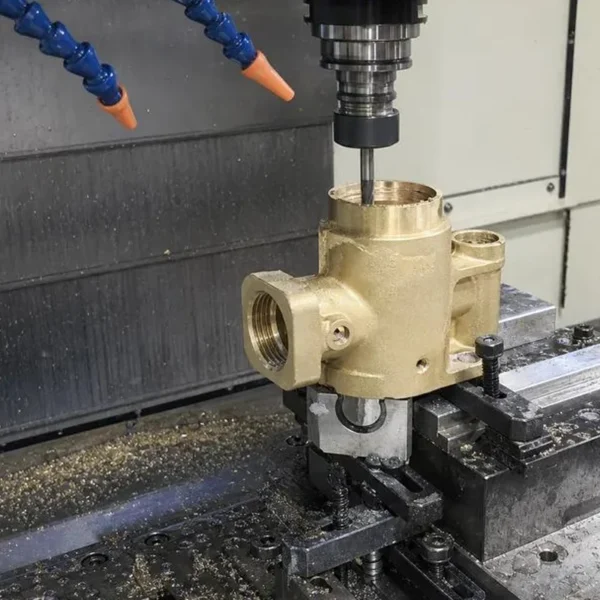
For emerging and scaling bathroom brands, building an in-house tooling and prototyping facility requires prohibitive capital expenditure. Partnering with an established OEM provider grants brands immediate access to multi-axis JEKARE CNC Machining Capability and high-precision JEKARE Plastic Injection Molding infrastructure, dramatically reducing development overhead.
Never authorize tool fabrication based solely on exterior aesthetic renderings. Mandate that your engineering team or manufacturing partner conducts a comprehensive DFM audit, verifying wall thicknesses, draft angles, and gate locations to eliminate structural vulnerabilities.
Break the development lifecycle into distinct, verifiable phases: Concept Review → CAD DFM Analysis → Functional Prototyping → Pilot Batch Testing → Mass Production Kickoff. Each gate must require explicit sign-off from both the brand’s product manager and the factory’s chief engineer.
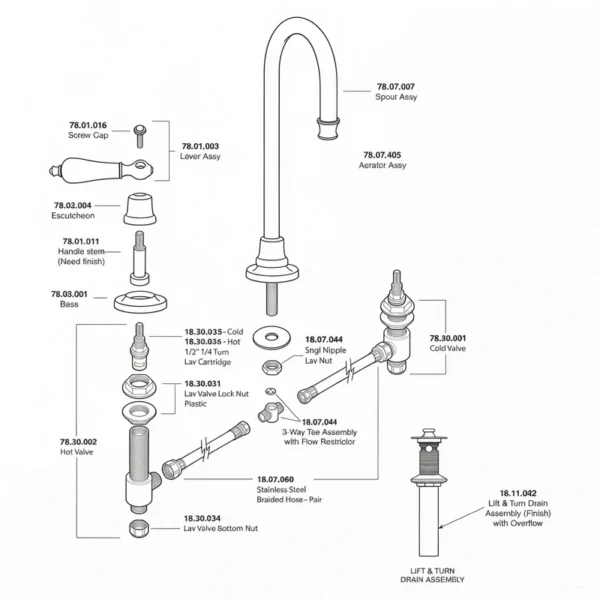
When developing multi-component assemblies—such as a concealed thermostatic shower valve integrated with a decorative brass trim plate—define exact mating tolerances. Ensuring seamless mechanical fit prevents installation friction for plumbing contractors in the field.
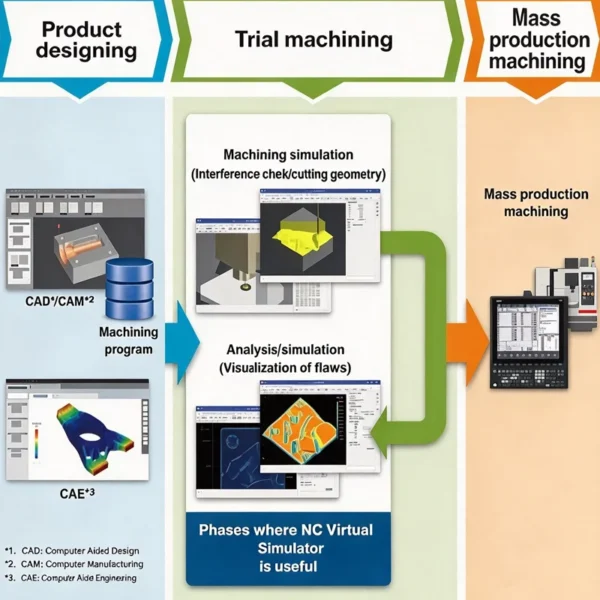
Brands that master the product development workflow from sketch to mass production achieve superior market agility. They can conceptualize, engineer, and launch innovative collections faster than competitors bogged down by disjointed supply chains and uncoordinated prototyping phases.
Engaging an experienced manufacturing partner during the initial sketching stage transforms the supplier relationship from a transactional execution of blueprints into a strategic engineering collaboration, significantly reducing revision cycles and time-to-market.
Developing a new bathroom fixture from an initial design sketch to commercial mass production is a complex engineering endeavor that demands meticulous planning, rigorous DFM analysis, and disciplined milestone execution. By understanding material behaviors, optimizing internal geometries for fluid dynamics, and partnering with experienced OEM manufacturers, bathroom brands can protect their capital investments, eliminate post-launch warranty risks, and bring exceptional, high-performance fixtures to market with absolute confidence.
Conducting a comprehensive Design for Manufacturability (DFM) analysis is paramount. This ensures that wall thicknesses, draft angles, and internal fluid pathways are optimized for casting, machining, or injection molding before expensive steel tooling is fabricated.
Different materials—such as brass, ABS, and Urea-Formaldehyde—shrink by predictable percentages as they cool from molten states. Tooling engineers must mathematically oversize the steel mold cavities to compensate for this specific contraction, ensuring final parts meet exact CAD dimensions.
Functional prototypes created via 3D printing or solid-block CNC machining validate ergonomics and visual appeal, but they do not replicate the internal grain structure, cooling stress, or material density of mass-produced gravity-cast or injection-molded parts. Pilot production runs are essential for true validation.
Quality gates are mandatory inspection and approval milestones placed between development phases (e.g., passing from CAD validation to prototype testing). Each gate requires formal engineering sign-off to ensure no structural or compliance flaws are carried forward into expensive manufacturing stages.
By involving their OEM manufacturing partner during the earliest industrial design stages. Early collaboration ensures that manufacturing constraints are addressed immediately, eliminating costly redesign loops and late-stage engineering change orders during pilot production.
David is a Senior Shower Systems Engineer at JEKARE with over 20 years of hands-on experience in sanitary ware product development, DFM engineering, and OEM manufacturing.
He specializes in product lifecycle management, fluid dynamics optimization, structural mold design, and compliance-driven product development for global markets.
Working closely with industrial designers, brand owners, and procurement directors across international bathroom brands, Sunny focuses on converting complex design visions into high-yielding, defect-free manufacturing solutions.
McKinsey & Company
Product Development Operations and Velocity Insights
https://www.mckinsey.com/capabilities/operations/our-insights/product-development
Grand View Research
Sanitary Ware Market Size, Share & Trends Analysis Report
https://www.grandviewresearch.com/industry-analysis/sanitary-ware-market
International Organization for Standardization (ISO)
ISO 9001: Quality Management Systems Requirements for Manufacturing
https://www.iso.org/standard/62085.html
✔ 20+ Years of OEM & ODM Manufacturing Experience
✔ Complete Shower, Faucet, and Sanitaryware Product Solutions
✔ Professional Engineering Support from Design to Production
✔ Strict Quality Control and Comprehensive Prototype Validation
✔ Flexible Customization for Global Regulatory Markets
✔ Reliable Manufacturing Partner for Global Distributors and Brands
Whether you need custom shower systems, precision brass valve engineering, or complete bathroom manufacturing solutions, JEKARE provides engineering-driven OEM support from initial CAD development through mass production.Request Engineering Review & Discuss Your Project