Call us: +86-18965139230 | Mail to us: info@jekare.com

Matte black finishes have become one of the defining trends in modern bathroom design over the past several years — but a matte black faucet or shower system that looks great in a showroom photo can fail quickly in the field if the underlying coating technology and process control aren’t right. Matte black is far less forgiving of process shortcuts than traditional bright chrome, because every fingerprint, water spot, and scratch shows up more visibly against the flat, dark surface.
This matte black finish guide from JEKARE, professional matte black faucet & shower OEM manufacturer, covers the coating technologies behind matte black bathroom products, surface preparation requirements, fingerprint and stain resistance, scratch prevention, color consistency control, and long-term durability — the engineering details that separate a matte black finish that holds up for years from one that looks worn within months.
Not all “matte black” finishes are made the same way — the underlying technology directly determines durability, cost, and appropriate application.
| Technology | Substrate | Durability | Typical Use |
|---|---|---|---|
| PVD matte black | Brass, stainless steel | Highest — vacuum-deposited metallic coating | Premium faucets, luxury shower systems |
| Powder coating | Metal components | Good — thicker applied layer | Mid-to-premium hardware |
| Spray coating (liquid paint) | ABS plastic, metal | Moderate — dependent on top-coat quality | Shower heads, plastic components |
| Electrophoretic (e-coating) | Metal components | Good — even coverage on complex shapes | Faucet bodies, structural hardware |
Why the technology choice matters: PVD matte black — covered in depth in JEKARE’s PVD Coating Guide — offers the highest hardness and longest-term color stability of the available options, which is why it dominates the premium end of the matte black faucet market, while spray coating remains the practical choice for plastic components like ABS shower heads.
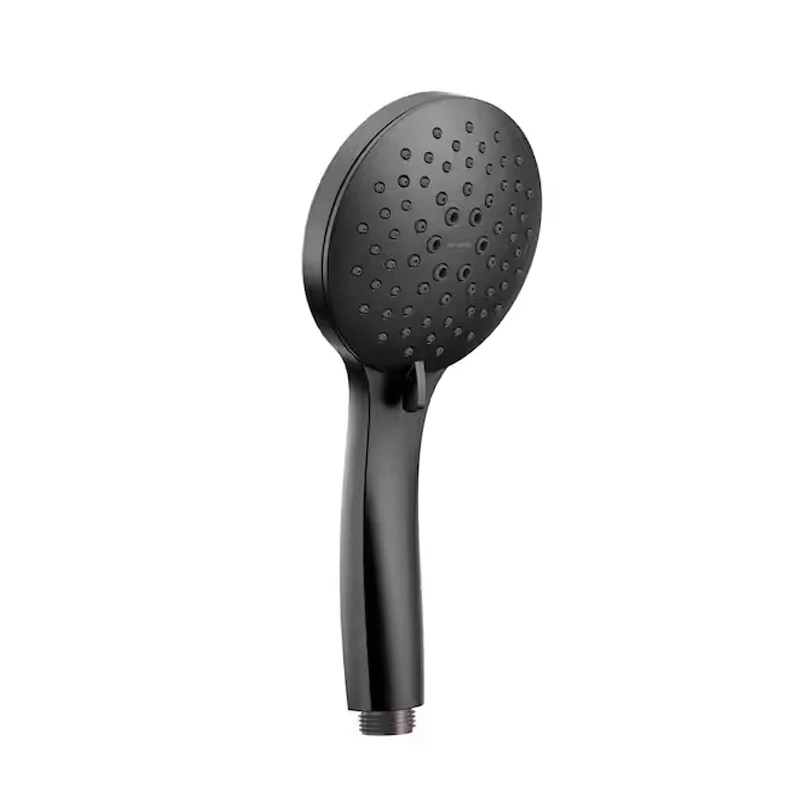
Surface preparation matters more for matte black than for almost any other finish, because a flat, non-reflective surface has nowhere to hide preparation defects the way a bright, reflective chrome surface can.
Key preparation factors:
Fingerprint visibility is one of the most common customer complaints about matte black bathroom products — and one of the most controllable through proper coating specification.
Factors that improve fingerprint and stain resistance:
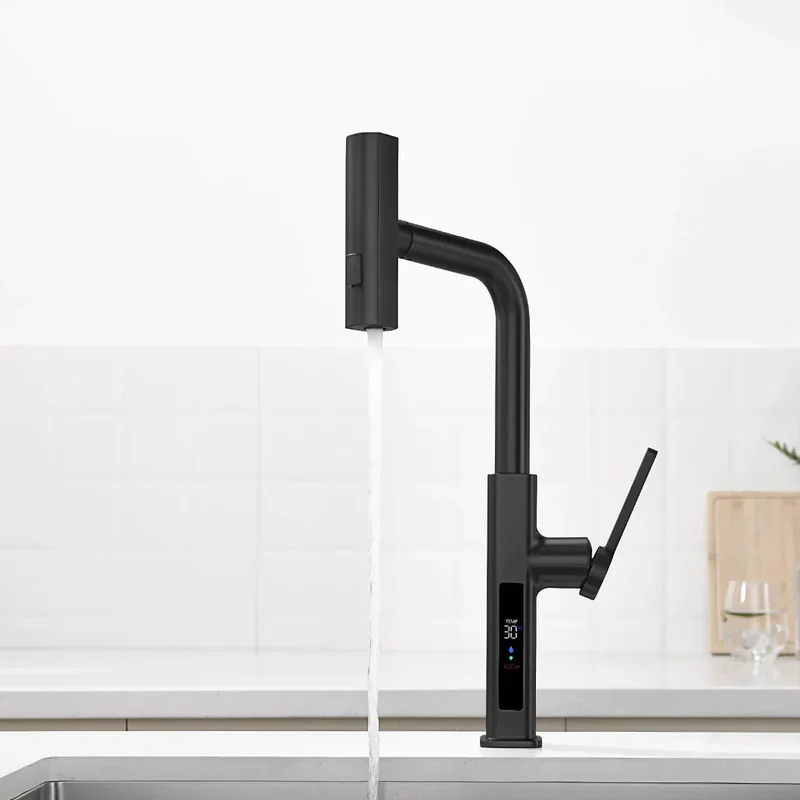
Scratches are more visible on matte black surfaces than on bright chrome, because a scratch disrupts the light-scattering matte texture and creates a small glossy or light-colored mark that stands out against the dark background.
Scratch prevention strategies:
Because matte black is a flat, low-reflectivity color, subtle variations between production batches are more noticeable to the eye than similar variations would be on a glossy or metallic finish.
Key controls for batch-to-batch color consistency:
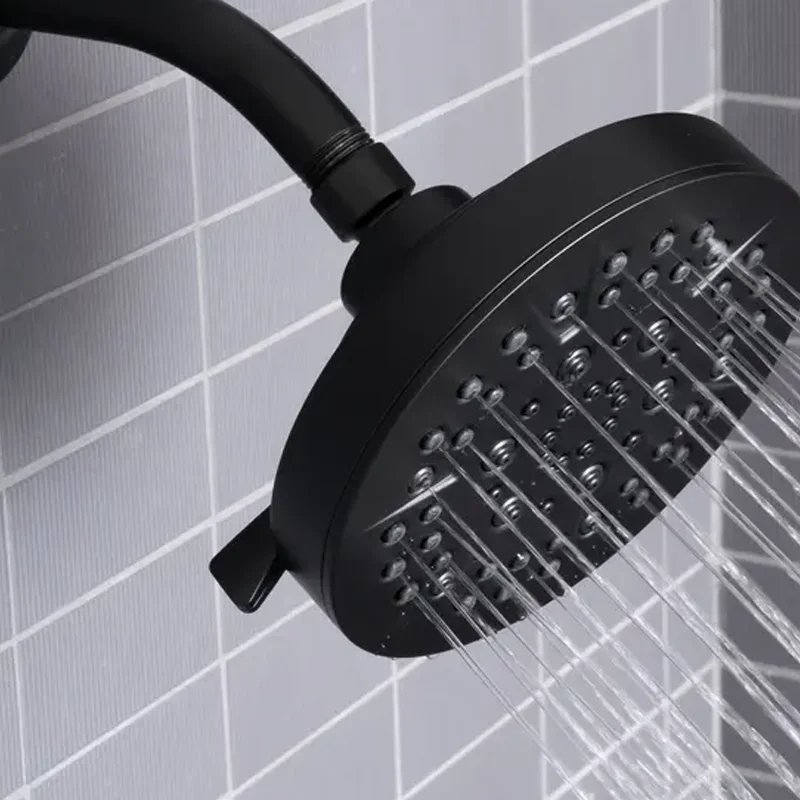
Bathroom products face continuous exposure to water, humidity, cleaning chemicals, and touch — matte black finishes must be validated against all of these before mass production.
Standard durability validation methods:
Typical applications validated to this standard: black faucets, shower systems, bathroom accessories.
A standard matte black finish without an anti-fingerprint top-coat can show fingerprints and water spots more visibly than polished chrome, simply because the flat dark surface offers more visual contrast. Specifying an anti-fingerprint (AF) treatment significantly reduces this issue.
PVD matte black on brass or stainless steel offers the highest durability and longest-term color stability of the common options, followed by quality powder coating. Liquid spray coating on plastic components is more cost-effective but generally less scratch- and wear-resistant over time. See JEKARE’s PVD Coating Guide for more detail on the PVD process.
Color fading or shifting is almost always a sign of inadequate UV resistance or coating chemistry issues rather than an inherent property of matte black itself. High-quality PVD and properly formulated powder/spray coatings are engineered to resist long-term color shift.
Yes. Metal components (brass, stainless steel) typically use PVD or powder coating for matte black, while plastic components like ABS shower heads typically use spray coating, which is covered in more detail in JEKARE’s Spray Coating Guide.
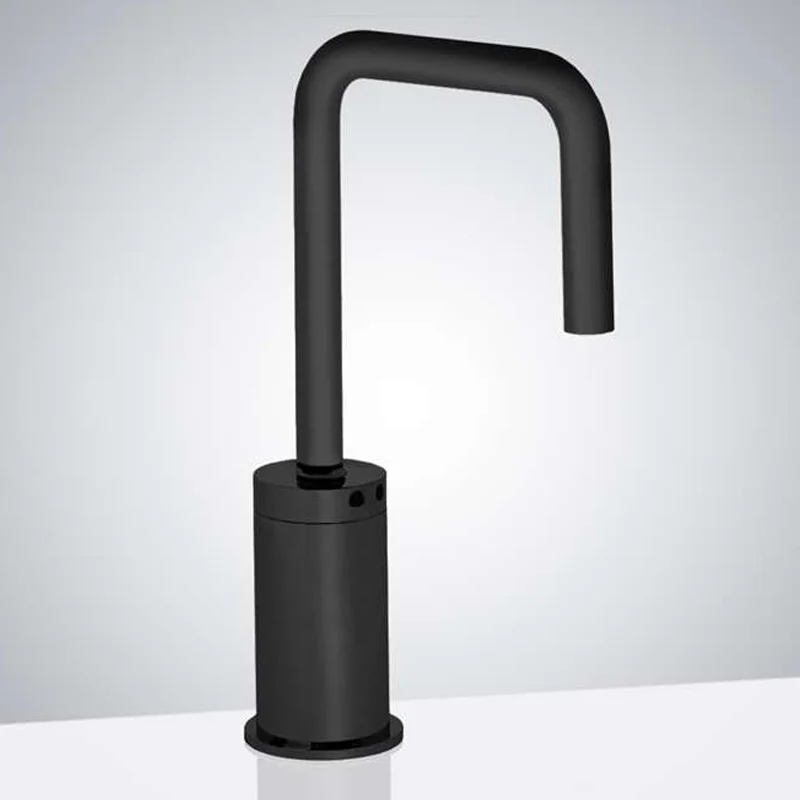
JEKARE supports matte black finish development across multiple coating technologies for bathroom OEM products, all processed in our professional workshop shown on custom sanitary ware finishing solutions:
Our engineering team helps global bathroom brands specify a matte black finish that performs as well after two years of daily use as it does on day one — backed by ISO 9001:2015 certified manufacturing.
Need Help Specifying a Matte Black Finish?
Share your product design, substrate material, and durability requirements with our engineering team.