Call us: +86-18965139230 | Mail to us: info@jekare.com

Brushed finishes have become one of the most requested surface treatments in modern bathroom hardware — offering a warm, tactile metal texture that reduces visible fingerprints and minor surface marks compared with a polished or bright finish. But the appeal of a brushed finish depends entirely on process consistency: uneven brushing direction, inconsistent roughness, or poor inspection standards turn a premium-looking texture into a visibly flawed one.
This brushed finish guide from JEKARE, with full coating production introduced at our integrated surface finishing workshop, covers brushing direction control, surface roughness management, texture consistency, stainless steel finishing considerations, and appearance inspection standards — the process controls that determine whether a brushed finish reads as premium or inconsistent.
The direction of the brushing pattern is one of the most visually important — and most commonly inconsistent — aspects of a brushed finish, since light reflects differently depending on brush line orientation.
Common brushing direction approaches:
Why direction consistency matters: on multi-surface products like faucets with both body and handle components, mismatched brushing direction between parts is one of the most common visible defects customers notice — even when each individual surface is well executed, inconsistent direction across the assembled product reads as a quality flaw.
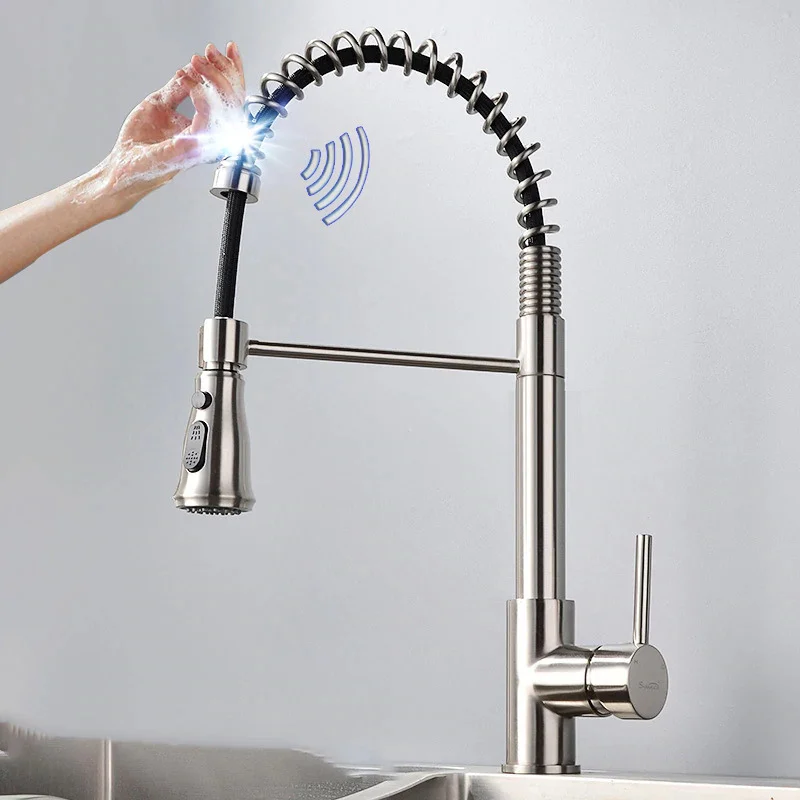
Surface roughness (commonly measured as Ra, the average roughness value) directly determines how a brushed finish looks and feels — too fine and it approaches a satin/polished look; too coarse and it can appear scratched or unfinished.
Key roughness control factors:
All Ra value testing is completed in our in-house quality testing lab with professional surface measuring equipment.
Batch-to-batch and part-to-part texture consistency is what separates a reliable OEM brushed finish supplier from one that produces visibly variable results.
Controls that support texture consistency:
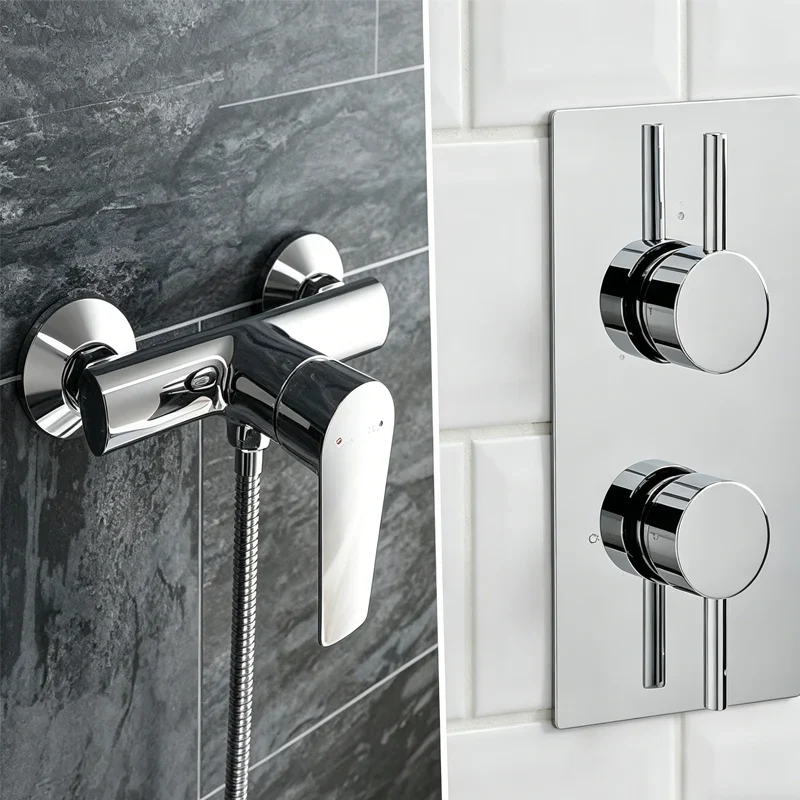
Stainless steel is one of the most common substrates for brushed finishing in bathroom products, prized for combining the material’s natural corrosion resistance with the texture’s fingerprint-masking benefit.
Stainless steel brushing considerations:
Brushed finishes are also commonly applied over PVD coatings (brushed gold, brushed nickel) — see JEKARE’s PVD Coating Guide for how brushing and PVD color technologies combine.
Because brushed finish quality is largely visual and tactile, clear inspection standards are essential to avoid subjective disagreements between OEM buyers and manufacturers about what counts as an acceptable finish.
Recommended inspection approach:
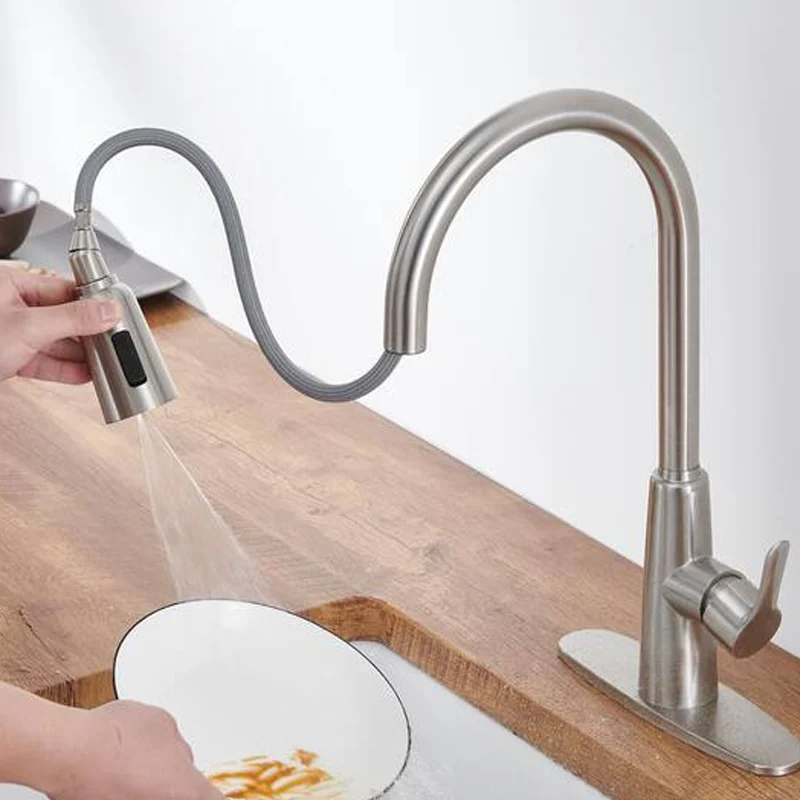
What is the difference between brushed and polished stainless steel? Polished stainless steel has a smooth, reflective, mirror-like surface, while brushed stainless steel has fine, directional texture lines that scatter light and produce a matte-to-satin appearance. Brushed finishes typically show fingerprints and minor scratches less visibly than polished finishes.
Why do brushed finishes sometimes look inconsistent between parts? Inconsistency usually results from variation in brushing direction, abrasive wear (dull abrasive belts producing different roughness over time), or inconsistent fixture positioning during the brushing process. Specifying numeric roughness targets and using approved master samples for every production batch prevents this.
Can brushed finishes be combined with color coatings like PVD? Yes. Brushed texture is commonly applied as a base surface before PVD coating, producing finishes like brushed gold or brushed nickel that combine the tactile texture with a specific color. See JEKARE’s PVD Coating Guide for more on available color options.
How do I specify a brushed finish for an OEM faucet project? Specify the brushing direction (linear, circular, or satin), a numeric roughness (Ra) target range, and provide or request an approved master sample for visual reference — relying on descriptive terms like “brushed” alone leaves too much room for interpretation between buyer and manufacturer.
JEKARE supports brushed finish development for bathroom OEM products, including:
Our engineering team helps global bathroom brands specify brushed finishes that stay consistent from first article through full mass production — backed by ISO 9001:2015 certified manufacturing.
Need Help Specifying a Brushed Finish? Share your product design, substrate material, and target texture with our engineering team.
[Request a Surface Finish Evaluation →]