
Material selection is one of the most important decisions in faucet development. The right material directly affects product durability, corrosion resistance, appearance, manufacturing cost, and long-term performance.
This faucet material comparison guide from JEKARE helps bathroom brands and product teams understand the full range of material options for faucet bodies, internal components, and decorative parts — from brass and stainless steel to zinc alloy and engineering plastics — with practical insights for developing reliable OEM faucet solutions.
Jump to: Brass | Stainless Steel | Zinc Alloy | Engineering Plastics | Comparison Table | How to Choose | Surface Finish | FAQ
1. Brass Faucet Material
The Traditional Material Choice for Premium Faucet Manufacturing
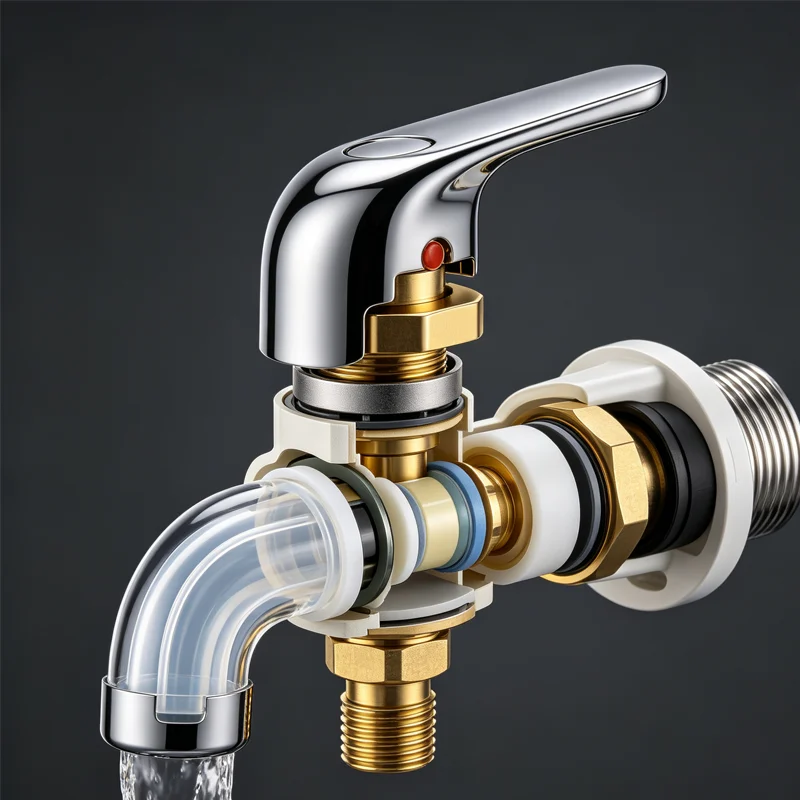
Brass remains one of the most widely used materials for bathroom faucets due to its excellent machinability, durability, and compatibility with a wide range of surface finishing technologies.
Advantages of brass:
- Excellent machining performance — precise machining for faucet bodies, valve housings, water passages, connection components
- Good corrosion resistance — suitable for long-term bathroom environments with continuous water exposure
- Premium surface finish compatibility — chrome plating, PVD coating, brushed finishing, polished finishing
- Strong structural performance — reliable strength for high-pressure applications, long service life, premium bathroom products
Best suited for: basin faucets, bathtub faucets, shower valves, wall-mounted faucets, premium bathroom collections.
Engineering considerations: lead-free material requirements, alloy selection, casting quality control, internal surface treatment, weight optimization.
2. Stainless Steel Faucet Material
A Durable Solution for Modern Bathroom Designs
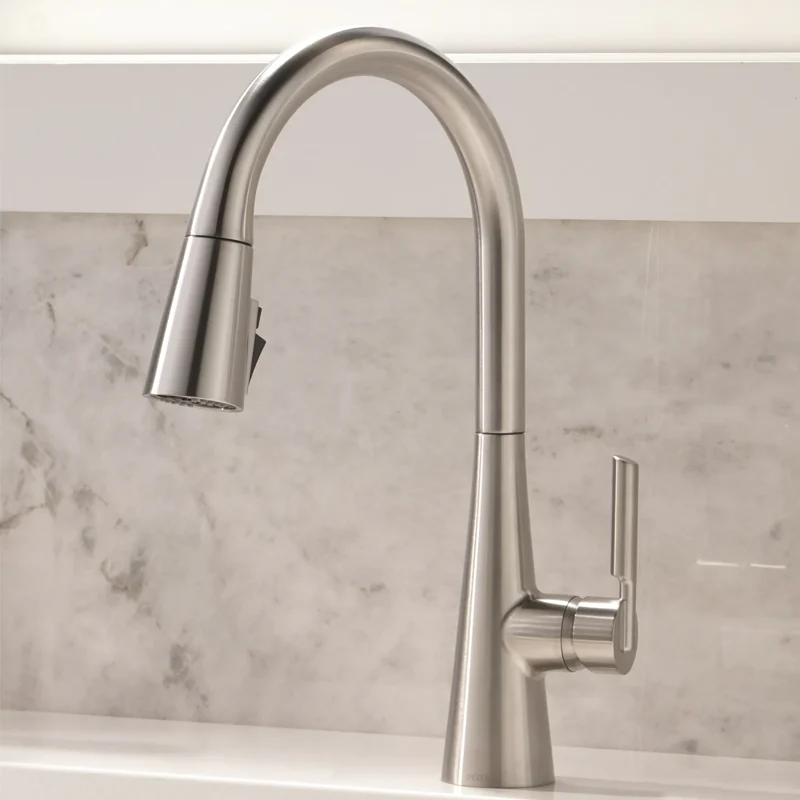
Stainless steel provides excellent corrosion resistance and a modern appearance, making it increasingly popular in contemporary bathroom products.
Advantages of stainless steel:
- Superior corrosion resistance — especially suitable for humid environments, coastal areas, long-term bathroom applications
- Hygienic performance — smooth surfaces help reduce contamination risks
- Modern appearance — well suited to minimalist designs, premium bathroom collections, contemporary styles
Common Grades
| Grade | Advantages | Applications |
|---|---|---|
| Stainless Steel 304 | Good corrosion resistance, cost-effective, widely used | Bathroom faucets, shower components, accessories |
| Stainless Steel 316 | Higher corrosion resistance, better performance in harsh environments | Coastal projects, luxury bathroom products, high-performance applications |
Engineering considerations: CNC machining capability, surface polishing requirements, brushed texture consistency, manufacturing cost control.
3. Zinc Alloy Faucet Material
Cost-Effective Solution for Entry-Level Products
Zinc alloy offers a lower-cost alternative to brass and stainless steel for specific faucet applications, produced through JEKARE’s die casting process.
Advantages: lower material cost, good casting performance, complex shape capability, lightweight design.
Best suited for: entry-level faucets, decorative components, cost-sensitive markets.
Limitations: lower corrosion resistance compared with brass, shorter service life in demanding environments, limited premium positioning.
4. Engineering Plastic Faucet Components
Lightweight Solutions for Faucet Internal & External Parts
Engineering plastics are increasingly used in faucet systems for specific functional components.
| Material | Best For | Key Advantages |
|---|---|---|
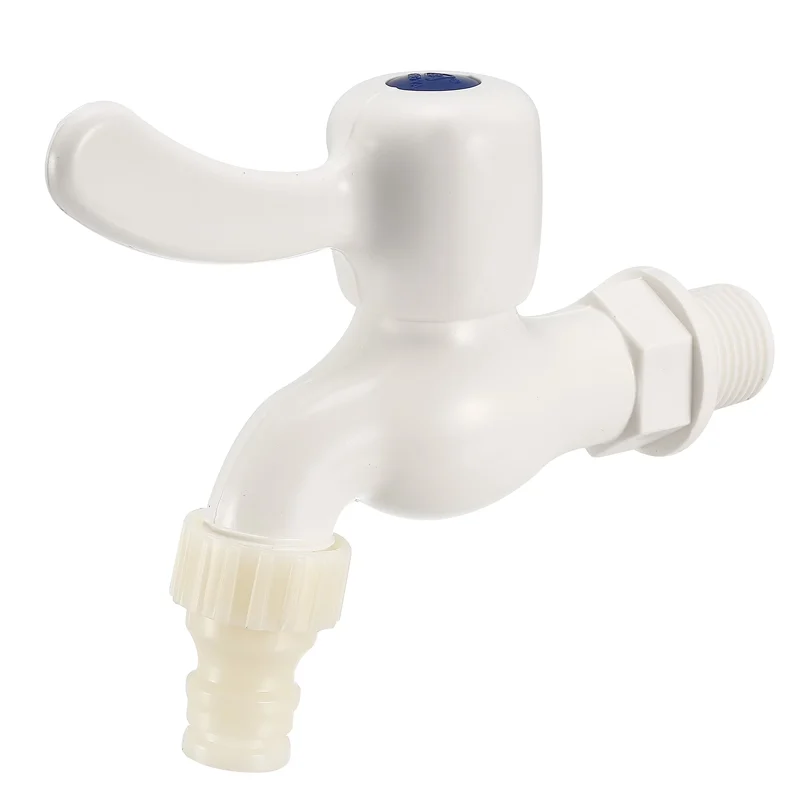
| ABS | Faucet covers, handles, decorative components | Excellent appearance, easy molding, color customization |
| POM (Acetal) | Precision internal components, moving parts | Low friction, wear resistance, dimensional stability |
| Nylon (PA) | Structural components, functional parts | High strength, good mechanical performance |
5. Faucet Material Comparison Table
| Material | Strength | Corrosion Resistance | Surface Finish | Cost Level | Typical Application |
|---|---|---|---|---|---|
| Brass | ★★★★★ | ★★★★☆ | Excellent | Medium-High | Premium faucets |
| Stainless Steel 304 | ★★★★☆ | ★★★★★ | Excellent | Medium-High | Modern faucets |
| Stainless Steel 316 | ★★★★★ | ★★★★★ | Excellent | High | Luxury / coastal projects |
| Zinc Alloy | ★★★☆☆ | ★★★☆☆ | Good | Low | Entry-level products |
| ABS Plastic | ★★☆☆☆ | ★★★★☆ | Good | Low | Covers / components |
| POM / PA | ★★★★☆ | ★★★★☆ | Limited | Medium | Internal components |
6. How to Select the Right Faucet Material
The best material depends on product positioning, performance requirements, manufacturing capability, and market requirements.
Product positioning: entry-level bathroom products, mid-range bathroom brands, premium designer collections.
Performance requirements: water exposure, pressure requirements, corrosion environment, expected service life, maintenance conditions.
Manufacturing requirements: casting capability, CNC machining, surface finishing compatibility, production volume, cost target.
Market requirements: different regions may impose lead-free regulations, drinking water standards, corrosion testing requirements, and material compliance documentation.
7. Faucet Material Surface Finish Compatibility
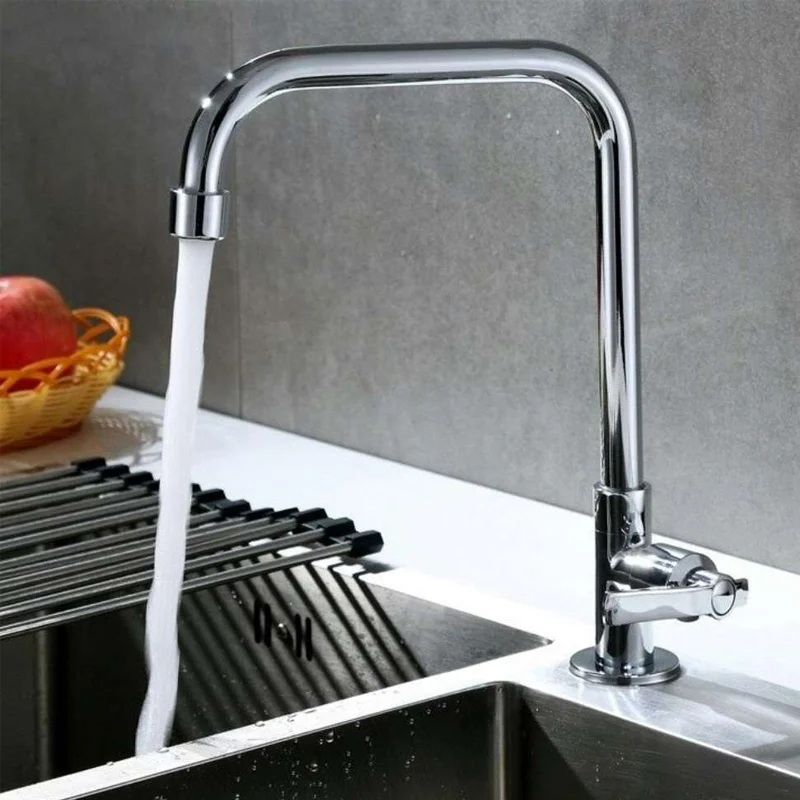
Material selection directly affects available finishing options. See JEKARE’s Surface Finishing capability for the full range of options below.
| Material | Chrome | PVD | Brushed Finish |
|---|---|---|---|
| Brass | Excellent | Excellent | Excellent |
| Stainless Steel | Excellent | Excellent | Excellent |
| Zinc Alloy | Good | Limited | Limited |
| ABS | Spray / Vacuum Metalizing | Limited | Limited |
Why Material Selection Matters in Faucet OEM Development
Choosing the right material helps brands achieve:
- Better product durability
- Stable production quality
- Premium appearance
- Lower warranty risks
- Long-term customer satisfaction
Frequently Asked Questions About Faucet Materials
What is the most durable material for a faucet? Brass and stainless steel (particularly grade 316) offer the highest overall durability and corrosion resistance, making them the standard choice for premium and long-life faucet products.
Is zinc alloy a good material for faucets? Zinc alloy is a reasonable choice for entry-level or decorative faucet components where cost is the priority, but it offers lower corrosion resistance and a shorter service life than brass or stainless steel, so it’s less suited to premium positioning.
What plastic materials are used inside faucets? POM (Acetal) is commonly used for precision moving parts due to its low friction and wear resistance, while nylon (PA) is used for structural components requiring high mechanical strength. ABS is typically used for exterior covers and handles.
How does material choice affect faucet surface finishing options? Brass and stainless steel are compatible with the widest range of premium finishes, including chrome, PVD, and brushed textures. Zinc alloy and ABS have more limited finishing compatibility, particularly for PVD and brushed effects.
JEKARE Faucet Engineering Support
JEKARE supports complete faucet OEM development, including:
- Material selection consultation
- Product design optimization
- Mold development
- CNC machining
- Surface finishing
- Assembly
- Performance testing
Our engineering team helps global bathroom brands select the right materials and manufacturing solutions for reliable faucet products — backed by ISO 9001:2015 certified manufacturing.
Need Help Selecting Faucet Materials? Share your faucet design, target market, and performance requirements with our engineering team.
Request a Material Evaluation →
Related Resources
- Brass vs Stainless Steel Faucet Material Guide (in-depth comparison)
- ABS vs Stainless Steel Shower Head Guide
- Silicone Valve Material Selection Guide
- Plastic Toilet Seat Material Selection Guide