Call us: +86-18965139230 | Mail to us: info@jekare.com

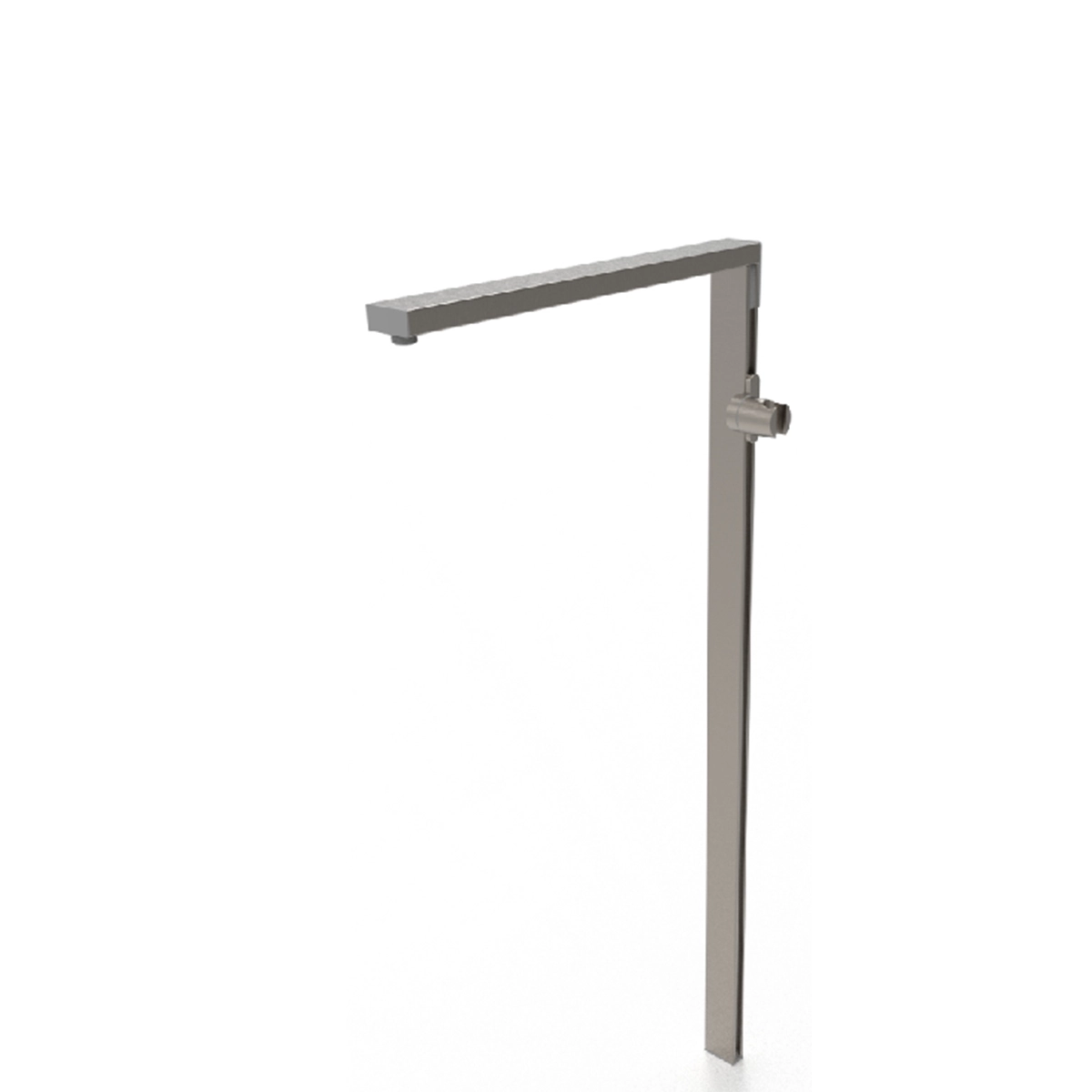
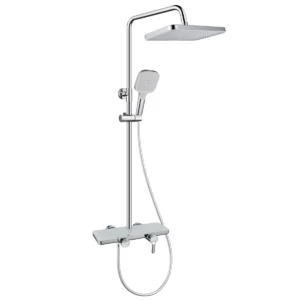
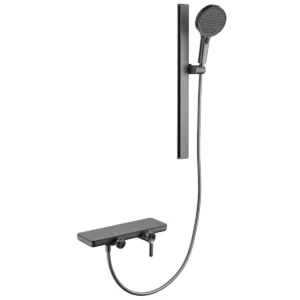
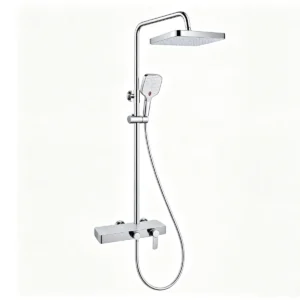
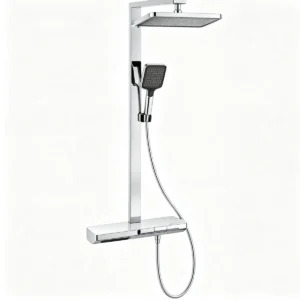
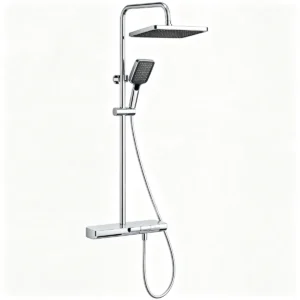
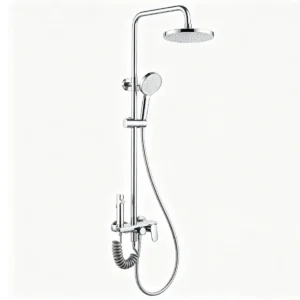
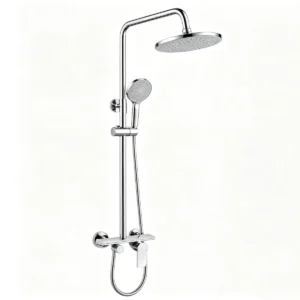
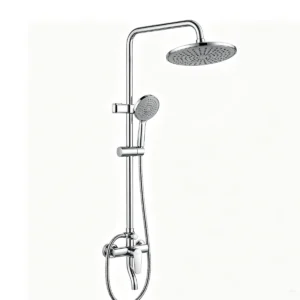
A Shower Rails System featuring an adjustable sliding mechanism provides a steady and easy-to-use shower experience suited for both homes and commercial spaces. Constructed from aluminum alloy along with ABS parts, it guarantees dependable structural strength and seamless functionality. Offered with adjustable sizes and surface treatments, it is tailored for bulk B2B purchasing and worldwide project installation.

JEKARE offers a clearly organized after-sales service framework aimed at supporting global bathroom brands, distributors, and project buyers through lasting product durability, dependable installation, and high end-user satisfaction. Our service system prioritizes rapid responses, specialized technical guidance, and sustainable lifecycle management for OEM shower bar systems.
We deliver professional installation manuals and engineering support for sliding shower bar systems, covering advice on wall-mount positioning, instructions for load-bearing installation, and compatibility checks with diverse regional plumbing requirements. Remote technical help is accessible to distributors and project contractors during both installation and troubleshooting phases.
To extend product usability over time, we keep a reliable supply of key components like sliding brackets, mounting kits, ABS holders, and fixing hardware. Replacement parts are standardized for OEM programs, enabling quick restocking and minimal delays in after-sales service.
All quality-related concerns are managed through a structured inspection and evaluation procedure. This involves examining structural failures, surface coating defects, sliding mechanism performance, and installation-related problems. Confirmed issues are addressed with repair options, replacements, or production adjustments based on the root cause analysis.
Every production batch is completely traceable via internal manufacturing records, allowing swift identification of material properties, processes, and assembly conditions. Warranty coverage is offered according to established OEM agreements, ensuring steady protection for brand owners and distribution partners.
JEKARE incorporates after-sales feedback into ongoing product enhancements. Field performance data from installation sites and end-user insights are analyzed to refine structural design, surface resilience, and sliding mechanism reliability in future production runs.
Dedicated account management is available for OEM/ODM clients, encompassing order tracking, technical advice, and long-term project assistance. Our objective is to guarantee stable supply continuity and lower operational risks for global bathroom brands.
JEKARE produces Adjustable Sliding Shower Head Bar units using a performance-driven manufacturing workflow, built around precision in height adjustment, user handling stability, ease of installation, and long-term mechanical durability. The production strategy emphasizes tight control over every functional part to ensure consistent quality for OEM bathroom brands and global distribution networks.
Assess actual user scenarios, shower system layouts, installation settings, and product positioning goals to define requirements for adjustment range, load capacity, mounting structures, and add-on component specifications.
Refine the sliding assembly, support points, locking system, and component connections through engineering analysis to enhance movement smoothness, structural rigidity, and overall service life.
Shape the sliding bar using controlled forming, cutting, and surface finishing methods to guarantee straightness, accurate dimensions, and seamless integration with the adjustable holder mechanism.
Develop and produce the adjustable holder assembly with precisely engineered internal parts, enabling smooth vertical motion, reliable locking performance, and broad compatibility with various handheld shower heads.
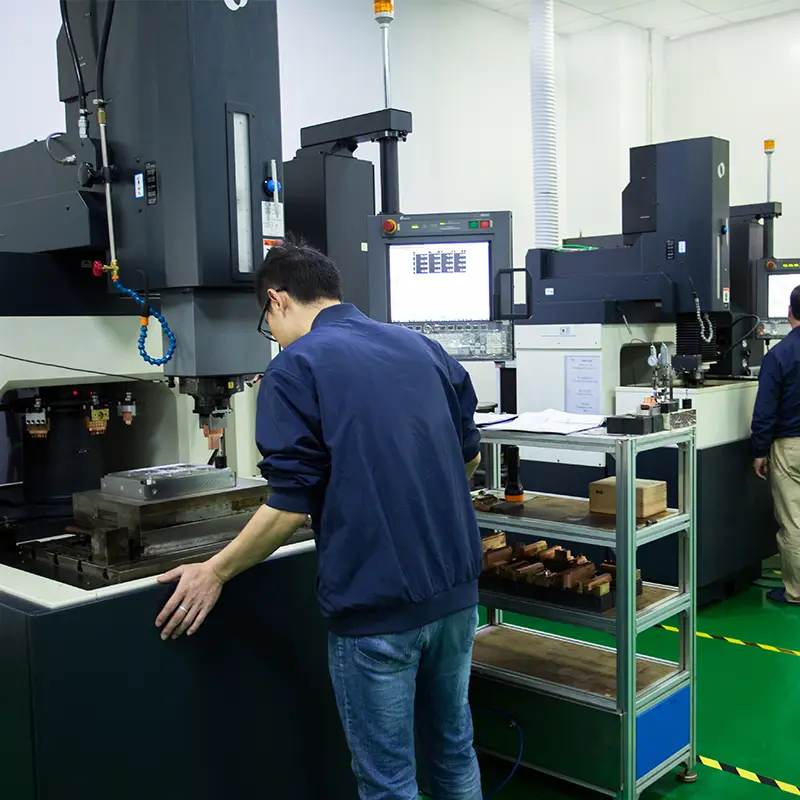
Update wall-mounted fixtures and connection elements to improve installation strength, minimize vibration or loosening over time, and ensure dependable operation during daily use.
Apply tailored surface treatments, such as chrome, matte black, brushed nickel, and other OEM-specific finishes, to deliver superior corrosion resistance, scratch protection, and a premium, cohesive look.
Put together the rail, holder, mounting hardware, and decorative elements, while fine-tuning movement resistance, holder positioning accuracy, and overall product alignment.
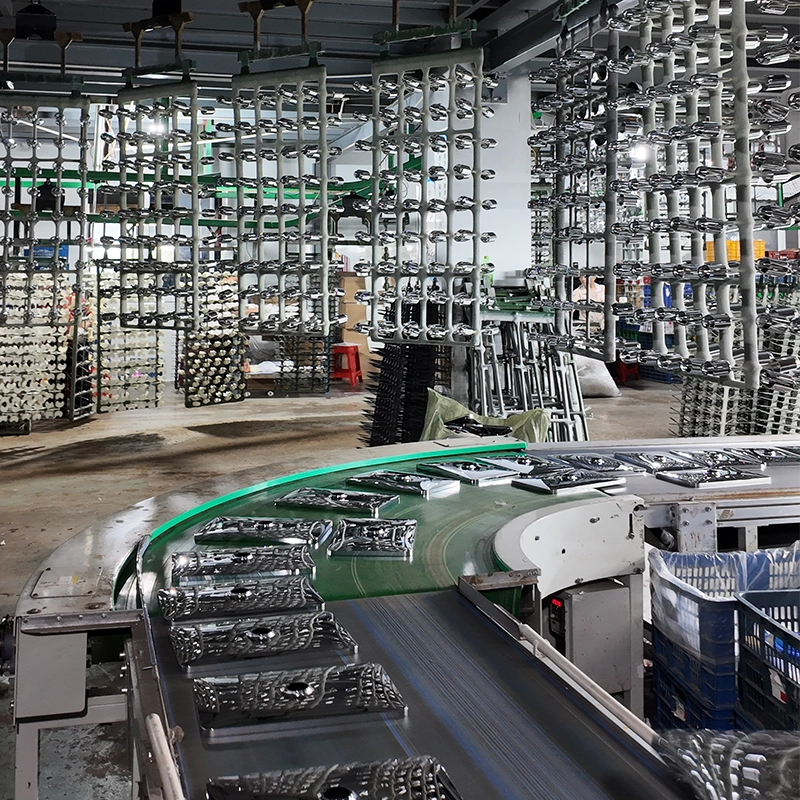
Run repeated adjustment tests, mechanical load assessments, mounting stability checks, and surface wear evaluations to confirm overall long-term reliability.
Carry out final checks on dimensions, appearance, functionality, and completeness of accessories, followed by customized labeling, packaging, and preparation for shipment.
Every sliding bar system undergoes testing under simulated vertical loads—typically between 30 and 50 kilograms, or higher depending on specifications—to confirm the stability of wall mounts, the structural strength of brackets, and long-term safety under real-world use.
The shower head holder is subjected to repeated height adjustments, often running through 10,000 to 20,000 cycles. This evaluates sliding smoothness, locking dependability, and resistance to mechanical wear over extended periods of use.
Assemblies are tested for their resistance to rotational torque and their ability to prevent loosening, ensuring secure attachment on various wall materials like tile, concrete, and waterproof panels.
Metal components undergo controlled salt spray tests—lasting 24 to 48 hours or more, depending on the grade—along with high-humidity chamber exposure. These tests validate anti-corrosion properties and the long-term durability of surfaces in bathroom environments.
Finishing layers, including chrome, matte black, brushed nickel, or PVD coatings, are tested for adhesion strength and scratch resistance through standardized abrasion cycles. This ensures a consistent appearance under daily cleaning and use.
Critical dimensions of tubes, brackets, and sliding parts are measured across production batches to ensure tight tolerances, installation compatibility, and interchangeability in large-scale OEM supply chains.
Each unit is tested both manually and mechanically for smooth sliding action, consistent locking force, and stable shower head positioning that prevents drift or slipping during operation.
Export packaging is validated through drop tests and vibration simulations to ensure product integrity during international shipping. This prevents deformation, coating damage, or loosening of components.
Used in bathroom modernization programs where existing fixed shower setups are upgraded into adjustable-height systems without requiring major plumbing reconstruction, improving user flexibility and comfort.
Widely applied in barrier-free bathroom environments, including elder-friendly and mobility-assist shower configurations, where adjustable height positioning improves usability and safety.
Ideal for shared bathrooms where users of different heights require flexible shower positioning, ensuring ergonomic comfort for adults and children within the same installation.
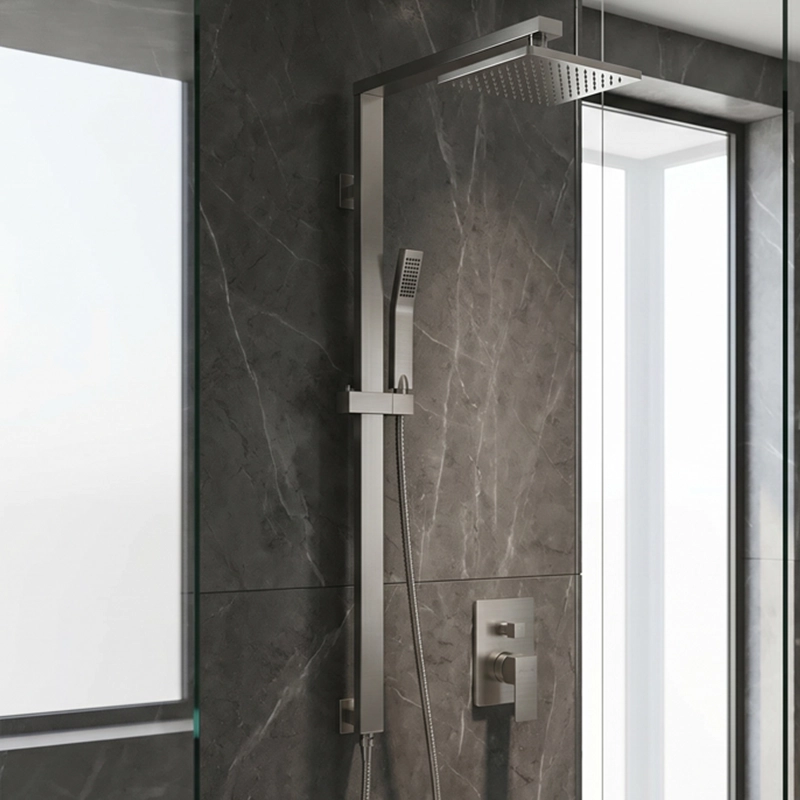
Commonly used in short- and long-term rental units where durable, low-maintenance shower systems are required to reduce replacement frequency and maintenance costs.
Applied in gyms, wellness centers, and spa environments where high-frequency usage demands durable sliding adjustment systems with consistent mechanical performance.
Suitable for space-constrained environments such as recreational vehicles, yachts, and compact modular living units where adjustable shower positioning enhances spatial efficiency.
Used in dormitories, schools, and training facilities where standardized yet adjustable shower systems are required to accommodate multiple users efficiently.
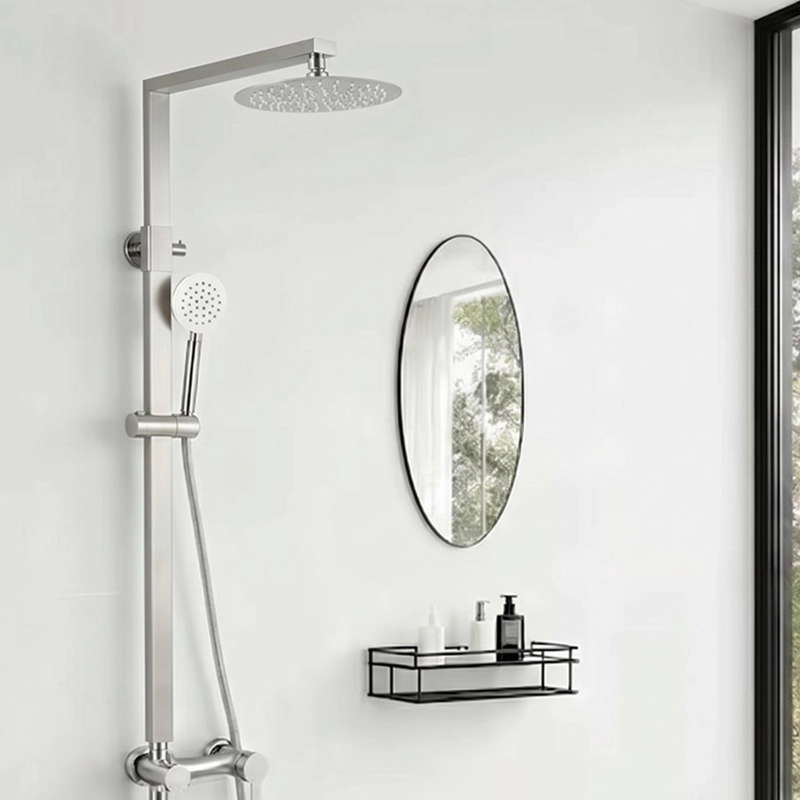
For an Adjustable Sliding Shower Head Bar, stainless steel and brass are the most durable options, especially for humid environments. Aluminum and ABS versions can also be produced for lighter-duty or cost-sensitive projects.
The sliding holder is designed with controlled tolerance, internal grip structure, and calibrated locking pressure so it can hold the shower head firmly without slipping during height adjustment.
Yes. Bar diameter, overall length, and holder dimensions can all be customized to fit specific bathroom layouts, shower head weights, and project requirements.
Common finish options include chrome, brushed nickel, matte black, and custom plated or coated finishes. The finish selection depends on the target market, design style, and corrosion resistance requirements.
Buyers should confirm wall mounting structure, bar length, holder compatibility, finish requirements, and the expected load from the shower head and hose. These details help ensure smooth installation and stable batch quality.