Call us: +86-18965139230 | Mail to us: info@jekare.com

The global faucet market continues to expand across residential, commercial, and hospitality applications. According to Grand View Research, market growth is being supported by renovation activity, commercial construction, and increasing demand for differentiated bathroom products.
However, for bathroom brands and distributors, market growth does not automatically simplify sourcing decisions.
A faucet is not only a finished hardware product. It involves multiple engineering decisions including:
As a result, MOQ, lead time, and pricing are becoming interconnected sourcing decisions rather than independent purchasing terms.
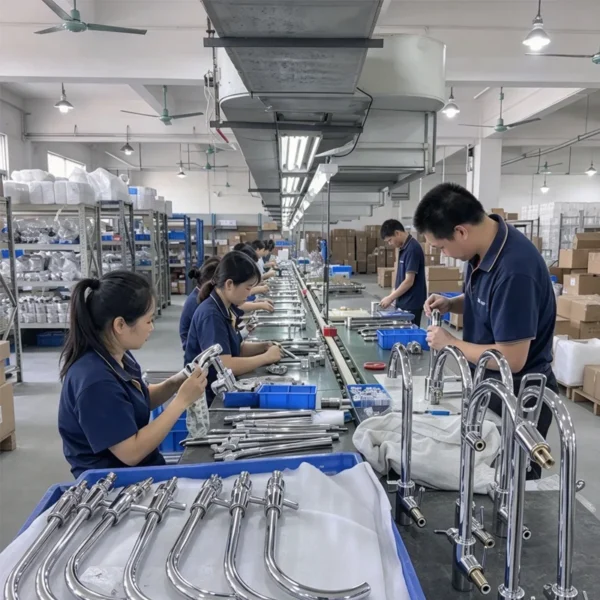
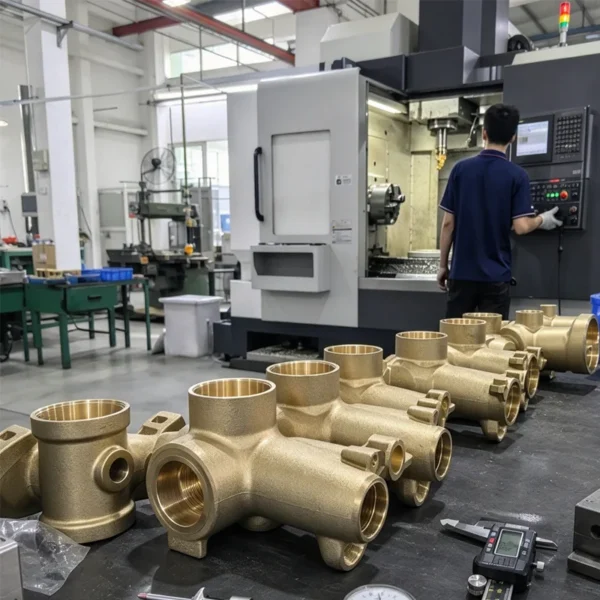
MOQ is often the first commercial discussion between a buyer and supplier.
However, MOQ is not simply a quantity requirement.
It reflects several underlying factors:
A lower MOQ may reduce inventory pressure for emerging brands, while higher MOQ structures may support better cost efficiency for established product lines.
The important question for buyers is not:
“Which supplier offers the lowest MOQ?”
The more strategic question is:
“Does the MOQ structure match the product lifecycle and market demand?”
Many buyers associate lead time only with factory production days.
In reality, faucet lead time usually includes several stages:
For customized faucet programs, delays often occur before mass production begins.
For example:
A new handle design may require mold modification.
A new finish may require additional surface validation.
A new cartridge supplier may require compatibility testing.
Therefore, understanding the supplier’s development process is essential when planning product launches.
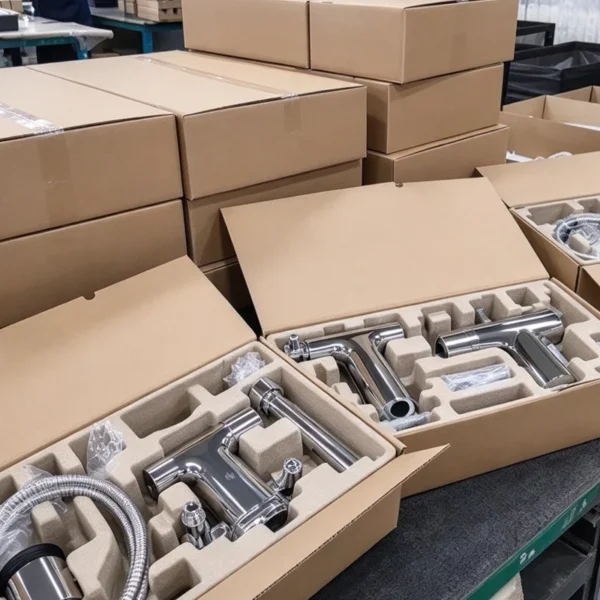
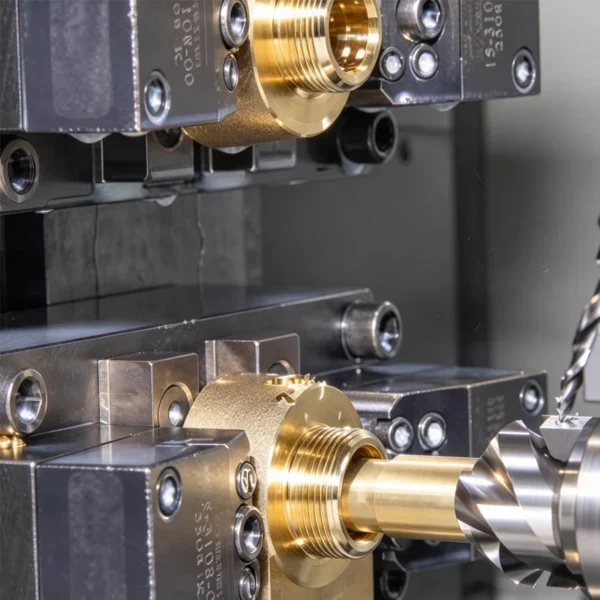
A faucet quotation usually represents more than material cost.
Two suppliers may quote different prices because they are including different assumptions:
For B2B buyers, comparing only the final unit price can hide future costs related to:
A faucet manufactured through gravity casting, CNC machining, polishing, plating, and assembly requires coordination across multiple production stages.
For standard catalog products, suppliers may provide lower entry quantities because existing tooling and processes already exist.
For new product development, MOQ usually increases because suppliers need to consider:
This difference is why buyers should separate:
Finish selection is another factor influencing lead time and cost.
Chrome, brushed nickel, matte black, brushed gold, and PVD finishes require different surface treatment processes.
For brands developing premium collections, suppliers need to confirm:
JEKARE’s surface finishing process evaluation supports projects where appearance consistency is part of the product specification. Buyers can review more about surface treatment considerations through JEKARE’s surface finishing capability.
The internal cartridge is one of the key components influencing faucet performance.
Different cartridge technologies affect:
For brands comparing faucet platforms, understanding valve technology before finalizing specifications can prevent future compatibility issues.
JEKARE has previously analyzed the differences between ceramic, ball, cartridge, and thermostatic technologies in its faucet valve selection article.
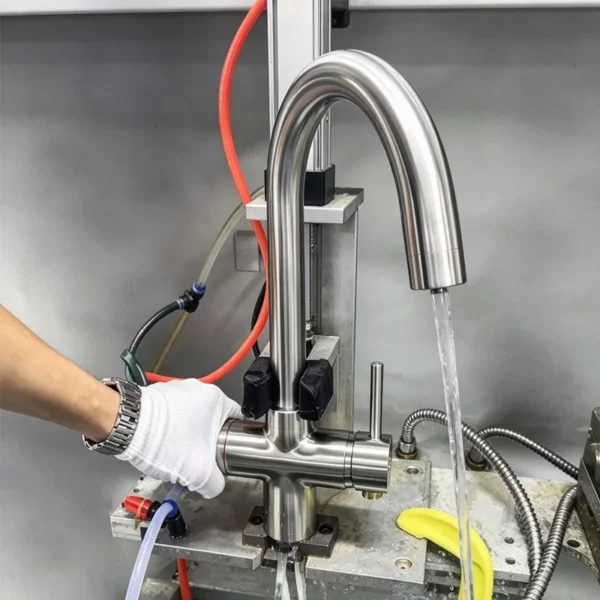
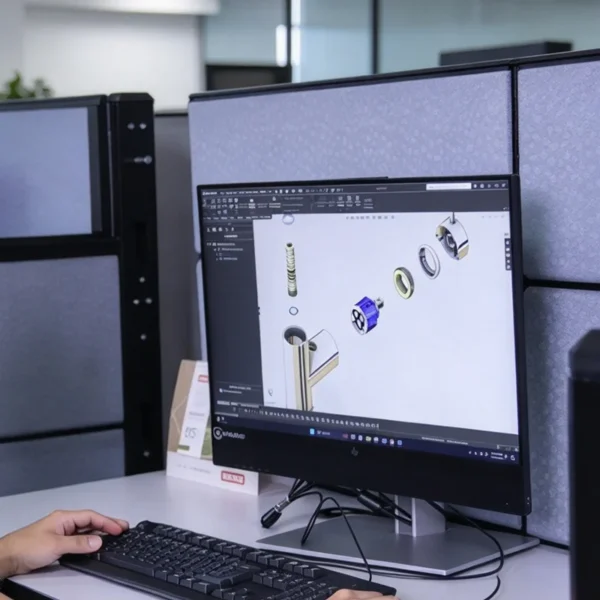
During faucet OEM development discussions, our engineering team has observed that buyers increasingly evaluate MOQ and lead time together with product architecture rather than treating them as separate purchasing terms.
For example, when reviewing a new faucet project, customers often need to balance several factors simultaneously: whether an existing platform can be customized, whether tooling investment is justified by expected volume, and whether the selected configuration can support their target market requirements.
From an engineering perspective, the most efficient sourcing decisions usually come from early alignment between product expectations and manufacturing feasibility. Decisions related to cartridge selection, finish requirements, customization level, and packaging configuration directly influence development timing and production planning.
At JEKARE, we support faucet projects by reviewing product requirements before production begins, helping buyers understand the relationship between customization scope, manufacturing process, MOQ structure, and expected delivery planning.
Before comparing quotations, identify whether the project requires:
Different development paths create different MOQ and lead-time expectations.
A reliable supplier discussion should clarify whether lead time includes:
A production timeline without these details may create unrealistic launch expectations.
Before selecting a supplier, compare:
A lower quotation may represent a different product specification rather than a more efficient manufacturing process.
Quality consistency becomes increasingly important as order volume increases.
Buyers should review whether the supplier maintains documented processes for:
Relevant quality management frameworks such as ISO 9001 provide a reference point for evaluating manufacturing systems.
Faucet sourcing decisions influence more than initial purchasing cost.
A suitable MOQ structure helps brands manage inventory risk.
A realistic lead time supports product launch planning.
A transparent pricing structure reduces unexpected costs during development and production.
For growing bathroom brands, selecting an OEM partner is not only about obtaining a finished faucet. It is about building a repeatable supply chain that supports future product expansion, regional requirements, and long-term market positioning.
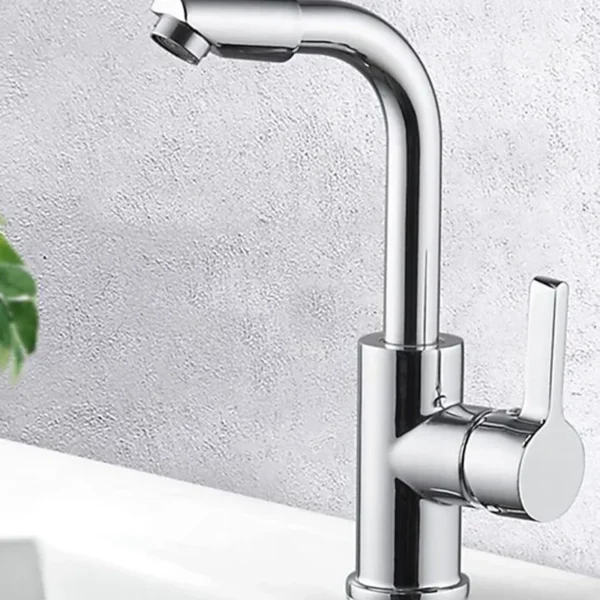
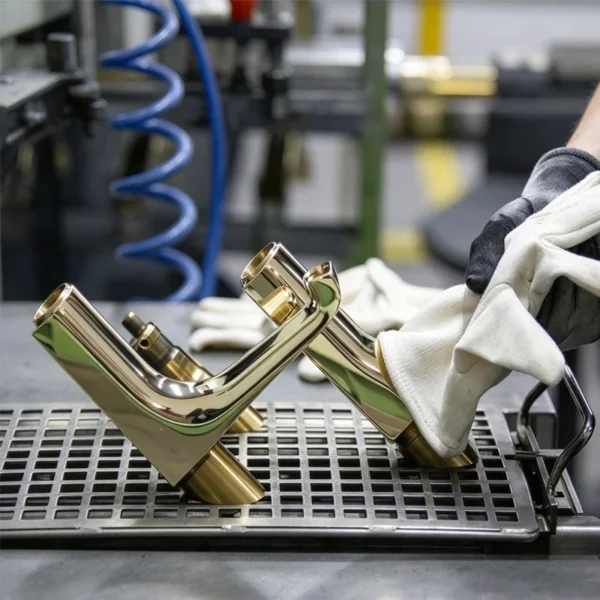
JEKARE supports global bathroom brands, distributors, and private-label companies developing faucet collections through structured OEM/ODM processes.
Projects can be evaluated through JEKARE’s OEM/ODM project process, covering product requirements, engineering review, sampling, validation, and production preparation.
For brands expanding product categories, JEKARE also supports product line extension solutions that help coordinate new faucet platforms with existing bathroom collections.
Quality verification is supported through inspection procedures covering dimensions, appearance, function, and production consistency. Buyers can learn more through JEKARE’s inspection capability.
Faucet MOQ, lead time, and pricing are not isolated commercial terms. They are the result of product architecture, manufacturing processes, customization requirements, and supply chain planning.For B2B buyers, the most effective sourcing approach is to evaluate the complete relationship between product requirements and manufacturing feasibility rather than comparing unit prices alone.Understanding how MOQ, lead time, and pricing are created allows bathroom brands to reduce sourcing risks and develop more predictable faucet programs.
Not necessarily. Higher volumes may improve production efficiency, but pricing also depends on materials, components, finishing requirements, testing standards, and customization scope.
Early involvement helps identify tooling requirements, material options, and production constraints before the product timeline becomes fixed.
Customization may require engineering review, tooling adjustments, component confirmation, sampling, and validation before mass production.
Yes. Using an existing platform may reduce tooling requirements compared with developing a completely new faucet structure.
Useful information includes target market, expected volume, finish requirements, certification needs, packaging requirements, and whether customization is required.
Mike is a Senior Faucet Engineer at JEKARE with over 20 years of experience in bathroom fixture development and OEM manufacturing.
He specializes in faucet structure design, cartridge technology selection, surface finishing evaluation, and product development planning.
With extensive experience supporting global bathroom brands and distributors, Mike focuses on helping buyers balance engineering requirements, manufacturing feasibility, and supply chain decisions through structured product development.
✔ 20+ Years of OEM & ODM Manufacturing Experience
✔ Structured Faucet Development From Concept to Production
✔ Engineering Support for Custom and Private Label Programs
✔ Quality Verification Across Materials, Components, and Finishes
✔ Flexible Support for Different Market Requirements
✔ Reliable Manufacturing Partner for Global Distributors and Brands
Whether you are developing a new faucet collection, extending an existing bathroom product line, or evaluating a new OEM partner, JEKARE provides engineering-driven manufacturing support from product review through mass production.Contact our team to discuss your next bathroom product project.