Call us: +86-18965139230 | Mail to us: info@jekare.com

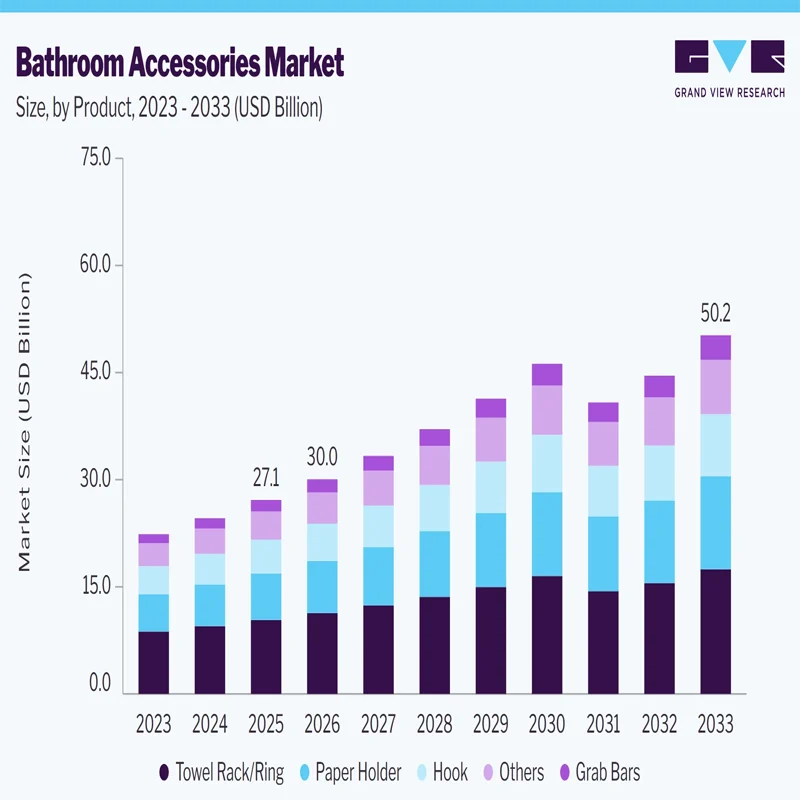
The bathroom accessories category is no longer a low-attention line item in a brand’s product portfolio. According to Grand View Research, the global bathroom accessories market was valued at USD 24,603.5 million in 2024 and is projected to reach USD 46,234.4 million by 2030, growing at a CAGR of 11.2%. The same report identifies the commercial segment — hospitality, healthcare, and public facilities — as the faster-growing part of that market, expanding at an 11.8% CAGR from 2025 to 2030, a shift the report attributes in part to rising standards for safety and accessibility in commercial bathroom environments.
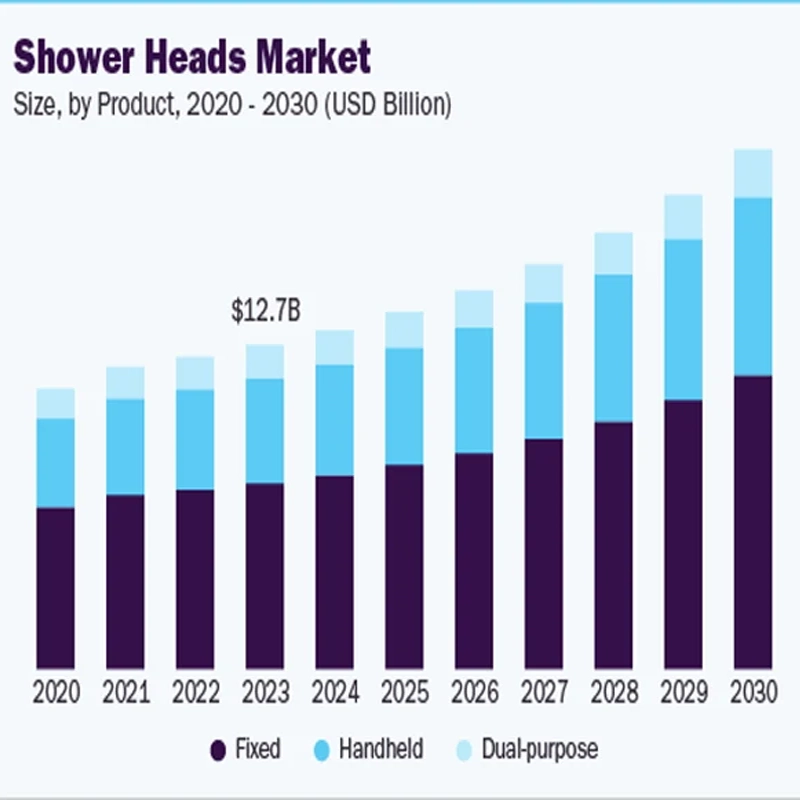
At the same time, Grand View Research’s shower heads market report puts that specific category at USD 13.31 billion in 2024, expected to reach USD 20.41 billion by 2030 at a 7.4% CAGR. A larger, faster-moving shower fittings category means more SKUs, more supplier relationships, and — for hardware like shower head holders that has traditionally been treated as a low-cost accessory — more exposure to structural failure at scale if the underlying engineering isn’t right.This mirrors a broader pattern already visible in adjacent categories, where tightening water-saving standards are pushing brands to scrutinize the engineering behind components that used to be treated as commodity parts.
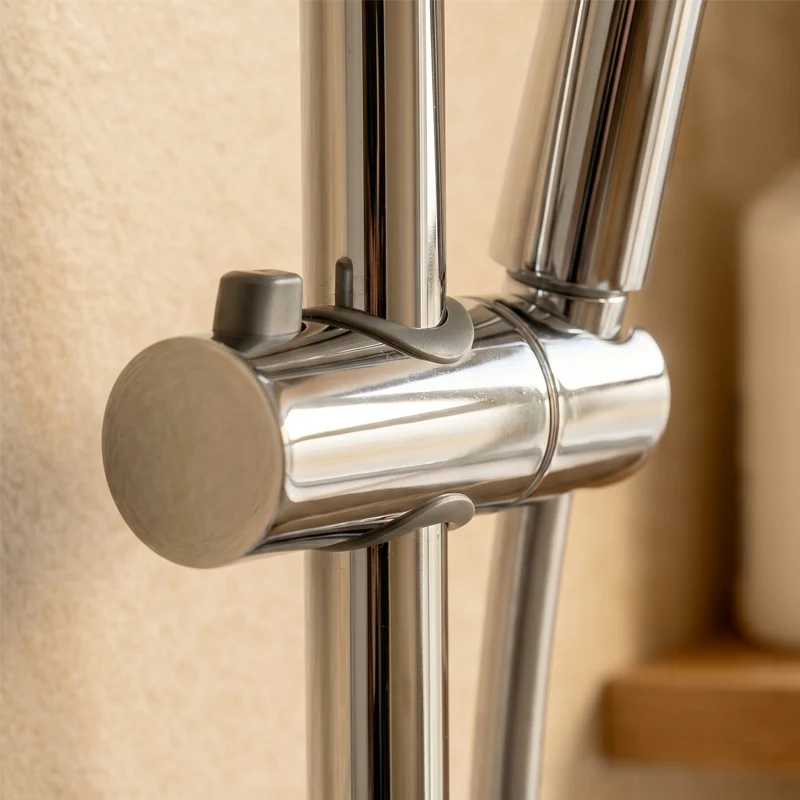
A shower head holder is a small, inexpensive component, which is exactly why it’s easy to under-specify during sourcing. But the commercial cost of getting it wrong isn’t small: warranty claims, replacement shipments, and — in hospitality and commercial projects — facility maintenance callbacks that damage a brand’s reputation with the project buyer who selected it. Because holder failure (slipping, loosening, angle drift) typically surfaces months after installation rather than at final inspection, it’s a cost that shows up after the purchase order has already closed, which makes it harder to trace back to a sourcing decision unless the brand was specifying tolerances and QC criteria at the outset.
This is a materials-and-engineering problem before it’s a customer-service problem: the two structural categories of shower head holder — rail-mounted sliders and wall-mounted brackets — fail for different underlying reasons, and a specification sheet that doesn’t distinguish between them is missing the point where most field failures originate.The same logic applies to surface and finish decisions elsewhere in a bathroom hardware line — brands sourcing finishes are asking similar durability questions when comparing PVD coating against electroplating for long-term performance.
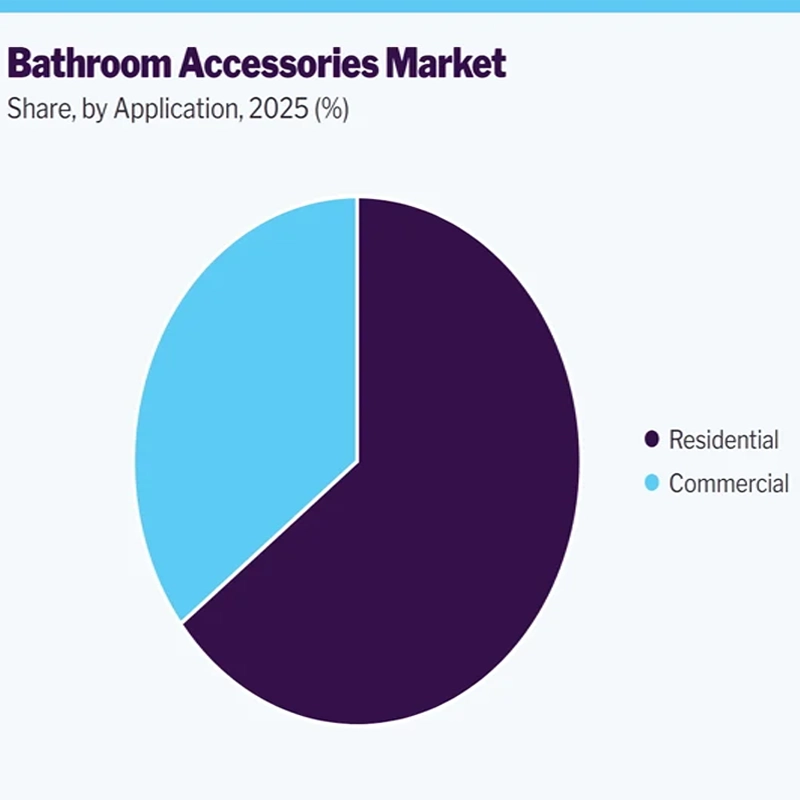
The growth Grand View Research reports in the commercial and hospitality segment of the bathroom accessories market is tied specifically to rising accessibility and safety expectations in shared and public bathroom spaces — categories where hardware failure has a more visible cost than in a single residential unit, because it affects a facility operator’s maintenance budget and liability exposure rather than one household’s inconvenience.
That shift in where the growth is concentrated is relevant to sourcing decisions: a shower head holder line built primarily for price competition in a slower-growing, less scrutinized residential segment is not automatically fit for the faster-growing commercial and hospitality segment, where facility buyers are evaluating suppliers on structural reliability, not just unit cost — a dynamic reflected in how buyers increasingly compare shower head manufacturers on more than pricing alone.
Internal JEKARE data supports the same pattern from the supply side. A review of 186 overseas bathroom OEM/ODM inquiries handled between January and December 2025 found that approximately 42% involved discussions beyond basic pricing, catalog, and specification requests. Among those technical discussions, fixing methods (adhesive vs. screw), mounting stability and load capability, material durability, and installation instruction requirements were the topics raised most often — ahead of more general structural improvement suggestions. Hospitality and project buyers accounted for 15% of the customers raising these technical questions, a smaller share than bathroom brands (46%) and distributors (31%), but notable given that this segment is also the one Grand View Research identifies as growing fastest.
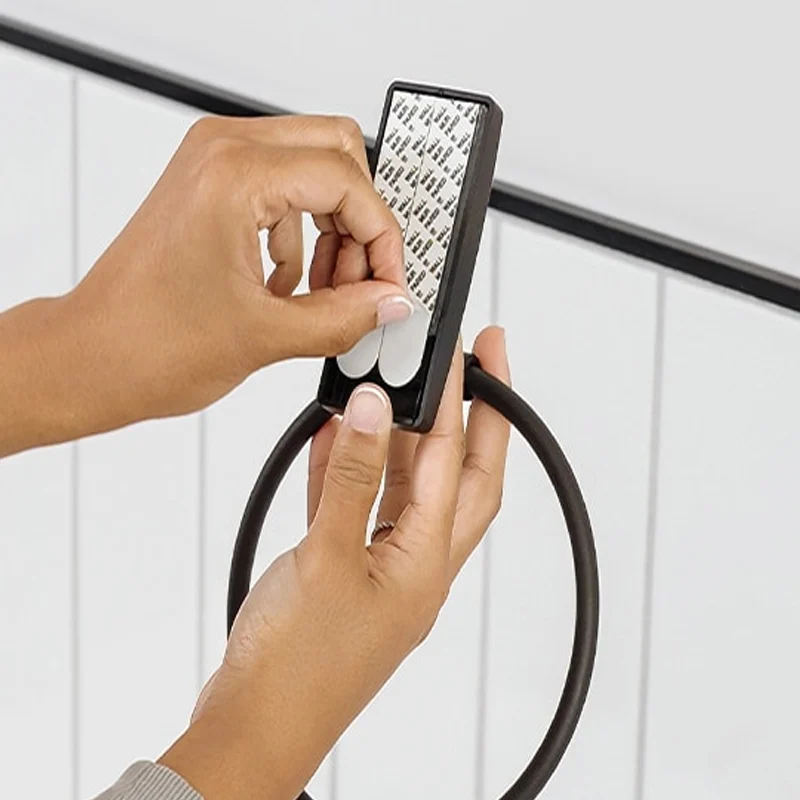
During an OEM project review, JEKARE analyzed a case where an adhesive-mounted shower head holder gradually loosened after installation and eventually detached from the wall surface. The initial assumption was insufficient adhesive strength, but engineering evaluation showed that the failure was mainly related to installation conditions rather than the adhesive material itself.
The review identified three major risk factors: surface preparation, mounting conditions, and curing time. Industry adhesive installation guidelines, including those from 3M Command™ Bathroom Solutions, recommend cleaning the mounting surface with suitable materials such as isopropyl alcohol before installation, avoiding unsuitable surfaces such as textured walls and grout lines, and allowing sufficient time for the adhesive bond to develop before applying load. For bathroom accessories, even a small deviation in installation conditions can significantly reduce the effective bonding area and impact long-term holding performance.
Based on this analysis, JEKARE concluded that adhesive-mounted shower hardware should be evaluated as a complete fixing system rather than a single adhesive component. Following this case, JEKARE’s product development process now includes clearer installation instructions, defined application-condition requirements, and simulated load validation — changes aimed at catching this category of failure before a product reaches the field rather than after a warranty claim.
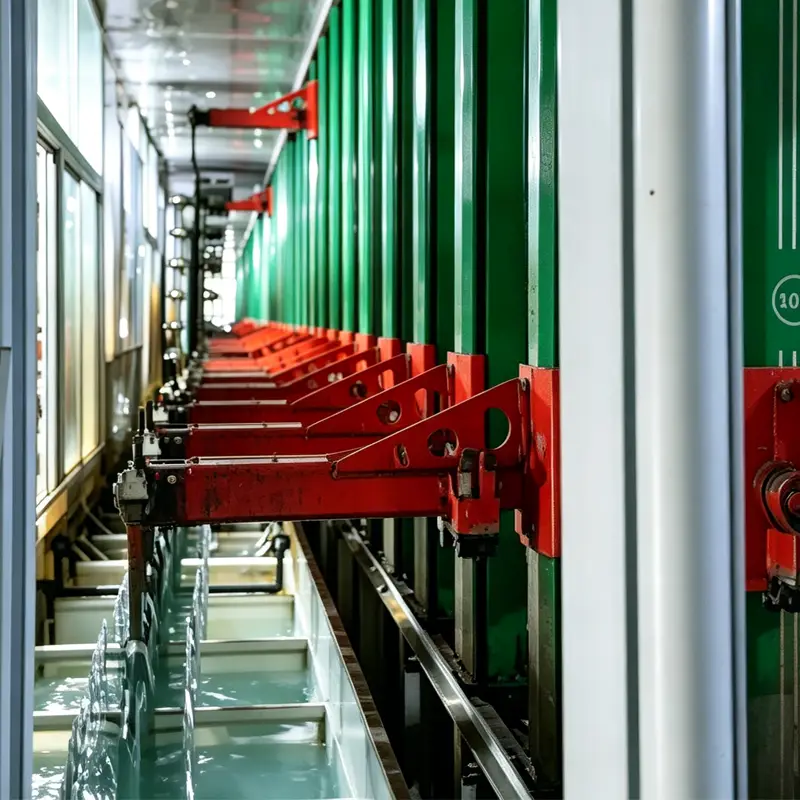
Located in Xiamen, Fujian Province, China, JEKARE is a specialized OEM/ODM manufacturer focusing on bathroom hardware and accessories for global B2B customers. With experience in product development, manufacturing coordination, and quality management, JEKARE supports bathroom brands, distributors, and project customers with reliable and flexible manufacturing solutions.
JEKARE operates with a quality-focused production system covering product development, component sourcing, assembly, inspection, and manufacturing process control. Supported by an ISO 9001:2015 certified quality management system, the company follows standardized procedures to ensure consistent product performance and production reliability.
The factory specializes in showers, faucets, toilet seats, and related bathroom accessories, with capabilities including plastic injection molding, product assembly, surface finishing coordination, component integration, and quality inspection. By combining manufacturing expertise with OEM/ODM flexibility, JEKARE helps customers develop customized bathroom products from initial concepts through mass production.
Rather than competing only on production volume, JEKARE focuses on engineering support, responsive communication, and long-term cooperation with international partners seeking a dependable bathroom manufacturing supplier.
Before finalizing a shower head holder supplier or product line, ask:
A supplier who can answer these with specifics — not general assurances — is a materially lower sourcing risk than one evaluated on finished-sample appearance alone.
Structural reliability in an accessory line like shower head holders is the kind of detail that doesn’t show up in a product photo or a sample review, but it directly shapes downstream decisions: which manufacturing partners a brand can trust with commercial and hospitality contracts, how much warranty and replacement cost gets built into margin assumptions, and how a brand’s reputation holds up with facility buyers who remember which supplier’s hardware failed in the field.
As the commercial and hospitality segment of the bathroom accessories market continues to grow faster than the overall category, brands sourcing for that segment specifically are likely to find that structural engineering diligence at the supplier-selection stage — not just finish and price — increasingly separates reliable OEM partners from the rest.
No. Slider holders fail primarily from diameter mismatch and worn internal friction components; wall-mounted holders fail primarily from inadequate anchoring or compromised adhesive bonding. A single QC checklist covering both types usually misses category-specific risks.
It can be, but only on smooth, non-porous surfaces with correct surface preparation and a full curing period before use. On textured or porous surfaces, adhesive mounting is a reliability compromise regardless of adhesive quality.
It doesn’t directly, but it signals that supplier tooling and QC standards are increasingly being built around commercial-grade reliability expectations — which can benefit residential-line buyers sourcing from the same manufacturing base.
It varies by adhesive type and environmental conditions, so the right approach is to require the supplier’s instructions to match the adhesive manufacturer’s own published curing specification rather than relying on a generic industry figure.
Yes — a documented clamping force target (rather than an assembly-line “feel” standard) is one of the more reliable indicators of whether a supplier engineers to a spec or to a sample.
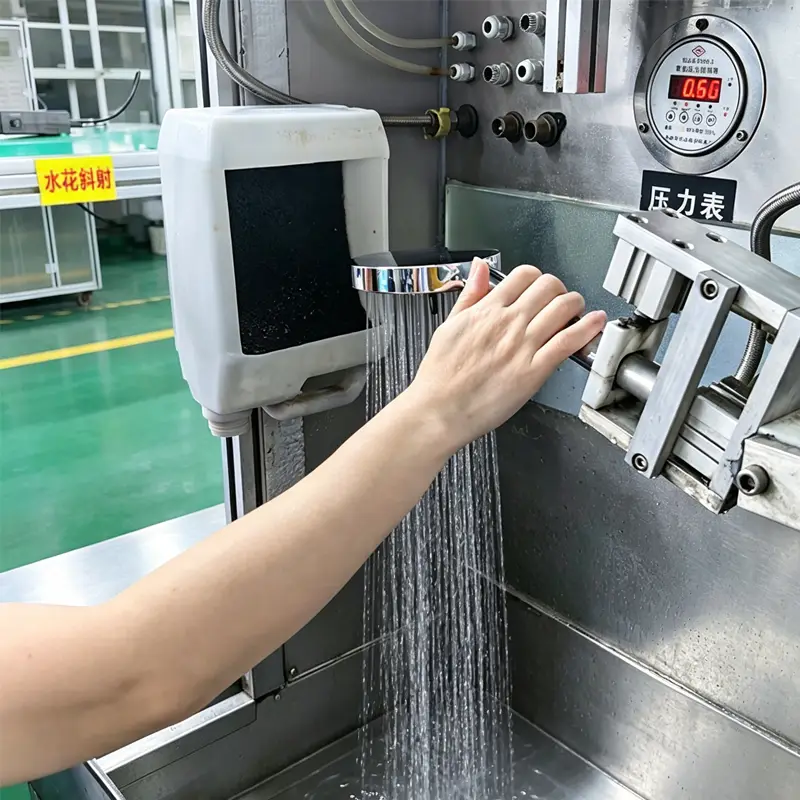
Ask for test records under simulated water-load conditions, not just dry mechanical test data, and where possible request a factory audit rather than relying on finished-sample inspection alone.
Neo Shen is a Product Manager at JEKARE, responsible for bathroom hardware product strategy, market insights, and product development planning for global B2B customers.
With a focus on understanding international market trends and customer requirements, Neo works closely with JEKARE’s engineering, manufacturing, and sales teams to translate market needs into practical product solutions. His experience covers product positioning, feature planning, OEM/ODM project coordination, and identifying opportunities to improve product competitiveness in global bathroom markets.
Through collaboration with overseas brands, distributors, and project customers, Neo provides insights into how bathroom products are developed, optimized, and adapted to meet different market expectations. His work focuses on connecting customer needs with manufacturing capabilities, helping partners develop reliable and commercially successful bathroom hardware solutions.
At JEKARE, Neo contributes to building customer-oriented product strategies and supporting global partners with professional OEM/ODM bathroom solutions.
Grand View Research. “Bathroom Accessories Market Size, Share & Trends Analysis Report, 2025–2030.” Accessed July 2026.
https://www.grandviewresearch.com/industry-analysis/bathroom-accessories-market.
Grand View Research. “Shower Heads Market Size, Share & Trends Analysis Report, 2025–2030.” Accessed July 2026.
https://www.grandviewresearch.com/industry-analysis/shower-heads-market-report.
3M Command™. “How to Use Command™ Bathroom Solutions.” Accessed July 2026.
https://www.command.com/3M/en_US/command/how-to-use/bathroom-solutions/.
JEKARE. Internal review of 186 overseas bathroom OEM/ODM inquiries, January–December 2025. Unpublished internal data.
If you’re evaluating suppliers for shower head holders or similar bathroom hardware and want a second set of engineering eyes on tolerance specs, clamping design, or fixation methods, we’re happy to talk through what to look for — including how it fits into our OEM/ODM project process.