Call us: +86-18965139230 | Mail to us: info@jekare.com

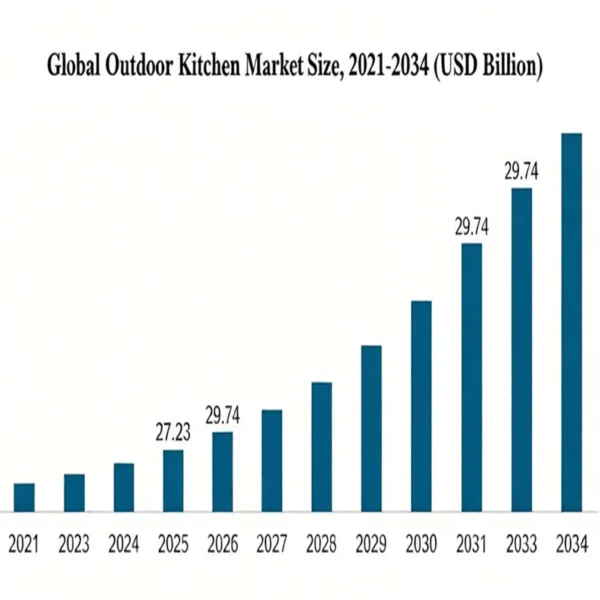
Outdoor kitchens have moved from a seasonal add-on to a permanent extension of the home, and the market is expanding accordingly. The global outdoor kitchen market was valued at USD 27.23 billion in 2025 and is projected to reach USD 60.2 billion by 2034, growing at a 9.21% CAGR — with sinks and faucets accounting for close to 9% of that market, a segment Fortune Business Insights specifically attributes to demand for corrosion-resistant materials rather than styling alone.
That last detail matters for bathroom brands. Outdoor faucets, hose bibs, and outdoor shower fixtures are increasingly specified, sourced, and quality-checked through the same channels as indoor bathroom hardware — which means material decisions that used to be a narrow “outdoor plumbing” concern are now landing on the desks of bathroom product teams.
Indoor faucets are engineered primarily around finish, handle feel, and cartridge life. Outdoor fixtures fail differently — freeze-thaw cycling, UV exposure, and standing moisture accelerate corrosion and stress alloy joints in ways an indoor spec sheet doesn’t anticipate. That difference is exactly why “just use the indoor brass alloy outdoors” is becoming a harder sell with buyers who source both categories from the same supplier.
Material selection for outdoor fixtures now carries three overlapping pressures: performance (does it survive freeze-thaw and UV exposure for the warranty period), regulatory compliance (lead content limits differ by destination market), and channel consistency (a brand selling both indoor and outdoor faucet lines needs a material story that holds up across both).
Getting the material wrong doesn’t just mean a warranty claim. It means a compliance exposure if a lead-restricted alloy ships into a market that doesn’t allow it, and a brand-trust problem if visible corrosion shows up within a year or two of installation — in a product category where a single failed fixture is easy for a customer to photograph and post.
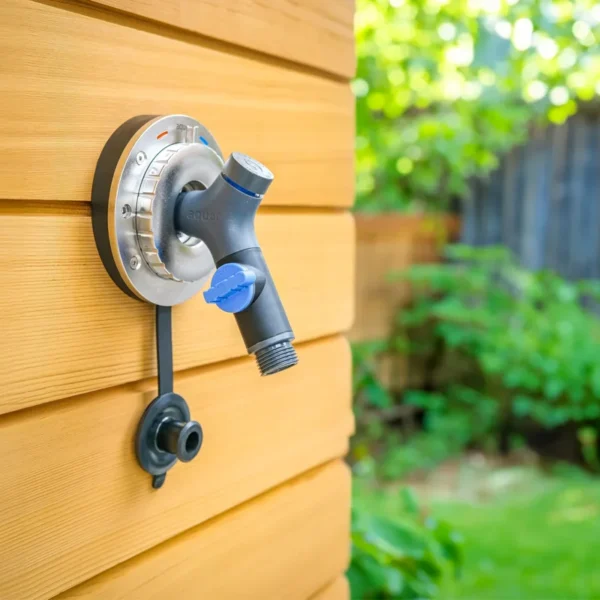
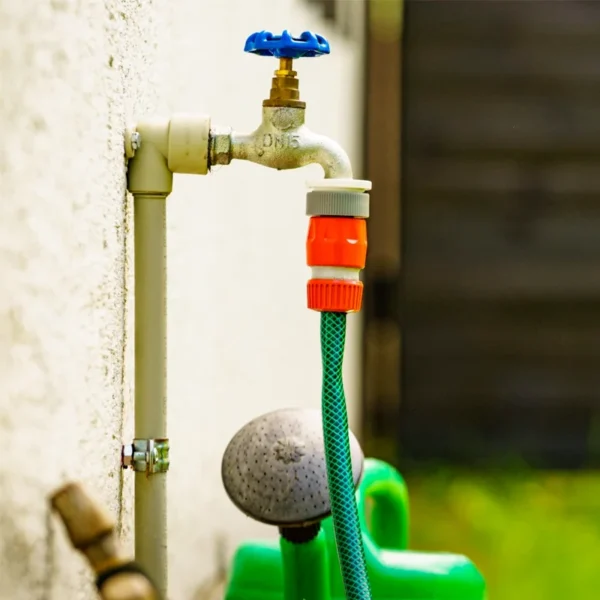
As noted above, Fortune Business Insights’ outdoor kitchen market analysis puts sinks and faucets at roughly 9% of a market moving toward USD 60.2 billion by 2034, and identifies weather-resistant materials and corrosion resistance — not just design — as a defined driver of that segment’s growth.
In the EU, the European Chemicals Agency (ECHA) added lead to the REACH Substances of Very High Concern candidate list in June 2018, which restricts brass articles containing more than 0.1% lead by weight and requires supplier communication obligations under REACH Article 33. The EU is also currently evaluating whether to add lead to REACH Annex XIV, a step that industry sources tracking the process (e.g., copper and brass alloy processors) note could lead to a full ban on leaded brass in the EU starting in 2028. For any bathroom brand shipping outdoor fixtures into the EU, this turns “which brass alloy” from a cost question into a market-access question.
In the US, NSF publishes NSF/ANSI/CAN 61, the standard that limits lead and other impurities that plumbing products can introduce into drinking water, and this certification is required for kitchen and bathroom faucets sold in the US. Since 2024, the certification’s lead-leaching limit for endpoint devices like faucets has been reduced from 5 micrograms to 1 microgram, tightening the bar for what counts as compliant “lead-free” brass — the kind of distinction worth checking against a supplier’s actual certification documentation rather than a general claim.
Put together, a brand sourcing outdoor faucets for both EU and US distribution is now navigating two separate, tightening material-compliance regimes — not one generic “lead-free” spec.
In 2024, JEKARE worked with a European outdoor living brand expanding its faucet portfolio from indoor bathroom products into outdoor kitchens, garden faucets, and wall-mounted hose bib programs — an existing customer with roughly 120,000 outdoor and bathroom fixtures in annual purchasing volume, planning to launch the new outdoor series into both EU and North American markets under a single brass specification to simplify production and inventory.
During OEM development review, JEKARE’s engineering team found that specification wasn’t built for the risks outdoor use actually introduces — the original brass alloy and chrome-plated finish were carried over from the customer’s indoor line, and the supplier’s material documentation was a product-level compliance statement rather than batch-level alloy composition reporting, which left limited traceability for repeat production.
Working with the customer, JEKARE split the material strategy by market rather than keeping one spec: a lead-compliant brass alloy with REACH documentation for the EU outdoor line, an NSF/ANSI/CAN 61–verified brass for the US and Canada line, and an enhanced corrosion-resistant option reserved for high-exposure outdoor projects — backed by batch-level alloy verification, supplier certificate tracking, and outdoor corrosion testing added before mass production, including moving salt-spray evaluation from a standard finish check to full 96-hour ASTM B117 validation with thread and connection area inspection, alongside design changes to the wall connection and internal drainage structure to reduce moisture retention.
In the first 12 months after launch, warranty claims on the outdoor faucet series stayed below 1.5%, no compliance-related market withdrawal occurred, and the customer extended the same JEKARE-developed platform into additional outdoor kitchen products.
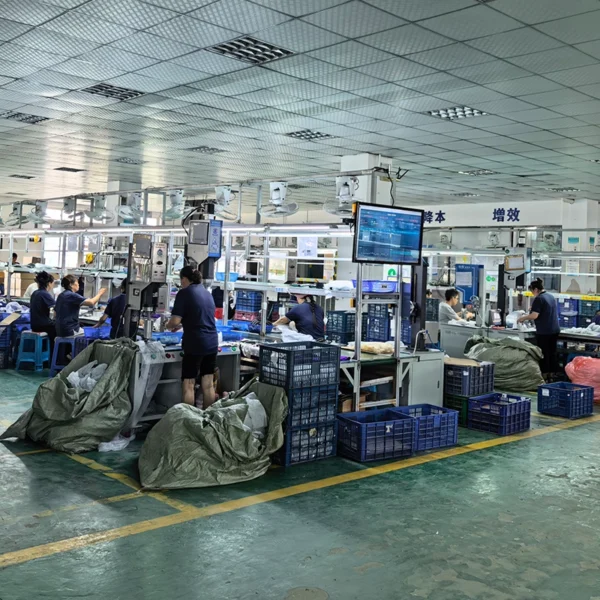

Finalizing a material spec for an outdoor fixture line really comes down to three things converging at once: documented compliance, documented performance, and a supply chain that can hold both steady across repeat production.
On the compliance side, the alloy needs to clear NSF/ANSI/CAN 61 for every market the product will ship to — including the post-2024 Q ≤ 1 lead-leaching limit — and stay under REACH’s 0.1% lead-by-weight threshold if any volume is EU-bound, since crossing that line triggers Article 33 supplier communication obligations rather than disqualifying the product outright. What separates a brand that’s actually protected from one that’s exposed on paper only is whether the supplier can produce a material certificate per production batch, not just a one-time certificate for the product line as a whole — batch-level documentation is what actually holds up if a customs authority or a customer’s compliance team asks for it later, and it’s worth confirming how that documentation flow is handled as part of a supplier’s OEM/ODM project process before committing to production.
Performance is where a lot of outdoor-specific testing gets skipped, mostly because indoor fixture qualification doesn’t require it. Two tests are worth asking for directly: salt-spray corrosion testing under ASTM B117, the standard practice for operating salt-spray fog apparatus that’s become the default way to compare corrosion resistance across metals and coatings; and, for any product marketed as a freeze-resistant wall hydrant or hose bib, compliance with ASSE 1019, the ANSI-accredited performance standard covering backflow protection and freeze resistance specifically for wall hydrants. Machining tolerance matters here too — a body machined on CNC equipment with tight, repeatable tolerances closes gaps where moisture and salt would otherwise sit and accelerate corrosion at the joint. A finish claim — PVD, powder coat, plating — is only as good as the UV and corrosion data behind it, so ask for the test report, not just the marketing description; PVD and electroplated finishes perform differently under outdoor exposure, and that difference is worth understanding before locking in a finish spec. Whatever the finish, ask how it’s verified — inspection and testing that happens before a batch ships, not just a sample approved months earlier.
None of this holds up commercially if the supply chain can’t repeat it. Composition and finish consistency across production runs matters as much as the initial qualification — a supplier that drifts on alloy composition between batches can pass an initial sample test and still fail months later on a reorder, which is really a manufacturing scaling problem as much as a materials one. It’s worth asking upfront whether a fallback-compliant alloy is already qualified and ready to swap in if a destination market’s lead threshold tightens again, rather than finding out mid-production that a re-qualification cycle is needed.
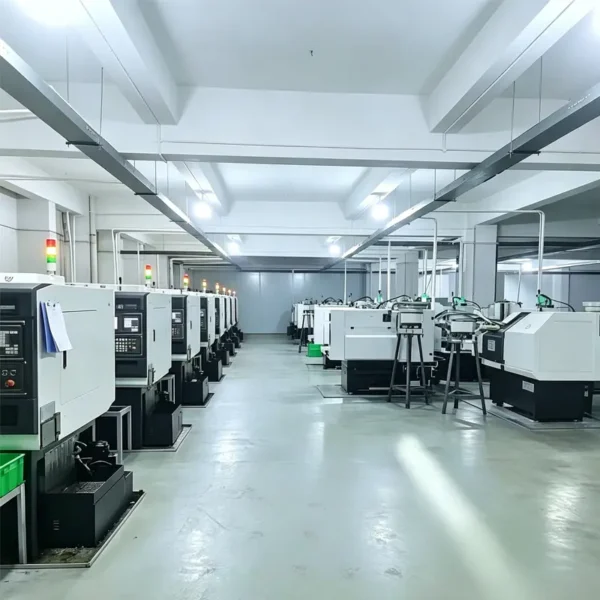

Outdoor material selection doesn’t stay contained to one SKU. It sits inside the same broader sustainable and durable materials evaluation bathroom brands are already running for the rest of their line, and the same compliance and corrosion-testing questions apply to any fixture line moving toward outdoor, marine, or high-humidity commercial environments — hospitality pool decks and spa areas being the most obvious next step for many bathroom brands already selling into hospitality projects, often through the same OEM product development process used for their core indoor range.
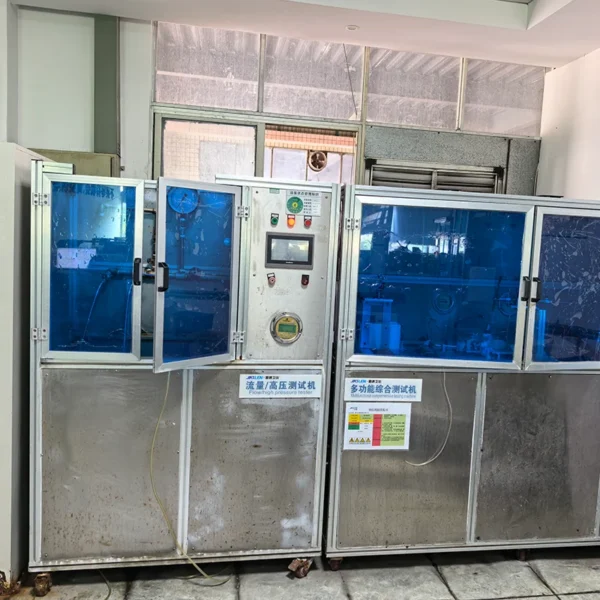
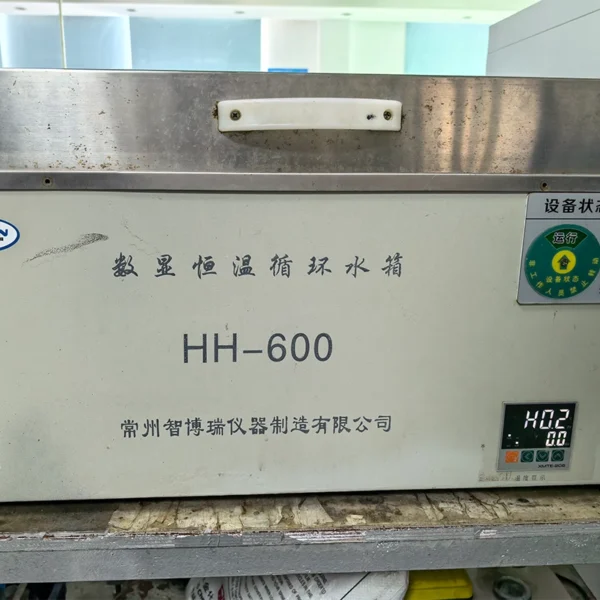
Brands that lock in a compliant, tested alloy now — rather than reacting after a market’s lead threshold changes — avoid re-tooling costs and re-certification delays later. It also becomes a genuine differentiator in supplier conversations: a brand that can show its outdoor line already meets the tighter NSF/ANSI/CAN 61 Q ≤ 1 limit and stays under REACH’s 0.1% lead threshold is positioned ahead of competitors who are still sourcing to the older, looser limits.
Q: Is stainless steel automatically a safer compliance choice than brass for outdoor fixtures? A: Not automatically — stainless steel avoids lead-leaching questions entirely, but it introduces its own spec variables (grade, weld quality, salt-air corrosion resistance) that need the same documentation and testing rigor as a brass alloy decision.
Q: Does a product that’s NSF/ANSI/CAN 61 certified in the US automatically satisfy REACH in the EU? A: No — the two standards test different things (lead leaching into water vs. total lead content by weight in the material), so a product can pass one and still need separate verification for the other.
Q: How often does REACH’s SVHC candidate list get reviewed for substances like lead? A: ECHA updates the candidate list on an ongoing basis as it evaluates new substances and reassesses existing ones, which is why brands sourcing for the EU should treat compliance as something to re-check periodically rather than confirm once.
Q: Does a lead-free alloy cost meaningfully more to produce? A: Cost impact varies by alloy and machining complexity; it’s a question to raise directly with a manufacturing partner against your specific fixture geometry rather than assume a flat premium.
Q: What’s the practical difference between a “lead-free” and “low-lead” brass claim? A: The terms aren’t standardized the same way across every supplier, so brands should ask for the specific certification (NSF/ANSI/CAN 61 designation, REACH lead percentage) behind the claim rather than take the label at face value.
Q: Should outdoor and indoor fixture lines use the same base alloy for brand consistency? A: Not necessarily — indoor and outdoor fixtures face different failure modes, so standardizing on one alloy across both can mean over-specifying (and over-paying for) the indoor line or under-specifying the outdoor one.
David Lin is a Materials & Compliance Engineer at JEKARE, where he works with OEM and ODM bathroom brands on alloy selection, finish specification, and regulatory documentation across the US, EU, and other export markets. His background spans metallurgy and manufacturing quality control, and he works closely with JEKARE’s tooling, machining, and testing teams to align material choices with certification requirements before a product line reaches production. He regularly advises brand and product teams on translating standards like NSF/ANSI/CAN 61 and REACH into practical sourcing decisions, and on building material specifications that hold up across both indoor and outdoor product categories.
1.Fortune Business Insights — Outdoor Kitchen Market Report
https://www.fortunebusinessinsights.com/outdoor-kitchen-market-112781
2.European Chemicals Agency (ECHA) — REACH Candidate List of Substances of Very High Concern
https://echa.europa.eu/candidate-list-table
3.NSF — Faucets and Plumbing Products (NSF/ANSI/CAN 61)
https://www.nsf.org/consumer-resources/articles/faucets-plumbing-products
4.ASTM International — ASTM B117, Standard Practice for Operating Salt Spray (Fog) Apparatus
https://store.astm.org/b0117-19.html
5.ANSI/ASSE — ASSE 1019, Performance Requirements for Wall Hydrant with Backflow Protection and Freeze Resistance
https://webstore.ansi.org/standards/asse-sanitary/asse10192011
Material compliance questions like these are usually easier to work through directly against a specific fixture design and target markets. Share your drawings or requirements for an initial engineering and manufacturing review.