Background:
The regulatory landscape for drinking water components is tightening globally. Anchored by recent updates to international health standards and increasing scrutiny from the
U.S. Environmental Protection Agency (EPA) WaterSense program, global bathroom and kitchen brands are facing a critical turning point. The days of treating kitchen faucet materials as a pure cost-reduction exercise are over.
For B2B buyers, product managers, and OEM distributors, the choice of Kitchen Faucet Materials translates directly into business impact. Selecting the wrong substrate does not just affect the visual finish; it impacts warranty claim rates, regulatory compliance, brand reputation, and the overall Product Lifecycle. The cost of a product recall or failed laboratory test far exceeds the initial savings from substituting inferior alloys.
The Shift in OEM Faucet Material Selection
Regulatory Drivers in the Plumbing Industry
Historically, the base material of a tap was primarily chosen based on its casting properties. Today, material selection is dictated by strict contaminant regulations. Faucets must pass stringent
NSF/ANSI 61 testing, which establishes minimum health-effects requirements for materials in contact with drinking water.
Impact on the Product Lifecycle
When developing an OEM Kitchen Faucet line, the base material dictates the manufacturing process, weight, and long-term durability. A product’s ability to resist internal corrosion over a 15-year lifespan is determined entirely in the engineering phase, making the evaluation of metals more critical than ever.
Evaluating Core Materials for B2B Kitchen Faucet Programs
The Dominance of Lead-Free Brass in Premium Fixtures
Brass remains the industry standard for premium fixtures. It offers excellent machinability and provides a stable base for electroplating. However, as regulations evolve, the focus has shifted entirely to Lead-free brass compositions to meet strict North American and European drinking water safety laws. Properly forged brass ensures structural integrity that prevents micro-cracks under high water pressure.
304 Stainless Steel for Durability and Compliance
The use of
304 Stainless Steel in the
Faucet Manufacturing Process is growing rapidly. Unlike plated brass, stainless steel is naturally lead-free and highly resistant to corrosion without the need for additional chemical plating. According to a recent
plumbing fixtures market report by Grand View Research, the shift toward sustainable and highly durable fixtures is accelerating, pushing brands to adopt stainless steel for commercial and heavy-use residential applications. It is often considered the foundation for the
best stainless steel kitchen faucets on the market.
Strategic Integration of Zinc Alloy
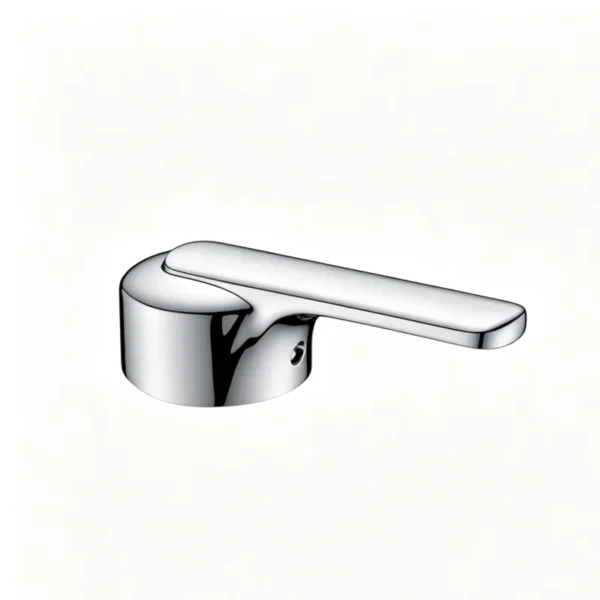
While the main body requires heavy-duty metals, Zinc Alloy is frequently integrated into non-waterway components, such as handles or escutcheon plates, to balance cost and functionality. Because it is highly malleable, it allows industrial designers to achieve sharp, complex angles that are difficult to forge in solid steel, without compromising the safety of the water path.
Utilizing ABS Plastics for Thermal Isolation
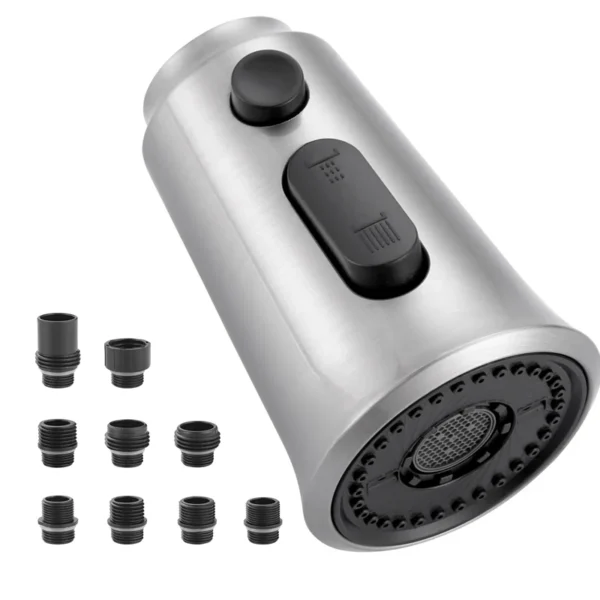
ABS plastic is commonly used for pull-out sprayheads. This is an engineering decision, not merely a cost-saving one: ABS provides thermal isolation, preventing heat transfer and protecting the user’s hand from scalding when running hot water through the sprayhead for extended periods.
The Real Cost of Material Non-Compliance
Navigating Strict Contaminant Regulations
Compliance failures are becoming a real sourcing risk for B2B buyers. A recent wave of warnings issued by consumer protection agencies regarding imported faucet brands leaching contaminants has highlighted the severe risks of poor material control. Navigating these regulations requires precise
CNC Machining and robust material traceability. If a factory cannot provide exact alloy composition certificates, the brand carries the regulatory risk.
Mitigating Long-Term Warranty Risks
Materials directly affect warranty viability. To confidently offer a
lifetime warranty on kitchen faucets, the underlying material must survive decades of thermal shock and chemical exposure. A faucet that fails early due to internal corrosion damages brand trust permanently.
JEKARE Perspective: What Buyers Are Actually Specifying
Shifting Demand in Commercial Projects
Commercial Faucet Materials are moving away from mixed-material assemblies. We observe buyers insisting on unified material structures to pass 48-hour Salt Spray Testing with zero degradation, ensuring consistent performance in high-humidity hospitality environments.
The Move Toward PVD Finishes on Stainless Substrates
For modern designs, applying a premium PVD Finish directly onto a 304 stainless steel substrate is becoming the preferred method for producing matte black, brushed gold, and gunmetal fixtures. This combination eliminates the risk of underlying brass oxidation if the surface coating is scratched.
The Importance of the Internal Ceramic Cartridge
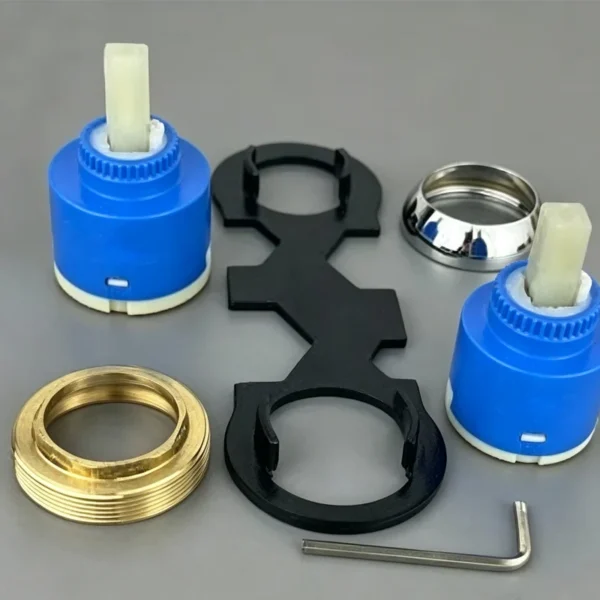
The external material is only half the story. The integration of a reliable Ceramic Cartridge determines the mechanical lifespan of the faucet, preventing leaks and ensuring smooth handle operation over millions of cycles.
For brands seeking a dependable OEM solution that navigates these material challenges, JEKARE developed the
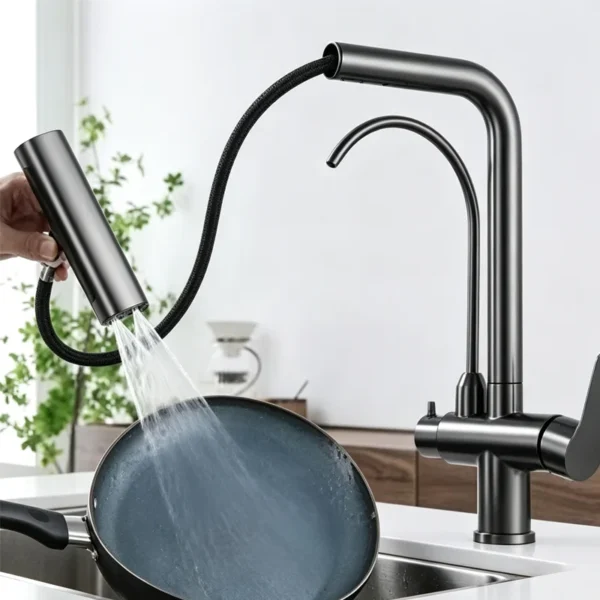
Custom Kitchen Tap With Pull Out Spray. Engineered with premium 304 stainless steel and lead-free brass waterways, this
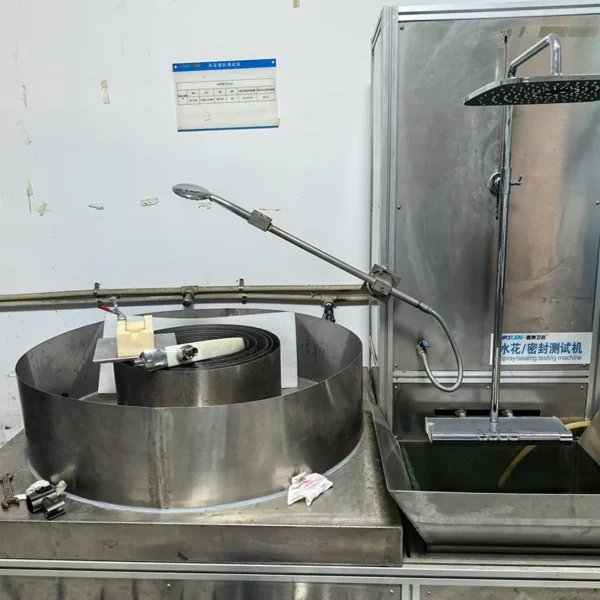
Brass vs Stainless Steel Faucet platform undergoes rigorous pressure and flow testing. It provides brands with stable mass production, repeatable spray performance, and full compliance documentation, reducing the time from prototype to market launch.
Practical Decision Framework for Sourcing Kitchen Faucets
Before finalizing a production order, purchasing managers should ask their manufacturing partner:
-
✓ Can the factory provide verified material composition reports for all brass and stainless steel components before mass production?
-
✓ Are the internal waterways certified to NSF/ANSI 61 and strict lead-free standards?
-
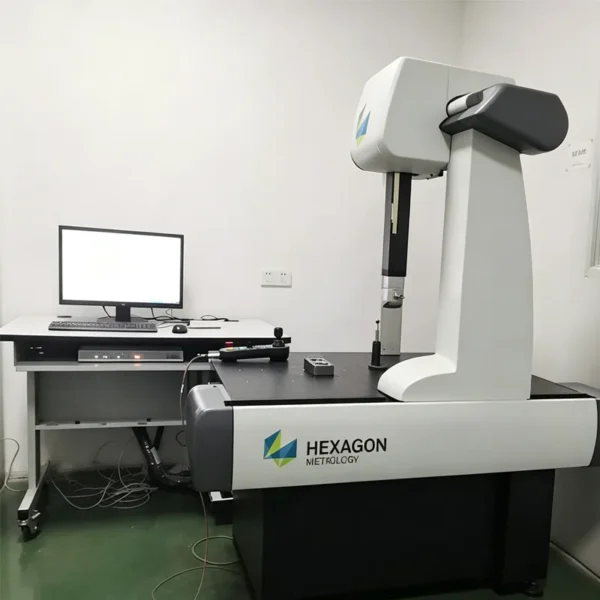
✓ Does the facility utilize high-precision CNC equipment to ensure consistent wall thickness?
-
✓ Will the finished product reliably pass 24-hour or 48-hour acid salt spray tests?
What This Means for Your Brand
The transition from basic material selection to compliance-driven engineering means that B2B Faucet Sourcing is no longer just about aesthetics. Choosing the right material substrate directly influences your brand’s ability to expand into strictly regulated markets, secure commercial project bids, and maintain profitable margins without the drag of high warranty replacement rates. Your manufacturing strategy must treat material selection as a foundational risk-management tool.
Conclusion
The materials used in kitchen faucets define everything from regulatory compliance to the tactile feel of the handle. As global standards become stricter, bathroom and kitchen brands must partner with OEM manufacturers who treat metallurgy and material science as a core competency, ensuring that every fixture looks premium on the outside and performs flawlessly on the inside.
FAQ
1. What materials are kitchen faucets made of?
Premium kitchen faucets are typically manufactured using lead-free brass or 304 stainless steel for the main body and internal waterways, paired with a ceramic cartridge for the valve, and often utilize thermally-insulating ABS plastic for pull-out sprayheads.
2. Why is 304 stainless steel increasingly popular in faucet manufacturing?
304 stainless steel is naturally lead-free, highly resistant to corrosion and acidic environments, and does not require chemical plating to protect the substrate, making it ideal for stringent drinking water regulations and heavy commercial use.
3. What is the role of a ceramic cartridge in a kitchen faucet?
The ceramic cartridge acts as the engine of the faucet, controlling water flow and temperature. High-grade ceramic discs are incredibly hard and resist wear, preventing leaks and ensuring smooth handle operation over hundreds of thousands of cycles.
4. How do lead-free regulations impact B2B faucet sourcing?
Regulations like NSF/ANSI 61 require brands to verify that no harmful contaminants leach into the drinking water. This forces B2B buyers to demand precise alloy composition reports and traceable material sourcing from their OEM partners, ruling out factories with poor quality control.
5. Can zinc alloy be used for the entire kitchen faucet?
No. While zinc alloy is highly malleable and excellent for casting complex handle shapes or exterior decorative plates, it is not suitable for internal waterways as it cannot withstand prolonged water pressure and is highly susceptible to internal corrosion over time.
About the Author
Sunny is a Senior Shower Systems Engineer at JEKARE with over 20 years of experience in sanitary ware product development and OEM manufacturing.He specializes in shower system engineering, water flow optimization, spray plate design, structural improvement, and compliance-driven product development.With extensive experience working with global bathroom brands and distributors, Sunny focuses on creating reliable, cost-effective bathroom solutions through engineering innovation and strict quality control.
References
-
U.S. Environmental Protection Agency (EPA) – WaterSense
https://www.epa.gov/watersense
-
Grand View Research – Plumbing Fixtures Market Report
https://www.grandviewresearch.com/industry-analysis/plumbing-fixtures-fittings-market
-
NSF International – NSF/ANSI 61 Drinking Water System Components
https://www.nsf.org/knowledge-library/nsf-ansi-61-drinking-water-system-components-health-effects
Why Global Bathroom Brands Choose JEKARE
✔ 20+ Years of OEM & ODM Manufacturing Experience
✔ Complete Shower, Faucet and Bathroom Product Solutions
✔ Professional Engineering Support from Design to Production
✔ Strict Quality Control and Product Testing
✔ Flexible Customization for Different Markets
✔ Reliable Manufacturing Partner for Global Distributors and Brands
Whether you need custom shower systems, faucets, toilet seats, or complete bathroom solutions, JEKARE provides engineering-driven OEM manufacturing support from concept development to mass production.Contact our team to discuss your next bathroom product project.