Call us: +86-18965139230 | Mail to us: info@jekare.com

The global faucet market was valued at USD 23.28 billion in 2024 and is projected to reach USD 36.69 billion by 2030, growing at a CAGR of 8.0%, according to Grand View Research. As more suppliers enter this expanding market, buyer due diligence has become more important, not less — a wider supplier pool means a wider range of actual process and material discipline behind products that can look nearly identical on a spec sheet.
Faucet components in contact with drinking water are commonly evaluated against NSF/ANSI 61, the standard establishing minimum health-effects requirements for materials and components that could impart contaminants into drinking water. This standard exists because faucet material composition is not a cosmetic detail — it’s a health and safety requirement with real regulatory consequences when it fails.
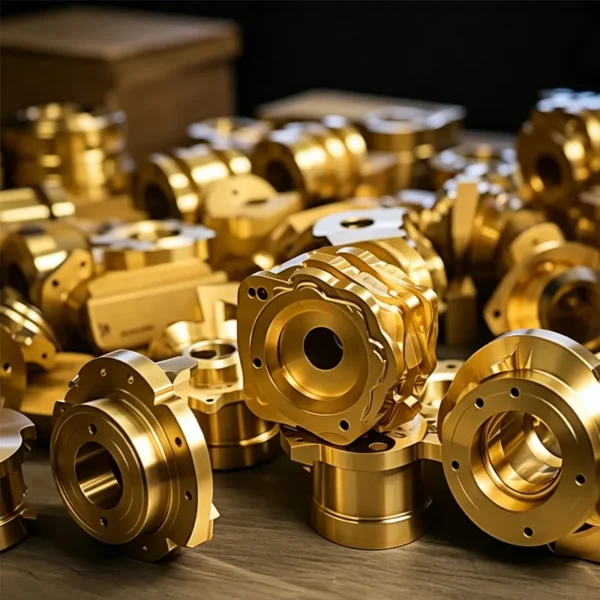
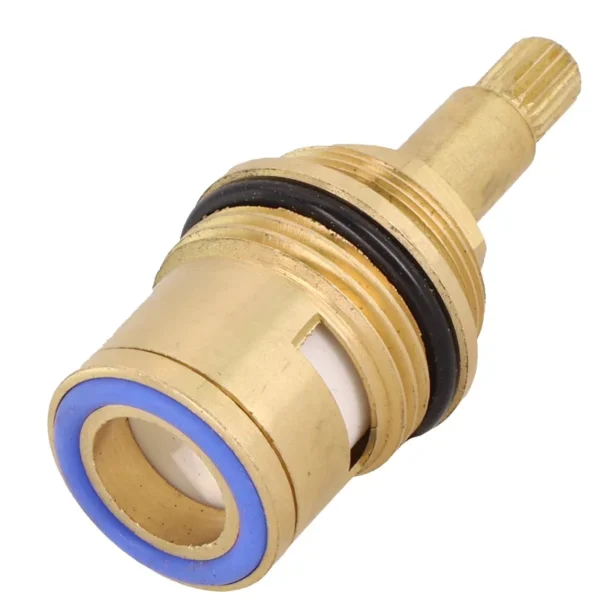
A “design disaster” in sink faucets isn’t only a leaking cartridge or an awkward spout angle — the most severe and costly version is a material or compliance failure discovered after a product is already in the market, generating a recall rather than a warranty claim.
When a recalled faucet is traced back through the supply chain, the brand selling it — not just the manufacturer — bears the consumer-facing reputational damage, regardless of where in the supply chain the actual failure originated.
The pattern behind recent faucet safety failures isn’t a single design flaw repeated across products — it’s a sourcing pattern: low-cost products entering the market without independent, product-specific verification of the compliance claims made about them.
In May 2025, the U.S. Consumer Product Safety Commission issued a series of warnings and recalls covering multiple Chinese-made faucet brands sold on Amazon.com — including CPSC’s warning regarding VFAUOSIT brand kitchen faucets — after testing found the products leached lead and other contaminants into water at levels harmful to young children. The recalls affected an estimated 103,000 units across multiple brands and models, a scale that reflects a systemic sourcing gap, not an isolated incident.
Notably, one of the affected companies stated publicly that “NSF 61 permits testing of one model to also represent testing of similar models,” and that it therefore did not have product-specific test data on hand for the exact recalled model — a defense that CPSC did not accept. This is a critical distinction for B2B buyers: a supplier’s claim that a product is covered by NSF/ANSI 61 testing on a “similar” or “representative” model is not the same as product-specific verification, and the gap between those two claims is exactly where this kind of failure originates.
This isn’t a theoretical concern — it’s the specific mechanism that produced a real, large-scale recall. Buyers relying on a supplier’s general compliance assurance, without confirming the assurance applies to the exact product and model being ordered, are exposed to the same risk that materialized in these 2025 cases.
Over the past several years, JEKARE’s engineering team has worked with global bathroom brands, distributors, and sourcing partners evaluating sink faucet programs across different markets. A consistent challenge we have observed during supplier qualification is that many buyers initially focus on visible specifications — faucet style, finish options, cartridge type, and unit price — while material compliance documentation is reviewed only after sampling or production discussions begin.
A recurring issue is the difference between general compliance claims and product-specific verification. Some suppliers provide certificates covering a product family or similar models, but buyers may not confirm whether the documentation applies to the exact faucet model, material composition, and finish combination being purchased.
From a manufacturing perspective, compliance risk is often created much earlier than the final inspection stage. Material selection, brass composition control, casting process stability, surface treatment, and component selection all influence whether a finished faucet can consistently meet market requirements.
During JEKARE’s OEM/ODM development process, our engineering team focuses on integrating compliance considerations into the product development stage — including material verification, production process review, and quality documentation preparation before mass production begins. This approach helps brands evaluate not only whether a faucet looks correct in a sample approval stage, but whether the manufacturing process behind that product can consistently support long-term supply.
For B2B buyers, the key lesson is that supplier qualification should not end with a product sample or specification sheet. A reliable faucet manufacturing partner should be able to provide traceable documentation, explain the manufacturing controls behind the product, and support verification requirements specific to the target market before commercial launch.

Ask explicitly whether material safety test data covers the exact model and finish being ordered, or a “representative” or “similar” model — and request the specific test report referencing the actual product, not a general compliance statement.
Where a public certification directory exists, check it directly rather than relying solely on a supplier-provided certificate — the disconnect between claimed and actual compliance is precisely what recent recalls have exposed.
Beyond material safety, review cartridge seating tolerances, spout swivel mechanism durability, and mounting hardware compatibility during the sampling stage — these are the design details most likely to generate warranty claims even when material compliance is sound.
Specify product-specific testing requirements and documentation explicitly in the purchase order itself, rather than treating compliance verification as an informal side conversation that can be skipped under time pressure.
The 2025 faucet recalls demonstrate that sourcing based on price and a general compliance assurance carries real, materialized risk — not a hypothetical one. A brand’s exposure here doesn’t disappear because a supplier made a compliance claim; it disappears only when that claim is independently verified against the specific product being sold.
More broadly, as the faucet market continues to grow and attract a wider range of suppliers with varying process discipline, verification-driven sourcing — insisting on product-specific documentation rather than accepting general assurances — is becoming a genuine competitive differentiator for brands that want to avoid becoming the next recall notice.
JEKARE’s faucet product line is produced under ISO 9001-certified quality management processes, with material and finish testing conducted through JEKARE’s quality inspection process — addressing directly the product-specific verification gap that recent recalls have shown to be a real, materialized risk rather than a theoretical one.
At least four specific factors worth weighing when evaluating a sink faucet manufacturing partner against this risk: first, in-house material and finish testing that supports product-specific documentation rather than relying on representative-model claims; second, engineering coordination through JEKARE’s OEM/ODM project process that addresses cartridge and hardware design questions before mass production, not after field failures surface; third, consistent process control across production runs rather than variable quality between batches; and fourth, documentation buyers can request and verify directly as part of their own supplier qualification process, rather than accepting an unverifiable general assurance.
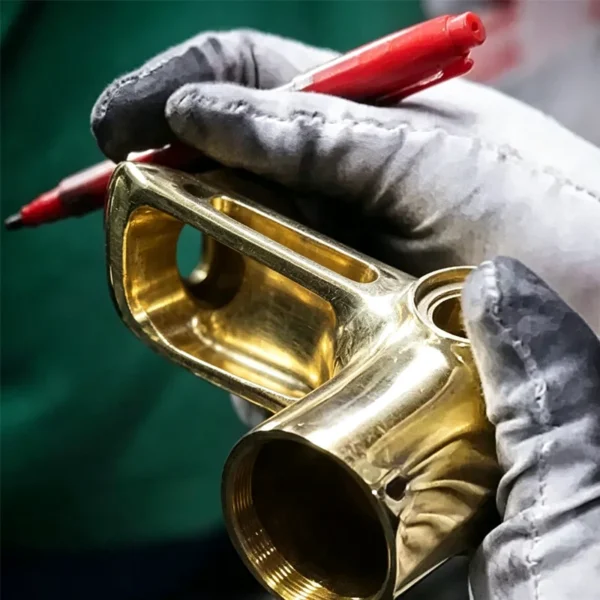

Sink faucet “design disasters” increasingly aren’t cosmetic missteps — the most costly version, as 2025’s CPSC recalls demonstrate, is a material compliance failure that reaches consumers because a supplier’s compliance claim wasn’t verified against the actual product being sold. For B2B buyers, the practical takeaway is that verification-driven sourcing — insisting on product-specific test documentation and checking it independently — is no longer optional diligence; it’s the difference between a normal supplier relationship and a recall a brand can’t undo.
Not automatically, but the pattern in recent recalls specifically involved low-cost products sold through marketplace channels without independent verification — price alone isn’t the risk factor, but price without accompanying product-specific documentation is.
Request the test report itself and check that the model number and finish listed match the exact product being ordered — a general compliance statement or logo on packaging doesn’t confirm this on its own.
Generally yes for material safety testing specifically, since finish processes can introduce different surface materials in contact with water — testing should confirm compliance for the specific finish being sourced, not just the base design.
This is a legal and safety question that should be escalated to qualified counsel and the relevant regulatory body promptly rather than handled informally — the CPSC recall process exists specifically for situations like this.
It reduces but doesn’t eliminate the risk — the responsibility for product-specific verification remains with the buyer regardless of supplier size, which is why requesting and independently checking documentation matters regardless of how established a specific supplier appears to be.
Mike is a Senior Faucet Engineer at JEKARE with over 20 years of experience in bathroom and kitchen faucet development and OEM manufacturing. He specializes in material compliance verification, cartridge and hardware design, and quality documentation across faucet product lines. With extensive experience supporting global bathroom brands and distributors through supplier qualification, Mike focuses on helping buyers distinguish between verifiable, product-specific compliance documentation and general assurances that don’t hold up under scrutiny.
✔ 20+ Years of OEM & ODM Manufacturing Experience
✔ ISO 9001-Certified Quality Management Processes
✔ Product-Specific Material and Finish Testing Documentation
✔ Engineering Support From Design Through Mass Production
✔ Consistent Process Control Across Full Production Runs
✔ Reliable Manufacturing Partner for Global Distributors and Brands
Whether you’re re-evaluating an existing faucet supplier’s compliance documentation or sourcing a new sink faucet program, JEKARE provides engineering-driven OEM manufacturing support from concept development through mass production.Contact our team to discuss your next bathroom product project.