Call us: +86-18965139230 | Mail to us: info@jekare.com

The global faucet market was valued at USD 23.28 billion in 2024 and is projected to reach USD 36.69 billion by 2030, growing at a CAGR of 8.0%, according to Grand View Research. Within that market, faucets are built around several genuinely different valve technologies — compression (washer-based), ball, cartridge, and ceramic disc — each with a distinct mechanical wear pattern and, correspondingly, a distinct characteristic leak cause.
Treating “leaky faucet” as a single category obscures the fact that the actual failure mechanism differs meaningfully depending on which valve technology a specific faucet uses — a distinction that matters for both diagnosing existing warranty patterns and specifying a new product’s valve type during development.
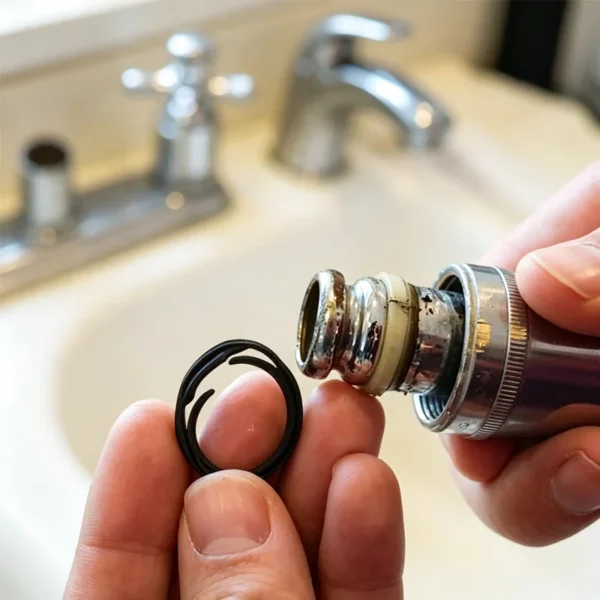
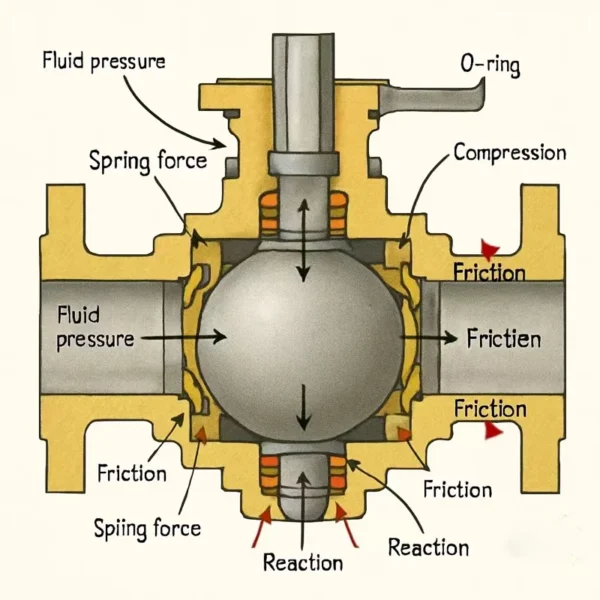
A brand’s choice of valve technology at the product development stage isn’t just a cost or feel decision — it directly determines which failure mode the finished product will be prone to years down the line, and how frequently that failure is likely to occur.
A generic “faucet leak” warranty entry doesn’t tell a brand much on its own — but knowing the valve type behind that leak narrows the likely cause to a specific, predictable failure mechanism, which is far more actionable for supplier conversations.
Older compression (washer-based) valve designs are inherently more leak-prone over time because they rely on a rubber washer compressing against a valve seat, a wear mechanism absent in ball, cartridge, and ceramic disc designs — meaning valve type alone can predict a meaningfully different long-term leak rate for otherwise similar-looking products.
Compression (washer) valves fail primarily through washer wear and valve seat corrosion, requiring periodic washer replacement as an inherent maintenance need rather than a defect. Ball valves rely on a rotating ball with springs and seats that can wear or lose tension over time. Cartridge valves depend on O-ring seals within the cartridge assembly that can degrade. Ceramic disc valves, addressed in part under EN 817‘s broader mechanical mixing valve testing framework, generally offer the most consistent long-term seal performance since the disc surfaces themselves — rather than a compressible washer — form the seal.
Regardless of internal valve technology, finished faucet fittings are evaluated against ASME A112.18.1/CSA B125.1, which sets leak and pressure performance requirements for the assembled fitting. This gives buyers a consistent external benchmark to request test data against, even when comparing products built around different internal valve mechanisms.
Internal valve components in contact with potable water — seats, washers, O-rings, and disc surfaces — fall under material safety requirements addressed by NSF/ANSI 61, which is a separate compliance question from mechanical leak resistance but relevant since material degradation of these components is itself a contributing cause of leaks that develop over a product’s service life.
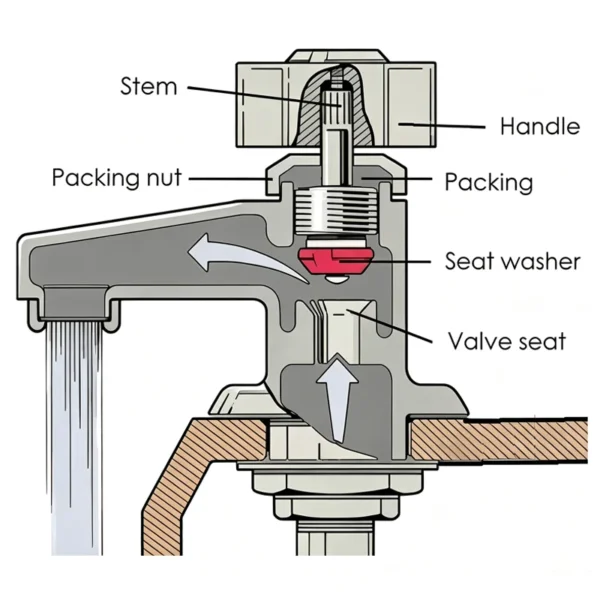
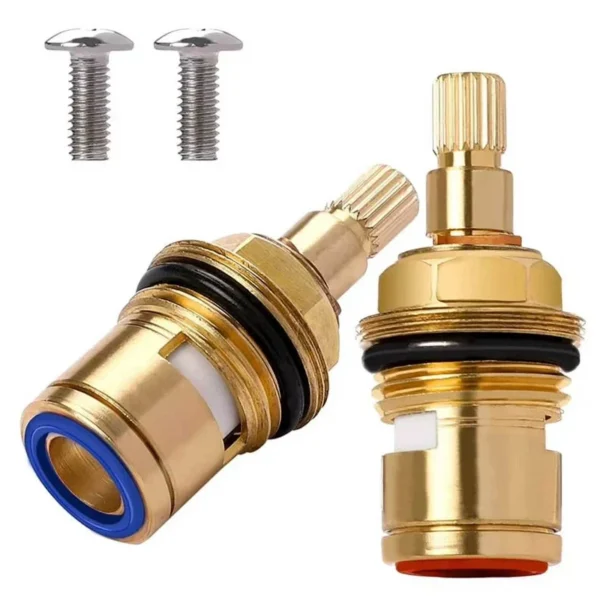
In faucet product development, leak-related issues are often evaluated too broadly, while the actual failure mechanism is usually connected to the specific valve technology selected for the product.
From a manufacturing and engineering perspective, valve selection should be considered during the early product development stage rather than treated as a component decision after the faucet design is completed. Different valve structures — including compression, ball, cartridge, and ceramic disc systems — have different wear characteristics, testing requirements, and long-term maintenance expectations.
For bathroom brands and distributors, understanding the relationship between valve technology, product positioning, and expected service performance helps create more accurate specifications, improve quality control planning, and reduce unexpected warranty risks after market launch.
When evaluating recurring leak complaints from an existing supplier, confirm the specific valve type involved before assuming a general quality issue — the appropriate fix and expected recurrence rate differ meaningfully by valve technology.
Recognize that valve type selection during product development is a genuine tradeoff between upfront cost and long-term leak-related warranty exposure — a lower-cost compression valve may suit a value-tier product where periodic washer replacement is an accepted maintenance expectation, while ceramic disc technology better suits a premium positioning built around reduced service calls.
Ask a manufacturer for test data specific to the valve type used — cycle testing for cartridge and ball valves, disc endurance data for ceramic disc valves — rather than accepting a general ASME A112.18.1 compliance statement without valve-specific detail.
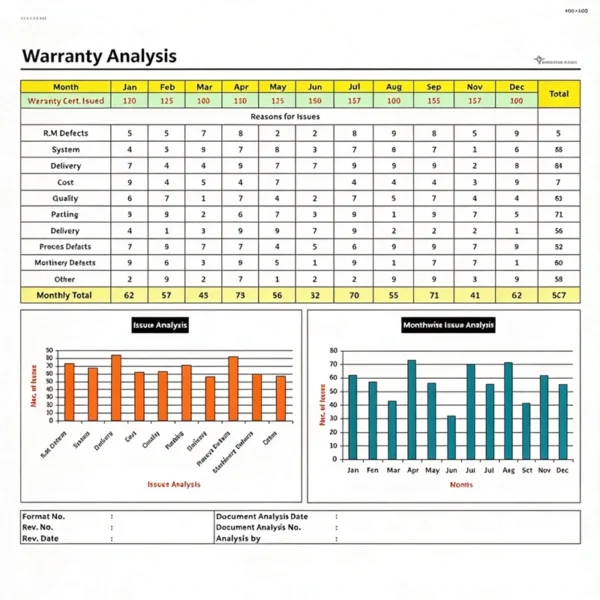
If a brand’s catalog spans multiple valve technologies, segment warranty and return data by valve type specifically — this reveals whether a leak problem is isolated to one valve technology or spread evenly, which points to different root causes.
Valve type connects directly to a brand’s long-term warranty cost structure and customer trust in a way that’s often decided early in product development and then effectively locked in for the product’s life. A brand that understands the characteristic failure mode of its chosen valve technology can set accurate customer expectations and warranty terms, rather than being surprised by a leak pattern that valve-type data would have predicted from the start.
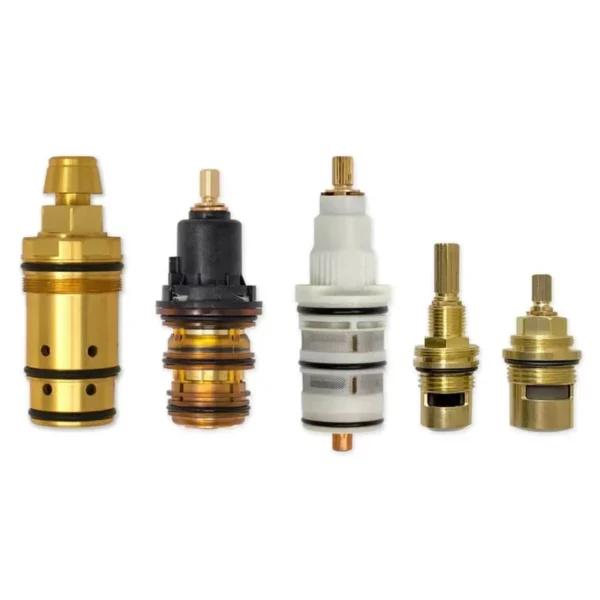
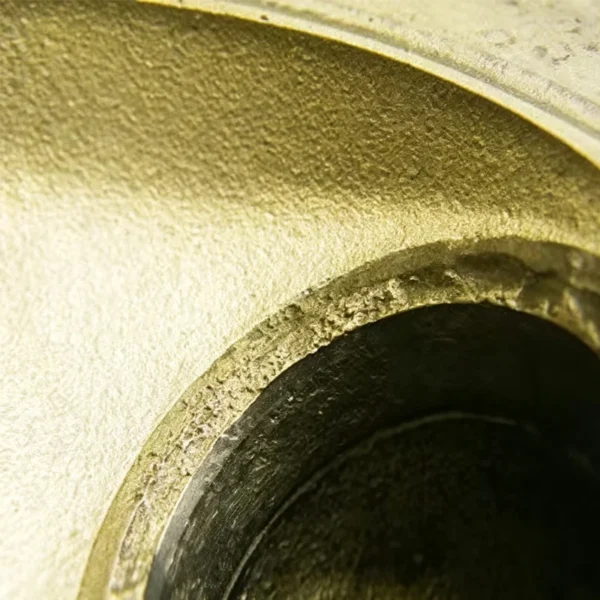
JEKARE’s faucet product line, including the single-handle hot-and-cold kitchen faucet, integrates ceramic cartridge and disc valve technology selected for long-term seal consistency rather than defaulting to a single valve type across the entire catalog. Buyers weighing valve technology tradeoffs in more depth can review JEKARE’s breakdown of ceramic, ball, cartridge, and thermostatic valve types directly.
JEKARE’s quality inspection process evaluates leak and pressure performance specific to the valve type in a given product, and brands developing a new faucet program can coordinate valve technology selection against target price point and warranty positioning directly through JEKARE’s OEM/ODM project process.
What causes a leaky faucet depends fundamentally on which valve technology the product uses — compression valves wear through washer degradation, ball and cartridge valves through O-ring and seat wear, and ceramic disc valves through the comparatively rare failure of the disc surfaces themselves. For B2B buyers, the practical takeaway is to diagnose leak patterns by valve type specifically, and to treat valve technology selection during product development as a deliberate tradeoff between cost and long-term leak-related warranty exposure, not a default decision.
It depends on product positioning and price point — ceramic disc generally offers better long-term seal consistency, but for a value-tier product where periodic maintenance is an accepted part of the customer relationship, a lower-cost valve type may be the more appropriate choice.
Not necessarily — washer wear is an inherent characteristic of compression valve design, not a manufacturing defect, which is why understanding valve type matters for setting accurate customer and warranty expectations from the start.
Yes — mineral scale buildup can affect valve seats and moving parts differently depending on design; ball and compression valves with more moving mechanical parts can be more susceptible to scale-related sticking than ceramic disc designs.
Ask directly which valve technology the general ASME A112.18.1 compliance statement covers, and request the underlying test report — a supplier with genuine valve-specific testing data should be able to provide detail beyond a general pass/fail certificate.
Not necessarily — different price tiers and product positioning within a single brand’s catalog may reasonably use different valve technologies, provided the tradeoff is a deliberate decision rather than an inconsistency the brand hasn’t examined.
Mike is a Senior Faucet Engineer at JEKARE with over 20 years of experience in bathroom and kitchen faucet development and OEM manufacturing. He specializes in valve technology selection, mechanism-specific durability testing, and warranty data diagnostics across faucet product lines. With extensive experience supporting global bathroom brands through supplier quality evaluation, Mike focuses on helping buyers connect leak complaint patterns back to the specific valve technology driving them.
✔ 20+ Years of OEM & ODM Manufacturing Experience
✔ Valve Technology Selection Matched to Product Positioning
✔ Ceramic Cartridge and Disc Valve Engineering
✔ Complete Faucet, Shower, and Accessory Solutions
✔ Testing Documentation Specific to Valve Type
✔ Reliable Manufacturing Partner for Global Distributors and Brands
Whether you’re diagnosing a recurring leak pattern by valve type or selecting valve technology for a new faucet program, JEKARE provides engineering-driven OEM manufacturing support from concept development through mass production.Contact our team to discuss your next bathroom product project.