Call us: +86-18965139230 | Mail to us: info@jekare.com

The global faucet market was valued at USD 23.28 billion in 2024 and is projected to reach USD 36.69 billion by 2030, growing at a CAGR of 8.0%, according to Grand View Research. Amid that growth, cartridge quality — the internal mechanism controlling water flow and temperature — tends to get far less scrutiny during sourcing than base material or finish, even though it’s frequently the component most responsible for post-sale product failures.
Cartridge and mixing valve endurance is a formally testable, standardized characteristic, not a vague durability claim. The fact that dedicated standards exist specifically for this component — separate from general faucet fitting standards — reflects how often cartridge performance, not the faucet body, determines a product’s actual field lifespan.
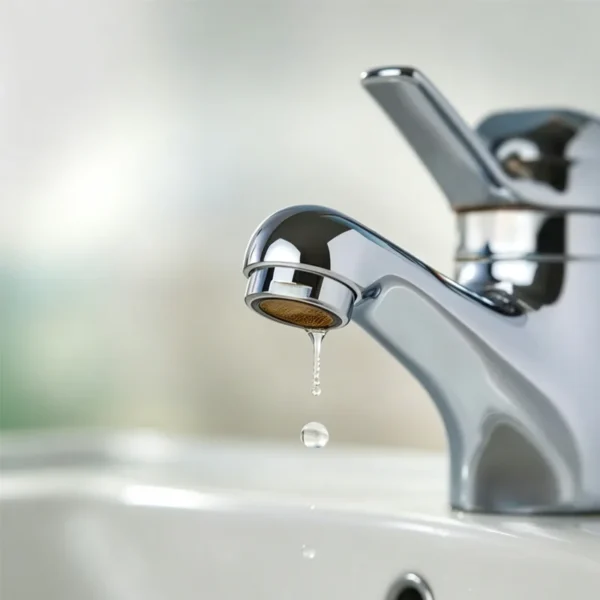
A leaking or stiff faucet handle, a temperature control that drifts, or a lever that no longer holds position typically traces back to the cartridge, not the faucet body or finish — meaning cartridge quality disproportionately drives warranty cost relative to its share of the total product.
A brand tracking cartridge-related warranty claims over time has a real diagnostic tool available — a rising failure rate on a specific cartridge source is a direct signal about that supplier’s process consistency, independent of anything visible on a finished product’s spec sheet.
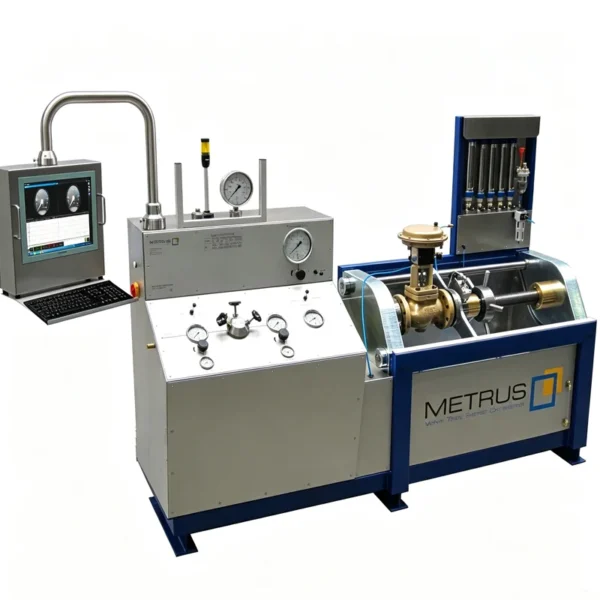
Cartridge endurance standards are commonly evaluated through type testing — verifying that a specific design meets stated performance under controlled lab conditions — which confirms the design is capable of the claimed endurance, but doesn’t independently verify that every unit coming off a production line matches that tested sample.
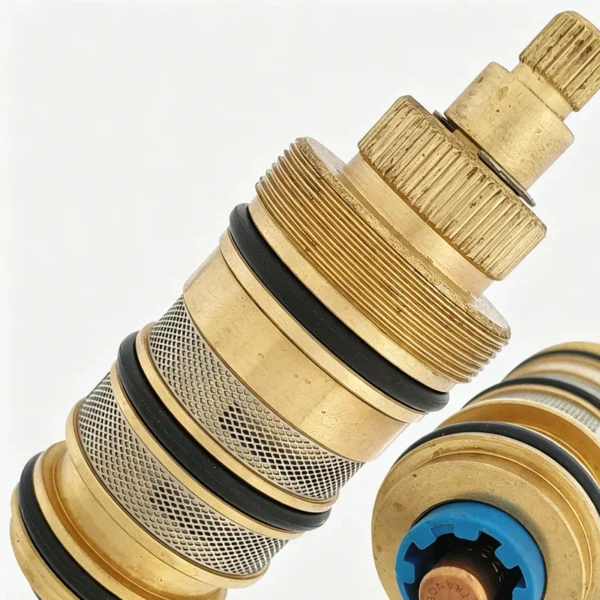
In Europe, mechanical mixing valves — covering ceramic disc, cartridge, and compression valve types — are evaluated against EN 817, which governs dimensional, leak-tightness, pressure resistance, hydraulic performance, mechanical endurance, and acoustic characteristics. This gives buyers a specific, named reference point for cartridge endurance claims, distinct from general faucet body or finish standards.
In North America, faucet fittings — including the cartridge and valve mechanism — fall under ASME A112.18.1/CSA B125.1, the plumbing supply fittings standard setting performance requirements for these components. A cartridge tested and compliant under EN 817 for a European program isn’t automatically verified under the ASME/CSA standard for a North American one — these are distinct technical requirements that should be confirmed separately for each target market.
Beyond mechanical endurance, cartridge and internal valve components in contact with potable water are commonly evaluated against NSF/ANSI 61, the standard establishing minimum health-effects requirements for materials that could impart contaminants into drinking water — a separate compliance question from mechanical cycle life, and one that applies specifically to the cartridge’s wetted components.
Over the past years, our engineering team has reviewed faucet development requirements from global bathroom brands, distributors, and project buyers, and one recurring sourcing challenge is that cartridge performance is often evaluated after the faucet body, finish, and appearance have already been approved.
In many product reviews, buyers initially focus on visible specifications such as brass construction, surface finish, handle design, or packaging requirements. However, when warranty feedback is analyzed, recurring issues such as handle stiffness, inconsistent temperature control, dripping after extended use, or reduced operating smoothness are frequently connected to the cartridge and internal valve mechanism rather than the external faucet structure.
During OEM faucet development projects, JEKARE’s engineering team evaluates cartridge selection as an independent performance factor — including compatibility with the faucet body design, operating cycle requirements, material safety considerations, and target-market testing expectations. Instead of treating the cartridge as a standard purchased component, we coordinate cartridge selection, testing requirements, and production verification together during the product development stage.
This approach helps brands move from simply specifying a faucet appearance to building a more complete product qualification process, where cartridge performance, production consistency, and long-term service reliability are considered before mass production begins.
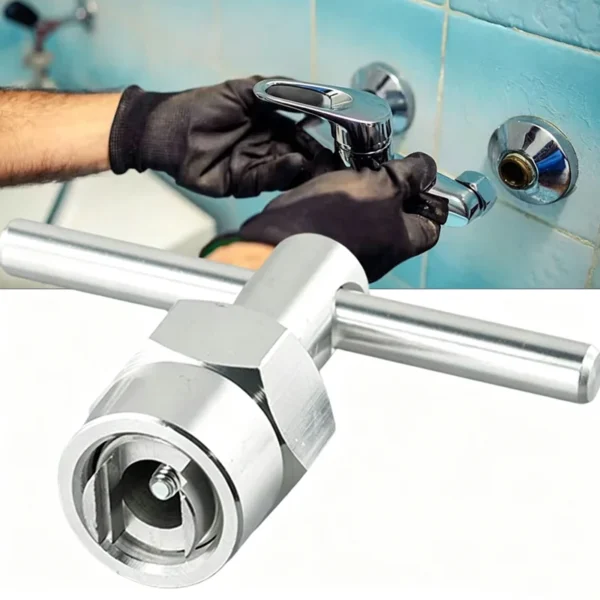
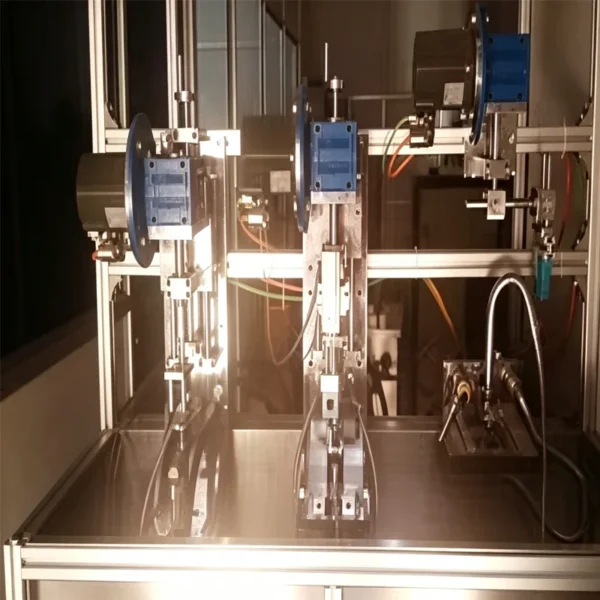
Categorize warranty and return data by failure component, not just total return rate — a rising cartridge-specific failure trend is a distinct signal that a general “defect rate” metric can obscure.
Ask a manufacturer or cartridge supplier for cycle-test results referencing EN 817, ASME A112.18.1, or the applicable standard for your target market — not a general “long-lasting cartridge” claim without a named test basis.
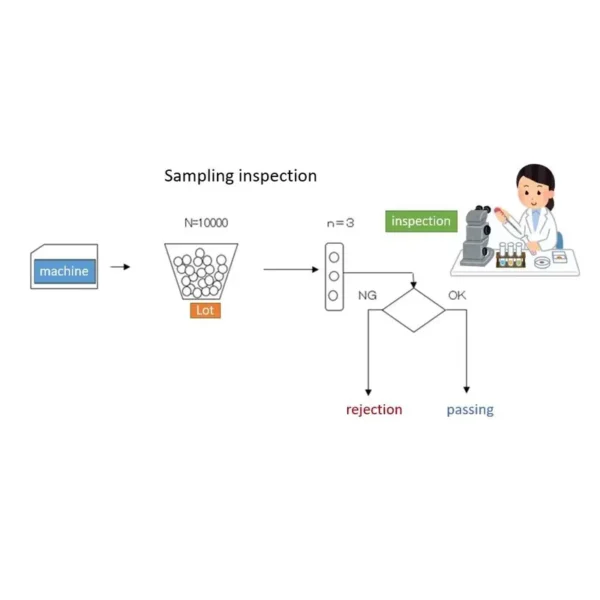
Since a type test confirms a design’s capability rather than every individual unit’s performance, ask specifically how a supplier verifies ongoing production consistency against the originally tested design — sampling frequency, in-process checks, or batch testing procedures.
Treat cartridge sourcing — whether integrated with the faucet manufacturer or sourced from a specialized cartridge supplier — as a distinct evaluation point, since cartridge quality doesn’t automatically track with the faucet body manufacturer’s general reputation.
Cartridge quality connects directly to a brand’s actual post-sale cost structure and customer trust, in a way that’s often disconnected from how faucet suppliers are initially evaluated during sourcing. A brand that tracks cartridge-specific failure data over time, and uses it to inform supplier decisions, moves from reactive warranty handling to a genuinely predictive supplier evaluation process.
More broadly, as cartridge endurance becomes something buyers can request specific, standard-referenced documentation for — rather than accepting a general durability claim — brands able to supply that documentation credibly have a real differentiator with retail and hospitality customers who are increasingly asking for it.
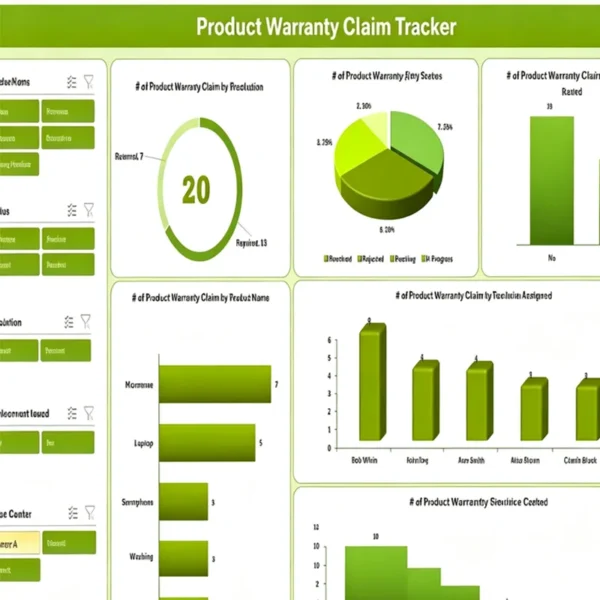
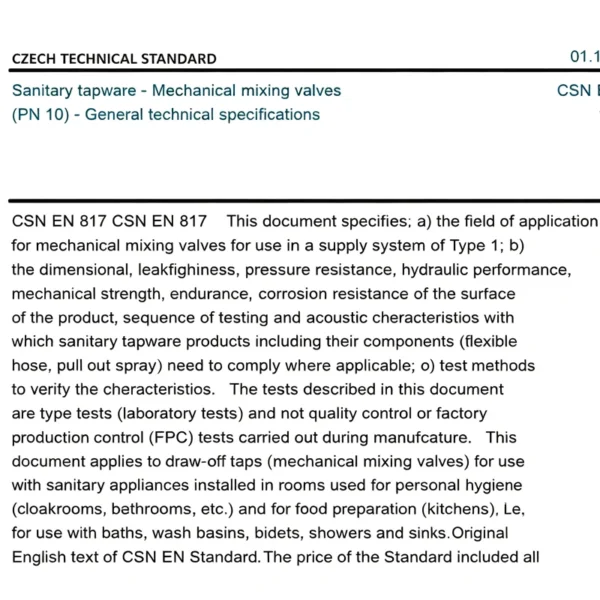
JEKARE’s faucet product line, including the single-handle hot-and-cold kitchen faucet, integrates ceramic cartridge technology selected specifically for consistent operation under repeated daily use — directly addressing the mechanical endurance question that drives the largest share of faucet-related warranty claims. Buyers evaluating cartridge and valve technology options in more depth can review JEKARE’s own breakdown of ceramic, ball, cartridge, and thermostatic valve types.
JEKARE’s quality inspection process evaluates cartridge function as part of standard product qualification, and brands developing a new faucet program can coordinate cartridge selection and testing documentation directly through JEKARE’s OEM/ODM project process — giving buyers a documented basis for cartridge performance claims rather than a general assurance.
Faucet cartridge replacement patterns are a genuine diagnostic signal about supplier quality, not just an ongoing cost line to manage. Standards like EN 817 and ASME A112.18.1 give buyers a specific, testable reference point for cartridge endurance — but because type testing verifies a design rather than every production unit, ongoing production verification matters as much as the initial test result. For B2B buyers, the practical takeaway is to treat cartridge sourcing as its own evaluation point, tracked with its own failure data, rather than an assumed component of general faucet quality.
No — type testing confirms the tested design meets stated performance under lab conditions, but doesn’t independently verify every production unit matches that result; ongoing production verification is a separate question worth asking a supplier about directly.
Ceramic disc cartridges are widely used for their durability and consistent operation, but actual performance still depends on manufacturing quality and material grade — requesting cycle-test data from a specific supplier is more reliable than assuming all ceramic cartridges perform equivalently.
This depends on the specific cartridge and faucet body design — dimensional and mounting compatibility need to be confirmed explicitly, since cartridges aren’t universally interchangeable across faucet body designs without verification.
Treat it as unverifiable until the manufacturer specifies which standard and test parameters the figure is based on — a cycle number alone, without a named test method, doesn’t indicate whether it reflects a rigorous or informal testing process.
No — NSF/ANSI 61 addresses material safety and health effects specifically, not mechanical cycle life; a cartridge needs to satisfy both material safety and mechanical endurance standards independently, since they address different aspects of performance.
Mike is a Senior Faucet Engineer at JEKARE with over 20 years of experience in bathroom and kitchen faucet development and OEM manufacturing. He specializes in cartridge and valve mechanism engineering, endurance testing, and material compliance documentation across faucet product lines. With extensive experience supporting global bathroom brands and distributors through supplier qualification, Mike focuses on helping buyers evaluate cartridge quality with the same rigor typically applied to faucet body material and finish.