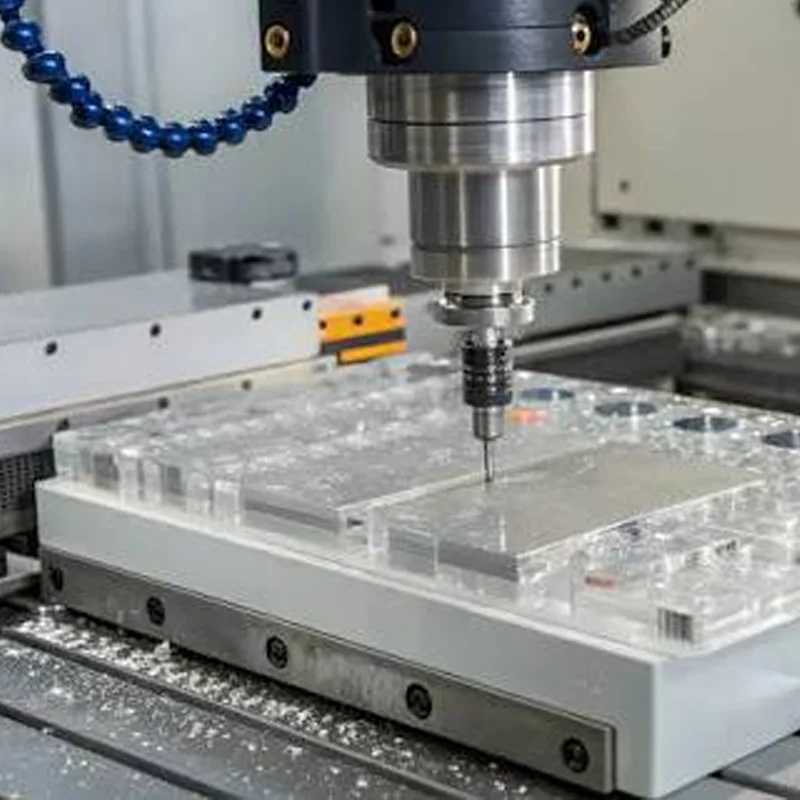
Polycarbonate (PC) is a high-performance engineering thermoplastic known for its exceptional impact resistance, heat resistance, transparency, and dimensional stability. Compared with standard plastics such as ABS and PP, PC is selected for bathroom applications where higher mechanical performance, thermal stability, or optical properties are required.
In bathroom product development, PC is commonly used for smart bathroom components, electronic housings, transparent covers, high-impact structural parts, and precision plastic components.
This PC material guide from
JEKARE, a professional
OEM bathroom plastic parts manufacturer, explains polycarbonate properties, manufacturing considerations, application requirements, and selection factors for OEM bathroom product development.
1. PC Material Properties Overview
Polycarbonate (PC) is an amorphous engineering plastic offering an excellent combination of strength, transparency, and thermal performance.
PC Material Performance Summary
PC: Impact resistance Excellent, Heat resistance Excellent, Transparency Excellent, Dimensional stability Good, Chemical resistance Medium, Moisture resistance Good, Surface appearance Excellent, Injection molding Requires strict parameter control, Cost level Medium-High
Quick guidance: choose PC when your product requires high impact resistance, heat resistance, transparent appearance, precision structural performance, and protection for electronic components.
2. Impact Resistance & Mechanical Performance
One of PC’s biggest advantages is its exceptional impact resistance — significantly tougher than many common plastics, and often selected where component failure could affect product reliability.
- Impact performance advantages: high impact strength, crack resistance, long-term durability, structural reliability.
- Suitable applications: protective covers, electronic housings, smart bathroom components, high-stress structural parts.
- Engineering considerations: design should account for stress concentration areas, wall thickness, mounting points, and assembly loads, supported by our professional DFM review service.
3. Heat Resistance & Thermal Performance
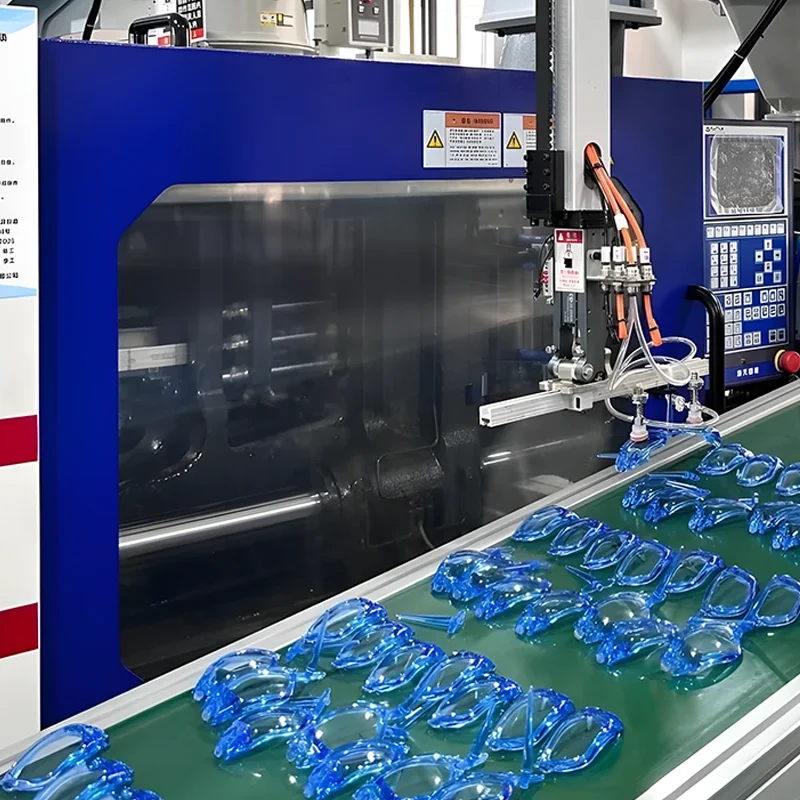
PC provides excellent thermal performance compared with standard plastics, making it suitable for bathroom products exposed to heating elements, hot water environments, and temperature cycling. PC maintains mechanical strength, dimensional stability, and structural integrity under elevated temperatures.
Suitable applications: heated toilet seat components, smart bathroom housings, electrical protection parts, heat-exposed structures matched with
PBT and ABS toilet seat parts.
Engineering considerations: for heated applications, evaluate continuous operating temperature, thermal expansion, long-term aging, and interface tolerance. All thermal performance tests are completed in our
in-house quality testing laboratory.
4. Transparency & Appearance Performance
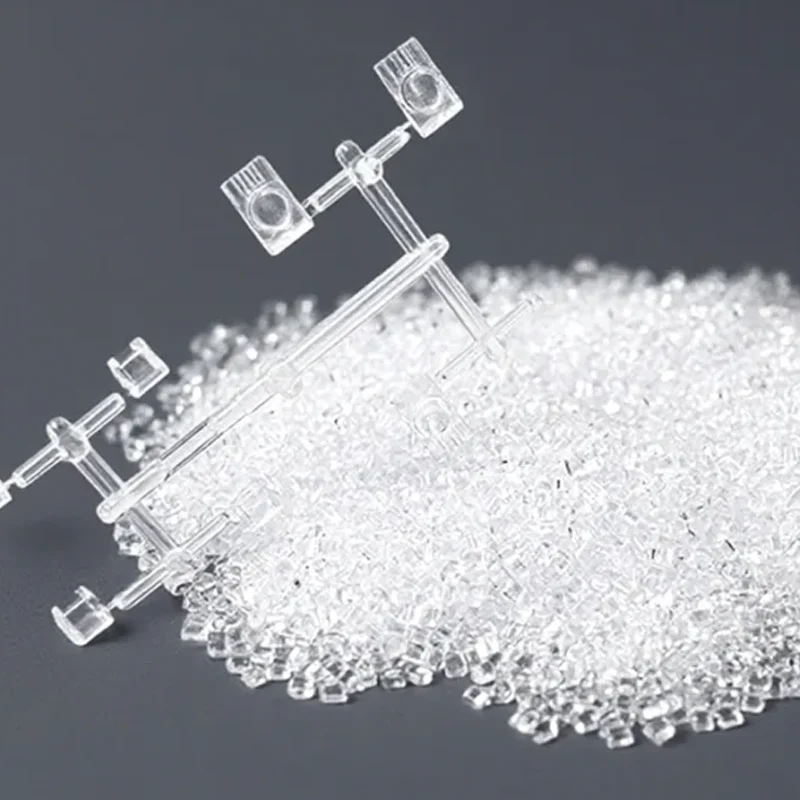
PC is one of the most commonly used engineering plastics where optical clarity is required — offering high transparency, excellent gloss, premium appearance, and design flexibility.
- Suitable applications: transparent covers, indicator windows, display protection, sensor housings on shower and smart toilet devices.
- Surface treatment options: polishing, texturing, hard coating, spray finishing, chrome plating.
5. Chemical & Moisture Resistance
Bathroom products are exposed to water, cleaning agents, humidity, and chemicals. PC provides good environmental resistance — good moisture resistance, stable performance in humid environments, good dimensional stability — but requires careful chemical compatibility evaluation.
Engineering considerations: avoid exposure to aggressive chemicals that may cause stress cracking, surface damage, or reduced mechanical performance. Validation should be performed based on actual application conditions before mass production.
PC provides excellent performance but requires more process control compared with ABS or PP.
- Material drying: PC is moisture-sensitive before molding — insufficient drying may cause silver streaks, reduced strength, and surface defects.
- Processing control: melt temperature, mold temperature, injection speed, holding pressure must be strictly controlled.
- Mold design considerations: proper venting, gate location, cooling balance, stress reduction via our precision mold development team.
7. Typical PC Applications in Bathroom Products
- Smart Toilet Seat: Electronic covers, protective housings
- Heated Bidet Seat: Heat-resistant structural components
- Bathroom Electronics: Sensor covers, control housings
- Shower Systems: Transparent functional parts, shower panel display windows
- Bathroom Accessories: Impact-resistant decorative and functional components
8. PC vs ABS vs PP vs PBT: Quick Reference
For readers landing directly on this page, here’s a brief recap of how PC compares — for full comparison data, browse our full material cluster guides.
- Choose PC when: impact resistance is critical, high temperature exists, transparency is required, or electronic protection is needed.
- Choose ABS when: appearance and surface finishing are top priorities, view details in ABS shower head material guide.
- Choose PP when: cost efficiency and basic chemical resistance are priorities for standard low-cost bathroom parts.
- Choose PBT when: heat resistance and dimensional stability are critical alongside electrical performance for smart toilet core structures.
9. PC Product Quality Validation
PC bathroom components should be fully validated through standardized testing before mass production:
- Mechanical testing: impact testing, load testing, assembly strength testing
- Thermal testing: heat aging, temperature cycling, thermal deformation evaluation
- Appearance testing: transparency inspection, surface defect inspection, scratch resistance testing
Why PC Material Selection Matters for OEM Bathroom Development
Choosing polycarbonate for high-performance products brings brands these core benefits:
- Strong anti-impact structure to cut after-sales breakage complaints
- Stable performance under hot water and long-term temperature cycling
- Unique transparent design space unavailable for opaque plastics
- Reliable protective housing for smart electronic modules
- Stable mass production with standardized injection molding parameters
Frequently Asked Questions About PC Materials
Is PC stronger than ABS?
Yes. PC generally provides significantly higher impact resistance than ABS. ABS is often selected for surface appearance and cost efficiency, while PC is selected for high impact, heat resistance, and structural protection for smart bathroom hardware.
Is PC suitable for bathroom products?
Yes. PC is suitable for bathroom applications requiring high durability, heat resistance, transparent components, and electronic protection for smart toilet seats, shower control panels and electronic faucets.
Why is PC widely used in smart bathroom products?
PC provides excellent impact resistance, thermal stability, and electrical insulation protection capability, making it the ideal housing material for smart bathroom electronic components.
Is PC easy to injection mold?
PC can be injection molded, but requires tighter process control compared with ABS and PP due to higher processing temperature, moisture sensitivity, and internal stress control requirements. Our technical team offers full injection molding parameter optimization for OEM orders.
JEKARE PC Material Engineering Support
JEKARE supports PC material selection and OEM development for high-performance bathroom products, including:
- Professional PC material grade evaluation
- Product structural design optimization
- Full DFM design review
- Precision PC injection molding production
- Transparency and high-gloss appearance control
- Complete performance validation testing
Our engineering team helps global bathroom brands select suitable PC materials for reliable and scalable OEM production — backed by ISO 9001:2015 certified manufacturing.
Need Help Selecting PC Material?
Share your product design, performance requirements, and application environment with our engineering team.
Request a Material Evaluation →
Related Resources
- Material Guides
- Plastic Toilet Seat Material Selection Guide
- ABS vs Stainless Steel Shower Head Guide
- Silicone Valve Material Selection Guide
- Chrome Plating Guide for Bathroom Products
- PVD Coating vs Electroplating Comparison Guide