Call us: +86-18965139230 | Mail to us: info@jekare.com

For faucets, matte (54%), brushed (51%), and satin (46%) finishes were all rated more popular than a polished finish (39%) among nearly 700 kitchen and bath industry professionals surveyed, according to the NKBA | KBIS 2026 Bath Trends Report, released in November 2025. This is a documented reversal from polished chrome’s long-standing default position, not a stylistic observation without a named data source.
This finish data connects directly to JEKARE’s own 2026 bathroom industry trends coverage, which frames the matte/brushed/satin shift as a supplier-selection factor for OEM buyers broadly. This article narrows that broader trend to three specific finishes — matte black, brushed gold, and gunmetal — and to the commercial and hospitality procurement questions that come with specifying them at scale.
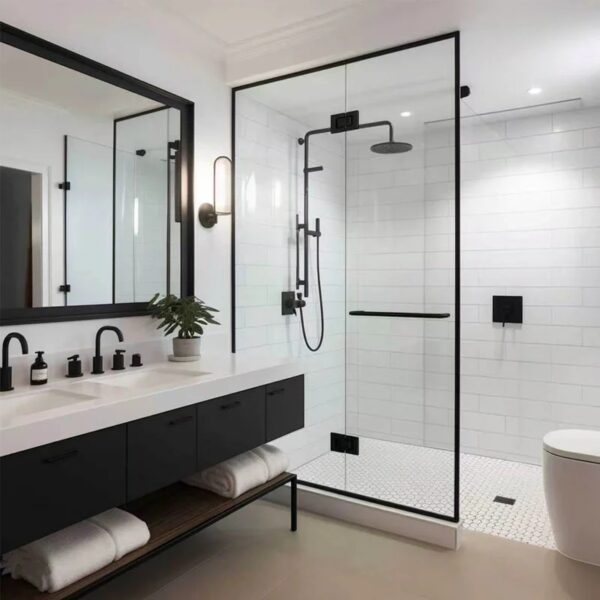
Matte black, brushed gold, and gunmetal finishes are increasingly specified in premium and hospitality projects for their design statement, but a hotel or multi-unit developer evaluates a finish against different criteria than a single-home renovation — durability under repeated cleaning, consistency across a large order, and long-term maintenance cost, not just how the finish photographs.
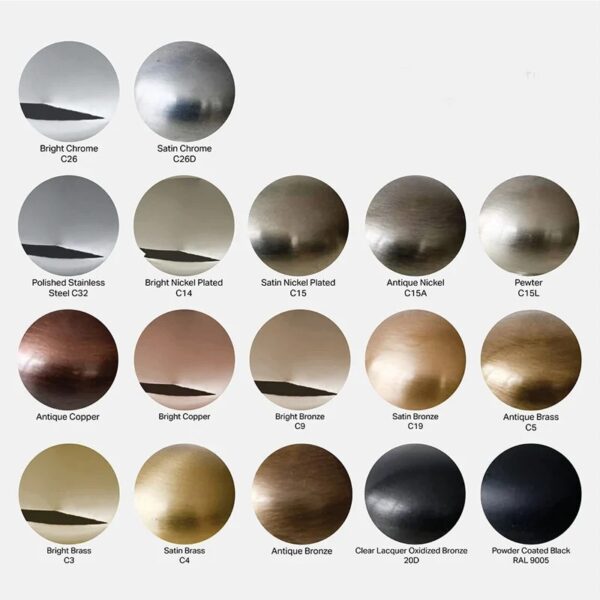
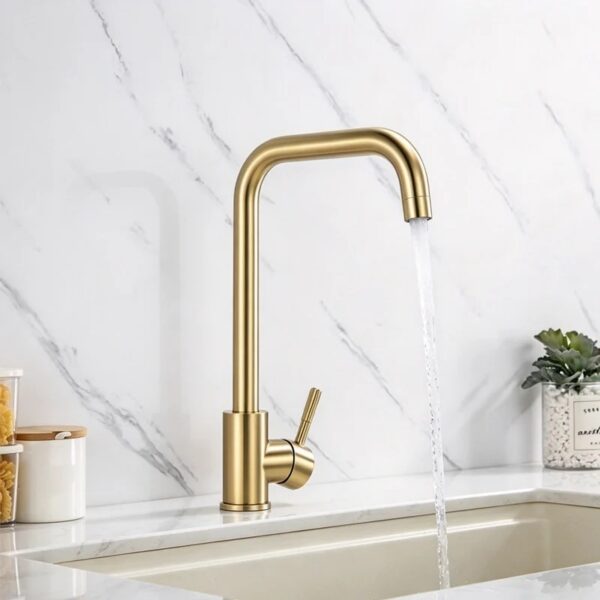
A residential buyer notices if one fixture doesn’t match; a hospitality developer ordering finish-matched fixtures across dozens or hundreds of rooms is exposed to batch-to-batch finish variation as a project-wide quality risk, not an isolated complaint.
Hospitality and commercial properties clean fixtures far more frequently, and often with harsher chemical agents, than a typical residential bathroom — a factor that affects how a matte black, brushed gold, or gunmetal finish holds up over a property’s renovation cycle, independent of how the finish performs in showroom conditions.
As matte, brushed, and satin finishes continue to outpoll polished options, according to the NKBA data cited above, a supplier’s ability to deliver a specific finish consistently across an entire product line — not just offer it as an option — becomes a more direct factor in whether they can fulfill a coordinated commercial order at all.
Because matte black shows scratches and finish variation more visibly than lighter or reflective finishes, batch-to-batch color and sheen consistency matters more for this finish than for chrome, where minor variation is harder for an end user to detect.
A brushed texture is specified in part because it hides fingerprints and water spots more effectively than a polished gold surface — a functional property directly relevant to high-touch commercial fixtures, not purely an aesthetic preference.
Gunmetal’s tonal position between warm metallics and cool chrome-adjacent finishes means it’s more sensitive to subtle production variation — a slightly warmer or cooler batch reads as a mismatch more readily than with a more neutral finish like brushed nickel.
Corrosion and wear resistance for these finishes is commonly evaluated through salt spray testing referencing standards such as ASTM B117, which specifies the operating procedure for salt spray (fog) apparatus testing — a named, verifiable basis for a durability claim, distinct from a general assurance that a finish “holds up well.”
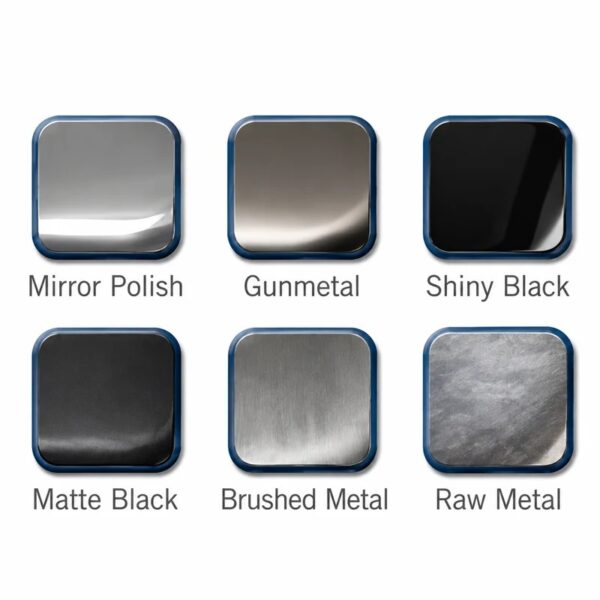
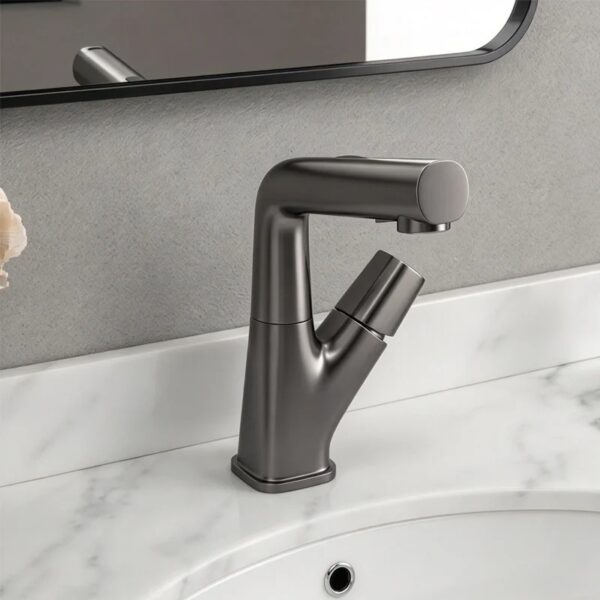
Over the past several years, our engineering team has supported global bathroom brands, distributors, and commercial project buyers developing faucet and shower collections with multiple finish requirements. One consistent change we have observed is that buyers are increasingly evaluating finishes as a manufacturing capability rather than simply a product option.
In previous sourcing discussions, finishes such as matte black, brushed gold, and gunmetal were often treated primarily as aesthetic selections. Today, commercial buyers are asking deeper questions: Can the finish remain consistent across large production batches? Can the same color and surface texture be maintained across different product categories? Can replacement components be supplied with matching finishes years after installation?
From an engineering perspective, decorative finishes create different manufacturing challenges depending on the surface characteristics. Matte black, for example, can reveal scratches and color variation more easily than reflective finishes, making batch consistency especially important. Gunmetal requires tighter process control because small tonal differences can become visible when multiple fixtures are installed together.
Our team has observed that many finish-related issues in commercial projects are not caused by the selected color itself, but by inconsistent process control during surface preparation, coating application, and production inspection. A finish that performs well on a single approved sample does not automatically guarantee consistency across hundreds or thousands of units.
At JEKARE, we approach finish development as an integrated manufacturing process. During OEM/ODM projects, our engineering team evaluates substrate preparation, PVD coating requirements, finish matching, and production inspection standards to help brands maintain consistent appearance and durability across complete bathroom collections.
For brands developing hospitality or commercial bathroom programs, this approach reduces the risk of fragmented sourcing where different suppliers produce different finish variations. By supporting matte black, brushed gold, gunmetal, chrome, and other finish options within a coordinated production system, JEKARE helps customers build more reliable, scalable bathroom collections with documented finish control.

Ask for color and sheen variation data across multiple production batches, not only a single approved sample, since a commercial order’s consistency risk is determined by batch-to-batch variation more than by how any one sample looks.
Since matte, brushed, and PVD finishes can behave differently under corrosion testing depending on the base material and coating process, request ASTM B117 test duration and pass criteria specific to each finish you’re specifying, rather than a general durability statement covering the whole product line.
If a project specifies matte black, brushed gold, and gunmetal across different fixture types within the same collection, confirm whether one supplier can produce all three finishes in-house, since splitting finishes across multiple external vendors reintroduces the batch-consistency risk these finishes are already more sensitive to.
For a multi-year hospitality renovation cycle, confirm whether replacement components in the same finish will remain available and color-matched years after the original order, since finish discontinuation or drift is a real maintenance cost for a property operating the same fixtures for years.
As matte, brushed, and satin finishes continue to outperform polished options in trend data, a brand’s ability to specify these finishes credibly and consistently connects directly to its competitiveness in premium and hospitality project bids — a catalog still weighted toward polished chrome is effectively sourcing against a preference cycle that survey data suggests has already shifted. This is a specific case of the broader finish-sourcing question covered in JEKARE’s 2026 bathroom industry trends article — the practical difference here is evaluating these three specific finishes against commercial durability and batch-consistency requirements, not simply confirming a supplier offers them as options.
For brands specifying matte black, brushed gold, or gunmetal across a coordinated commercial collection, JEKARE’s surface finishing capability supports these finishes alongside chrome and brushed nickel within the same production facility, which matters directly for multi-finish SKU coordination — it avoids splitting a single collection’s finish variants across separate external vendors, a common source of the batch-inconsistency issue that affects large-scale hospitality orders. JEKARE’s custom brass bathroom sink faucet platform, built on a low-lead brass waterway, is engineered as a substrate that supports multi-layer PVD coating across these finish options, with finish and corrosion testing verified through in-house inspection.
This capability is also relevant for brands developing private-label collections that need the same three finishes coordinated across faucets, shower systems, and accessories from a single documented source.
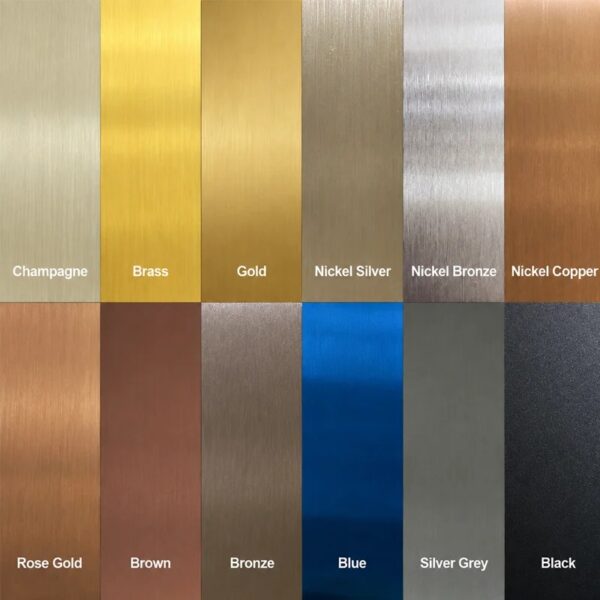
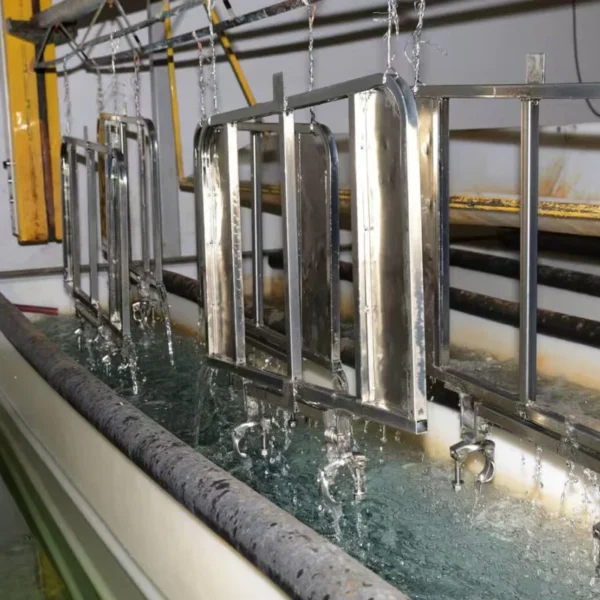
Matte black, brushed gold, and gunmetal have moved from residential design trends into commercial specification requirements, according to the NKBA | KBIS 2026 Bath Trends Report’s clear preference shift away from polished finishes. For B2B buyers, the practical distinction at commercial scale isn’t whether a supplier offers these finishes — it’s whether they can deliver batch-consistent color and sheen across a large order, document durability against a named standard like ASTM B117, and support finish-matched replacement parts over a property’s renovation cycle.
Matte black shows fingerprints and water spots less than polished chrome in most cases, but it shows scratches and finish inconsistency more visibly, so the maintenance tradeoff depends on which specific wear pattern a property is trying to minimize.
Yes, mixing finishes is an increasingly common design approach, but doing so at commercial scale requires confirming both finishes can be produced with matched batch consistency, ideally from the same supplier, to avoid a visibly inconsistent pairing across a large order.
PVD coatings generally offer stronger scratch and corrosion resistance than standard electroplating, but actual performance still depends on the specific process parameters and base material, which is why requesting named test data (such as ASTM B117 results) is more reliable than assuming PVD performance uniformly.
This varies by supplier and isn’t standardized, which is exactly why confirming finish availability and color-matching commitment for the expected renovation cycle — often 7 to 10 years in hospitality projects — should be part of the initial sourcing conversation, not assumed.
They aren’t equally forgiving of production variation — matte black and gunmetal are generally more visibly affected by batch inconsistency than brushed gold, which is one reason to request finish-specific test and consistency data rather than a single blanket durability claim.
Chen is a Senior Shower Systems Engineer at JEKARE with over 20 years of experience in sanitary ware product development and OEM manufacturing. He specializes in surface finish engineering, PVD coating process control, and multi-finish product line coordination for commercial and hospitality bathroom programs. With extensive experience supporting global bathroom brands and distributors, Chen focuses on helping buyers evaluate finish durability and batch consistency as distinct, verifiable sourcing criteria.
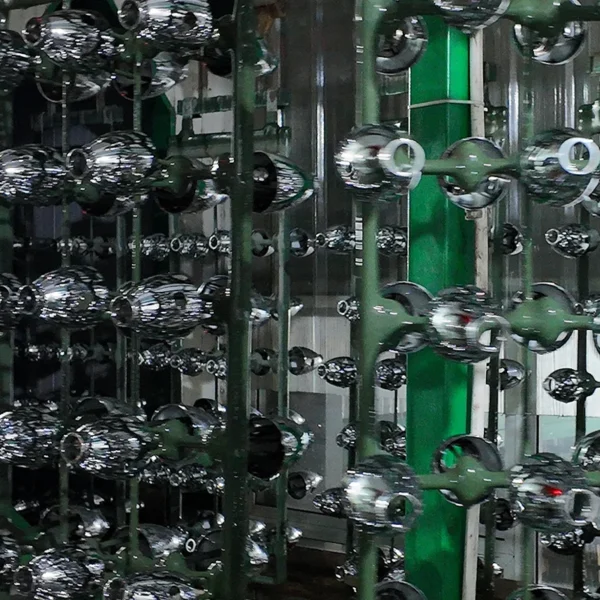

✔ 20+ Years of OEM & ODM Manufacturing Experience
✔ Matte Black, Brushed Gold, Gunmetal, and Chrome From a Single Facility
✔ Batch Consistency Verified Through In-House Inspection
✔ ASTM B117 Salt Spray Testing for Finish Durability Documentation
✔ Coordinated Multi-Finish Support for Private-Label Collections
✔ Reliable Manufacturing Partner for Global Distributors and Brands
Whether you’re specifying a single finish or coordinating multiple finishes across a commercial collection, JEKARE provides engineering-driven OEM manufacturing support with documented finish consistency from concept development through mass production.Contact our team to review your finish specification for an upcoming project.