Call us: +86-18965139230 | Mail to us: info@jekare.com

The kitchen and bath industry now represents a $228 billion market in North America alone, according to the National Kitchen & Bath Association (NKBA), whose 2026 Bath Trends Report draws on responses from nearly 700 industry professionals — designers, manufacturers, remodelers, architects, and showroom specialists. The report describes the bath design landscape as being “in a state of flux,” driven primarily by the accelerating integration of technology into fixtures and a broader shift toward wellness-oriented design.
That shift is visible on the trade show floor as much as in survey data. The 2026 Kitchen & Bath Industry Show (KBIS) concluded with more than 600 exhibitors, including over 100 new brands and 200-plus international companies, according to KBIS — a scale that reflects how much new product development is currently concentrated in this category, and how quickly OEM manufacturers need to track evolving buyer expectations to stay relevant to sourcing conversations.
For bathroom brands, a fast-moving trend cycle creates real sourcing pressure. Finish preferences, smart-feature integration, and product footprint expectations that shift meaningfully within a single trend cycle mean that specs locked in during initial product development can be dated by the time a product actually reaches retail — particularly for brands working with manufacturing partners that have long tooling lead times or limited finish flexibility.
A growing market also means more competing product lines chasing the same retail and hospitality buyers. Brands that can move on emerging preferences — a finish shift, a wellness-oriented feature, a smart-integration option — before those preferences become fully mainstream have a differentiation window that closes as more competitors catch up.
Smart home integration is expanding through “intelligent showers, lighting, and energy systems,” and technology-driven design inspiration — including AI-assisted design tools among younger homeowners — is identified as one of three primary growth areas in the NKBA’s 2026 report. This mirrors what’s happening in adjacent smart bathroom product categories: the global smart bathroom market was valued at USD 10.7 billion in 2025 and is projected to reach USD 31.5 billion by 2033, growing at a CAGR of 14.9%, according to Grand View Research — with commercial applications accounting for 65% of market share in 2025, ahead of residential adoption.
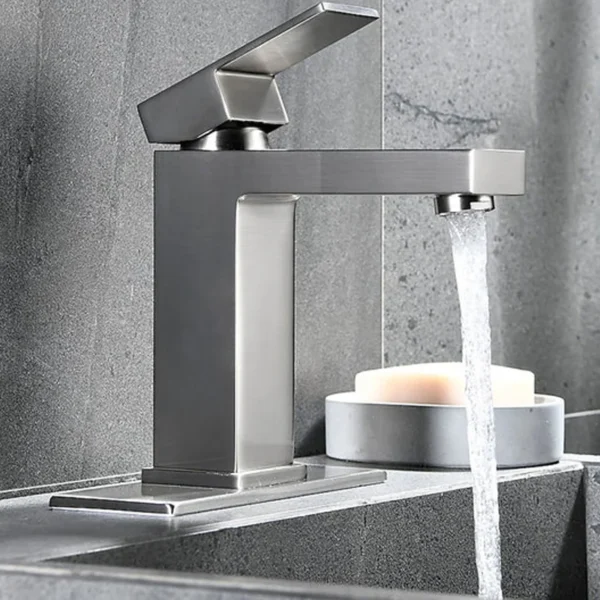
Finish selection data from the NKBA report shows a clear move away from polished surfaces: matte finishes were favored by 54% of respondents, brushed by 51%, and satin by 46%, compared with just 39% for polished chrome. For OEM manufacturers and the brands sourcing from them, this is a directly actionable data point — it means finish capability, not just base product design, has become a differentiating factor in supplier selection.
Seventy-two percent of NKBA survey respondents expect the overall bath footprint to increase, driven by wellness-centered layouts, universal design features, and expanded storage — with aging-in-place design elements described in the report as having become mainstream enough that they’re now expected to combine function with aesthetic appeal, rather than reading as purely accessibility-driven hardware.
Beyond the survey-based findings, the underlying market data reinforces the same direction: Grand View Research’s smart bathroom market analysis identifies touchless faucets, connected shower controls, and sensor-based fixtures as key product categories driving growth — categories that require manufacturing partners capable of integrating electronic or sensor components into traditional plumbing hardware, not just producing conventional mechanical fixtures at scale.
Review your current product line’s finish mix against the shift toward matte, brushed, and satin surfaces. A catalog still weighted heavily toward polished chrome may be sourcing against last cycle’s preference data rather than this one.
If smart or connected features are on your roadmap, confirm your manufacturing partner has actual experience integrating electronic components into plumbing hardware — sensor-based faucets and connected shower controls require different assembly and quality-testing processes than purely mechanical products.
Given how mainstream aging-in-place design has become, evaluate whether grab bars, fold-down seating, and similar universal-design hardware can be developed as aesthetically integrated product lines rather than treated as a separate accessibility category.
Expanding finish options across a product line multiplies SKU count and complicates production planning. Ask a prospective or current manufacturing partner directly how they manage multi-finish runs without extending lead times disproportionately.
Trend data is only useful to a brand if it changes an actual sourcing decision — which finish options get requested in the next RFQ, which manufacturing partner has the process flexibility to support a wider finish range, or whether a current supplier can realistically support smart-component integration without a full retooling cycle.
More broadly, the brands positioned to benefit from this trend cycle aren’t necessarily the first to chase every emerging feature, but the ones whose manufacturing partnerships give them the flexibility to move on finish and feature shifts without the multi-month lead times that come from switching suppliers or requalifying tooling mid-cycle.
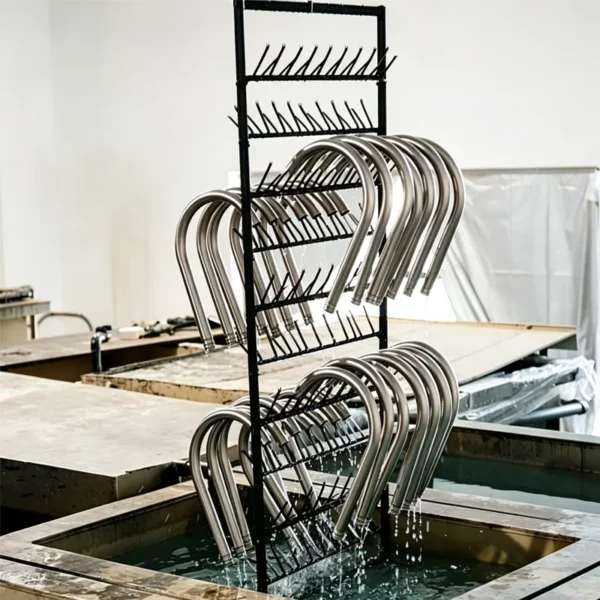
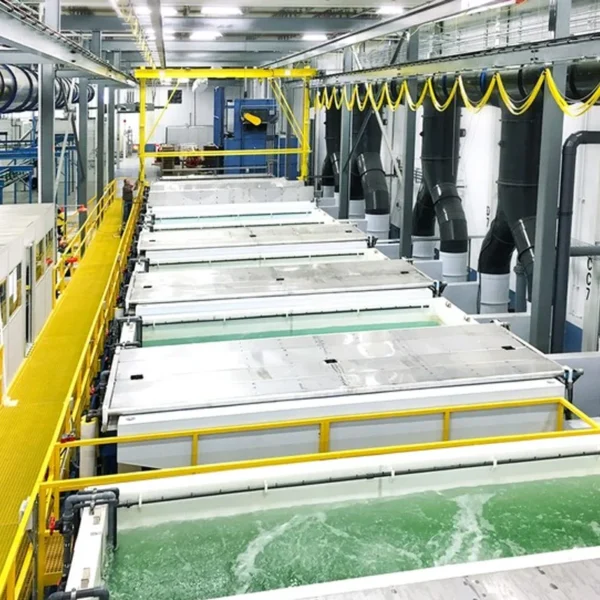
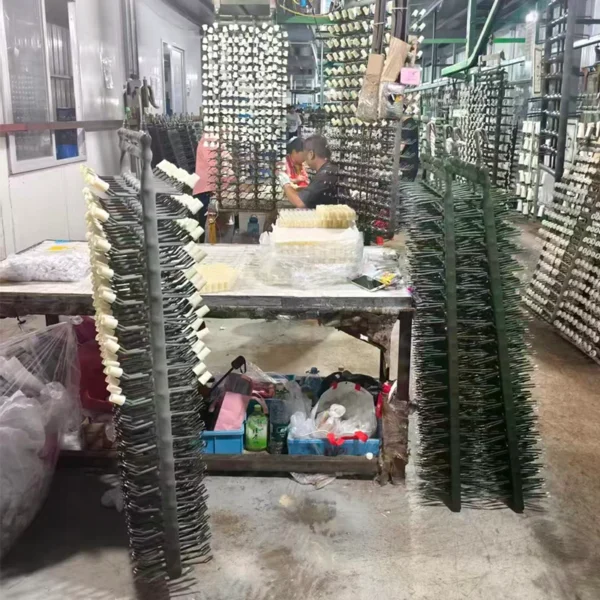
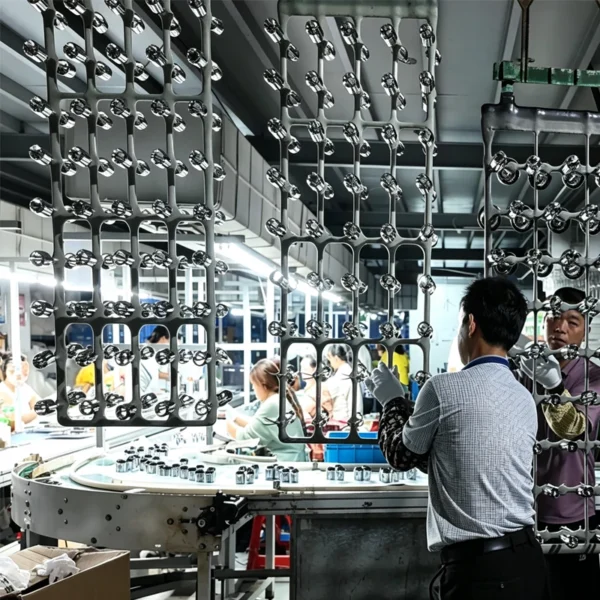
For brands responding to the shift toward matte and brushed finishes, JEKARE’s surface finishing capability supports chrome, matte black, brushed nickel, and PVD finishing options within the same production facility — which matters directly for the kind of multi-finish SKU expansion the current trend data points toward, since it avoids splitting a single product line’s finish variants across multiple external vendors.
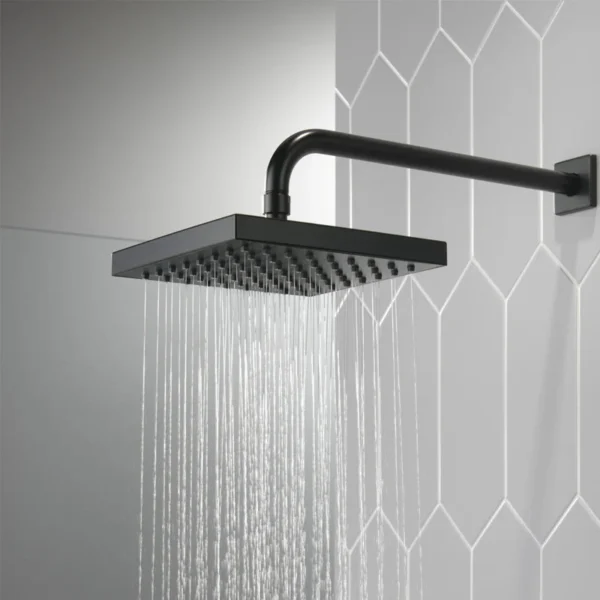
JEKARE’s rain shower head line and faucet product line are both produced with this finish range as a standard option set rather than a custom one-off request, which is relevant for brands evaluating whether a manufacturing partner can support finish trend shifts as a routine part of production planning rather than a special project. Brands developing a new OEM program around updated finish preferences can review current finish and product specifications directly on the linked category pages.
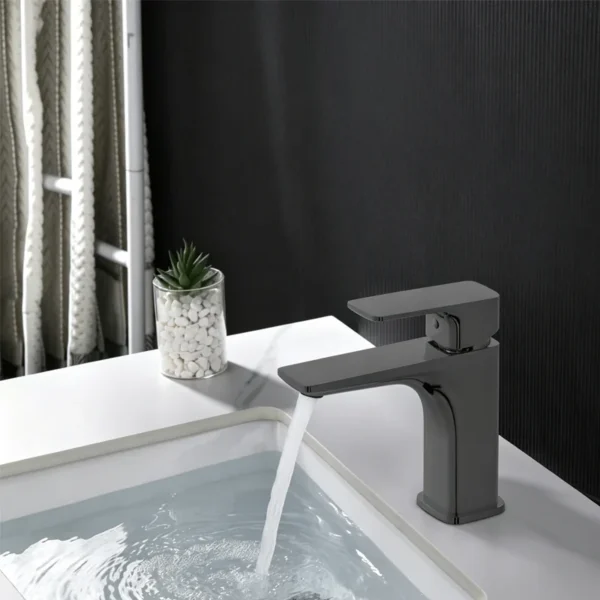
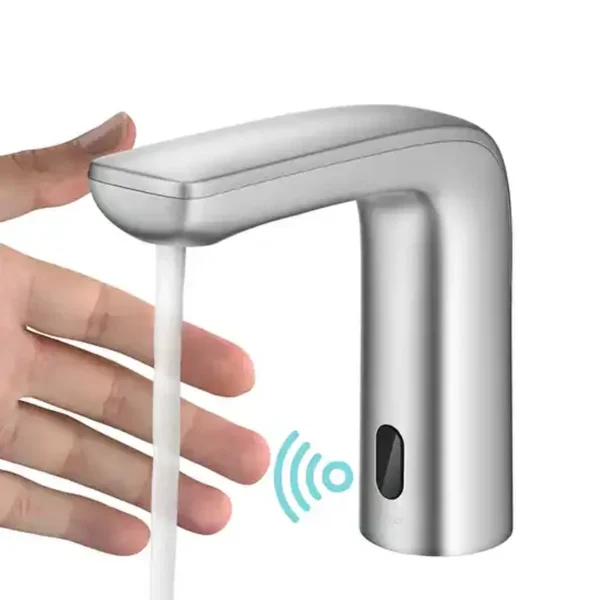
The 2026 bathroom industry trend data points toward three converging shifts: smart and connected fixtures moving into mainstream commercial and residential adoption, a clear finish preference shift away from polished chrome toward matte and brushed surfaces, and expanding bath footprints driven by wellness and universal-design priorities. For B2B buyers, the practical implication isn’t simply tracking these trends — it’s confirming that a manufacturing partner has the process flexibility to act on them without adding sourcing risk or lead-time cost to the next product cycle.
There’s no fixed timeline, but since finish changes generally don’t require new tooling — only a different plating or coating process — a manufacturer with in-house finishing capability can typically accommodate a finish shift faster than one that outsources finishing to a separate vendor.
It depends on the complexity of the electronic integration — a basic sensor-based touchless faucet adds less cost and complexity than a fully connected shower system with app-based controls, so it’s worth scoping the specific feature set against your target price point before committing to a smart-product line.
Based on the NKBA data, these features have moved into mainstream residential demand, not just specialized commercial or healthcare projects — which is part of why the report notes that aging-in-place hardware is increasingly expected to be aesthetically designed rather than treated as a separate utilitarian category.
Since commercial applications already represent the majority share of the smart bathroom market, hospitality and commercial project buyers are sourcing into a segment where smart-fixture supplier options are more mature and established than in the residential space, which may mean shorter development timelines for commercially-focused smart product programs.
Trend data is best used to inform specific, evaluable decisions — like finish mix or feature roadmap — rather than as justification for a full line redesign; a full redesign carries far more sourcing and inventory risk than adjusting finish options or piloting a smart-feature product alongside an existing line.
Susan is a Senior Shower Systems Engineer at JEKARE with over 20 years of experience in bathroom fixture development and OEM manufacturing. She specializes in finish process engineering, product line expansion planning, and translating market and design trend data into manufacturable product specifications across shower, faucet, and accessory categories. With extensive experience supporting global bathroom brands and distributors through product roadmap development, Susan focuses on helping buyers understand which trend-driven feature and finish changes are practical to source at production scale, and which require a longer-term manufacturing strategy.
1. National Kitchen & Bath Association (NKBA | KBIS) — 2026 Bath Trends Report
https://nkba.org/press/nkba-kbis-releases-annual-2026-bath-trends-report/
2. Grand View Research — Smart Bathroom Market Size and Share Report, 2026–2033
https://www.grandviewresearch.com/industry-analysis/smart-bathrooms-market
3. Kitchen & Bath Industry Show (KBIS) — KBIS 2026 Concludes with Record Attendance
https://kbis.com/show-news/kbis-2026-concludes-with-record-attendance
✔ 20+ Years of OEM & ODM Manufacturing Experience
✔ In-House Multi-Finish Surface Finishing — Chrome, Matte Black, Brushed Nickel, and PVD
✔ Complete Shower, Faucet, and Bathroom Accessory Solutions
✔ Professional Engineering Support from Design to Production
✔ Flexible Customization for Emerging Finish and Feature Trends
✔ Reliable Manufacturing Partner for Global Distributors and Brands
Whether you’re refreshing a finish lineup or scoping a new smart-fixture product line, JEKARE provides engineering-driven OEM manufacturing support from concept development through mass production.
Contact our team to discuss your next bathroom product project.