Call us: +86-18965139230 | Mail to us: info@jekare.com

Drewry’s World Container Index stood at USD 4,465 per 40-foot container as of early September 2026, with rates on Transpacific routes rising even as Asia-Europe rates softened, according to Drewry. This route-by-route divergence reflects a freight market defined by vessel overcapacity, shifting trade routing, and continued rate volatility — a backdrop in which the physical footprint of a shipment matters more directly to landed cost than it did during periods of more stable pricing.
Against that backdrop, packaging design has shifted from a purely protective function to a genuine cost variable. Since ocean freight is priced by container volume and weight, the dimensions and material weight of a product’s packaging directly determine how many units fit in a container and how much that container costs to ship — making packaging design decisions a direct input into per-unit shipping cost, not a downstream consideration handled after product design is finalized.
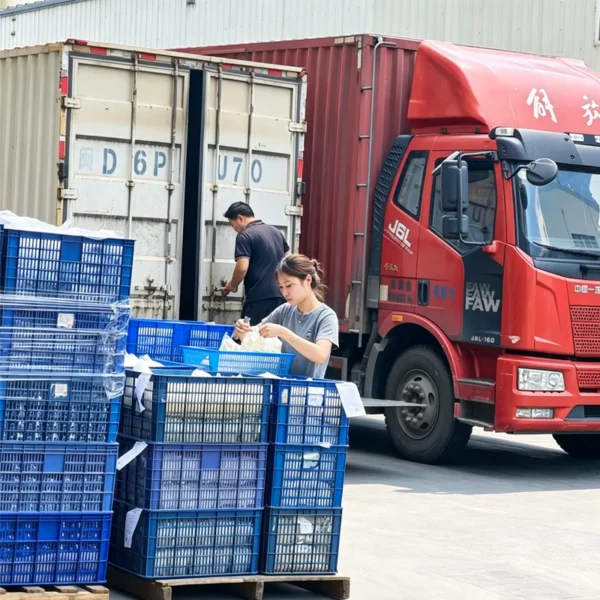
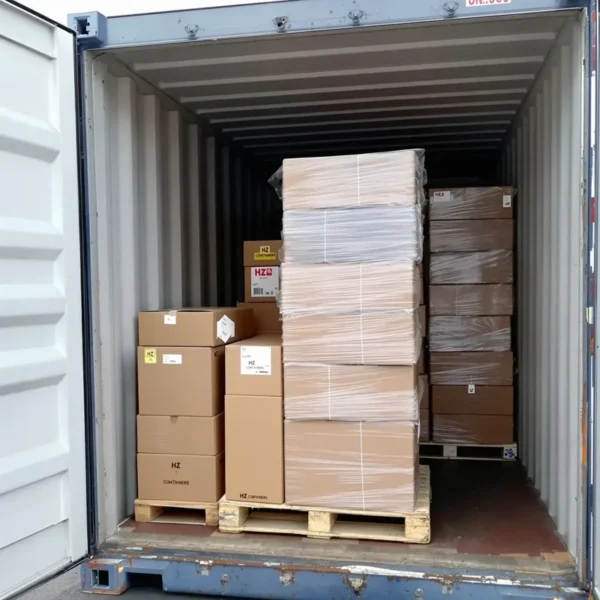
Container shipping is priced per container, not per unit, which means cube utilization — how efficiently a product’s packaging fills the available container volume — directly determines cost per unit shipped. A packaging design with excess void space effectively pays to ship air.
Packaging that fails during transit doesn’t just create a customer service problem — it generates return shipping, replacement unit shipping, and often expedited air freight to correct the failure, all of which erode any savings achieved through leaner initial packaging.
Packaging dimensions determine pallet configuration and warehouse storage density on the receiving end, which means packaging optimization decisions made at the manufacturing stage continue to affect cost well after the shipment clears customs.
With container rates fluctuating by route and remaining a meaningful line item in landed cost per Drewry’s tracking, brands that reduce packaging volume per unit gain a cost advantage that compounds across every container shipped — a benefit that scales with order volume in a way that per-unit product cost savings often don’t.
Packaging performance for distribution is commonly evaluated against ASTM D4169, the Standard Practice for Performance Testing of Shipping Containers and Systems, which subjects packaging to a sequence of laboratory-simulated hazards — drops, compression, vibration, and incline impact — representative of actual distribution conditions. This gives buyers a specific, checkable reference point for evaluating whether a packaging redesign intended to reduce material and cube has been validated against real transit stress, rather than simply assumed to be adequate.
The global sustainable packaging market was valued at USD 272.9 billion in 2023 and is projected to reach USD 448.5 billion by 2030, growing at a CAGR of 7.6%, according to Grand View Research, with North America holding a 27.44% revenue share. This growth reflects a broader shift toward lighter-weight, often recyclable packaging materials — a trend that frequently aligns with shipping cost reduction goals, since reduced material weight and thinner-profile packaging both cut cube volume and container weight simultaneously.
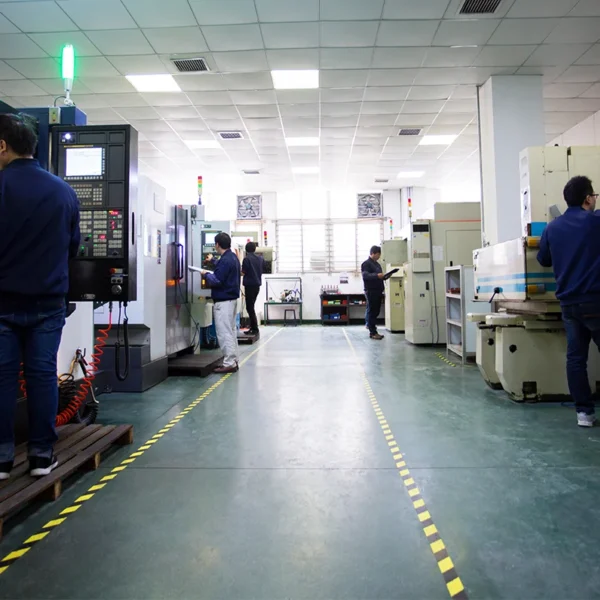

From our experience supporting global bathroom brands with OEM product development, packaging optimization is most effective when it is treated as an engineering decision rather than a logistics adjustment made after production begins.
Many buyers initially approach packaging as a secondary concern — something to finalize after the product design, tooling, and production process are already complete. However, for bathroom fixtures with high dimensional volume, such as rain shower systems, faucets, and large plastic components, packaging structure directly influences container utilization, freight cost per unit, and downstream handling efficiency.
During product development discussions, we frequently see that the biggest packaging improvements come from early coordination between product engineers and packaging engineers. Adjustments such as reducing unnecessary internal void space, optimizing component orientation, combining accessories more efficiently, or redesigning protective structures can often improve shipping efficiency without compromising product protection.
From a manufacturing perspective, the challenge is not simply making a smaller package — it is finding the correct balance between cube efficiency, transit protection, and brand presentation requirements. A package that saves volume but increases damage rates creates higher total costs through replacements, warranty claims, and customer dissatisfaction.
For OEM bathroom projects, JEKARE evaluates packaging performance together with product structure, material selection, and production requirements. By considering packaging during the product development stage rather than after mass production begins, brands can achieve more predictable landed costs while maintaining the durability expectations required for global distribution.
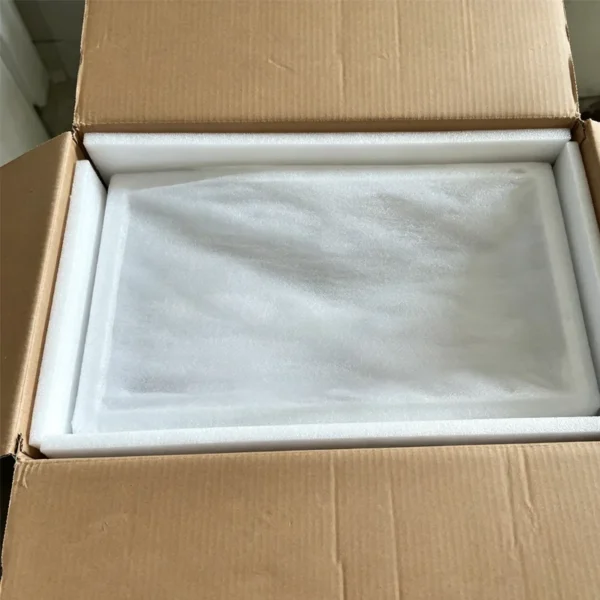
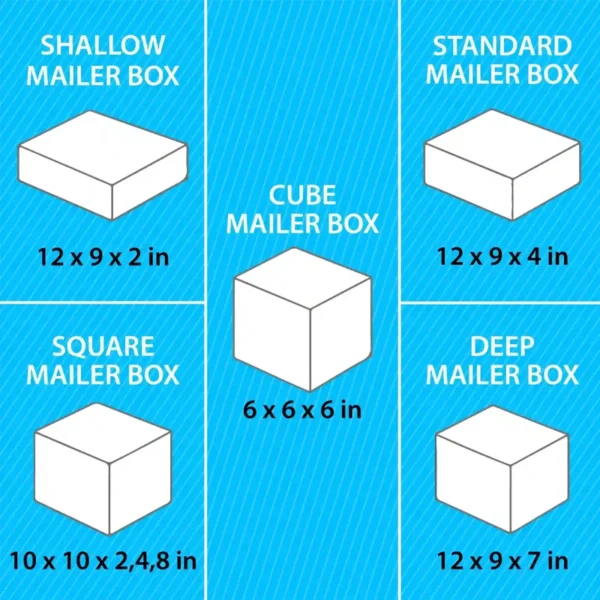
Request ASTM D4169 test documentation for any redesigned or leaner packaging format before approving it for production — a reduction in material or size that hasn’t been validated against transit hazards risks trading shipping cost savings for damage-related cost.
Ask a manufacturer to calculate units-per-container under a proposed packaging design compared to the current design — a specific, quantified comparison is more actionable than a general claim that new packaging is “more efficient.”
If packaging material is being reduced to cut weight and cost, confirm the change has been tested against the same distribution hazard sequence as the original design, not assumed to perform equivalently based on visual similarity.
Packaging efficiency is easier to achieve when product dimensions and packaging are developed together during the design phase, rather than retrofitting packaging around a finalized product shape late in development.
Packaging optimization connects directly to a brand’s overall landed cost structure, not just the shipping line item — a cube-efficient, damage-tested packaging design compounds savings across freight, warehousing, and returns handling simultaneously. Treating packaging as a fixed, unchangeable element of a product program leaves this compounding cost advantage unrealized, particularly in a freight rate environment that continues to fluctuate by route and season.
More broadly, as sustainable packaging adoption grows across the wider market, brands able to combine lighter-weight, tested packaging with genuine material sustainability credentials have a positioning advantage with retail and hospitality buyers who increasingly factor packaging sustainability into their own vendor evaluation criteria, alongside pure cost considerations.
JEKARE’s approach to product development, illustrated in a recent case study responding to an RFQ for a compact, hard-water-ready shower head, reflects how product footprint and packaging efficiency can be addressed together during mold development rather than treated as separate downstream problems — a coordination point directly relevant to brands evaluating how packaging and product design decisions affect shipping cost together.
Beyond packaging dimensions, product durability itself affects shipping economics — a faucet or shower head that arrives damaged generates the same reshipment and return freight cost regardless of how efficient the original packaging was. Brands developing a new program can coordinate both product and packaging design considerations directly through JEKARE’s OEM/ODM project process.
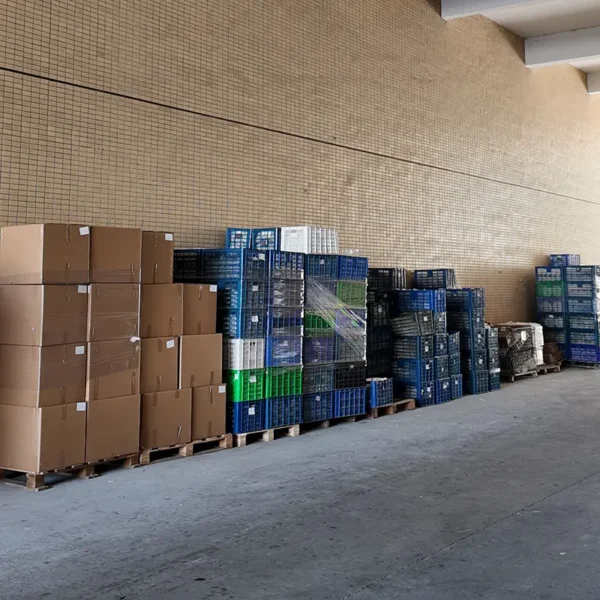

Packaging optimization has become a direct lever on landed cost for B2B bathroom brands, particularly as ocean freight rates continue to fluctuate by route into late 2026. For buyers, the practical takeaway is to treat packaging redesigns — whether driven by cost, sustainability, or both — as changes requiring the same validation rigor as any other product specification, using recognized testing standards like ASTM D4169 rather than assuming a leaner design performs equivalently to the original.
Not necessarily one-to-one — shipping cost depends on cube volume and weight together, so a packaging change that reduces material weight but doesn’t change overall dimensions may yield a smaller cost benefit than a redesign that also improves cube utilization.
Any material, dimensional, or structural change to a packaging design should generally be re-tested, since even a seemingly minor adjustment can change how a package performs under drop, compression, or vibration stress compared to the originally validated design.
It depends on the specific material and design — some sustainable materials perform comparably or better in distribution testing, while others require design adjustments to match conventional packaging’s protective performance, which is why testing rather than assumption is the reliable way to confirm equivalence.
The underlying principle is similar — air freight is also priced substantially by dimensional weight — but the cost impact of cube efficiency is often proportionally larger for air shipments given air freight’s typically higher per-unit cost baseline.
Coordinating packaging design during the product development and tooling phase generally produces better cube efficiency than redesigning packaging afterward, since product dimensions locked in without packaging consideration can constrain how much efficiency is achievable later.
Mia is a Materials Engineer at JEKARE with over 20 years of experience in bathroom fixture development and OEM manufacturing. She specializes in material selection, product and packaging design coordination, and distribution performance testing across faucet, shower, and accessory product lines. With extensive experience supporting global bathroom brands and distributors through product development and logistics-aware design decisions, Mia focuses on helping buyers evaluate packaging changes against verifiable testing data rather than general efficiency claims.
1. Drewry — World Container Index
https://www.drewry.co.uk/supply-chain-advisors/supply-chain-expertise/world-container-index-assessed-by-drewry
2. ASTM International — D4169-23E01: Standard Practice for Performance Testing of Shipping Containers and Systems
https://store.astm.org/d4169-23e01.html
3. Grand View Research — Sustainable Packaging Market Size, Share & Trends Report
https://www.grandviewresearch.com/industry-analysis/sustainable-packaging-market-report