Call us: +86-18965139230 | Mail to us: info@jekare.com

Cross-border trade counsel now frame the factory-versus-trader distinction as a structured verification question rather than a simple yes-or-no check: the importer’s task is to verify which legal entity is contracting, which site will actually produce the order, and who remains responsible when performance fails, according to LexLink Hub’s 2026 importer guide authored by cross-border trade counsel. This framing reflects a broader shift — verifying the manufacturer is no longer treated as due diligence for unusually large orders, but as a standard step regardless of order size.
The verification question doesn’t stop at who manufactures the product — it extends to whether the certifications attached to it are genuine. In July 2026, plumbing component manufacturer Fränkische publicly warned of a rising number of products sold through unregistered vendors that display approval logos or claim compliance without evidence the complete product was ever certified, according to Heating & Plumbing Monthly. For B2B buyers, this means manufacturer identity and certification authenticity are now two separate risks that both require independent confirmation.
Because a certificate can be genuine but apply to a different product model, or a factory name can appear on a document without that factory being the actual production site, treating either document as sufficient proof on its own leaves a gap that a more structured verification process is designed to close.
When a product fails in the field, responsibility ultimately traces to whichever entity actually controlled the specification, material, and process — not necessarily the entity that issued the sales contract, a distinction that matters directly for warranty recovery and liability allocation.
A buyer cannot confirm that an approved sample matches ongoing production if they don’t know which facility is running the order — a trading company sourcing from a rotating pool of subcontracted factories can technically fulfill a purchase order while shifting production between sites with different process controls.
If a certification is registered to one legal entity or product model but marketed as covering a different one, a brand repeating that claim to its own retail or hospitality customers inherits the same compliance exposure as if it had made the claim independently.
Rather than a single document check, current guidance recommends confirming the exact legal counterparty, the production site, who controls specifications, and who bears responsibility for underperformance — each treated as a distinct question, according to LexLink Hub. This structured approach reflects an industry-wide move away from treating a business license alone as sufficient proof.
The Water Regulations Approval Scheme states directly that because approvals can be modified after issuance, checking the official WRAS Approvals Directory is the only reliable way to verify the current validity of an approval — a printed or PDF certificate alone is not treated as sufficient confirmation, according to WRAS’s own published guidance. This distinction — document versus live registry — is becoming the baseline expectation for how any water-contact product certification should be checked.
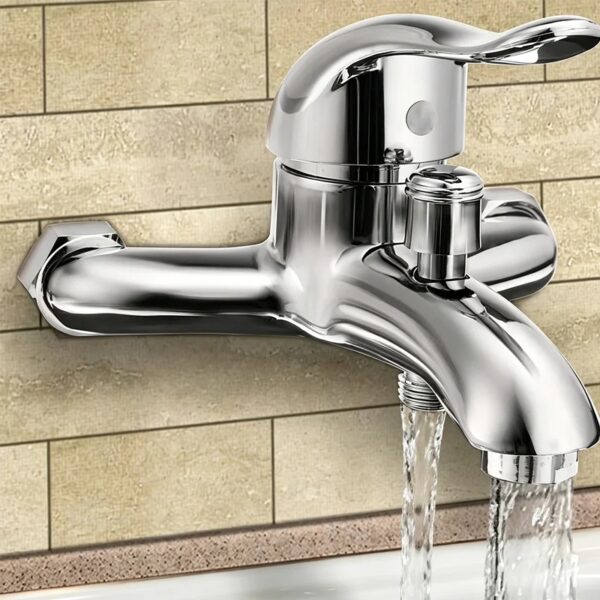
Fränkische’s July 2026 statement specifically identifies a growing pattern of approval logos displayed without evidence the complete product underwent testing, and recommends buyers request the exact approval number and matching product model before accepting a certification claim, according to Heating & Plumbing Monthly. This is a market-level signal, not an isolated incident, and it applies as much to shower faucets and mixer valves as to the pipe fittings the warning specifically referenced.
Over the past several years, our engineering and quality teams have supported global bathroom brands, distributors, and private-label buyers through shower faucet supplier evaluation projects. One recurring challenge we have observed is that many buyers initially focus on product appearance, pricing, and certification documents, but do not verify whether the supplier providing those documents is the actual manufacturer controlling production.
During supplier qualification discussions, buyers often discover that the same shower faucet model may involve multiple parties — including trading companies, subcontracted factories, certification holders, and final assembly providers. Without clear visibility into the actual production site, it becomes difficult to confirm whether approved samples, certification documents, and mass production units are controlled under the same manufacturing system.
To address this risk, JEKARE approaches OEM shower faucet development with production traceability as a core requirement. Our engineering team works with buyers to confirm the manufacturing location, production processes, material specifications, and certification scope before moving into mass production.
By maintaining a documented single-site manufacturing model, including in-house process control, inspection records, and certification alignment, JEKARE helps global bathroom brands evaluate supplier capability based on verified manufacturing transparency rather than relying only on commercial claims.
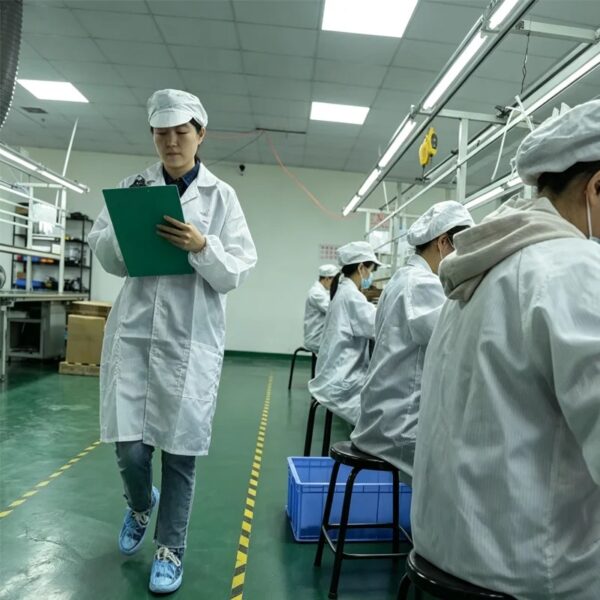
A business license confirms a company is legally registered; it doesn’t confirm the company manufactures anything. Ask specifically for the registered business scope, which should state manufacturing or production activity explicitly if the entity is genuinely a factory rather than a trading or export intermediary.
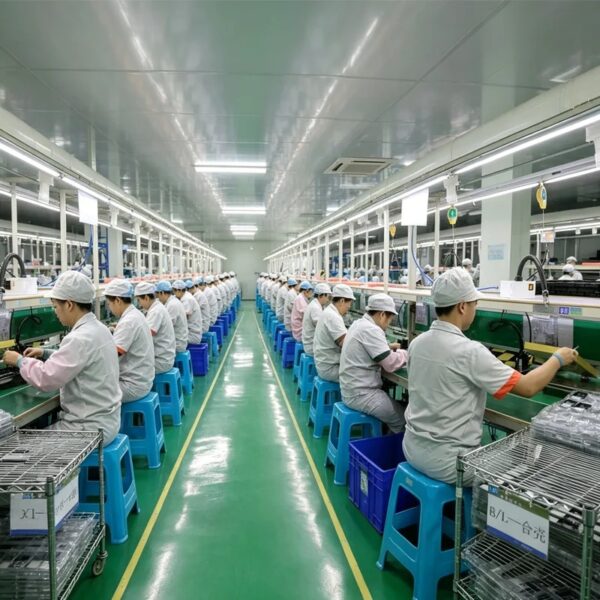
A pre-recorded factory tour can be reused across many supplier profiles. A live video call where you can request to see a specific machine, a specific work-in-progress order, or a specific tooling setup is significantly harder for a non-manufacturing intermediary to convincingly fulfill.
Rather than accepting a supplied certificate image, look up the certification number directly in the issuing body’s public directory (such as the WRAS Approvals Directory or the equivalent NSF listings database) and confirm the listed company name and product model match what you’ve been quoted.
Ask directly whether the sample used for your approval and any certification testing was produced at the same facility slated to run your production order — a sample made at one site with mass production shifted to another undermines the value of both the sample approval and the certification tied to it.
Manufacturer and certification verification connects directly to a brand’s own risk exposure with its retail and hospitality customers — a brand that can trace its supply chain back to a specific, verified production site is in a materially stronger position than one relying on a supplier’s self-reported claims, whether the question ever becomes a warranty dispute or not.
This verification discipline connects naturally to how a brand manages its broader supply chain — from initial supplier vetting through to how private-label programs are structured and how certification documentation is maintained over the life of a product line, rather than checked once and never revisited.
For brands evaluating exactly this kind of verification question, JEKARE’s wall-mount shower faucet platform is built around a documented, single-site production model rather than a subcontracted or multi-factory arrangement. The product uses a brass main body, zinc alloy handle components, and ceramic cartridge technology, manufactured at JEKARE’s own ISO 9001–certified facility in Xiamen, with process control that includes 3D measurement, sealing tests, and finish validation through Acid Salt Spray, Cross-Cut Adhesion, and Boiling Water testing — the same site that produces the approval sample is the site that runs the production order.
This traceability extends across JEKARE’s broader shower faucet product line, where target-market certifications such as KTW, ACS, and WRAS are confirmed and aligned to documentation before a program moves into production, including for brands building a private-label collection rather than a fully custom design. Buyers can review JEKARE’s OEM/ODM project process and current certifications directly, and coordinate final inspection documentation as part of standard project onboarding, rather than relying on a single supplied certificate.

“How do I identify the manufacturer of a shower faucet?” has moved from a niche due-diligence question to a standard part of B2B sourcing, driven by two converging trends: a documented rise in trading companies presenting themselves as factories, and a parallel rise in certification claims that don’t hold up against the issuing body’s own registry. For B2B buyers, the practical response isn’t a single document check — it’s verifying the legal entity, the actual production site, and the certification status independently, through the same structured process regardless of order size.
Yes — a trading company can be a legitimate and useful sourcing partner, particularly for smaller orders or wider product ranges, but the buyer should know explicitly which entity is which, rather than assuming a company claiming factory status is one.
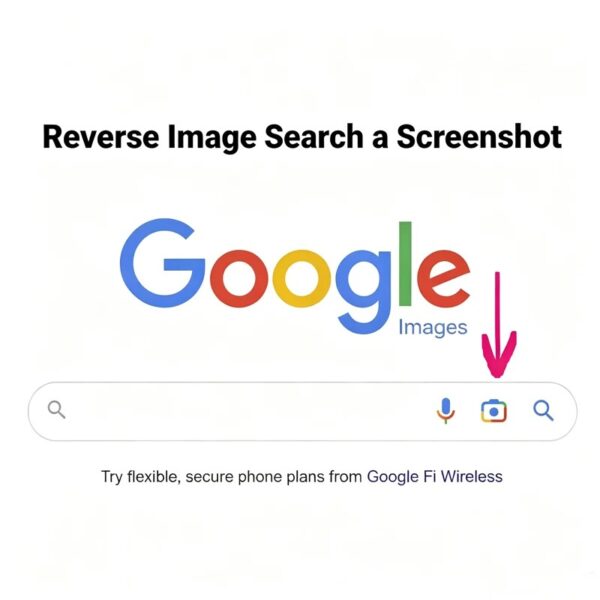
A reverse image search of the photo can reveal whether the same images appear across multiple unrelated supplier listings, which is a strong indicator the photos were sourced from a third party rather than taken at the supplier’s own facility.
Not on its own — ISO 9001 certifies a quality management system exists for an entity’s stated scope of operations, so it should be cross-checked against the certifying body’s own registry and reviewed alongside business scope documentation, not treated as standalone proof of manufacturing capability.
Treat hesitation or repeated rescheduling as a signal worth investigating further rather than dismissing, particularly if the supplier has otherwise been responsive on commercial terms — a genuine manufacturer generally has less operational difficulty accommodating a scheduled facility view.
No — certification validity is tied to the specific product model and approval scope, not to the supplier’s client history, so a certification claim should be checked against the current registry entry regardless of what other brands the supplier has previously worked with.
Wei is a Supplier Quality & Compliance Engineer at JEKARE with over 12 years of experience in bathroom fixture manufacturing and OEM supplier qualification. He specializes in production traceability, certification documentation, and factory process verification across faucet and shower system product lines. With extensive experience supporting global bathroom brands and distributors through supplier onboarding, Wei focuses on helping buyers confirm exactly who manufactures their product and how that claim can be independently verified.
✔ 20+ Years of OEM & ODM Manufacturing Experience
✔ Single-Site Production With Full Manufacturing Traceability
✔ ISO 9001–Certified Facility With In-House Process Control
✔ Documented Certification Support (KTW, ACS, WRAS)
✔ Flexible Support for Private-Label and Fully Custom Programs
✔ Reliable Manufacturing Partner for Global Distributors and Brands
Whether you’re verifying an existing supplier relationship or starting a new shower faucet program, JEKARE provides engineering-driven OEM manufacturing support with documented production traceability from concept development to mass production.Contact our team to review your shower faucet sourcing requirements.