Call us: +86-18965139230 | Mail to us: info@jekare.com

A finished shower head or tap typically passes through casting or molding, CNC machining, and surface finishing before assembly — three technically distinct process families, each with its own equipment, skill set, and failure modes. Treating “manufacturing” as a single undifferentiated step obscures where quality control actually needs to happen.
The global faucet market was valued at USD 23.28 billion in 2024 and is projected to reach USD 36.69 billion by 2030, according to Grand View Research. As more suppliers compete for this growing demand, more of them describe themselves as full-process manufacturers — which makes distinguishing genuine in-house process control from coordinated subcontracting a more consequential sourcing question than it was for a smaller, less crowded market.
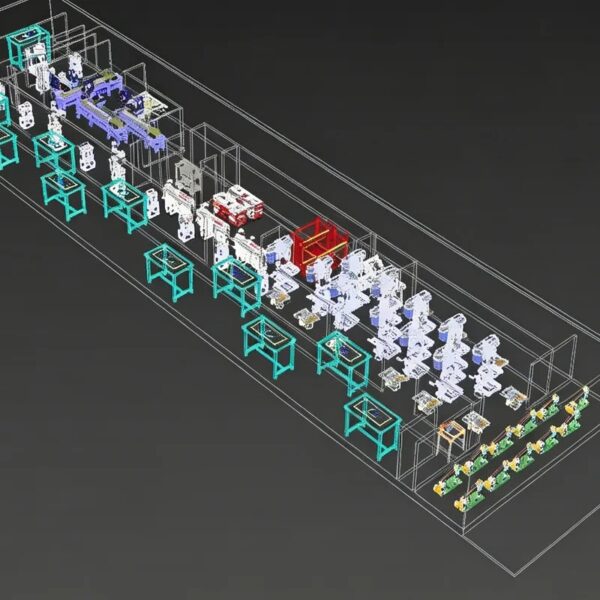
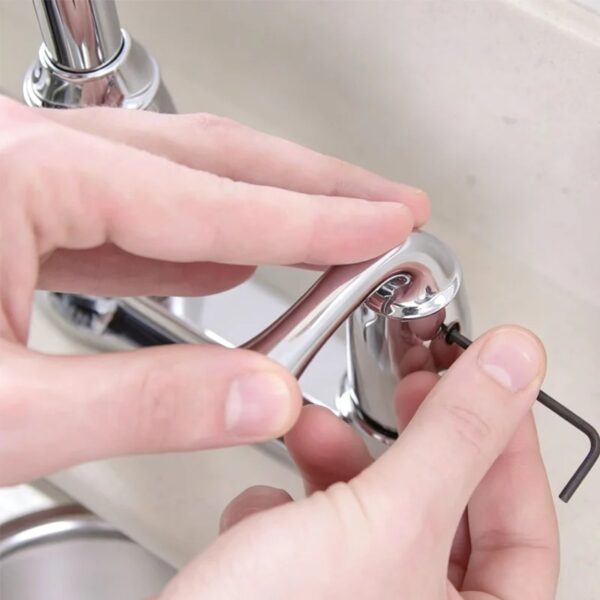
Beyond forming and finishing the product, materials in contact with drinking water are commonly evaluated against standards such as NSF/ANSI/CAN 61, which establishes minimum health-effects requirements for plumbing components — a compliance process layered on top of, not instead of, the physical manufacturing steps.
When a supplier subcontracts a specific process — casting, plating, or cartridge assembly, for example — direct quality oversight of that step passes to a third party the buyer typically never interacts with, which changes how a defect traced back to that process actually gets resolved.
Recent manufacturing research frames vertical integration as a genuine tradeoff rather than a simple advantage: integrating more process stages in-house improves coordination and oversight but increases the operational complexity a single organization has to execute consistently, according to a 2025 working paper from The Productivity Institute. Applied to bathroom fixture manufacturing, this means in-house process control isn’t automatically superior — it’s a different risk profile that needs to be evaluated on its own terms.
Two suppliers can both accurately describe themselves as an “OEM manufacturer” while one operates casting, machining, and finishing on one site and the other coordinates each of those steps through separate specialized subcontractors — a distinction that matters for lead time, quality consistency, and where responsibility sits when something goes wrong.
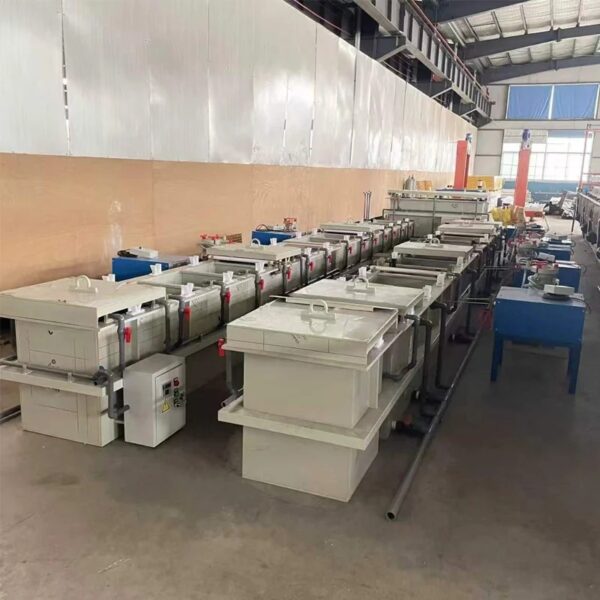
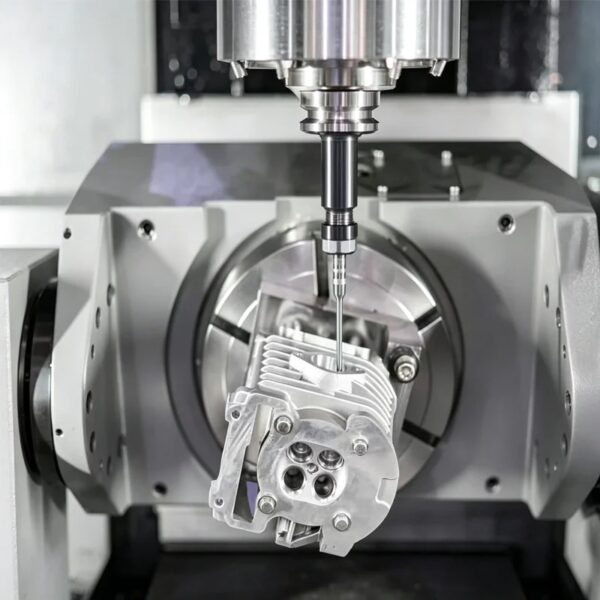
Brass and zinc alloy components are typically formed through die casting or gravity casting, while plastic components such as spray plates use injection molding — the process family selected depends on the material and the part’s structural role, not on brand preference alone.
Cast or molded parts generally require CNC machining to achieve the dimensional precision needed for threaded connections, cartridge seating, and internal waterway geometry — a separate process from casting, requiring its own tooling and quality checks.
Chrome plating, PVD coating, and brushed finishes are applied after machining, using chemical or vacuum-deposition processes entirely separate from forming or machining — and finish adhesion or corrosion resistance issues trace back to this specific process step, not to the casting or machining stages.
Cartridge installation, hose or aerator attachment, and final pressure or flow testing happen after all individual components are finished — this is the process stage where a defect in an earlier step, such as a machining tolerance error, typically becomes visible for the first time.
Over the past several years, our engineering team has supported global bathroom brands, distributors, and private-label customers evaluating suppliers for faucet and shower product programs. One consistent challenge we have observed is that many buyers initially evaluate manufacturers based on product samples and stated capabilities, but the deeper question is often where and how each manufacturing process is actually controlled.
A supplier may describe itself as a full-service OEM manufacturer, but the actual production model can vary significantly. Some suppliers directly manage key processes such as casting, CNC machining, surface finishing, and assembly, while others coordinate multiple external partners for different production stages. From a sourcing perspective, these two models create different levels of process visibility, quality traceability, and response capability when issues occur.
From an engineering standpoint, product quality is rarely determined by a single manufacturing step. Casting quality affects the foundation of the component, CNC machining controls critical dimensions such as threads and cartridge interfaces, and surface finishing determines appearance durability and corrosion resistance. A weakness at any individual stage can affect the final product performance.
At JEKARE, we believe supplier evaluation should move beyond a general question of “Are you a manufacturer?” and focus on specific process ownership and quality control points. During OEM/ODM development, our engineering team works with buyers to review manufacturing routes, process requirements, inspection checkpoints, and documentation requirements for each product category.
By maintaining visibility across key manufacturing stages — including CNC machining, die casting, surface finishing, and final inspection — JEKARE helps brands better understand where quality is created, where risks may exist, and how production consistency can be maintained from prototype development through mass production.
For global bathroom brands, this process-level transparency provides a stronger foundation for supplier qualification, private-label development, and long-term manufacturing partnerships.
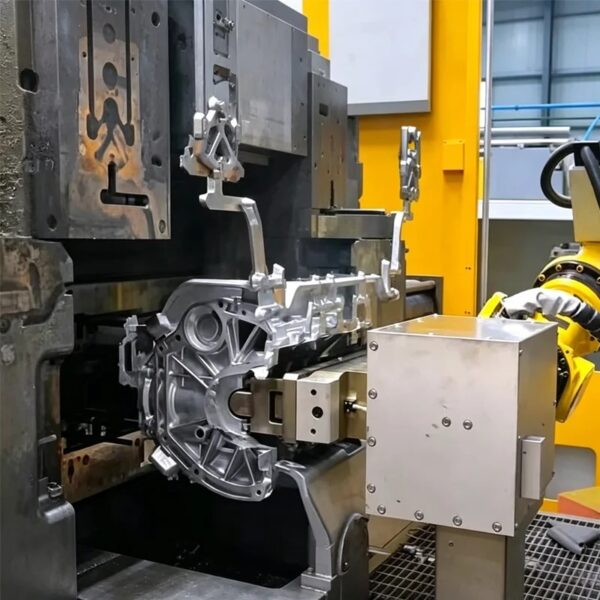
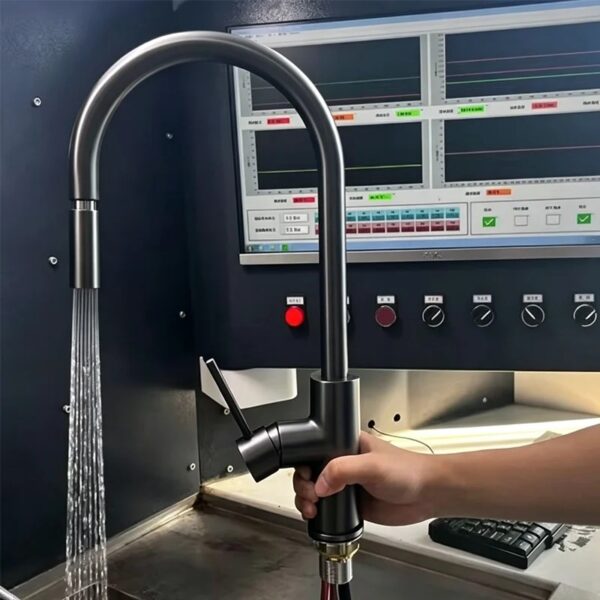
Request a straightforward breakdown of which specific processes — casting, machining, plating, assembly — occur at the quoting facility versus at a separate subcontracted site, rather than accepting a general description of “full manufacturing capability.”
Ask for equipment lists, process parameters, or quality records tied to each individual process step, since a supplier confident about their casting quality may have far less direct visibility into a subcontracted finishing process.
A defect introduced during machining can be masked by a subsequent finishing step, so ask specifically whether quality checks happen between each process stage or only once, at final inspection, after all steps are complete.
Understanding which specific processes a supplier controls directly, rather than treating “manufacturer” as a single category, connects to broader sourcing decisions about material selection and supply chain risk — a brand that knows where casting ends and finishing begins is better positioned to diagnose recurring quality issues and to evaluate alternative suppliers on a like-for-like basis. This process-level visibility becomes increasingly relevant as a brand’s product line grows to include multiple fixture categories, each of which may rely on a different combination of process capabilities.
For brands evaluating exactly this kind of process-level question, JEKARE operates CNC machining, die casting, and surface finishing as distinct, in-house process capabilities rather than a single undifferentiated “manufacturing” claim, with final inspection documented as a separate process stage rather than folded into production sign-off. This structure allows a buyer to ask about a specific process — machining tolerance, plating adhesion testing, dimensional inspection — and receive a direct answer tied to that stage, rather than a general assurance covering the entire product.
Brands developing a new faucet or shower head program can review this process breakdown directly as part of JEKARE’s OEM/ODM project process, including for private-label programs where process-level documentation needs to be shared credibly with a brand’s own retail or hospitality customers.
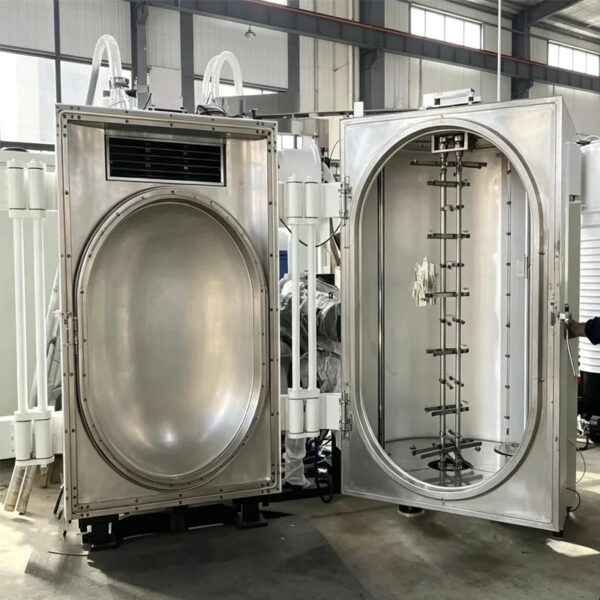
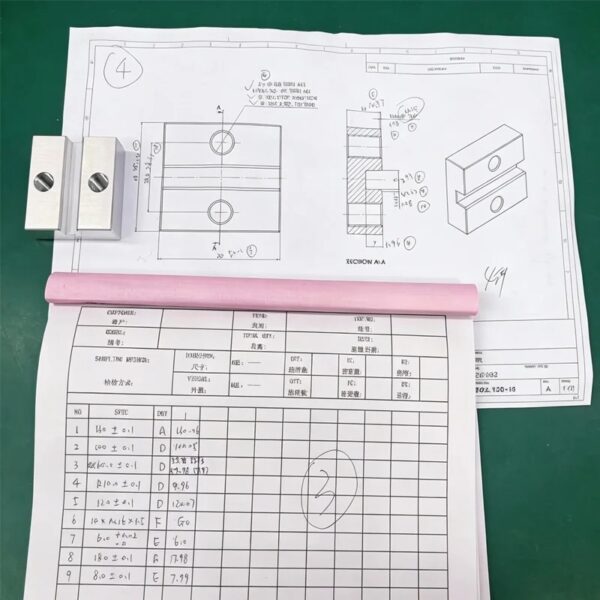
“What is the manufacturing process of shower heads and taps?” has a more specific and more useful answer for a B2B buyer than a single production narrative: casting or molding, CNC machining, surface finishing, and assembly and testing are distinct process families, each with its own equipment, quality checks, and failure modes. As more suppliers compete for a growing faucet market, the practical sourcing question isn’t whether a supplier “manufactures” the product — it’s which specific processes they control directly, and which are coordinated through a third party outside the buyer’s direct line of sight.
No — coordinated subcontracting can work well when quality checks are clearly defined between stages, but the buyer should know explicitly which model applies rather than assuming full in-house control from a general “manufacturer” description.
Because material selection is only one process input — machining tolerance, finishing quality, and assembly precision are separate process stages that each independently affect the finished product’s performance and durability.
Requesting process-stage inspection records, rather than only a final product inspection report, makes it possible to trace a specific defect back to the process stage where it was introduced, rather than to the product as a whole.
No — NSF/ANSI 61 addresses material safety for water contact specifically, not mechanical dimensional accuracy or finish durability, so it should be treated as one compliance layer alongside, not a substitute for, process-level quality documentation.
Not automatically — vertical integration improves coordination but also increases the operational complexity a single facility has to manage consistently across every process stage, so it should be evaluated as a different risk profile rather than an automatic quality advantage.
Wei is a Manufacturing Process Engineer at JEKARE with over 15 years of experience in bathroom fixture production and OEM process control. He specializes in casting, CNC machining, and surface finishing process documentation across faucet and shower head product lines. With extensive experience supporting global bathroom brands and distributors through supplier evaluation, Wei focuses on helping buyers map process-level capability rather than relying on a general manufacturing description.
✔ 20+ Years of OEM & ODM Manufacturing Experience
✔ Distinct, Documented Process Control at Every Stage
✔ In-House CNC Machining, Die Casting, and Surface Finishing
✔ Process-Stage Inspection, Not Only Final Product Sign-Off
✔ Flexible Support for Private-Label and Custom Programs
✔ Reliable Manufacturing Partner for Global Distributors and Brands
Whether you’re mapping a current supplier’s process control or evaluating a new one, JEKARE provides engineering-driven OEM manufacturing support with process-level transparency from concept development through mass production.Contact our team to review your faucet or shower head manufacturing requirements.