Call us: +86-18965139230 | Mail to us: info@jekare.com

The global green building materials market was valued at USD 285.9 billion in 2024 and is projected to reach USD 458.6 billion by 2030, growing at a CAGR of 8.5%, according to Grand View Research . Bathroom fixtures sit inside this broader materials shift, since brass, stainless steel, and engineering-grade plastics used in faucets, shower systems, and toilet seat hardware are all subject to the same sourcing pressures reshaping construction materials generally: documented composition, verifiable safety testing, and traceability back to a specific supplier rather than a generic “meets industry standard” claim.
What separates this from a general sustainability trend is that a meaningful share of what counts as “acceptable material” in bathroom fixtures isn’t a brand preference — it’s federal law. In the U.S., for example, the definition of what qualifies as “lead-free” plumbing material has been tightened by statute twice since 1986, most recently taking effect in 2014. That kind of regulatory tightening changes what a sourcing team needs to verify before a material is approved for a product line, not just what a marketing team can claim about it.
A material that fails to meet a target market’s composition requirements isn’t a quality issue that can be caught and corrected after the fact — it’s a compliance failure that can block a shipment at customs, trigger a retailer delisting, or require a full material substitution mid-program. For OEM buyers, the cost of discovering a material problem after tooling is finalized is substantially higher than catching it during supplier qualification.
Retail and hospitality buyers increasingly ask brands to document material composition as part of vendor onboarding, not just at initial product certification. A brand that can produce clear material documentation from its manufacturing partner — rather than a general assurance that “the factory follows international standards” — has a meaningfully easier compliance review with its own downstream customers.
Section 1417 of the Safe Drinking Water Act defines “lead-free” for plumbing products as a weighted average of no more than 0.25% lead calculated across the wetted surfaces of a pipe, fitting, or fixture — a standard that took effect in January 2014 and replaced the previous 8% threshold that had applied since 1986, per the U.S. Environmental Protection Agency. The EPA specifically cites bathroom sink faucets as a product category directly subject to this requirement: any faucet sold in the U.S. after January 4, 2014 must meet the 0.25% weighted-average lead content standard on its wetted surfaces.
Beyond lead content specifically, materials that contact drinking water in the U.S. — including faucet components, valves, and fittings — are commonly evaluated against NSF/ANSI/CAN 61, a standard that establishes minimum health-effects requirements for chemical contaminants and impurities that could be indirectly imparted to drinking water from a product’s materials, according to NSF International. The standard covers a wide range of material categories relevant to bathroom fixture manufacturing, including protective coatings, joining and sealing materials, and mechanical devices such as valves and faucets.
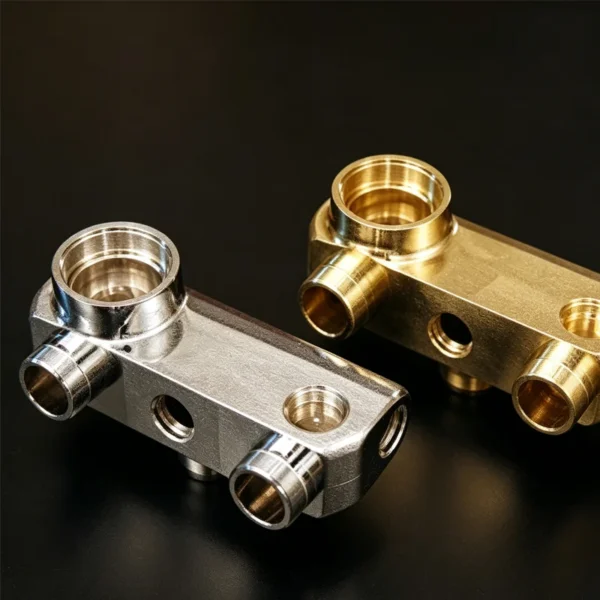
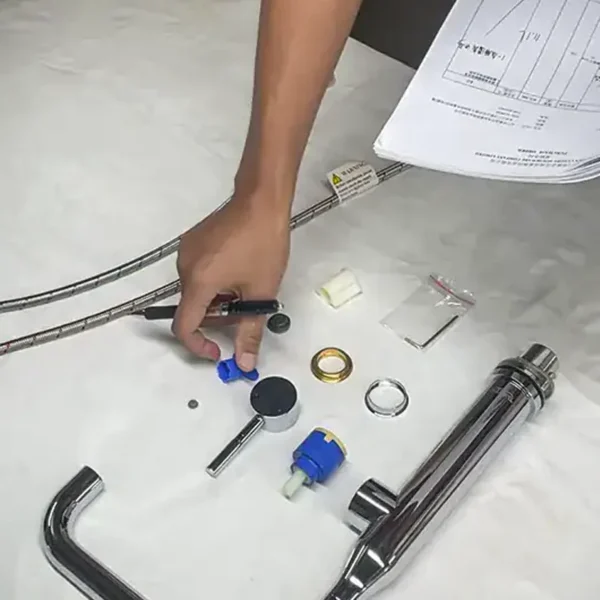
Material sourcing decisions connect directly to the next stage in a bathroom brand’s supply chain: how a qualified material actually moves through casting or molding, machining, and finishing before it reaches a finished product. A supplier that treats material documentation as a one-time certification exercise, rather than an ongoing part of production quality control, is a weaker link in that chain regardless of how the initial spec sheet reads.
The broader commercial implication is that material sourcing has become a genuine supplier-differentiation factor, not just a compliance checkbox. As documentation requirements tighten across multiple markets simultaneously — U.S. federal lead-free rules, EU material regulations, and retailer-specific sustainability audits — brands sourcing through manufacturing partners with weak material traceability face rising compliance friction with every new market they enter.
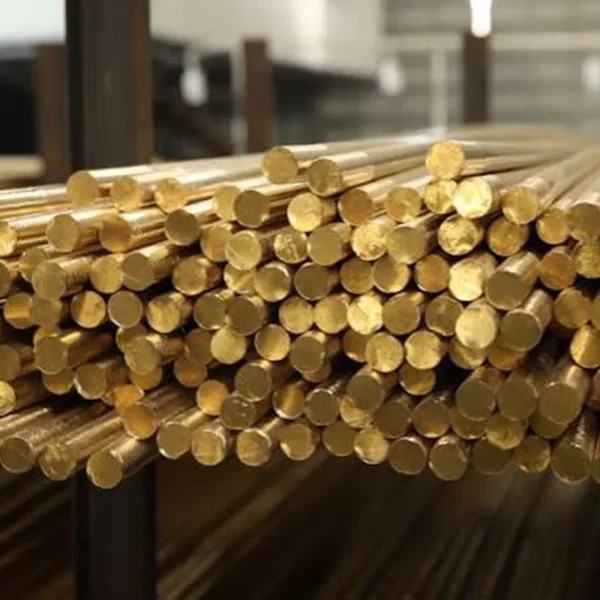
JEKARE’s faucet product line is built on brass bodies produced through in-house die casting, which supports consistent material composition tracking since the alloy source and casting process stay within a single facility rather than moving across multiple subcontracted vendors. The single-handle hot-and-cold kitchen faucet is representative of this approach — a solid brass body construction paired with a ceramic cartridge for consistent operation, finished in chrome or other corrosion-resistant plating options depending on the target market’s aesthetic and durability requirements.
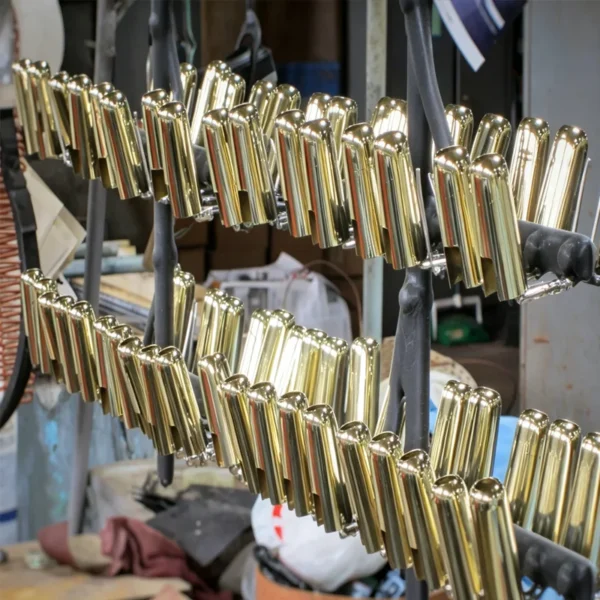
Corrosion-resistant finishes on wetted-surface components matter for more than appearance — a finish that degrades under repeated water exposure can expose the underlying substrate material over the product’s service life, which is part of why documented, tested plating processes are as relevant to material compliance as the base alloy itself. Full specification details and finish options are available on the linked product pages above for brands evaluating this line during supplier qualification.
Sustainable and compliant material sourcing in bathroom fixture manufacturing has moved well past a general environmental preference — it is now anchored in specific, enforceable standards like the U.S. lead-free requirement and material health-effects certifications such as NSF/ANSI 61. For OEM buyers, the practical takeaway is to treat material documentation as a standing requirement in supplier evaluation, not a one-time question answered during initial product certification and never revisited.
No. Under the U.S. Safe Drinking Water Act, “lead-free” is defined as a weighted average of no more than 0.25% lead across the wetted surfaces of the product — not the complete absence of lead, which is a common misunderstanding among buyers reviewing spec sheets for the first time.
Not automatically. The Reduction of Lead in Drinking Water Act specifically exempts certain fixtures, including toilets, bidets, and shower valves, from the lead-free wetted-surface requirement — so material compliance questions should be scoped to the specific product category rather than assumed uniformly across a bathroom product line.
It depends on jurisdiction. Compliance with NSF/ANSI 61 (or an equivalent) is required by drinking water agencies in most U.S. states for centralized water treatment components, and major plumbing codes generally require certified products for components in contact with drinking water, though the specific requirement is typically set at the state or local code level rather than as a single uniform federal mandate.
Material sourcing documentation traces the composition and origin of the raw material itself (such as a specific brass alloy’s lead content), while product-level testing evaluates the finished, assembled product’s performance and safety — a manufacturer needs both to support a complete compliance file, not one in place of the other.
Generally the underlying material certification carries over if the product itself isn’t modified, but any customization — a different finish, an added feature, or a material substitution for cost reasons — can affect the wetted-surface composition and should trigger a compliance review rather than being assumed to still qualify under the original certification.
Mia is a Materials Engineer at JEKARE with over 20 years of experience in bathroom fixture development and OEM manufacturing. She specializes in material composition control, corrosion-resistant finishing, and compliance-driven material selection across brass, stainless steel, and engineering-grade plastic components. With extensive experience supporting global bathroom brands and distributors through supplier qualification and material documentation reviews, Mia focuses on helping buyers understand what a material certification actually covers — and where the gaps typically sit — before a sourcing decision is finalized.
✔ 20+ Years of OEM & ODM Manufacturing Experience
✔ In-House Die Casting with Documented Brass Material Sourcing
✔ Lead-Free Compliant Faucet and Fixture Components
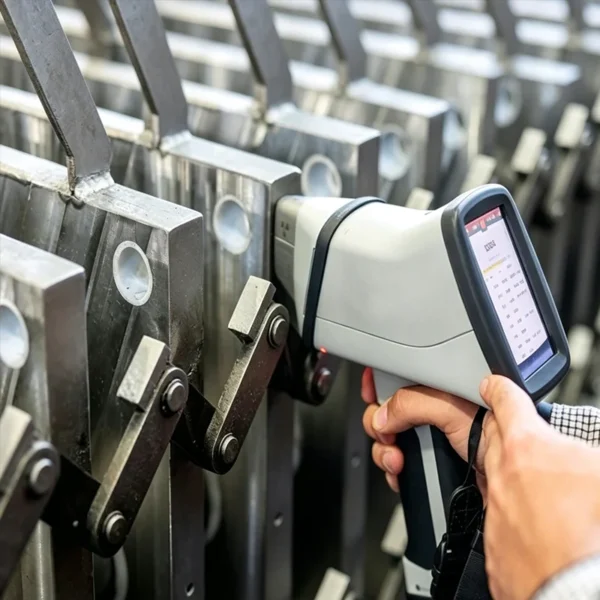
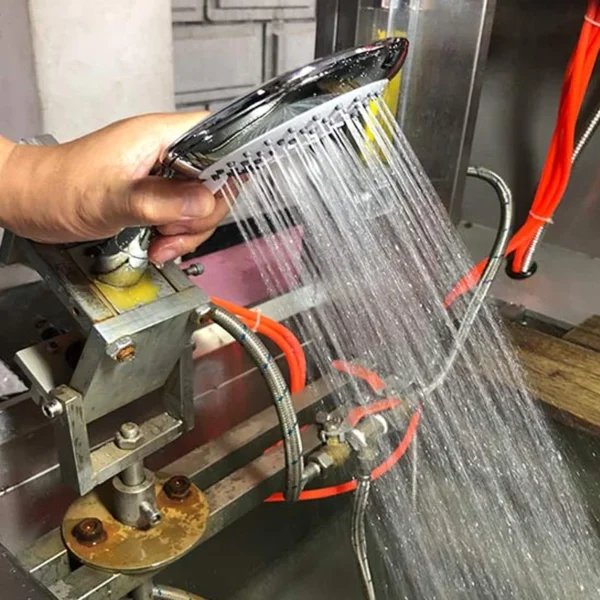
✔ Strict Quality Control and Material Traceability
✔ Flexible Customization for Different Market Certification Requirements
✔ Reliable Manufacturing Partner for Global Distributors and Brands
Whether you’re qualifying a new faucet program or reviewing material documentation for an existing supplier, JEKARE provides engineering-driven OEM manufacturing support from concept development through mass production.Contact our team to discuss your next bathroom product project.