1. Industry Background:
The bathroom fixture market is experiencing a critical shift. As global water efficiency mandates tighten and consumer expectations for consistent water pressure rise, the engineering tolerances required for shower systems have narrowed significantly.
1.1 The Rising Complexity of Shower Systems
Modern shower systems integrate multiple spray functions, air-injection technologies, and complex diverter valves. This added complexity means that a micro-millimeter deviation in a single internal component can cascade into a complete functional failure.
1.2 Changing Global Water Efficiency Mandates
Regulatory bodies are continuously updating flow rate restrictions. Complying with these standards requires exact precision; variations in the restrictor valve or spray face can easily push a batch out of compliance, leading to market recalls or import rejections.
1.3 How Supply Chain Pressures Exacerbate Variations
To offset fluctuating raw material costs, some manufacturing facilities compromise on tooling maintenance or substitute materials mid-production. This inconsistency is the primary catalyst for the field failures global bathroom brands experience months after installation.
2. Why It Matters: The Compounding Cost of Micro-Defects
For B2B buyers, distributors, and bathroom brands, product defects are not just engineering challenges—they are direct threats to profitability and market positioning.
2.1 The Direct Financial Impact of Warranty Claims
Field failures such as leaking faceplates or cracked threads generate warranty claims that erode profit margins. Processing a return, shipping a replacement, and managing customer service often costs three times the original manufacturing price of the unit.
2.2 Brand Reputation in Hospitality and Retail
In commercial applications like hotel projects, a failing shower head does not just affect one user; it impacts the operational efficiency of the entire facility. Consistent reliability is the baseline expectation for commercial procurement.
2.3 Regulatory Compliance and Certification Risks
When manufacturing variation causes a product to fail its designated flow rate or pressure limits, certifications like WRAS or WaterSense are compromised. Regulatory audits that uncover batch inconsistencies can result in severe penalties and blocked market access.
3. Market Observation: Analyzing Primary Defect Triggers
Recent analysis of sanitaryware supply chains reveals that the majority of post-installation failures stem from invisible inconsistencies during the molding and assembly phases, rather than inherent design flaws.
3.1 Material Degradation in Plastic Components
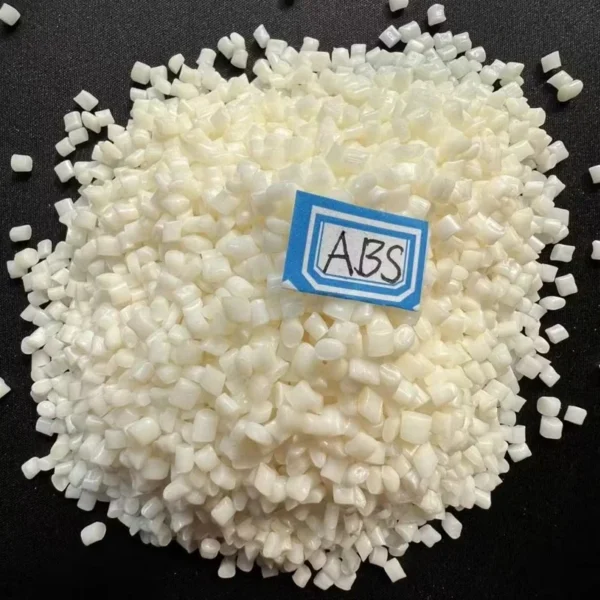
According to industry polymer engineers, using recycled ABS plastics without strict ratio controls leads to brittle internal threads. When subjected to fluctuating water temperatures, these compromised threads crack under standard municipal water pressure.
3.2 Inconsistent Water Flow and Pressure Ratings
The U.S. Environmental Protection Agency (EPA) requires strict flow consistency for certification. Data indicates that without automated flow testing on the assembly line, manual assembly variations can cause flow rates to deviate by up to 15%, causing products to fail subsequent
WaterSense compliance audits.3.3 Surface Finish Failures Under Harsh Environments
PVD and chrome plating require exact chemical balancing and timing. Research from the
Grand View Research on Bathroom Accessories highlights that finish durability remains a top purchasing criteria for commercial buyers. Minor variations in plating thickness result in premature corrosion, especially in high-humidity or coastal environments.
4. JEKARE Perspective: Where Manufacturing Variation Originates
Based on over two decades of engineering oversight in sanitaryware production, our production engineers continuously observe that field leaks and spray malfunctions are rarely random. They are the predictable result of unmonitored variables on the factory floor.
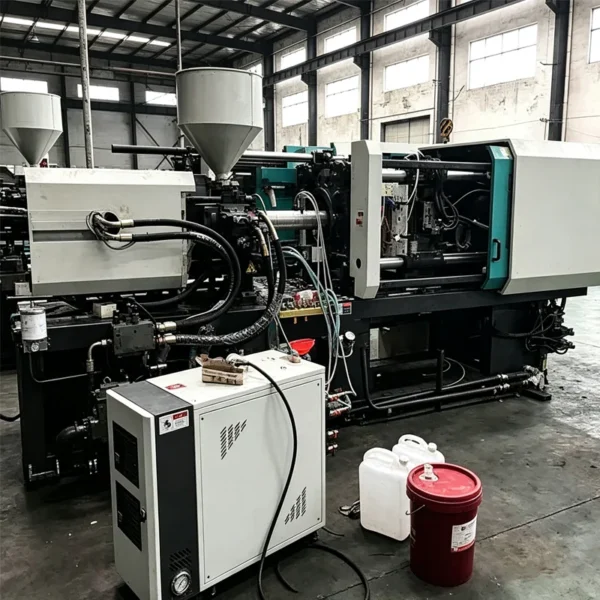
4.1 Injection Molding Temperature Fluctuations
A deviation of just a few degrees in the injection molding barrel can alter the shrinkage rate of ABS components. If the mold temperature is not strictly controlled, the resulting parts will not mate perfectly, requiring excessive glue or forced assembly that eventually fails under water pressure.
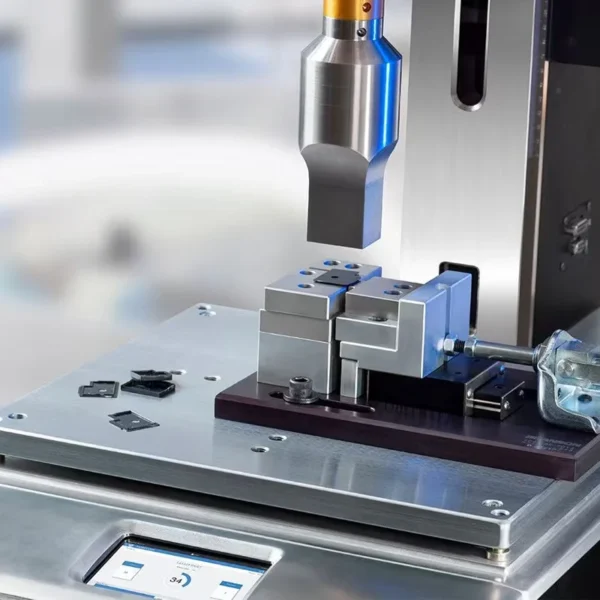
4.2 Ultrasonic Welding Inconsistencies in Spray Plates
Many OEM manufacturers rely on manual calibration for ultrasonic welding when joining the faceplate to the main body. If the frequency or pressure varies between batches, the weld seam weakens, leading to the common “side-leak” failure after a few months of use.
4.3 Plating Thickness Variations in PVD and Chrome
Inconsistent voltage during electroplating causes uneven metal deposition. Parts may look perfect upon visual inspection, but accelerated salt spray testing often reveals microscopic pores in the finish that will oxidize in the field.
4.4 Engineering-Driven Product Solutions
To eliminate these variables, brands must rely on precision manufacturing. For instance, the
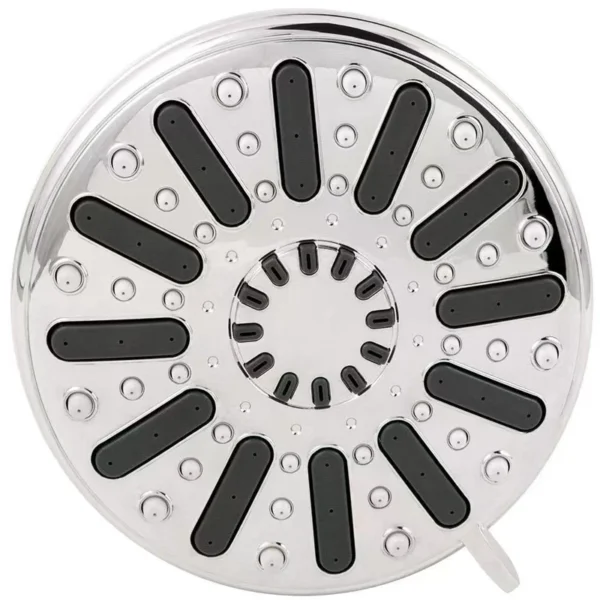
JEKARE Premium OEM Shower Heads are engineered specifically to neutralize these manufacturing variations. By utilizing closed-loop CNC machining for tooling and automated ultrasonic welding, our shower systems maintain a 99.8% dimensional consistency batch-to-batch. For B2B buyers, sourcing these precisely molded ABS and brass shower heads means significantly reducing warranty claims, ensuring perfect alignment with WRAS and CE certification standards, and guaranteeing uniform water flow performance across entire commercial projects.
5. Practical Decision Framework: Auditing OEM Supplier Reliability
Before committing to mass production, brand purchasing managers must evaluate an OEM partner’s ability to control variation. Use these criteria during your next supplier audit:
5.1 Validating Tooling Maintenance Protocols
Ask the factory how often they refurbish their injection molds. Tooling wear directly correlates with flashing (excess plastic) on internal waterways, which disrupts flow patterns.
5.2 Reviewing In-Line Quality Control (QC) Data
Do they test every batch, or only the first off the line? Look for documented air-pressure leak testing on 100% of assembled units before packaging.
5.3 Assessing Raw Material Traceability
Verify that the manufacturer uses virgin ABS or specifically engineered polymer blends from traceable suppliers, ensuring long-term structural integrity. You can review standard traceability protocols defined by
ISO 9001 Quality Management standards.
6. Engineering Deep-Dive: Mitigating Variation in Production
6.1 Implementing Automated Flow Rate Testing
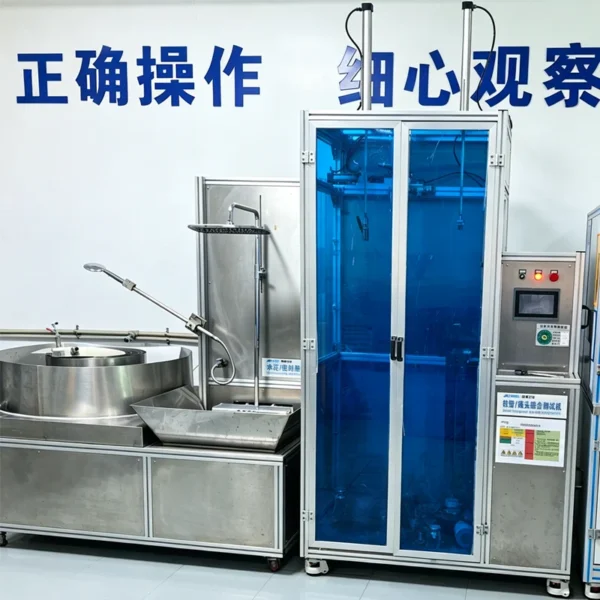
Replacing manual water testing with automated air-decay leak testing machines ensures that microscopic sealing failures are detected without relying on human judgment.
6.2 Salt Spray Testing for Finish Longevity
Continuous 24-hour and 48-hour Acid Salt Spray (ASS) testing must be a mandatory step for every new plating batch to verify that the coating thickness meets international longevity standards.
6.3 Cartridge and Diverter Valve Precision
The internal diverter is the most mechanically stressed component of a multi-function shower. Using automated torque testing during assembly ensures the switching mechanism remains smooth after 50,000 cycles.
7. What This Means for Your Brand: Building a Resilient Supply Chain
The transition from a basic sourcing model to an engineering-focused partnership is critical for bathroom brands aiming for sustained growth.
7.1 Shifting from Price-Based to Total-Cost Sourcing
When factoring in the cost of returns, negative reviews, and lost B2B contracts, a marginally cheaper shower head with high manufacturing variation is ultimately far more expensive than a precision-engineered product.
7.2 Aligning with Engineering-Driven Manufacturers
Partnering with facilities that prioritize engineering over sheer volume allows your brand to focus on design and marketing, knowing the technical execution is secure.
7.3 Securing Market Share Through Reliability
In the highly competitive sanitaryware market, reliability is the ultimate differentiator. Consistent quality builds trust with downstream distributors and project developers, securing repeat orders and long-term brand loyalty.
Conclusion
Shower head field failures are rarely accidents of design; they are the consequence of unchecked manufacturing variations. By understanding how temperature fluctuations, welding inconsistencies, and material degradation impact the final product, B2B buyers can make more informed sourcing decisions. Partnering with a manufacturer that implements rigorous, automated engineering controls is the only sustainable way to protect your brand’s reputation and ensure consistent product performance in the field.
FAQ
1. What is the most common cause of leaking in newly installed shower heads?
The most common cause is inconsistent ultrasonic welding or compromised internal O-ring seals due to microscopic variations during the injection molding process.
2. How do manufacturing tolerances affect water efficiency certifications?
If internal restrictors vary by even fractions of a millimeter, the flow rate can exceed certified limits, causing the entire product batch to fail compliance checks for standards like WaterSense or WRAS.
3. Why do some shower head finishes corrode faster than others?
Premature corrosion is typically caused by variations in the electroplating bath voltage or inadequate cleaning of the raw material prior to coating, resulting in microscopic pores in the chrome or PVD finish.
4. How can B2B buyers verify an OEM factory’s production consistency?
Buyers should request documented In-Line Quality Control data, verify tooling maintenance schedules, and confirm the factory conducts 100% automated air-decay leak testing on assembled units.
5. Does the choice of ABS plastic affect the lifespan of a shower head?
Yes. Using unverified or highly recycled ABS blends leads to material degradation, making the shower head threads brittle and prone to cracking under fluctuating water temperatures and pressures.
About the Author
Sunny is a Senior Shower Systems Engineer at JEKARE with over 20 years of experience in sanitaryware product development and OEM manufacturing. He specializes in shower system engineering, water flow optimization, spray plate design, structural improvement, and compliance-driven product development. With extensive experience working with global bathroom brands and distributors, Sunny focuses on creating reliable, cost-effective bathroom solutions through engineering innovation and strict quality control.
References
-
Grand View Research
https://www.grandviewresearch.com/industry-analysis/bathroom-accessories-market
-
U.S. Environmental Protection Agency (EPA) WaterSense
https://www.epa.gov/watersense
-
International Organization for Standardization (ISO)
https://www.iso.org/iso-9001-quality-management.html
Request Engineering Review
- Upload Your CAD Files
- Request DFM Analysis
- Start Your OEM Project
- Request Material Recommendation
Whether you need custom shower systems, faucets, toilet seats, or complete bathroom solutions, JEKARE provides engineering-driven OEM manufacturing support from concept development to mass production.
Contact our team to discuss your next bathroom product project.