Call us: +86-18965139230 | Mail to us: info@jekare.com

The repair and remodel segment led the global plumbing fixtures market with a 70.3% revenue share in the most recent reporting period, according to Grand View Research. For shower heads and hoses specifically, this means most units sold aren’t going into new bathrooms — they’re replacing an existing fixture, which puts connection compatibility, not just product design, directly in front of the end user at the point of installation.
Shower hoses used with sanitary tapware in Europe are governed by EN 1113:2015, which specifies dimensional, leaktightness, mechanical, and hydraulic requirements, including standard connection thread designations such as G 1/2 × G 1/2. A product meeting a market’s general quality expectations doesn’t automatically mean its thread and hose specifications match this standard — that has to be confirmed independently for each SKU.
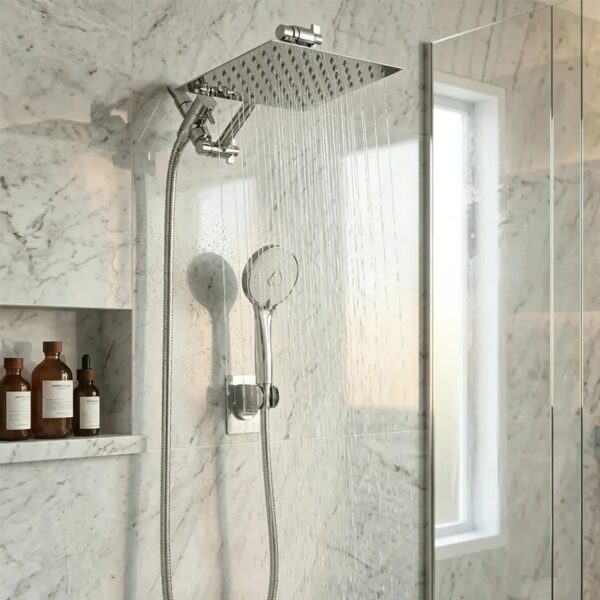
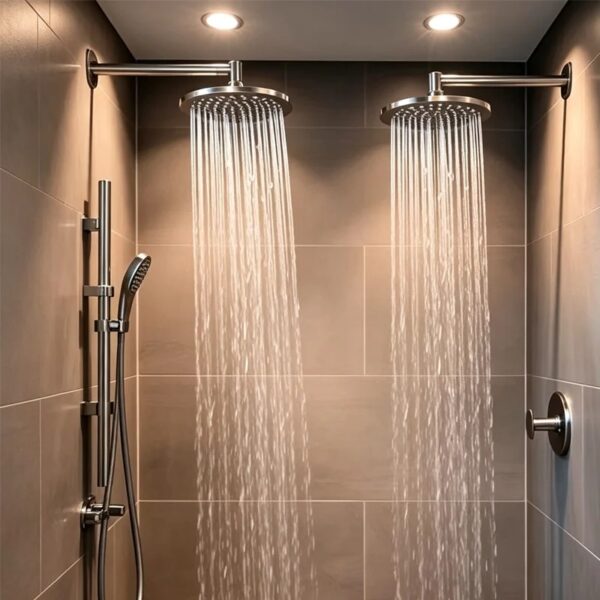
When an end user or installer buys a replacement shower head or hose and it doesn’t thread onto the existing fitting, the failure is experienced as a product defect, even though the underlying cause is a specification mismatch — this distinction matters for how a brand should be tracking and responding to return data.
In a commercial or hospitality setting, a hose or head that doesn’t match the installed thread standard means a facilities team either sources a compatible part or performs additional rework — a cost that scales with the number of units in the property, unlike a single retail return.
A shower hose can carry compliant material certification and still use a non-matching thread size or connector geometry for a specific target market, since compliance testing and physical interchangeability address different technical questions.
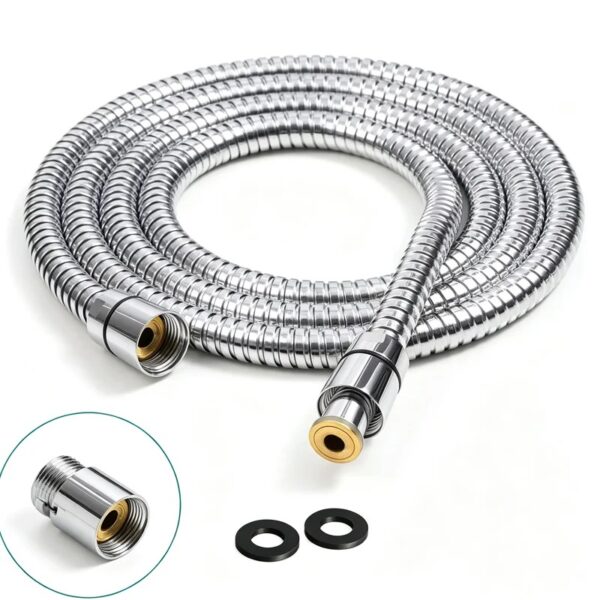
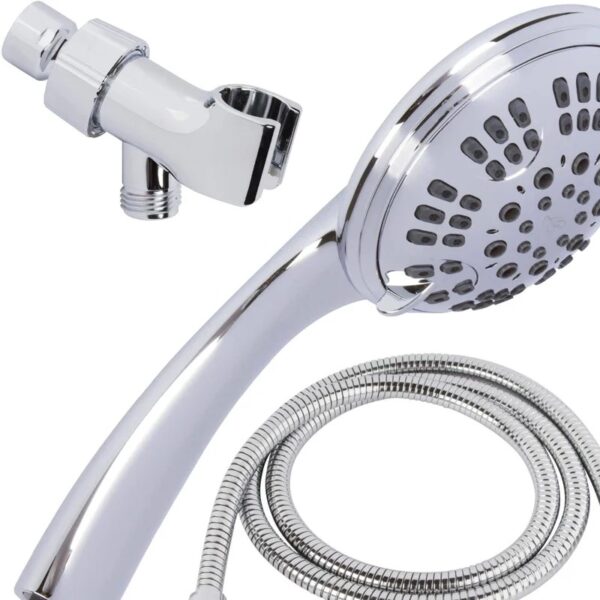
In North America, plumbing supply fittings — including shower and hose connections — are evaluated against ASME A112.18.1/CSA B125.1, a standard distinct from Europe’s EN 1113. A hose engineered and tested to one standard isn’t automatically verified against the other, which is directly relevant for any brand selling the same shower system design into both regions.
Because the plumbing fixtures market’s growth is increasingly weighted toward repair and remodel activity rather than new construction, according to Grand View Research, a growing share of every shower head and hose sold is a replacement purchase — meaning fit-and-function failures are becoming more visible to buyers and end users, not less.
Finish, spray pattern, and flow rate typically dominate early-stage product development conversations, while thread designation and connector compatibility are often confirmed later — or not confirmed explicitly at all — despite being the detail that determines whether the finished product actually works as a replacement in the field.
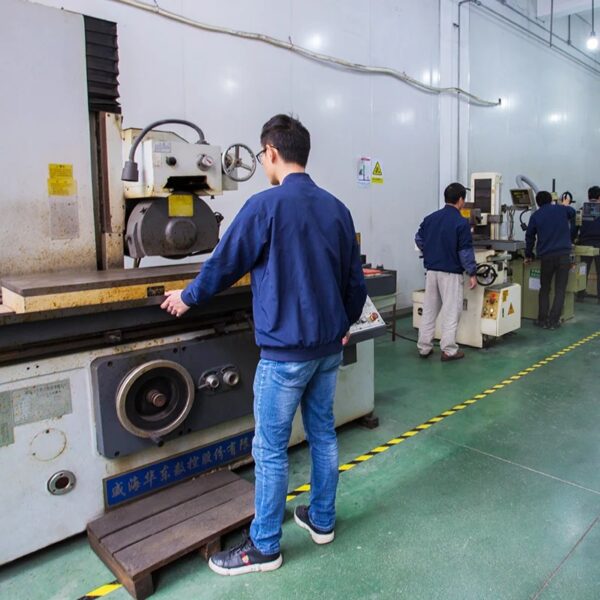
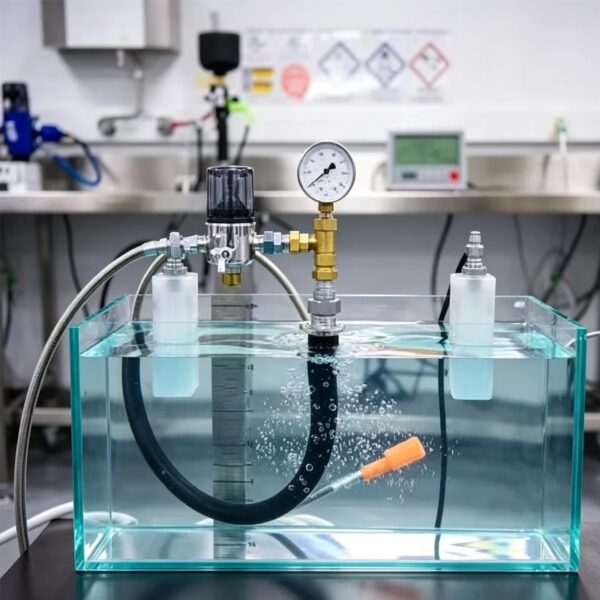
Over the past several years, our engineering team has supported global bathroom brands, distributors, and private-label buyers developing shower systems and accessory programs for different regional markets. One consistent change we have observed is that buyers are paying closer attention to compatibility specifications earlier in the product development process.
In previous sourcing discussions, product appearance, spray performance, and finish options were often the primary decision factors. However, as replacement demand continues to grow, procurement teams are increasingly recognizing that connection compatibility can directly affect installation success, customer satisfaction, and long-term product performance.
From an engineering perspective, compatibility is not defined by a simple “universal fit” statement. Thread designation, connector geometry, hose dimensions, manufacturing tolerances, and target-market standards all influence whether a shower head or hose performs correctly after installation.
Our engineering team has found that many field complaints related to shower accessories are not caused by material failure or product function issues, but by specification gaps identified too late in the sourcing process. A product may meet its material and finish requirements while still creating installation challenges if thread standards and connector interfaces are not clearly verified.
At JEKARE, we approach shower accessory development by treating compatibility as an engineering input from the beginning of the OEM/ODM process. During product evaluation, our team reviews connection standards, dimensional requirements, market-specific specifications, and production consistency to help brands reduce replacement risks before mass production.
For global bathroom brands expanding into multiple markets, this approach provides a more reliable foundation for product launches — ensuring that shower heads, hoses, and related accessories are developed not only to meet design expectations, but also to perform consistently in real installation environments.
Ask specifically whether the product’s thread designation is verified against EN 1113 for European markets or ASME A112.18.1/CSA B125.1 for North America, rather than accepting a general “universal fit” claim without a named standard behind it.
Compatibility depends on more than thread size alone — hose diameter and connector geometry also affect whether a replacement part fits an existing installation, so request all three specifications together rather than confirming thread size in isolation.
A product can pass compatibility testing against another new unit from the same production run while still failing to fit an older installed fixture with worn threads or a different original manufacturer — ask specifically how tolerance for real-world variation was tested.
Confirm material safety and finish durability certifications separately from thread and connector compatibility documentation, since a supplier may be able to speak confidently to one without having verified the other.

As replacement purchasing continues to represent the majority of plumbing fixture sales, according to Grand View Research’s most recent data, connection compatibility increasingly determines whether a shower head or hose program succeeds with end users independent of the product’s finish or spray performance. A brand that treats thread and connector specification as a confirmed design input, rather than something addressed only if a complaint arises, is positioned to reduce returns tied to fit rather than function.
More broadly, this connects to how a brand’s product line extends into private-label and hospitality programs: a supplier that documents compatibility explicitly, market by market, gives a brand a defensible basis for its own compatibility claims to distributors and hospitality customers further down the chain.
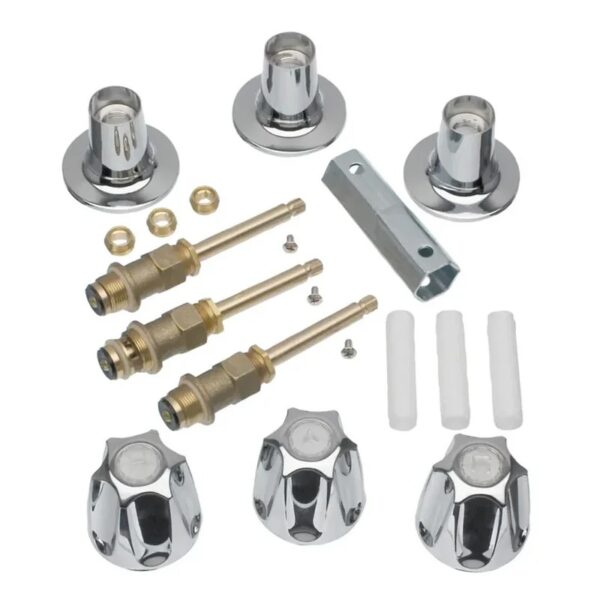
For brands building or refreshing a shower head and hose program, JEKARE’s shower head product line includes a full range of accessories — valve sleeves, flexible hoses, faucet handles, angle valves, and filter cartridges — engineered as a coordinated set for compatibility rather than as individually sourced parts. Production runs through in-house CNC and EDM processes with in-process quality control, including 3D measurement and sealing tests at JEKARE’s ISO 9001–certified facility, and finishes are validated through Acid Salt Spray, Cross-Cut Adhesion, Falling Sand Abrasion, and Boiling Water testing.
This coordinated approach extends to brands developing private-label shower systems that need documented thread and connector specifications for multiple target markets, and buyers can confirm current finish and material documentation directly through JEKARE’s OEM/ODM project process rather than relying on a general compatibility assurance.
“How do I replace a shower head and hose?” is a consumer-facing question with an underlying B2B sourcing issue: connection compatibility. As replacement purchasing continues to represent the majority of plumbing fixture sales, thread and connector specification determines whether a product functions as intended in the field, independent of its finish or spray design. For B2B buyers, the practical response is to confirm thread standard, hose geometry, and real-world fit tolerance explicitly for each target market, rather than treating universal compatibility as a default assumption.
G 1/2 is a common designation referenced in standards like EN 1113, but variations in thread depth, cone angle, and manufacturing tolerance between suppliers can still affect fit, so a shared thread designation alone doesn’t guarantee interchangeability.
No — EN 1113 and ASME A112.18.1/CSA B125.1 are separate standards with different technical requirements, so compliance with one doesn’t confirm compliance with the other for a different target market.
Differences in connector geometry, hose diameter, or thread tolerance between the original installed fixture and the replacement part are the most common causes, independent of whether either product meets its own market’s compliance standard.
Testing against a range of commonly installed fixtures, not only a brand’s own prior products, gives a more realistic picture of replacement-market compatibility, since most purchases are replacing an existing, possibly different-brand installation.
Not directly — finish is applied to the surface and doesn’t change thread dimensions, but buyers should still confirm finish and fit specifications separately, since they’re verified through different testing processes.
Chen is a Senior Shower Systems Engineer at JEKARE with over 20 years of experience in sanitary ware product development and OEM manufacturing. He specializes in shower head and hose connector engineering, cross-market compatibility documentation, and compliance-driven accessory development. With extensive experience supporting global bathroom brands and distributors, Chen focuses on helping buyers verify fit and function as distinct, equally important sourcing criteria alongside finish and material selection.
✔ 20+ Years of OEM & ODM Manufacturing Experience
✔ Coordinated Shower Head, Hose, and Fitting Accessory Sets
✔ ISO 9001–Certified Facility With In-Process 3D Measurement and Sealing Tests
✔ Finish Validation Through Acid Salt Spray, Cross-Cut Adhesion, and Boiling Water Testing
✔ Cross-Market Thread and Connector Documentation Support
✔ Reliable Manufacturing Partner for Global Distributors and Brands
Whether you’re refreshing an existing shower accessory line or developing a new one, JEKARE provides engineering-driven OEM manufacturing support with documented compatibility from concept development through mass production.Contact our team to review your shower head and hose sourcing requirements.