Call us: +86-18965139230 | Mail to us: info@jekare.com

For many bathroom brands, shower faucet evaluation traditionally begins with visible factors — design style, finish options, and retail positioning.
However, as global markets become more competitive, product performance is increasingly determined by engineering factors hidden inside the fixture.
The internal structure of a shower faucet, including the valve system, cartridge mechanism, waterway design, sealing components, and material selection, directly influences:
According to Grand View Research Faucet Market Report, faucet market growth continues to be influenced by residential construction, renovation activity, and demand for improved bathroom functionality.
For OEM buyers and bathroom brands, this means supplier evaluation is shifting from simply comparing product appearance toward understanding how products are engineered and manufactured.
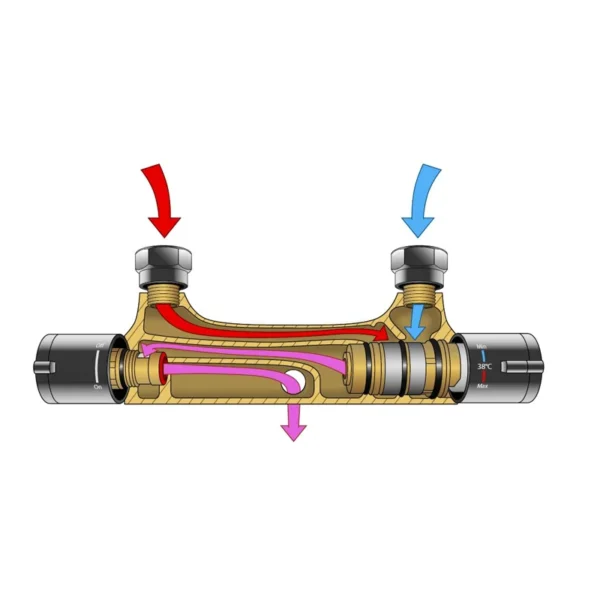
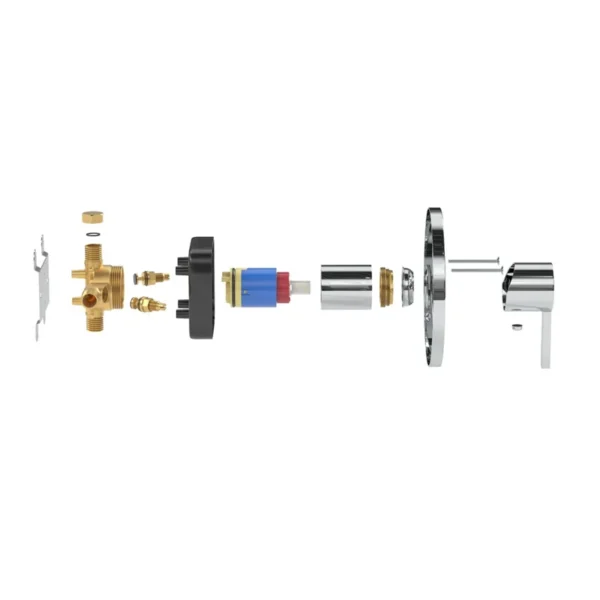
Two shower faucets may appear almost identical in a product catalog but perform differently after installation.
The difference usually comes from internal decisions made during development:
For brands managing distributor networks, hospitality projects, or retail channels, these differences can influence:
A shower faucet is not only a finished product. It is an engineered system where multiple components must operate together.
The cartridge is one of the most important internal components because it controls water flow and temperature adjustment.
During product development, OEM buyers should evaluate:
A well-selected cartridge helps maintain consistent operation throughout the product lifecycle.
For buyers comparing different faucet platforms, JEKARE has developed engineering content covering different faucet valve structures, including ceramic, cartridge, ball, and thermostatic technologies in this:Faucet Valve Technology Guide
Different applications require different control technologies.
Hospitality projects, premium residential developments, and commercial applications may have different expectations regarding:
In North American plumbing applications, shower valve performance requirements are connected with standards such as ASME A112.18.1/CSA B125.1 and related plumbing codes.
Compliance documentation is an important part of supplier qualification, but it does not represent every aspect of product performance.
For example, ASME A112.18.1 covers plumbing supply fittings, including bath and shower supply fittings, showerheads, and related components.
However, compliance alone does not answer questions such as:
For B2B buyers, standards should be viewed as one checkpoint within a broader engineering evaluation process.
Brass remains widely used for shower faucet bodies because of its mechanical properties and suitability for machining.
However, material selection alone does not guarantee performance.
Buyers should also evaluate:
JEKARE supports brass faucet production through:JEKARE Die Casting Capability
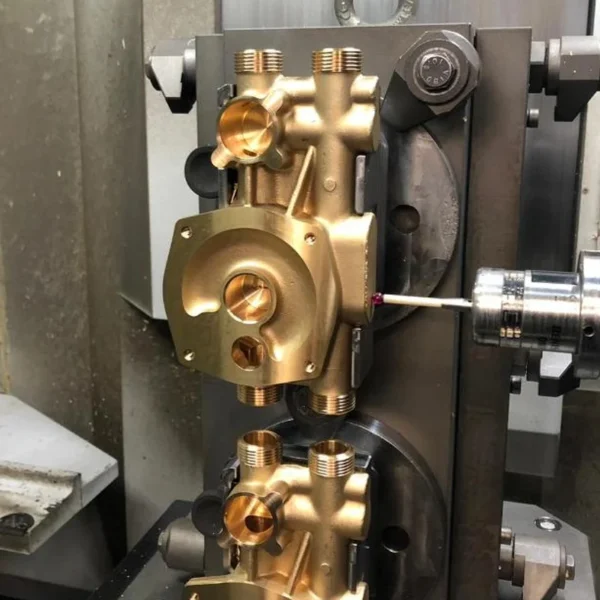
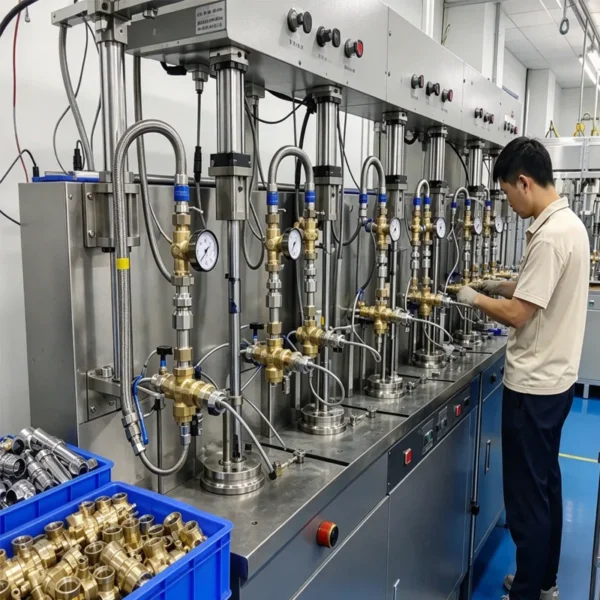
Internal faucet components require accurate dimensional control.
Machining accuracy affects:
For OEM development, buyers should understand whether suppliers have controlled machining processes rather than relying only on finished samples.
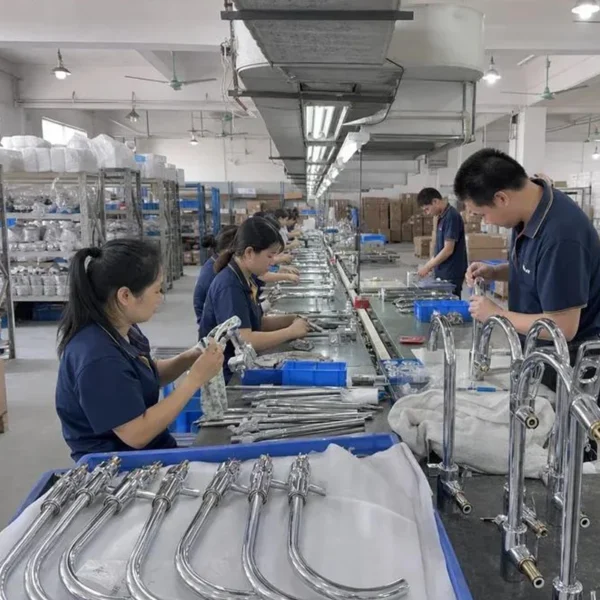
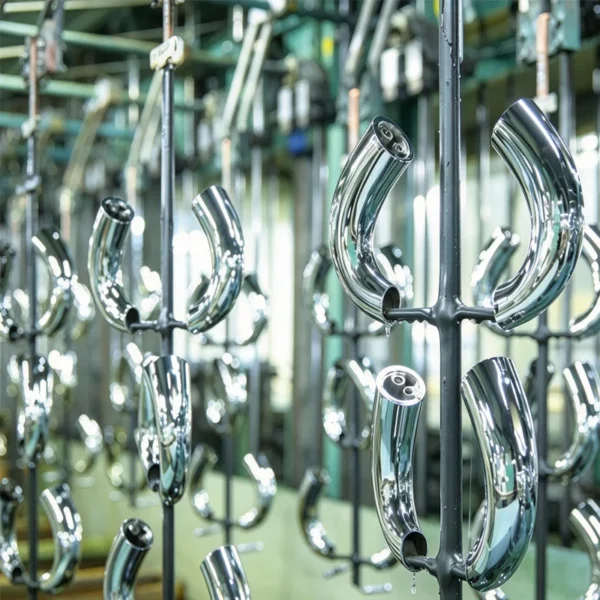
The finish is not only an aesthetic feature.
For global bathroom brands, surface performance affects:
Common finish requirements include:
JEKARE supports different bathroom product finishing requirements through:JEKARE Surface Finishing Capability
JEKARE’s engineering team supports shower faucet development discussions with global bathroom brands, distributors, and private-label customers.
A recurring engineering focus is helping buyers evaluate shower faucets beyond external appearance and product specifications.
During product development, engineering discussions typically involve:
This perspective reflects the importance of reviewing product engineering decisions before mass production rather than only evaluating finished products after production.
Before selecting an OEM supplier, buyers should ask:
Supplier evaluation should include:
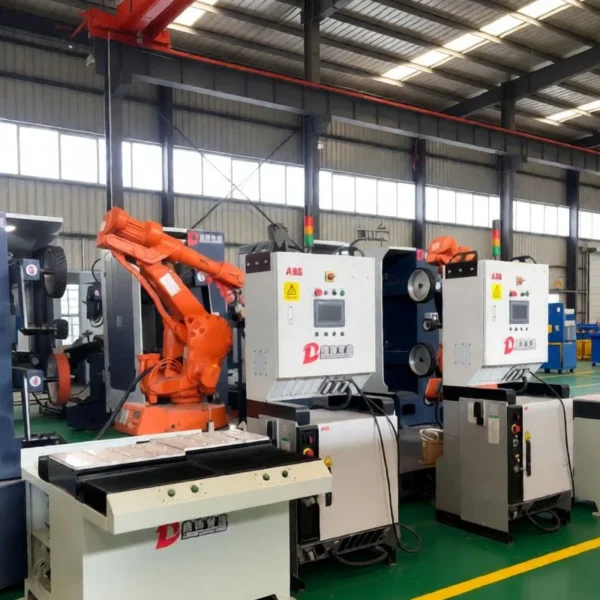
A supplier’s manufacturing capability directly affects repeatability between production batches.
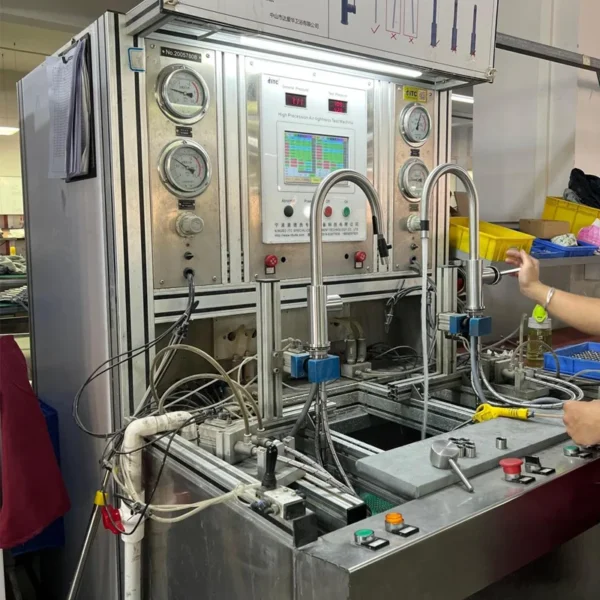
Relevant validation may include:
For products entering regulated markets, testing methods should align with applicable standards and project requirements.
For bathroom brands, shower faucet sourcing decisions influence more than one product launch.
Engineering decisions affect:
Brands that evaluate internal engineering during supplier selection can make more predictable decisions before tooling and mass production begin.
For brands developing new shower faucet collections, JEKARE provides OEM/ODM support from product evaluation through production.
The shower faucet development process can include:
Explore:
JEKARE shower faucet platforms support different market requirements through:
For new product development projects, buyers can also review:JEKARE OEM ODM Project Process
Shower faucet performance is determined by more than external design.
For B2B bathroom buyers, internal engineering decisions — including valve technology, material selection, machining accuracy, and manufacturing control — are critical factors when evaluating suppliers.
A structured engineering review process helps brands reduce sourcing uncertainty and develop products with more predictable lifecycle performance.
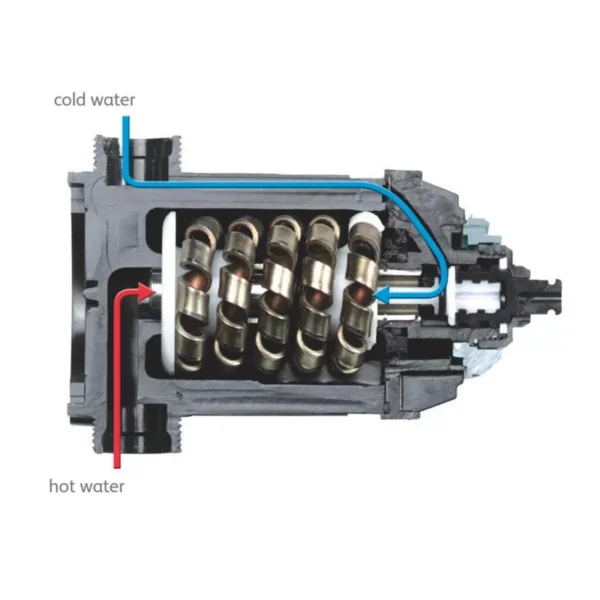

Key components include the cartridge, valve system, sealing structure, and internal waterways because they directly influence operation and reliability.
No. Standards verify specific performance requirements, while durability also depends on engineering design, manufacturing consistency, and validation.
Machining accuracy affects cartridge fitting, sealing performance, and component alignment during assembly.
Brands should request material information, testing procedures, manufacturing process details, and engineering documentation.
Evaluation should include engineering capability, manufacturing control, testing approach, customization ability, and production consistency.
Sunny is a Senior Shower Systems Engineer at JEKARE with over 20 years of experience in sanitary ware product development and OEM manufacturing.
He specializes in shower faucet engineering, valve technology evaluation, water flow optimization, structural improvement, and compliance-focused product development.
With extensive experience supporting global bathroom brands and distributors, Sunny focuses on helping buyers develop reliable bathroom products through engineering analysis and manufacturing control.
✔ 20+ Years of OEM & ODM Manufacturing Experience
✔ Complete Shower, Faucet and Bathroom Product Solutions
✔ Professional Engineering Support from Design to Production
✔ Strict Quality Control and Product Testing
✔ Flexible Customization for Different Markets
✔ Reliable Manufacturing Partner for Global Distributors and Brands
Whether you are developing a new shower faucet collection, expanding an existing bathroom product line, or evaluating a new manufacturing partner, JEKARE provides engineering-driven OEM support from concept development through mass production.Contact our team to discuss your next bathroom product project.