Call us: +86-18965139230 | Mail to us: info@jekare.com

Ceramic toilet bowls in North America are dimensioned under ASME A112.19.2/CSA B45.1, the standard for ceramic plumbing fixtures, which specifies seat-mounting bolt hole spacing of 5.5 inches (140 mm) on center for both round and elongated bowls. Toilet seats themselves are governed by a separate document, IAPMO Z124.5, which sets material, construction, and performance requirements for plastic toilet seats specifically. A buyer confirming “standard size” against only one of these two documents has verified half the specification.
Bowl shape — elongated versus round — is significant enough to distribution and inventory planning that Grand View Research segments the North America traditional toilet seat market specifically by bowl shape, with the market estimated at USD 991.1 million in 2024 and projected to grow at a 5.4% CAGR through 2030. This confirms bowl shape is treated as a distinct commercial variable in its own right, not a minor product detail.
While mounting hole spacing is standardized at 140 mm on center under ASME A112.19.2/CSA B45.1, the rim length from the mounting hole centers to the front of the bowl differs meaningfully by shape — a distinction that determines whether a seat overhangs or underhangs the ceramic bowl it’s paired with.
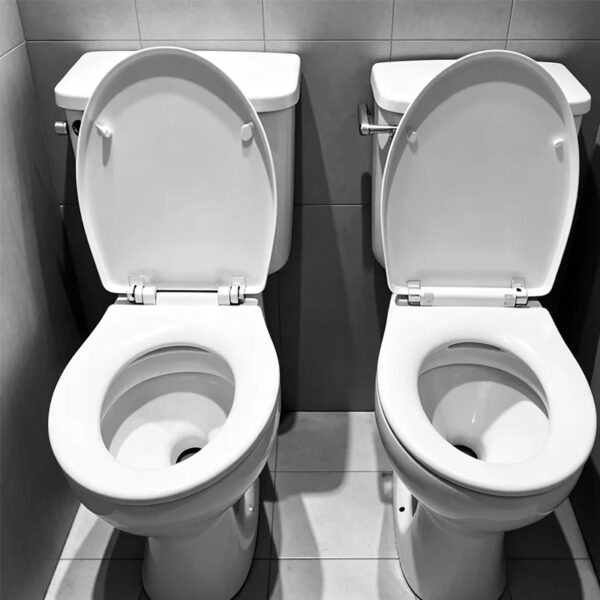
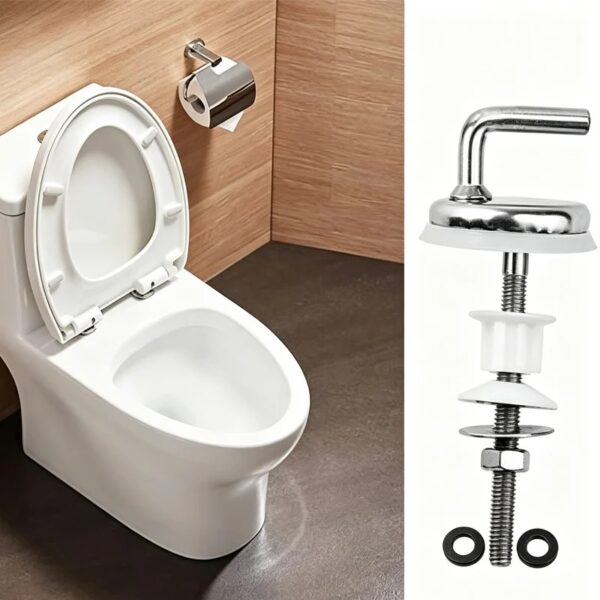
A seat that doesn’t match the paired bowl’s rim length is immediately visible to an installer or end user as ill-fitting, even when the seat itself meets every material and performance requirement in IAPMO Z124.5 — the failure is perceived as a product quality issue rather than a specification mismatch.
A property replacing seats across dozens or hundreds of rooms compounds a single dimensional mismatch into a project-wide return, unlike a homeowner replacing one seat — which makes upfront dimensional confirmation more consequential for hospitality and multi-unit procurement than for a single residential purchase.
Because these two dimensions are governed by the bowl standard rather than the seat standard, confirming a seat is “IAPMO Z124.5 compliant” verifies the seat’s own construction and performance — it does not, on its own, confirm the seat will fit a specific bowl’s rim length.
The ceramic fixture standard specifies a seat-mounting hole spacing of 5.5 inches (140 mm) on center, a hole diameter of approximately 0.56 inches (14 mm), and rim lengths measured from the seat mounting hole centers — 16.5 inches (419 mm) for round bowls and 18.5 inches (470 mm) for elongated bowls, as referenced in supplementary standard summary documentation citing the 2008 edition of this standard.
The plastic toilet seat standard covers materials, construction, performance testing, and markings for the seat itself, independent of the specific ceramic bowl it will be paired with — meaning compliance with this standard confirms seat quality and durability, not bowl-specific fit.
Because bowl shape is tracked as its own market segment by outlook reports rather than folded into a single generic “toilet seat” category, according to Grand View Research’s segmentation methodology, treating round and elongated as interchangeable in a sourcing conversation misrepresents how the category is actually structured commercially.
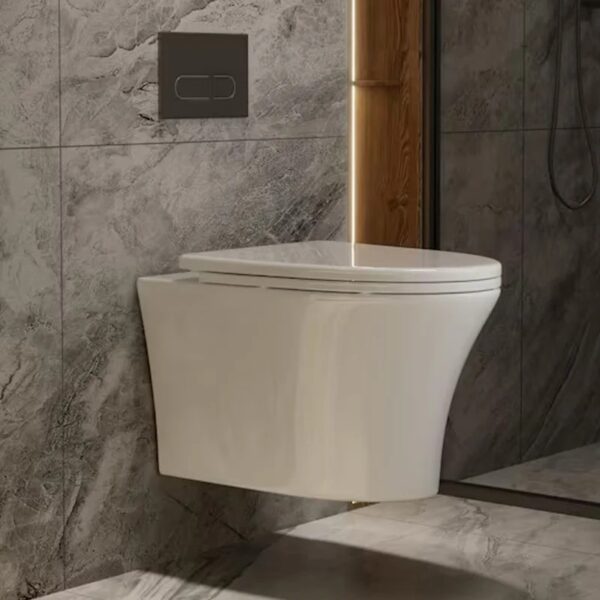
For toilet seat sourcing projects, one of the most common specification risks is treating “standard size” as a complete fit confirmation.
From a manufacturing perspective, dimensional compatibility should be reviewed from two separate aspects: the ceramic bowl interface and the toilet seat construction requirements.
A seat may meet material and performance requirements under IAPMO Z124.5, but still require additional verification of bowl-specific dimensions such as mounting hole spacing and rim length before mass production or replacement programs.
For brands and distributors developing private-label toilet seat lines, early dimensional confirmation during product development helps reduce tooling adjustments, installation issues, and potential replacement risks after delivery.
Since 5.5 inches (140 mm) is the standard spacing under ASME A112.19.2/CSA B45.1, but blind-hole and wall-hung fixture variants can differ, measure the actual installed bowl’s hole spacing directly rather than assuming the standard figure applies universally.
Ask for the specific rim length measurement from the seat mounting hole centers to the front of the bowl, rather than relying on “round” or “elongated” labeling alone, since minor rim-length variation between manufacturers exists even within the same nominal shape category.
Treat seat material and performance compliance and bowl-specific dimensional fit as two separate verification steps in a purchase order, since one document doesn’t substitute for the other.
If a hospitality or multi-unit portfolio uses ceramic fixtures from more than one original manufacturer, document the actual rim-length range across the portfolio before specifying a single replacement seat program, rather than assuming uniformity based on shape labeling alone.

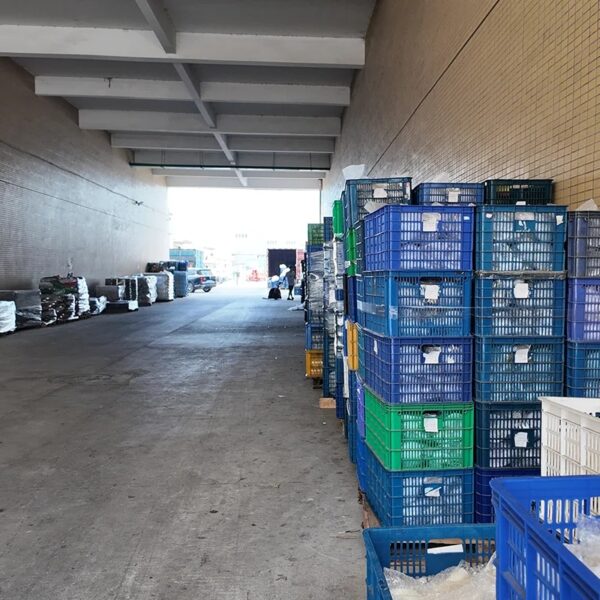
For brands supplying replacement or private-label toilet seats into commercial and hospitality channels, dimensional documentation connects directly to return rates and customer trust — a supplier that can speak specifically to mounting hole spacing and rim length, referenced against the named ASME and IAPMO standards, gives a buyer a materially more reliable basis for a multi-unit order than a general “universal fit” claim. This connects to the same product-development discipline covered in JEKARE’s toilet seat manufacturing process overview — material and construction quality is only half of what a commercial buyer needs confirmed before placing a large order.
JEKARE’s toilet seat engineering work, detailed in its manufacturing process overview, covers soft-close damping, hinge durability, and ergonomic seating structure alongside the dimensional tooling accuracy needed to match standard bowl profiles — addressing both sides of the fit question this article raises, not construction quality alone. Brands developing a private-label toilet seat program can confirm mounting hole spacing and rim-length tooling against their specific target bowl profile as part of that process, rather than relying on a generic “universal” claim.
“How do I measure a toilet seat?” has a more specific answer for a B2B buyer than checking whether it’s labeled round or elongated: mounting hole spacing and rim length are governed by the ceramic bowl standard (ASME A112.19.2/CSA B45.1), while the seat’s own material and construction quality is governed by a separate standard (IAPMO Z124.5). For B2B buyers, particularly those managing commercial or multi-unit replacement programs, the practical takeaway is to verify both dimensions against the actual installed fixture and to request compliance documentation for each standard separately, rather than treating “standard size” as a single confirmed fact.
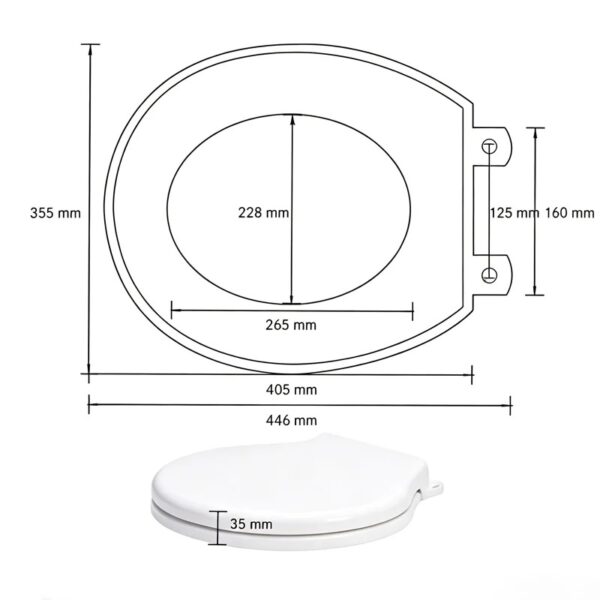
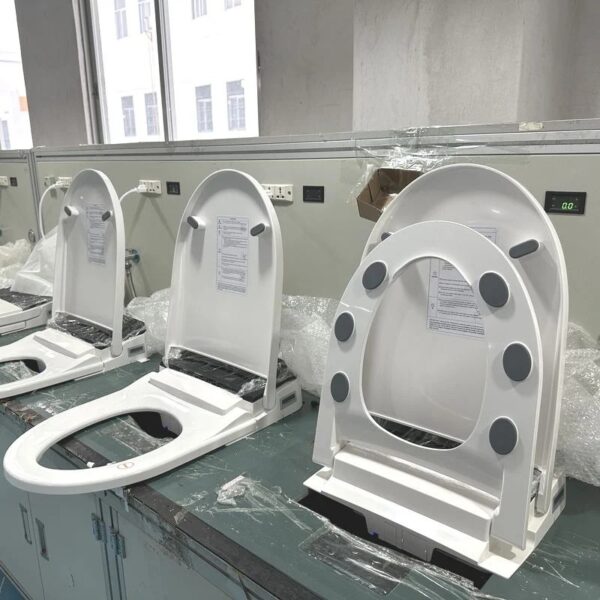
Under ASME A112.19.2/CSA B45.1, 5.5 inches (140 mm) is the standard spacing for both round and elongated bowls, but blind-hole and wall-hung fixture designs can use different spacings, so the actual installed fixture should still be confirmed directly.
No — IAPMO Z124.5 addresses the seat’s own material, construction, and performance requirements, not its dimensional fit to a specific bowl, which is why bowl-side dimensions need to be confirmed separately.
Minor variation in rim length or hinge post positioning between manufacturers, even within the same nominal “elongated” category, can produce a noticeably different fit — which is why requesting the specific rim-length measurement is more reliable than relying on shape labeling alone.
This depends on how much the actual rim-length range varies across the property’s installed fixtures — documenting that range first, rather than assuming uniformity, determines whether a single design or multiple variants are needed.
This varies by property type and region and should be confirmed against the specific portfolio being sourced for, rather than assumed — Grand View Research’s market segmentation by bowl shape reflects that both categories represent significant, distinct demand rather than one dominating universally.
Wei is a Manufacturing Process Engineer at JEKARE with over 15 years of experience in bathroom fixture production and OEM process control. He specializes in dimensional tooling accuracy and fit verification across toilet seat and fixture-compatible product lines. With extensive experience supporting global bathroom brands and distributors through commercial replacement program development, Wei focuses on helping buyers verify dimensional fit against named standards rather than relying on general size labeling.
✔ 20+ Years of OEM & ODM Manufacturing Experience
✔ Dimensional Tooling Accuracy Verified Against Named Bowl Standards
✔ Soft-Close Damping and Hinge Durability Engineering
✔ Documentation Support for ASME and IAPMO-Referenced Fit Verification
✔ Flexible Support for Private-Label and Commercial Replacement Programs
✔ Reliable Manufacturing Partner for Global Distributors and Brands
Whether you’re specifying a replacement seat program for a mixed-fixture property or developing a new toilet seat line, JEKARE provides engineering-driven OEM manufacturing support with documented dimensional fit from concept development through mass production.Contact our team to review your toilet seat sourcing requirements.