Procurement managers and interior designers are often tasked with a fundamental question when specifying bathroom hardware for multi-unit residential or hospitality projects: Do sink and shower faucets have to match?
While residential consumers frequently mix finishes or styles based on personal taste, commercial developments, hotels, and high-end apartment complexes operate under stricter visual and architectural expectations. According to a market trend report by
Mordor Intelligence, the demand for coordinated, cohesive bathroom hardware suites in commercial construction has expanded steadily through 2026, driven by hospitality brands seeking standardized guest experiences across global locations.
For B2B bathroom brands, private label importers, and project developers, answering this question is not merely a matter of aesthetic preference. It dictates manufacturing tolerances, inventory management, surface finishing consistency, and overall project cost.
Industry Background: The Shift Toward Cohesive Architectural Suites
Standardized Aesthetics in Commercial Hospitality
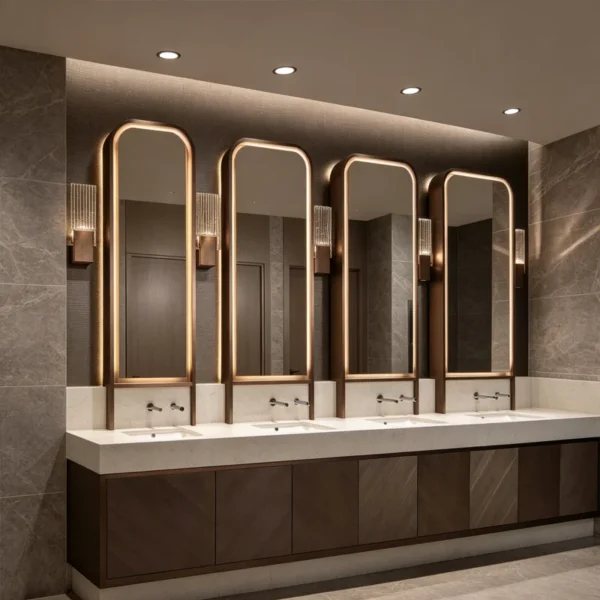
In modern hospitality architecture, the bathroom is increasingly viewed as a unified experiential zone rather than a collection of independent fixtures. Global hotel operators and real estate developers establish rigorous design guidelines that mandate visual harmony across all water-delivery points. A mismatch between a polished chrome basin mixer and a brushed nickel shower valve can disrupt the perceived quality of an entire guest suite.
The Rise of Mixed-Metal Design Trends
Conversely, interior design publications and trade shows such as
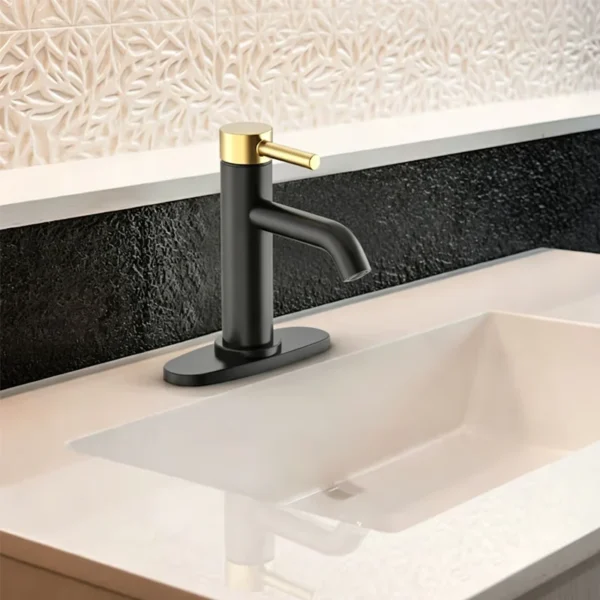
KBIS have highlighted a growing secondary trend: intentional mixed-metal designs—such as pairing matte black shower columns with brushed brass basin faucets. However, executing this strategy successfully at scale requires precise manufacturing control to ensure that “matte black” or “brushed brass” specs remain uniform across different factory production lines and component suppliers.
Why Finish and Style Consistency Matters for B2B Brands
Defending Brand Positioning and Visual Identity
For a private-label bathroom brand, product consistency is the primary driver of perceived value. If a customer opens a coordinated bathroom suite box and notices a distinct shade or sheen variance between the
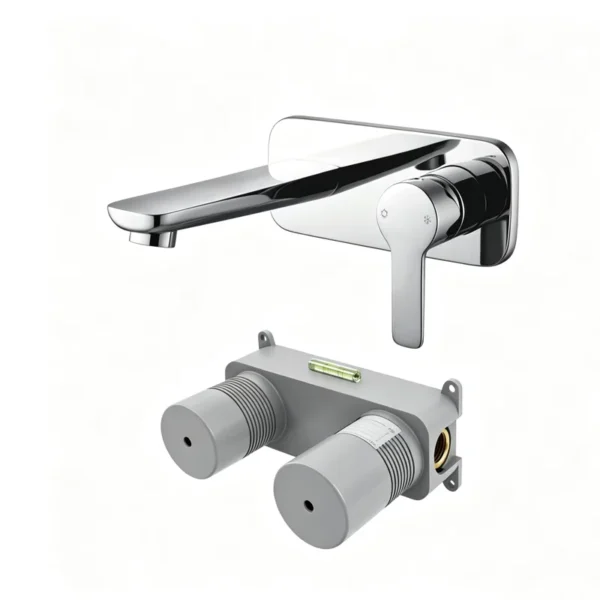
basin mixer and the concealed shower valve trim, it triggers immediate quality complaints and potential project rejections.
Minimizing On-Site Installation Conflicts
When contractors install fixtures supplied by different manufacturing sources, subtle thread variations, tolerance mismatches, and inconsistent surface treatments lead to on-site delays. Sourcing coordinated suites from a single manufacturing partner eliminates these friction points.
Streamlining Inventory and SKU Management
Managing separate suppliers for basin faucets, shower sets, and bathtub trims complicates logistics and quality control. Consolidating production under a single OEM partner ensures that all matching components undergo identical surface finishing treatments simultaneously.
Market Observation: What Global Buyers and Hospitality Standards Require
Hotel Brand Standards and Visual Continuity
According to recent insights published by
Grand View Research, commercial and hospitality segments account for a significant share of global sanitary ware consumption, with institutional buyers enforcing strict uniformity codes. Brand specifications for major hotel chains routinely require that all exposed water-contact components share identical finish codes, scratch-resistance ratings, and salt-spray corrosion benchmarks.
The Challenge of Multi-Supplier Sourcing Discrepancies
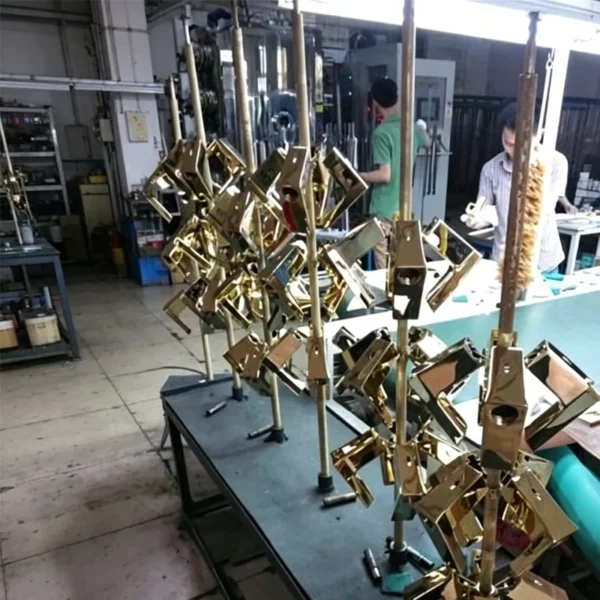
When project buyers attempt to source sink faucets and shower systems from different factories to lower initial unit costs, they frequently encounter finish discrepancies. Two suppliers using standard electroplating baths can produce noticeably different surface sheens. This reality forces many brands to centralize their sourcing with established
OEM and ODM bathroom manufacturers capable of controlling the entire production ecosystem.
JEKARE Perspective: Ensuring Finish Uniformity Across Product Lines
Controlling the Electroplating and PVD Lifecycle
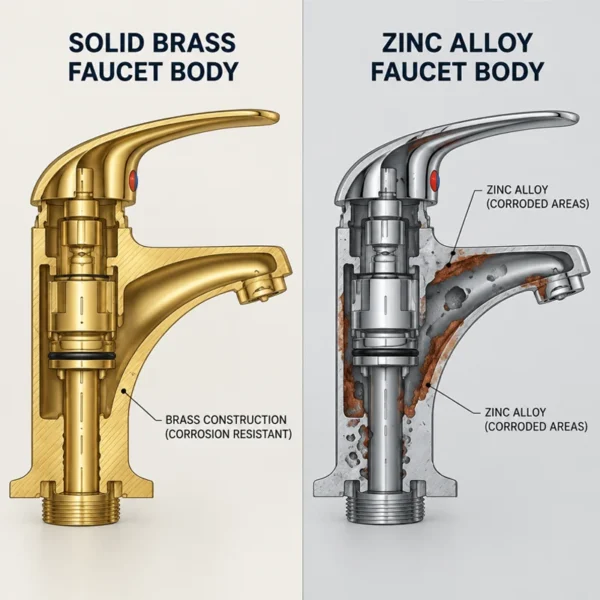
In our work with global sanitary ware brands, JEKARE’s production team frequently addresses the technical challenges of matching finishes across diverse fixture categories. Because basin faucets and large shower columns are often cast or forged using different base metals (such as brass bodies versus zinc alloy handles), achieving an identical surface appearance requires rigorous parameter control during PVD (Physical Vapor Deposition) coating and electroplating.
Leveraging Integrated Manufacturing for Complete Suites
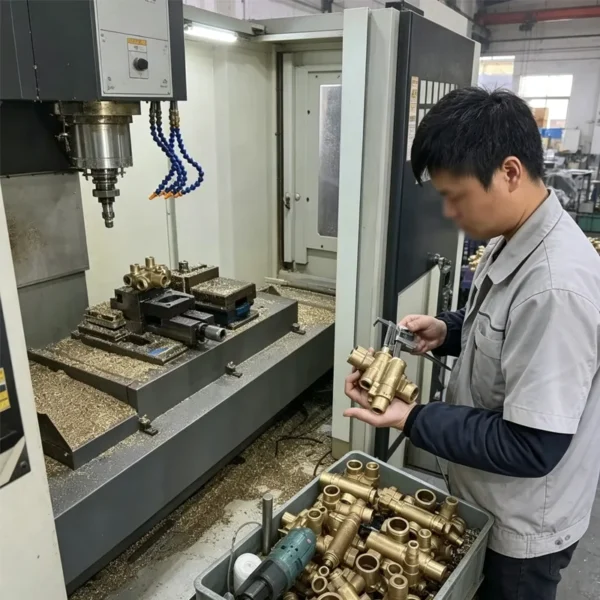
When developing coordinated bathroom collections, JEKARE utilizes
advanced manufacturing facilities that house both machining and finishing under one roof. This integrated approach ensures that whether a client specifies brushed nickel, matte black, or polished chrome, every component in a suite—from the sink tap to the concealed shower valve—maintains exact visual and mechanical consistency.
Practical Decision Framework for Bathroom Brand Procurement
Evaluating Suite Coordination Requirements
-
Does your target market or project specification mandate absolute finish matching across all water delivery points?
-
If mixed-metal designs are permitted, have you established strict color and sheen tolerances with your supplier?
Reviewing Supplier Technical Capabilities
-
Can your manufacturing partner apply identical PVD or electroplating treatments across different product categories (e.g., basin faucets and overhead showers)?
-
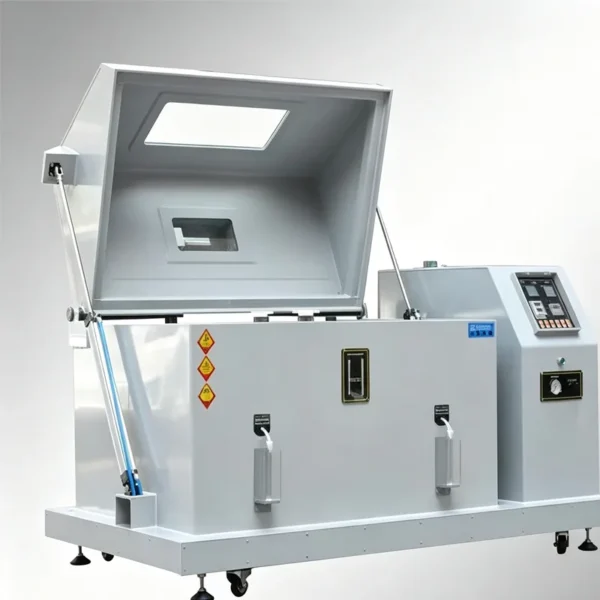
Do they perform rigorous salt-spray corrosion and film-thickness testing to verify batch consistency?
Supply Chain Consolidation Checklist
-
Are you sourcing your entire bathroom suite from a single OEM partner to eliminate variance?
-
Do your technical drawings specify uniform surface finish standards (such as ASTM or ISO grades) for all visible parts?
What This Means for Your Brand
The decision to match sink and shower faucets is ultimately tied to your product positioning and market segment. For high-end hospitality and premium retail brands, uniform coordination is non-negotiable and requires a dedicated, single-source manufacturing strategy. By partnering with an experienced OEM provider that controls both metal fabrication and surface finishing in-house, your brand can eliminate the risks of color mismatch, reduce warranty claims, and deliver a polished, cohesive product collection to the global market.
Conclusion
Whether global bathroom brands choose absolute fixture matching or controlled mixed-metal styling, the success of the product line depends entirely on manufacturing precision and surface finish consistency. Consolidating your sink and shower faucet production with a reliable OEM partner ensures strict adherence to quality standards and elevates your brand reputation across every installation.
FAQ
Do building codes require sink and shower faucets to match in commercial projects?
No building codes mandate aesthetic matching, but commercial hospitality brand standards and interior architectural specifications almost universally require visual coordination for guest satisfaction.
Why do sink faucets and shower heads from different suppliers sometimes look different even if they are both “chrome”?
Different base materials (brass, zinc, or ABS plastics), varying polishing techniques, and inconsistent electroplating bath parameters can cause subtle variations in light reflection and shade.
How do OEM manufacturers ensure finish consistency across different bathroom fixtures?
Manufacturers use advanced PVD coating chambers, automated electroplating lines, and strict spectrophotometer color-testing protocols to maintain uniform batch standards across all product lines.
Is mixed-metal design suitable for standard hospitality projects?
Mixed-metal design is popular in boutique hospitality and residential renovations, but large hotel chains typically prefer uniform finishes to maintain brand identity and simplify long-term maintenance replacement.
What is the advantage of sourcing complete bathroom suites from a single manufacturer?
Consolidated sourcing ensures uniform finish quality, reduces logistics complexity, simplifies warranty management, and guarantees mechanical compatibility across all components.
About the Author
Sunny is a Senior Shower Systems Engineer at JEKARE with over 20 years of experience in sanitary ware product development and OEM manufacturing. He specializes in shower system engineering, water flow optimization, spray plate design, structural improvement, and compliance-driven product development. With extensive experience working with global bathroom brands and distributors, Sunny focuses on creating reliable, cost-effective bathroom solutions through engineering innovation and strict quality control.
References
-
Mordor Intelligence
https://www.mordorintelligence.com/industry-analysis/global-sanitary-ware-market
-
KBIS (Kitchen & Bath Industry Show)
https://www.kbis.com/
-
Grand View Research
https://www.grandviewresearch.com/industry-analysis/bathroom-fixtures-market-report
Why Global Bathroom Brands Choose JEKARE
✔ 20+ Years of OEM & ODM Manufacturing Experience
✔ Complete Shower, Faucet and Bathroom Product Solutions
✔ Professional Engineering Support from Design to Production
✔ Strict Quality Control and Product Testing
✔ Flexible Customization for Different Markets
✔ Reliable Manufacturing Partner for Global Distributors and Brands
Whether you need custom shower systems, faucets, toilet seats, or complete bathroom solutions, JEKARE provides engineering-driven OEM manufacturing support from concept development to mass production.
Contact our team to discuss your next bathroom product project.