Call us: +86-18965139230 | Mail to us: info@jekare.com

The global faucet market was valued at USD 23.28 billion in 2024 and is projected to reach USD 36.69 billion by 2030, growing at a CAGR of 8.0% from 2025 to 2030, according to Grand View Research. Brass and bronze materials accounted for a 39.9% revenue share of the market in 2024, and manual faucets still represented 83.7% of the market by technology — a reminder that despite growing interest in smart features, the bulk of kitchen faucet sourcing decisions in 2026 remain grounded in traditional material and mechanical performance factors.
Layered on top of that traditional base, the global smart faucets market was valued at USD 3.8 billion in 2024 and is projected to reach USD 6.4 billion by 2030, growing at a CAGR of 9.1% — a meaningfully faster growth rate than the broader faucet market overall, according to Grand View Research’s smart faucets analysis. For B2B buyers, this creates two parallel sourcing tracks: continuing to source dependable, standards-compliant conventional faucets while evaluating whether and how to introduce smart or touchless options into a 2026 product line.
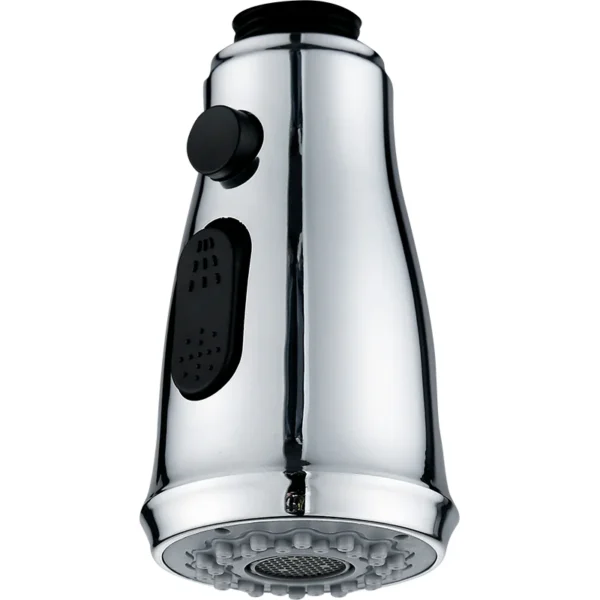
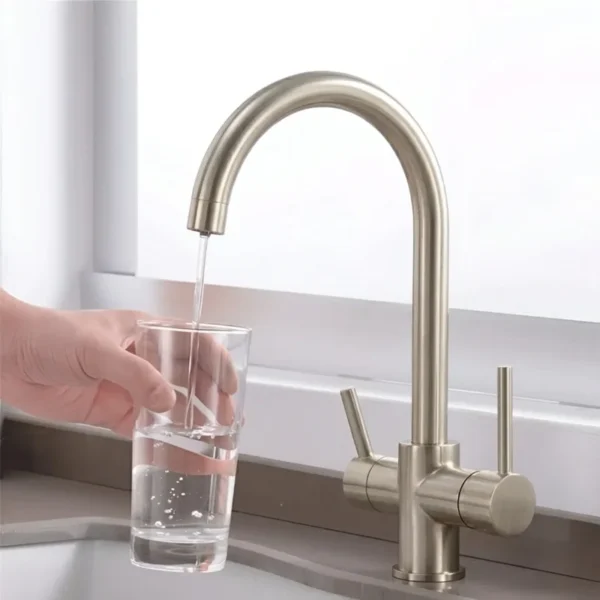
A kitchen faucet undergoes more frequent daily use than most other bathroom fixtures, which makes material and finish durability a direct driver of warranty claims and replacement cycles. A buyer sourcing on price alone without confirming material specification risks inheriting a warranty problem that surfaces well after the initial purchase order is filled.
Touchless and sensor-based kitchen faucets require different assembly, testing, and quality control processes than purely mechanical faucets. A manufacturing partner without direct experience integrating electronic components into plumbing hardware introduces execution risk that a buyer should account for before committing a smart-faucet SKU to a production schedule.
Kitchen faucets sold into regulated markets need to meet applicable plumbing fitting standards. A product that can’t demonstrate compliance faces real barriers to retail listing, code approval on commercial projects, or import clearance — independent of how well the faucet actually performs.

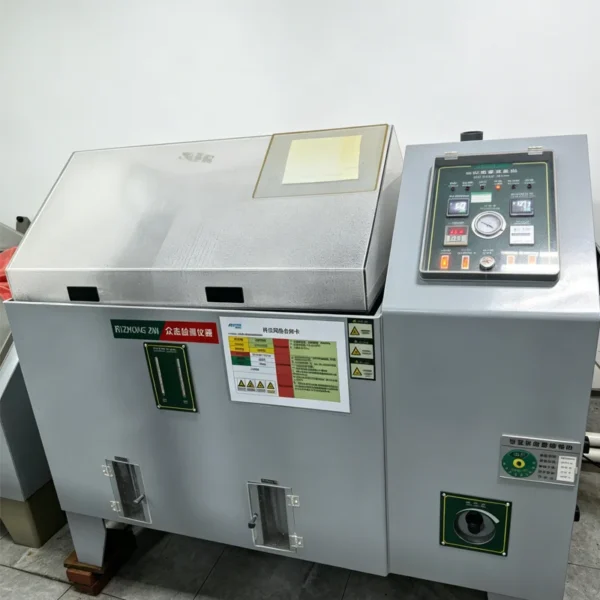
Grand View Research’s faucet market analysis identifies brass and bronze as the leading material category, attributing this to their durability, corrosion resistance, and aesthetic appeal — properties that remain particularly relevant for kitchen faucets given their high-frequency use and constant water exposure compared with many other bathroom fixtures.
While manual faucets held an 83.7% technology share in 2024, the smart faucets market’s 9.1% CAGR against the broader faucet market’s 8.0% CAGR indicates the smart segment is capturing share incrementally each year — a trend worth tracking specifically for buyers deciding when, not whether, to introduce touchless options into a kitchen faucet line.
Kitchen faucets in North America fall under ASME A112.18.1/CSA B125.1, the current standard covering plumbing supply fittings, which explicitly includes kitchen, sink, and lavatory supply fittings within its scope alongside bath, shower, and bidet fittings. The standard sets performance guidelines and test procedures that a compliant kitchen faucet must meet — giving buyers a specific, named reference point to request compliance documentation against, rather than accepting a general claim of “meets plumbing code.”
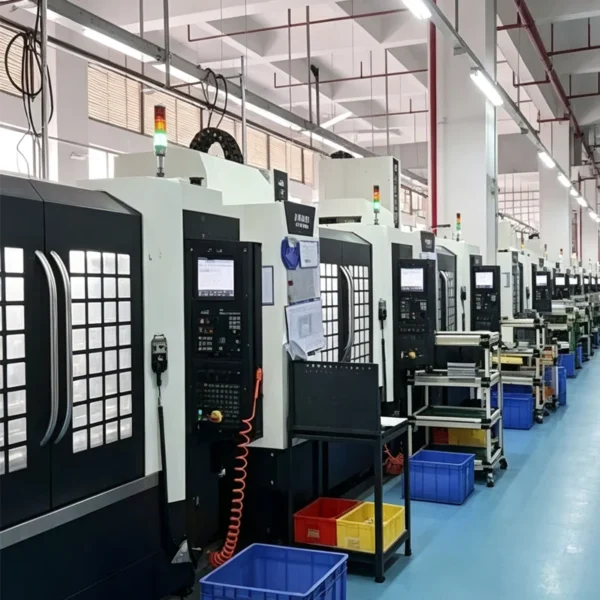
Verify the base material (brass, stainless steel, or zinc alloy) and finish process align with both the durability requirements of a kitchen application and the aesthetic expectations of the target retail or hospitality market — kitchen faucets face heavier daily wear than most bathroom fixtures, which raises the cost of getting this wrong.
Cartridge failure is one of the most common kitchen faucet warranty issues. Ask specifically about cartridge type (ceramic disc is common for durability), cycle-life testing data, and actual warranty claim history rather than accepting a general durability claim.
If a smart or touchless kitchen faucet SKU is part of your 2026 roadmap, confirm your manufacturing partner has direct experience assembling and testing sensor-integrated plumbing hardware — this is a materially different production process than standard manual faucets.
Request confirmation of compliance with ASME A112.18.1/CSA B125.1 specifically for any kitchen faucet product intended for the North American market, and confirm equivalent standard compliance for other target regions before finalizing a purchase order.
Kitchen faucet sourcing decisions increasingly require balancing two different product tracks — dependable conventional faucets that still represent the large majority of market demand, and smart or touchless options growing faster than the category overall. A brand that treats these as a single undifferentiated sourcing decision risks either overinvesting in smart features before market demand justifies it, or underinvesting and ceding early positioning to competitors as the smart segment continues to grow.
More broadly, standard compliance and material transparency have become differentiating factors buyers can use in their own downstream retail and commercial project conversations — a brand that can document ASME A112.18.1 compliance and specific material composition data has a more defensible position with its own customers than one relying on general quality claims.
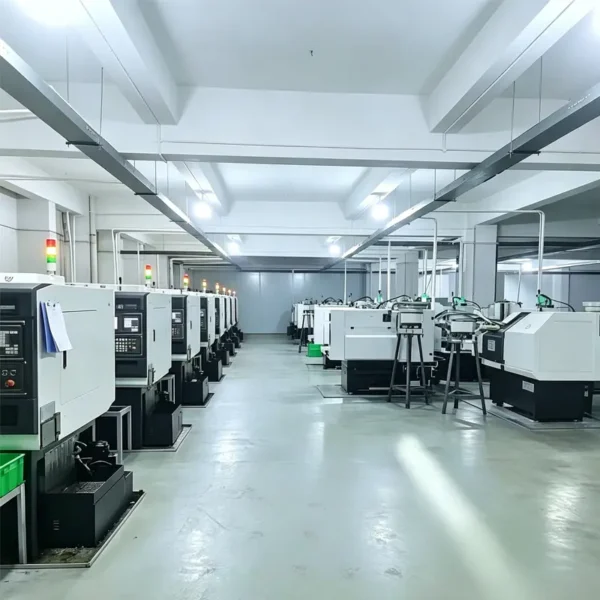
JEKARE’s single-handle hot-and-cold kitchen faucet is built on a solid brass body produced through in-house die casting, paired with a ceramic cartridge selected for consistent operation under repeated daily use — directly addressing the cartridge durability and material questions that come up most often during kitchen faucet supplier evaluation.
The broader faucet product line is available across chrome, matte black, and brushed nickel finish options through JEKARE’s in-house surface finishing capability, which allows a brand to source multiple finish variants of a kitchen faucet program without splitting production across separate vendors. Buyers can review current certification documentation directly when evaluating standard compliance for a new kitchen faucet program.
Choosing kitchen sink faucets for a 2026 product line is no longer a straightforward material-and-finish decision — it now involves weighing conventional faucet reliability against a fast-growing smart and touchless segment, while confirming standard compliance under ASME A112.18.1/CSA B125.1 for the target market. For B2B buyers, the practical takeaway is to evaluate a manufacturing partner’s material transparency, cartridge durability data, and standard compliance documentation together, rather than treating any single factor as sufficient on its own.
Not necessarily — with manual faucets still representing over 80% of the market by technology, a conventional faucet line remains the higher-volume opportunity for most brands, while a smart faucet SKU can be introduced alongside it as a differentiated offering rather than a wholesale replacement.
ASME A112.18.1/CSA B125.1 covers performance and construction requirements for the plumbing fitting itself, while NSF/ANSI 61 addresses the health-effects and material safety of components in contact with drinking water — a compliant kitchen faucet typically needs to satisfy both, since they address different aspects of the product.
Ceramic disc cartridges are widely used for their durability and consistent operation, but actual performance still depends on manufacturing quality and material grade — request cycle-life test data from a specific supplier rather than assuming all ceramic cartridges perform equivalently.
Timelines vary significantly based on customization scope, but verifying material composition, cartridge testing data, and standard compliance documentation upfront generally shortens the overall qualification process compared with discovering gaps in these areas after initial samples are already in hand.
Touchless faucets generally carry a higher unit cost due to the added sensor and control components, though the cost premium varies by supplier and sensor technology — worth scoping specifically against your target price point before committing to a touchless SKU.
Mia is a Materials Engineer at JEKARE with over 20 years of experience in bathroom and kitchen fixture development and OEM manufacturing. She specializes in material and cartridge selection, surface finishing, and standard compliance across faucet product lines. With extensive experience supporting global bathroom and kitchen brands and distributors through supplier qualification, Mia focuses on helping buyers evaluate material and technology tradeoffs against verifiable data rather than general product claims.
1. Grand View Research — Faucet Market Size, Share & Trends Analysis Report
https://www.grandviewresearch.com/industry-analysis/faucet-market
2. Grand View Research — Smart Faucets Market Size and Share Report
https://www.grandviewresearch.com/industry-analysis/smart-faucets-market
3. CSA/ASME — A112.18.1-2024/CSA B125.1-2024: Plumbing Supply Fittings
https://webstore.ansi.org/standards/csa/csaasmea112182024b125
✔ 20+ Years of OEM & ODM Manufacturing Experience
✔ Solid Brass Kitchen Faucets with Ceramic Cartridge Technology
✔ In-House Die Casting and Multi-Finish Surface Finishing
✔ Complete Faucet, Shower, and Toilet Seat Product Solutions
✔ Flexible Customization Across Finish and Configuration Options
✔ Reliable Manufacturing Partner for Global Distributors and Brands
Whether you’re sourcing a conventional kitchen faucet line or evaluating a smart faucet pilot for 2026, JEKARE provides engineering-driven OEM manufacturing support from concept development through mass production.
Contact our team to discuss your next bathroom product project.