Call us: +86-18965139230 | Mail to us: info@jekare.com

The global sanitary ware market is undergoing a structural realignment driven by changing regulatory standards, supply chain risk mitigation, and evolving market preferences for customized finishes and smart water-saving features. According to market data from Grand View Research, the global plumbing fixtures market is projected to reach USD 120.4 billion by 2030, accelerated by commercial building renovations and hospitality expansion.
At the same time, compliance frameworks such as the U.S. EPA WaterSense program and European REACH regulations continue to lower allowable lead thresholds and chemical discharge levels across key export markets. These regulatory pressures mean that relying on off-the-shelf, standard catalog bathroom fixtures exposes global brands to compliance vulnerabilities and intense price competition.
To build long-term brand equity, B2B buyers—including brand owners, purchasing managers, and distributors—are shifting from transactional off-the-shelf buying to strategic OEM/ODM component development and material-level customization.
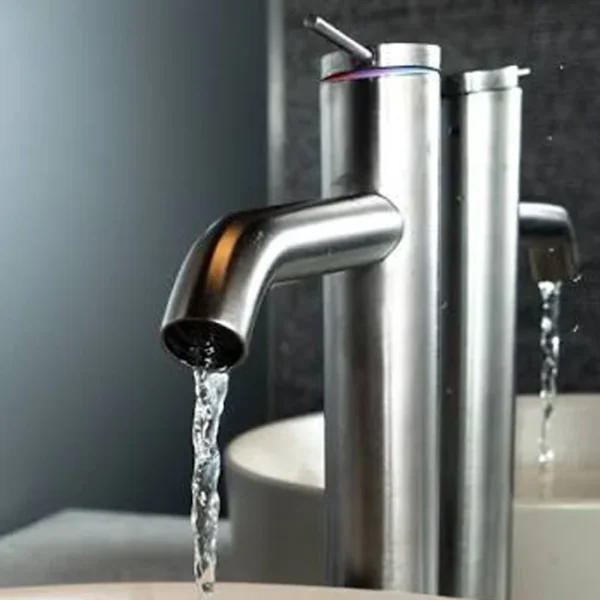
For an established bathroom brand or high-volume importer, moving away from generic supplier catalogs directly impacts three core commercial dimensions:
Standard catalog fixtures often rely on lower-grade zinc alloys or inconsistent brass formulations that fail prematurely under varying water hardness levels. Custom component engineering allows product managers to specify metallurgical tolerances, ceramic cartridge cycle durability, and internal waterway architectures to minimize long-term warranty claims.
Distributing identical white-label models leads to severe margin erosion against regional competitors. Customizing outer shell geometries, handle ergonomics, or internal spray patterns establishes proprietary design IP and protects wholesale pricing structure.
Launching a product line across North America, Europe, and Australia requires compliance with distinct standards, such as NSF/ANSI 61, WRAS, and WaterMark. Custom engineering ensures these structural and material requirements are integrated during the casting and machining stages rather than retrofitted later.
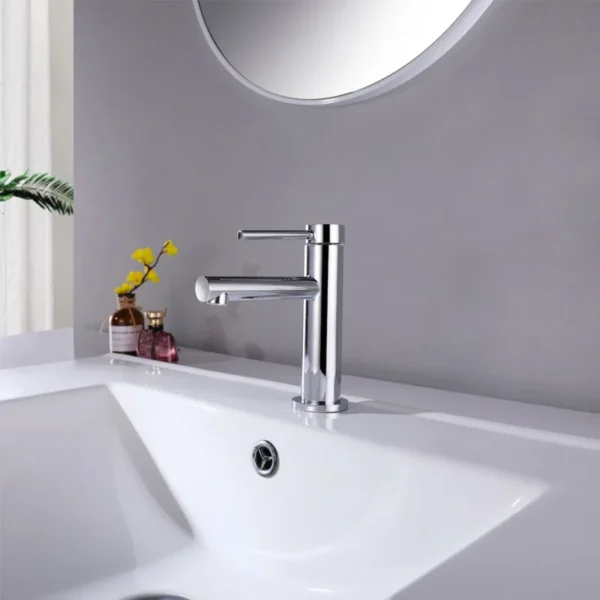
Current industry data underlines several critical macro-trends transforming OEM and ODM procurement strategies across the sanitary ware sector:
According to public compliance documentation from the International Association of Plumbing and Mechanical Officials (IAPMO), lead-free compliance enforcement has intensified across international trade boundaries, prompting brands to re-examine their raw material verification processes.
Reports from the World Building Council indicate that green building initiatives now drive over 30% of commercial plumbing specification budgets toward eco-certified, low-flow technologies.
Industry observations from international trade exhibitions, including ISH and KBIS, confirm a noticeable market shift from traditional electroplated chrome toward Physical Vapor Deposition (PVD) coatings due to superior chemical cleaning resistance in commercial applications.
From our manufacturing and production operations at JEKARE, our engineering teams observe a clear pattern during customer technical reviews: brand engineering teams are increasingly requesting pre-tooling Design for Manufacturability (DFM) analyses rather than focusing solely on initial unit costs.
In recent customer inquiries, purchasing managers have prioritized verified brass grain structure reports and salt-spray testing documentation over short-term price concessions. When brands transition from standard off-the-shelf sourcing to customized product development, early-stage engineering alignment prevents costly tooling modifications and shipping delays downstream.
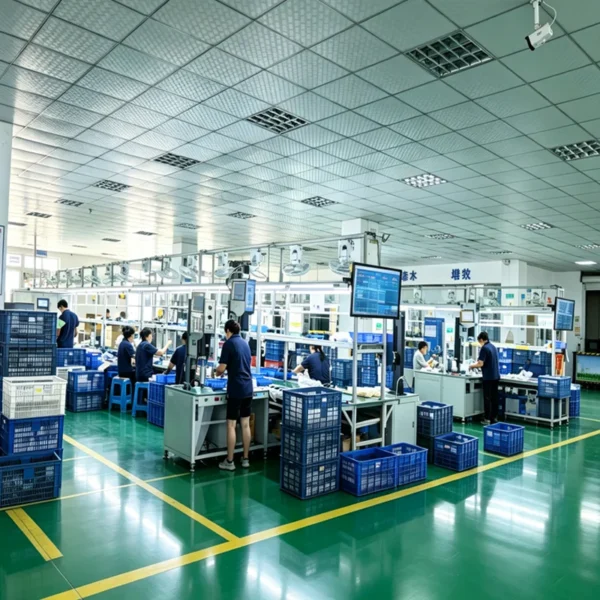
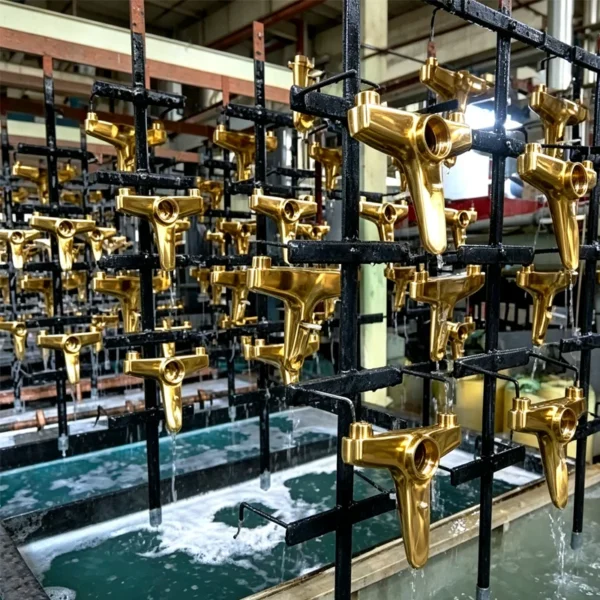
Adopting a custom sourcing strategy is ultimately a decision about market longevity and risk management. Aligning material selection, precision machining, and surface engineering with target market regulations reduces product return rates while strengthening brand reputation.
For brands seeking to expand existing product lines into specialized commercial or residential segments, establishing a structured product development roadmap is critical. To explore how custom manufacturing supports strategic expansion, read our guide on Product Line Extension Strategies.
Sourcing custom bathroom parts and faucets requires balancing material science, manufacturing precision, and strict regulatory compliance. By moving beyond commodity white-label products toward strategic custom engineering, global bathroom brands protect their margins, secure proprietary designs, and achieve long-term market competitiveness.
Lead-free brass (such as CW617N or HPb59-1) and 304/316 stainless steel are the standard choices for premium faucets. Brass provides excellent machinability and structural weight, while stainless steel offers natural corrosion resistance without requiring electroplated layers.
Physical Vapor Deposition (PVD) forms an atomic-level bond that provides significantly higher scratch and corrosion resistance compared to traditional chrome plating. PVD finishes resist harsh cleaning chemicals, making them preferred for high-use commercial environments.
Custom tooling and initial sample development typically require 30 to 45 days. This timeline includes DFM analysis, mold creation, off-tool sample casting, precision machining, and initial flow testing.
Flow rates are controlled by pairing precision ceramic disc cartridges with calibrated aerators. Internal waterways are engineered to maintain stable fluid dynamics under fluctuating water pressure conditions.
DFM analysis identifies potential casting flaws, tight tolerance conflicts, or stress points before cutting steel molds, preventing expensive tooling re-works and production bottlenecks.
Sunny is a Senior Faucet & Sanitary Ware Engineer at JEKARE with over 20 years of experience in OEM/ODM product development and manufacturing engineering. He specializes in fluid dynamics optimization, precision brass casting, PVD surface technology, and global plumbing compliance. Sunny works closely with international brands and distributors to transform custom product concepts into scalable, high-durability manufacturing solutions.
Grand View Research — Plumbing Fixtures Market Size & Growth Report
https://www.grandviewresearch.com/industry-analysis/plumbing-fixtures-market
International Association of Plumbing and Mechanical Officials (IAPMO) — Lead-Free Plumbing Standards and Certification
https://www.iapmo.org
U.S. Environmental Protection Agency (EPA) — WaterSense Technical Specifications for Bathroom Fixtures
https://www.epa.gov/watersense
✔ 20+ Years of OEM & ODM Manufacturing Experience
✔ Complete Faucet, Shower, and Custom Sanitary Component Solutions
✔ Professional Engineering Support from Concept and DFM to Mass Production
✔ Strict Quality Control, Precision CNC Machining, and Advanced Surface Testing
✔ Flexible Customization and Comprehensive Compliance Engineering for Global Markets
✔ Reliable Manufacturing Partner for Global Brands, Importers, and Distributors
Whether you need custom component development, advanced surface finishing, or a complete Kitchen Faucet Supplier Single Handle Hot Cold Faucet solution, JEKARE provides engineering-driven OEM support designed for your target market. Explore our full manufacturing capabilities across our Faucets Category.