Industry Background
The specification standards for commercial and premium residential shower systems have fundamentally shifted. Driven by changing demographic profiles and stricter accessibility regulations, fixed-height shower heads are rapidly being replaced by adjustable systems. Industry guidelines from the U.S. Access Board (ADA) and evolving European universal design standards are increasingly dictating the structural requirements of hotel, healthcare, and multi-family residential bathrooms.
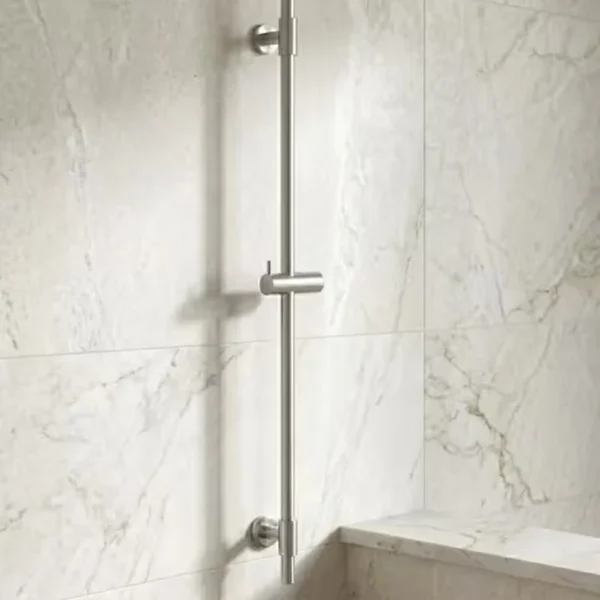
This regulatory and demographic shift forces global bathroom brands to re-evaluate their product portfolios. A shower slide bar is no longer viewed as a luxury accessory; it is a baseline engineering requirement for inclusive design, ensuring that a single shower space can accommodate users of drastically different heights, mobility levels, and functional needs.
Why It Matters
For brand owners, product managers, and hospitality procurement teams, the transition toward adjustable shower slide rails carries significant commercial implications that extend far beyond simple user convenience.
Enhancing Property Value and Guest Experience
In the hospitality sector, bathroom fixtures are a primary driver of guest satisfaction metrics. An adjustable slide bar allows a hotel to offer a personalized shower experience, catering equally to a 6-foot-tall business traveler and a family bathing a toddler, thereby increasing the functional value of the room.
Reducing Retrofit and Renovation Costs
Commercial developers are adopting “future-proof” design strategies. Specifying heavy-duty slide bars during initial construction prevents the need for costly ADA-mandated retrofits later in the building’s lifecycle.
Expanding Market Reach for Retail Brands
For retail and private label brands, integrating an engineered slide bar into standard shower kits expands the addressable market. A single SKU can now target the aging-in-place demographic, families with young children, and premium modern bathroom renovations simultaneously.
Market Observation
The transition toward adjustable shower configurations is heavily backed by market data and demographic trends. According to a recent analysis by
Grand View Research on the global plumbing fixtures market, there is a pronounced pivot toward modular and accessible bathroom configurations, particularly in the commercial and hospitality sectors.
Furthermore, data from the
World Health Organization (WHO) regarding the global aging population indicates that by 2030, 1 in 6 people in the world will be aged 60 years or over. This demographic reality is forcing developers to adopt universal design principles. In North America, the
Americans with Disabilities Act (ADA) guidelines now strictly mandate the inclusion of adjustable shower units with a minimum 59-inch hose and a slide bar in accessible bathing facilities, making these components mandatory for commercial project approvals.
The Hospitality Sector Upgrade Cycle
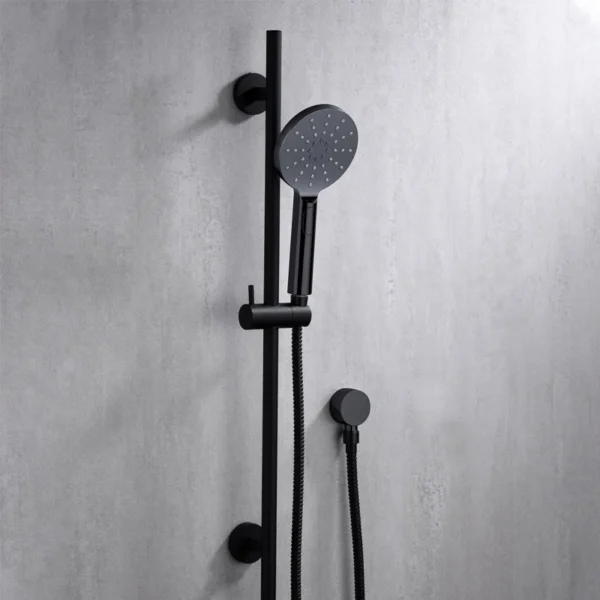
Major hotel chains are currently in a massive upgrade cycle, moving away from standard wall-mount showerheads to dual-function systems (rain shower head plus handheld unit on a slide bar). This configuration has become the baseline spec for 4-star and 5-star properties globally.
Growth of the Aging-in-Place Market
Retail brands are seeing a surge in demand from the “aging-in-place” remodeling sector. Products that combine robust grab-bar functionalities with adjustable shower brackets are capturing significant market share among consumers modifying their homes for long-term accessibility.
JEKARE Perspective
From an engineering and manufacturing standpoint, we are seeing a distinct shift in how procurement managers evaluate slide bar samples. Previously, the focus was primarily on tube length and aesthetic finish. Today, B2B buyers are intensely focused on the mechanical lifespan of the glider bracket and the load-bearing capacity of the wall mounts.
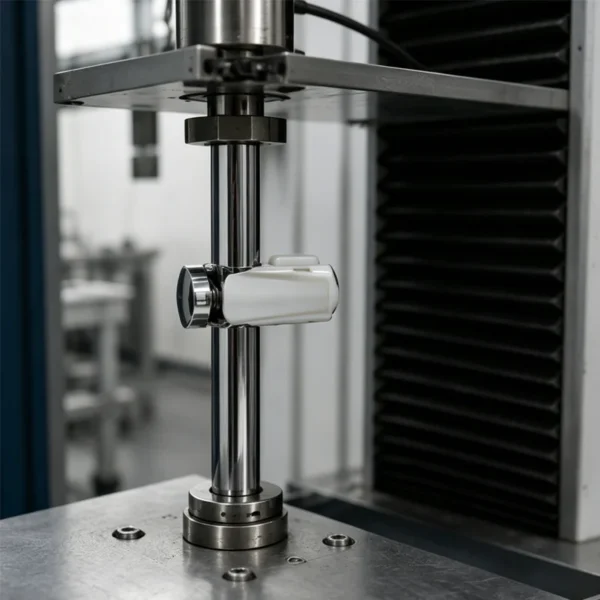
Buyers are recognizing that a slide bar is a highly interactive mechanical component. The sliding bracket (glider) undergoes constant friction, button actuation, and load stress from the showerhead and hose. If the internal spring mechanism of a push-button glider fails, the entire shower experience is compromised, leading to immediate warranty claims and negative brand perception.
Practical Decision Framework: Engineering Sourcing Checklist for Slide Bars
Before finalizing OEM specifications for a new shower system collection, brand managers and procurement teams should evaluate the following engineering criteria:
1. Material and Structural Integrity
-
Tube Metallurgy: Is the primary rail constructed from SUS304 stainless steel or commercial-grade brass (minimum 1.0mm wall thickness) to prevent denting and bending under stress?
-
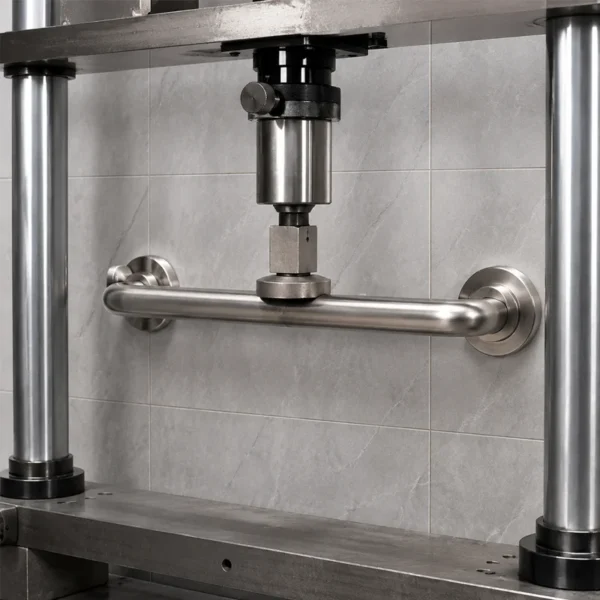
Load-Bearing Capacity: Can the assembled unit double as an ADA-compliant grab bar? (Note: Standard slide bars are not grab bars unless specifically engineered and tested for 250+ lbs of structural load).
2. Glider (Bracket) Engineering and Durability
-
Actuation Mechanism: Does the bracket use a push-button release or a twist-to-lock mechanism? Push-button designs require tested stainless-steel internal springs to prevent fatigue failure.
-
Friction and Wear: Are internal friction pads made from durable, self-lubricating polymers (like POM) to prevent scratching the metal rail over thousands of adjustments?
-
Hose Clearance: Does the bracket angle provide sufficient clearance so the shower hose does not crimp or rub against the wall during adjustment?
3. Wall Mounting and Installation Mechanics
-
Adjustable Mounting Posts: Do the wall brackets feature adjustable mounting distances? This is critical for renovation projects, allowing installers to reuse existing drill holes in tile.
-
Anchoring Strength: Are the concealed mounting plates constructed from solid brass or stainless steel, ensuring long-term stability in wet, high-humidity environments?
4. Surface Finishing and Corrosion Resistance
-
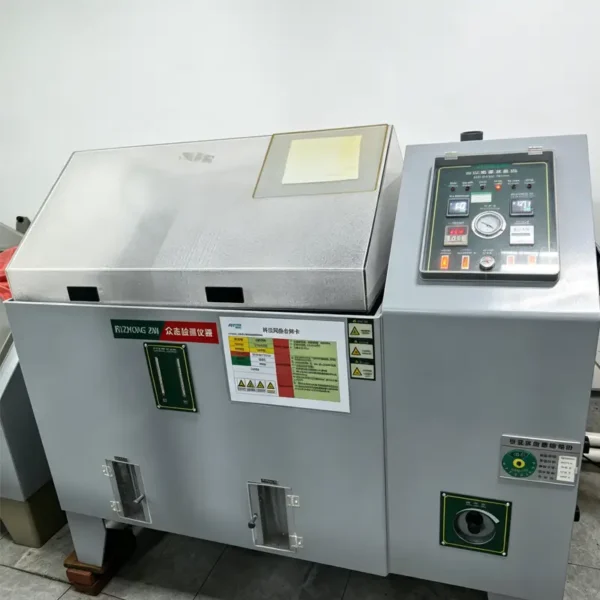
Plating Standards: Has the product passed a minimum 200-hour Neutral Salt Spray (NSS) test for Chrome or PVD finishes?
-
Color Matching: Can the factory guarantee precise color matching (Delta E control) between the stainless steel tube, the ABS/Brass bracket, and the rest of the shower trim kit?
What This Means for Your Brand
Integrating high-performance slide bars into your product portfolio shifts your brand positioning from offering basic fixtures to providing comprehensive architectural solutions. A well-engineered slide bar system reduces installation friction for contractors and minimizes warranty claims related to mechanical wear and tear.
For brands looking to upgrade their commercial or residential shower offerings, component reliability is non-negotiable. When developing custom configurations, brand managers often leverage our
JEKARE OEM Shower Slide Bars, which are engineered specifically for B2B procurement requirements. Our slide bar systems utilize 1.0mm-thick SUS304 stainless steel or solid brass tubing, paired with heavy-duty POM-lined glider brackets that undergo rigorous friction and lifecycle testing. By controlling the
surface finishing process in-house—including advanced PVD coatings—we ensure that every component matches your brand’s exact aesthetic standards while passing 200+ hour salt spray testing.
Conclusion
The evolution of the bathroom space demands fixtures that adapt to the user, not the other way around. By prioritizing robust metallurgy, proven glider mechanics, and strict finish testing, global bathroom brands can source shower slide bars that meet stringent commercial building codes while delivering an exceptional, long-lasting user experience.
FAQ
-
What is the difference between a standard slide bar and an ADA-compliant grab bar?
A standard slide bar is designed only to hold the weight of a handheld showerhead. An ADA-compliant grab bar must be structurally engineered and anchored to withstand at least 250 pounds of downward force to assist with user mobility.
-
Which material is best for commercial shower slide rails?
SUS304 Stainless Steel and DZR Brass are the optimal materials for commercial applications due to their high tensile strength and natural resistance to corrosion in high-humidity environments.
-
Why do sliding brackets (gliders) fail, and how can it be prevented?
Glider failure is typically caused by degraded internal springs or worn-out friction pads. Specifying POM (Polyoxymethylene) inner sleeves and tested stainless steel springs prevents wear and ensures smooth operation over time.
-
How important are adjustable mounting brackets for OEM brands?
Adjustable wall mounts are highly recommended for the retail and renovation markets, as they allow installers to align the slide bar with existing drill holes, avoiding the risk of cracking expensive bathroom tiles.
-
What surface finish testing is required for hospitality shower systems?
Hospitality procurement teams should demand at least a 200-hour Neutral Salt Spray (NSS) test or a 24-hour Acid Salt Spray (ASS) test to ensure the finish will withstand harsh industrial bathroom cleaning chemicals.
About the Author
Sunny is a Senior Shower Systems Engineer at JEKARE with over 20 years of experience in sanitary ware product development and
OEM manufacturing. He specializes in shower system engineering, water flow optimization, spray plate design, structural improvement, and compliance-driven product development. With extensive experience working with global bathroom brands and distributors, Sunny focuses on creating reliable, cost-effective bathroom solutions through engineering innovation and strict quality control.
References
-
Grand View Research — Plumbing Fixtures Market Size, Share & Trends Analysis Report
https://www.grandviewresearch.com/industry-analysis/plumbing-fixtures-market
-
World Health Organization (WHO) — Ageing and Health
https://www.who.int/news-room/fact-sheets/detail/ageing-and-health
-
U.S. Access Board — ADA Accessibility Standards for Bathing Facilities
https://www.access-board.gov/ada/
Request Engineering Review
✔ 20+ Years of OEM & ODM Manufacturing Experience
✔ Complete Shower, Faucet and Bathroom Product Solutions
✔ Professional Engineering Support from Design to Production
✔ Strict Quality Control and Product Testing
✔ Flexible Customization for Different Markets
✔ Reliable Manufacturing Partner for Global Distributors and Brands
Whether you need custom shower systems, faucets, toilet seats, or complete bathroom solutions, JEKARE provides engineering-driven OEM manufacturing support from concept development to mass production.
Upload Your CAD Files and Start Your OEM Project