Call us: +86-18965139230 | Mail to us: info@jekare.com

The global shower heads market was valued at USD 13.3 billion in 2024 and is projected to reach USD 20.41 billion by 2030, growing at a CAGR of 7.8%, according to Grand View Research. Despite this growth and ongoing product innovation, leaking remains one of the most common post-sale complaints in this category — a persistent quality issue that spans price points and product generations rather than being resolved by newer designs alone.
A shower head leak is rarely a mystery once diagnosed — it typically originates at one of a small number of specific connection or seal points: the threaded connection to the shower arm, the O-ring or gasket seal within the head body, or the seam where the spray plate meets the housing. Understanding which of these is failing, and why, says more about a manufacturer’s process control than a general “leak-proof” marketing claim ever does.
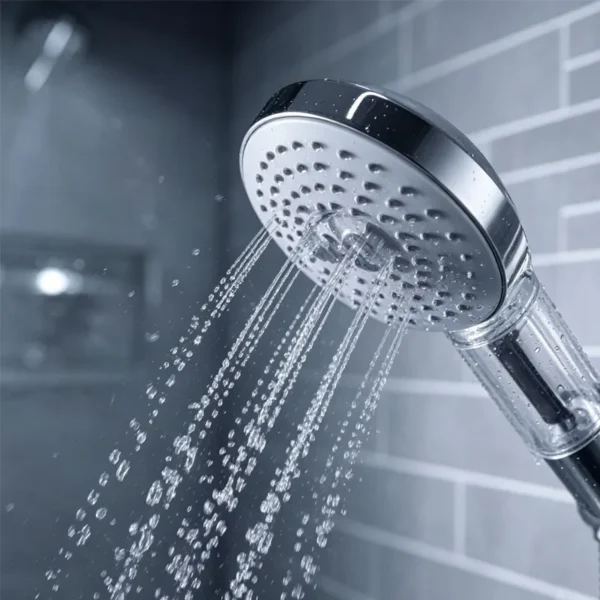
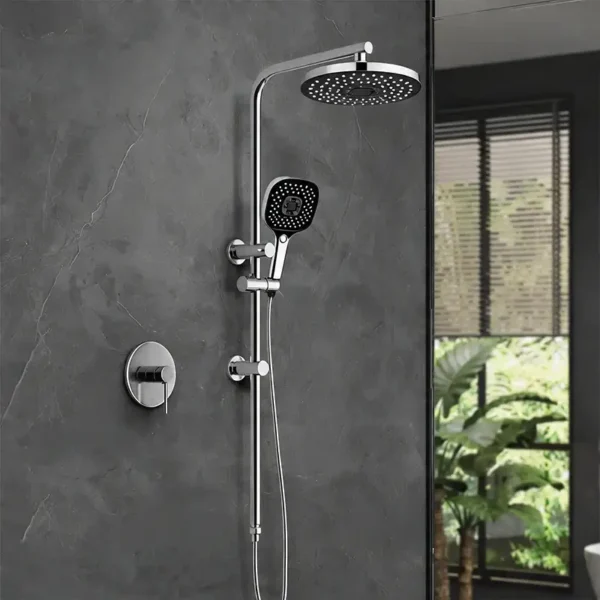
A single leaking unit can be a random defect. A recurring leak pattern concentrated at the same connection point across multiple units from the same supplier is a process control signal — it points to a specific tolerance, sealing material, or assembly step that isn’t being controlled consistently.
Unlike many cosmetic warranty issues, a shower head leak can lead to water damage in surrounding walls or flooring if left unaddressed, which raises the stakes of a leak-related warranty claim well beyond the cost of the fixture itself.
A manufacturer claiming a product is “leak-tested” without specifying pressure conditions, test duration, or which connection points were evaluated is making a claim that’s difficult to verify or compare against a competing product’s testing regime.
Hand-held and fixed shower heads are commonly evaluated against ASME A112.18.1/CSA B125.1, the plumbing supply fittings standard, which sets performance requirements including leak and pressure resistance for these fittings. This gives buyers a specific, named reference point for leak-resistance claims — a product tested and compliant under this standard has been evaluated against defined criteria, rather than an internally-defined and unverifiable “quality” benchmark.
Internal sealing components — O-rings, gaskets, and washers in direct water contact — fall under material safety standards like NSF/ANSI 61, which addresses health-effects requirements for materials that could impart contaminants into drinking water. This is a separate compliance question from mechanical leak resistance, but relevant since sealing material degradation over time is itself a common cause of leaks that develop months or years after installation, not just at initial installation.
The threaded connection between a shower head and its arm is generally built around standard pipe thread conventions (NPT in North America, BSP in most other markets), and a mismatch or inconsistent thread tolerance at this connection is one of the more common sources of slow leaks that develop gradually rather than failing immediately at installation.
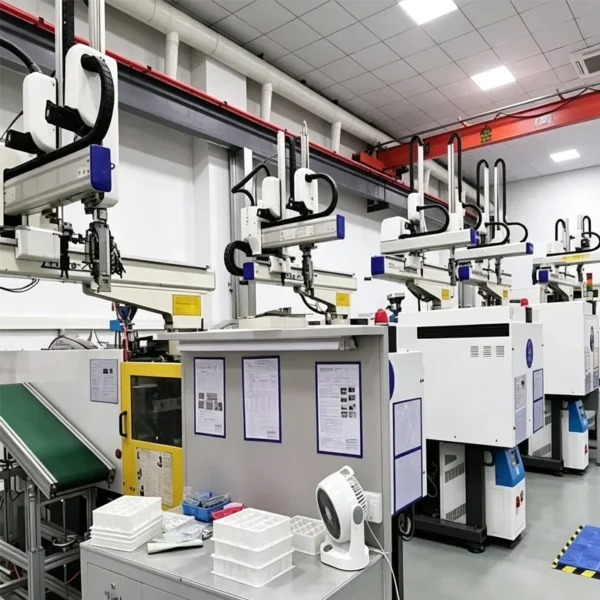
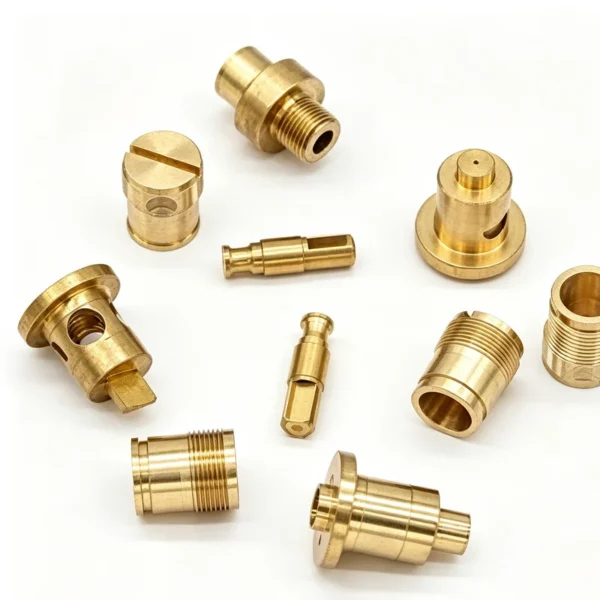
Over the past several years, our engineering team has supported global bathroom brands, distributors, and private-label customers in evaluating shower head quality issues and improving supplier performance. One consistent pattern we have observed is that recurring leak complaints are rarely caused by a single defective unit — they usually indicate an uncontrolled variable somewhere in the product design, component specification, or manufacturing process.
Many buyers initially categorize shower head leaks as general quality problems. However, from an engineering perspective, the location of the failure provides valuable information. A leak at the shower arm connection points to different potential causes than a leak from an internal sealing component or spray plate interface.
During supplier quality reviews, our engineers focus on identifying the actual failure point rather than only measuring the overall return rate. Thread tolerance, sealing material consistency, assembly pressure, and component matching all influence long-term leak resistance, and each requires a different corrective approach.
For example, a product may pass an initial leak inspection but still develop issues after extended use if the thread tolerance is inconsistent, sealing materials are not properly specified, or assembly conditions vary between production batches. This is why leak prevention requires more than a final inspection step — it requires controlled manufacturing processes throughout the product lifecycle.
At JEKARE, we approach shower head development by integrating connection design, sealing component selection, manufacturing consistency, and validation testing from the beginning of the OEM/ODM process. Our engineering team evaluates critical leak points individually, including threaded connections, internal seals, and spray plate interfaces, to help brands understand where risks may exist before mass production.
For bathroom brands and distributors managing warranty exposure, this approach transforms leak complaints from reactive customer-service issues into actionable manufacturing data. By identifying the exact failure mechanism and improving the related production controls, brands can build more reliable shower product lines with stronger long-term market performance.
Request specifics on whether leak testing covered the arm connection, internal O-ring seals, and spray plate seam individually — a general “leak-tested” claim without this detail doesn’t confirm which failure points were actually evaluated.
Ask for the specific pressure level and test duration behind any leak-resistance claim, referencing ASME A112.18.1 where applicable, rather than accepting an unqualified pass/fail result.
If evaluating an existing supplier relationship, categorize returned units by which connection point actually failed — this data reveals process control patterns that aggregate return-rate figures obscure.
Verify O-ring and gasket material safety compliance independently from leak-pressure testing, since these address different failure modes — material degradation versus mechanical seal failure — that can both eventually produce the same symptom.
Leak complaint patterns connect directly to a brand’s warranty cost and customer trust in a category where the underlying cause is almost always traceable to a specific, correctable manufacturing or design decision. A brand that tracks leak failures by specific connection point, rather than as an aggregate defect rate, gains real diagnostic insight into supplier process control that a general quality assurance conversation won’t surface.
More broadly, in a shower head market where growth continues to attract more competing suppliers, the ability to source and document leak-resistant products with specific, standard-referenced test data — rather than relying on general durability claims — is a genuine differentiator for brands building long-term customer trust in this category.
JEKARE’s shower product line is evaluated through JEKARE’s quality inspection process, which addresses leak and pressure performance at the arm connection, internal seal, and spray plate seam individually — directly relevant to the connection-specific diagnostic approach that separates genuine process control from a general durability claim.
JEKARE’s in-house surface finishing and manufacturing processes support consistent thread tolerance and sealing component quality across production runs. Brands developing a new shower head program, or re-evaluating an existing supplier relationship after recurring leak complaints, can coordinate connection-specific testing documentation directly through JEKARE’s OEM/ODM project process.
Shower head leaks trace back to a limited set of identifiable connection and seal points — the arm thread, internal O-ring seals, and spray plate seam — and a recurring leak pattern at any one of these is a process control signal worth investigating specifically, not a general quality problem to address with a vague durability claim. For B2B buyers, the practical takeaway is to request connection-specific leak test data referencing ASME A112.18.1, and to track warranty returns by actual failure location, rather than treating leak complaints as an undifferentiated aggregate metric.
Both are possible — improper installation (insufficient thread sealant, over- or under-tightening) can cause a leak even on a well-manufactured product, which is why distinguishing installation-related complaints from manufacturing defects in warranty data matters for accurate diagnosis.
This depends on the specific product design and water conditions — some designs use replaceable O-rings specifically because seal material naturally degrades over years of use, while others use less easily serviced internal seals, which is a design consideration worth understanding during sourcing.
Mineral scale buildup can affect thread connections and internal seals differently — scale can sometimes temporarily mask a marginal seal while ultimately degrading gasket material faster, which is relevant context for products destined for hard water markets specifically.
A low aggregate rate is a positive signal but should still be broken down by connection point if possible — a low overall rate can still mask a concentrated failure pattern at one specific connection that would otherwise go unnoticed in blended data.
Yes — sourcing a shower head built to one thread standard for installation in a market using a different standard is a genuine and avoidable cause of connection leaks, distinct from any manufacturing defect in the product itself.
Mary is a Faucet Engineering Lead at JEKARE with over 20 years of experience in bathroom fixture development and OEM manufacturing. She specializes in connection and seal engineering, leak-resistance testing, and process control diagnostics across shower and faucet product lines. With extensive experience supporting global bathroom brands through supplier quality evaluation, Mary focuses on helping buyers move from general leak-complaint data to specific, actionable process control insights.
✔ 20+ Years of OEM & ODM Manufacturing Experience
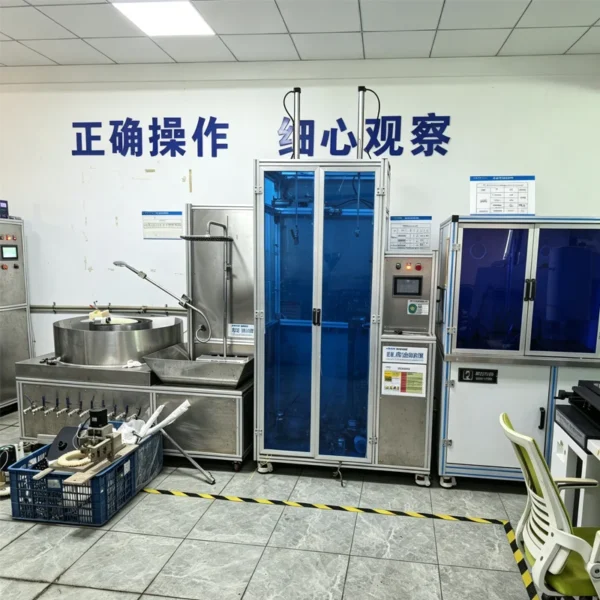
✔ Connection-Specific Leak and Pressure Testing
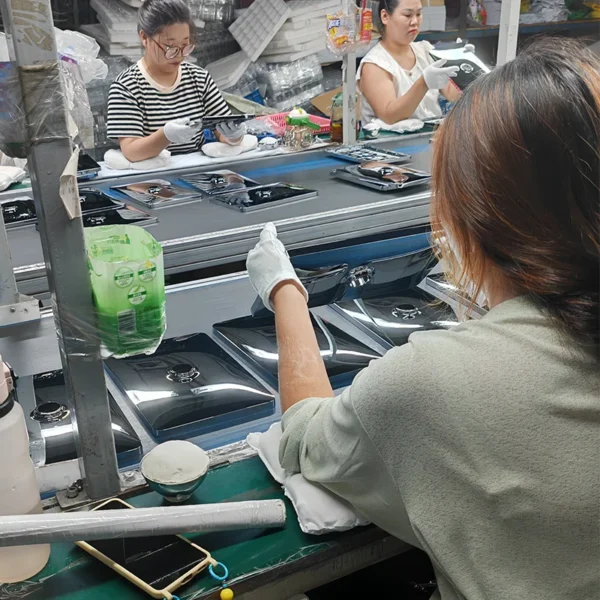
✔ Consistent Thread Tolerance and Sealing Component Quality
✔ Complete Shower, Faucet, and Accessory Solutions
✔ Documentation Buyers Can Independently Verify
✔ Reliable Manufacturing Partner for Global Distributors and Brands
Whether you’re diagnosing recurring leak complaints from an existing supplier or sourcing a new shower head program, JEKARE provides engineering-driven OEM manufacturing support from concept development through mass production.Contact our team to discuss your next bathroom product project.