Industry Background: The Shift Toward Integrated Shower Systems
The demand for integrated, multi-functional shower systems is fundamentally altering bathroom product development. According to a 2025 market analysis by
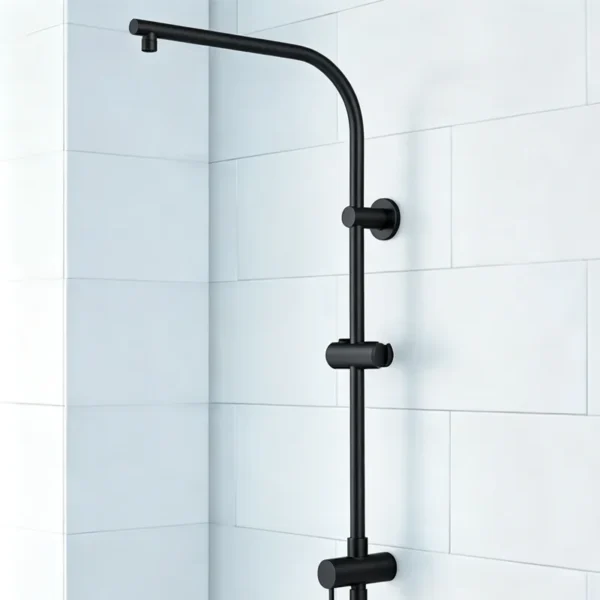
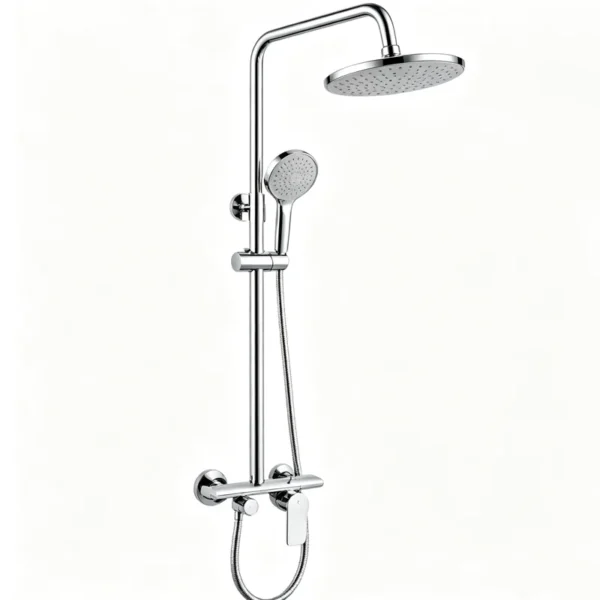
Grand View Research on global plumbing fixtures, the transition toward exposed shower systems—commonly referred to as shower columns—is accelerating in both residential renovations and commercial hospitality projects. This shift is driven by a structural preference: shower columns allow for the integration of overhead rain showers and handheld units without requiring invasive in-wall plumbing modifications. For brand owners and OEM purchasers, this represents a critical product category expansion, requiring a deeper understanding of multi-material manufacturing, valve engineering, and hydrostatic compliance.
Why It Matters: Commercial Impact of Shower Column Integration
Adding a shower column to a brand’s product portfolio is not merely a design choice; it carries significant commercial and operational implications.
Installation Cost Reductions for Hospitality Projects
For commercial buyers, particularly in the hospitality sector, installation time dictates project viability. Exposed shower columns consolidate the mixing valve, diverter, and water delivery channels into a single exterior unit. This eliminates the need for complex behind-the-wall pipe routing, significantly reducing labor hours per room during installation or renovation.
Warranty Liability and Leak Point Minimization
Traditional custom shower setups involve multiple independent rough-in valves, elbows, and wall supply flanges, each representing a potential failure point behind the drywall. An engineered shower column limits the primary connections to the hot and cold water inlets, consolidating the diverter mechanism within the exposed brass body. This structural consolidation drastically reduces hidden leak liabilities and simplifies post-installation maintenance.
Brand Positioning in the Premium Segment
From a brand architecture perspective, shower columns command a higher retail and wholesale price point compared to standard single-function shower heads. They serve as anchor products in premium collections, allowing brands to showcase their industrial design language, surface finishing capabilities, and ergonomic engineering in one comprehensive unit.
Market Observation: The Data Behind the Demand
The viability of shower columns is heavily supported by regulatory trends and trade show data.
At recent international exhibitions like ISH and KBIS, the floor space dedicated to exposed thermostatic shower systems has visibly expanded. Furthermore, stringent water conservation regulations are forcing manufacturers to rethink system design. The U.S. Environmental Protection Agency’s
WaterSense specification mandates strict flow rate maximums (typically 2.0 or 1.8 gallons per minute). Designing a shower column that effectively manages this restricted flow across multiple outlets—without compromising the user’s perception of water pressure—requires precise internal channel engineering. Brands that fail to optimize the internal fluid dynamics of their shower columns often face rejection in highly regulated markets.
The Manufacturing Process: Engineering a Reliable Shower Column
Producing a commercial-grade shower column requires coordinating multiple manufacturing disciplines. It is a hybrid product that relies on distinct processes for different components.
Precision CNC Machining for the Brass Main Body
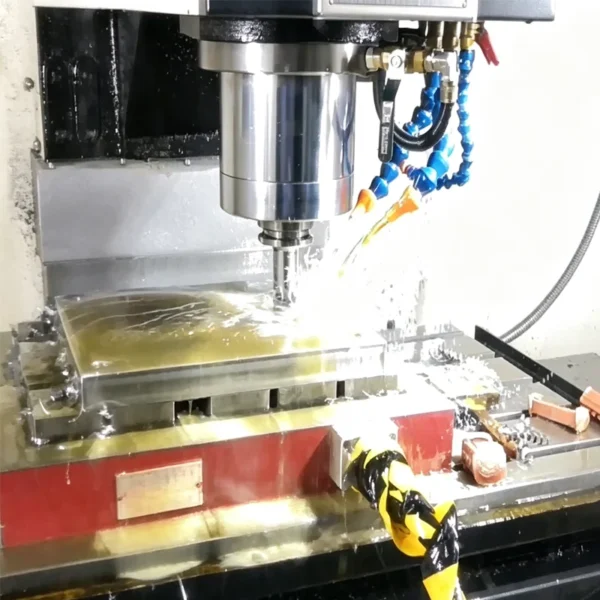
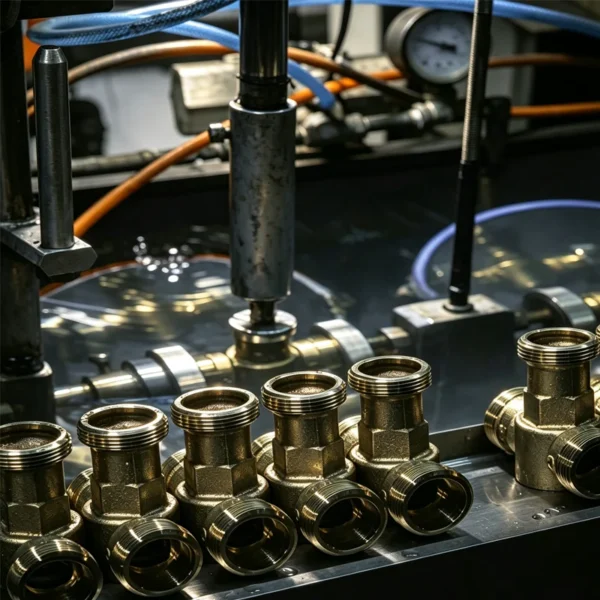
The core of any reliable shower column is the thermostatic or pressure-balancing valve body. To ensure structural integrity and precise cartridge fitment, these bodies are typically forged from low-lead brass and processed through multi-axis CNC machining. This ensures that the internal waterways, threading, and diverter housing meet exacting dimensional tolerances, preventing cross-flow and premature cartridge wear.
ABS Injection Molding for Shower Heads and Handsets
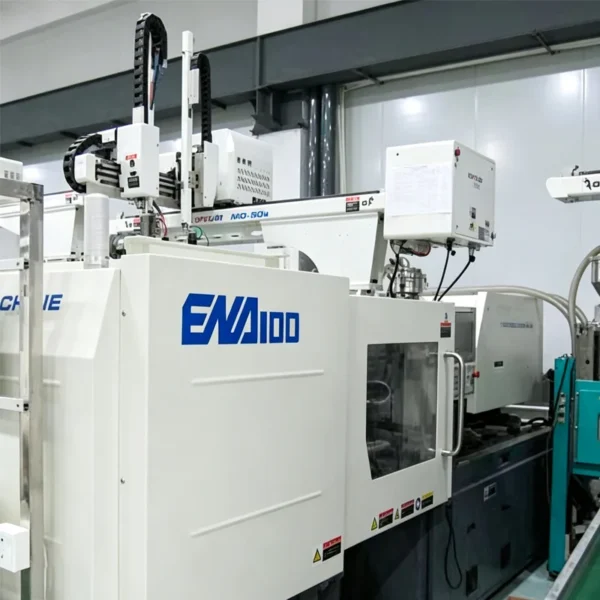
While the main body relies on metal, the overhead rain shower and handheld components are predominantly manufactured using engineering-grade plastics. Utilizing robust
plastic injection molding for ABS components allows for intricate internal spray channels and lightweight construction. This reduces the overall weight on the mounting brackets and minimizes the risk of injury or tile damage if the handset is dropped.
Surface Finishing: PVD and Electroplating Standards
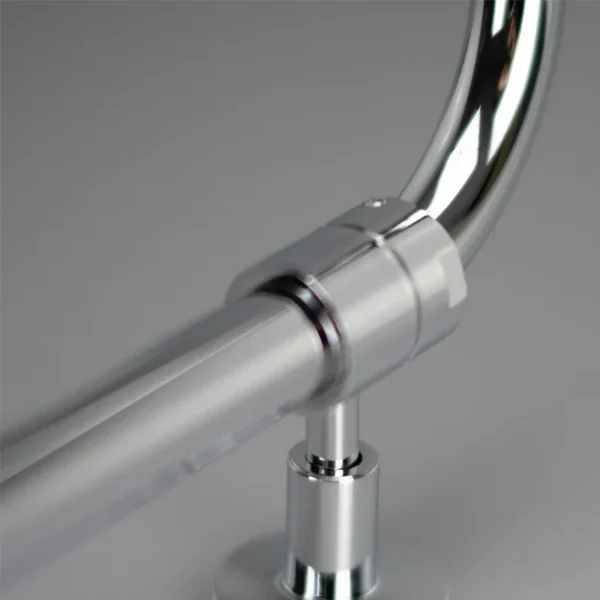
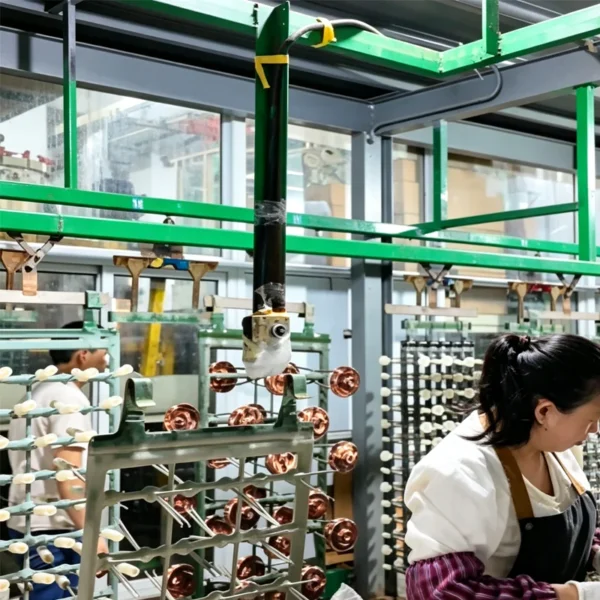
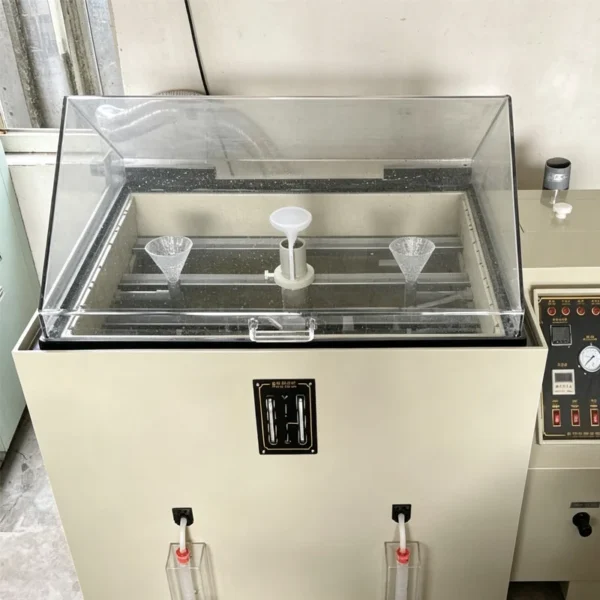
Because a shower column features a large surface area composed of different base materials (brass, stainless steel tubes, and ABS plastic), achieving color and texture consistency is a primary manufacturing challenge. Advanced electroplating and Physical Vapor Deposition (PVD) processes are utilized to ensure the brushed nickel, matte black, or polished chrome finishes match perfectly across the entire assembled unit, while passing rigorous 24-hour to 96-hour neutral salt spray (NSS) testing.
Final Assembly and Hydrostatic Testing
Before packaging, professional OEM manufacturers subject the assembled systems to pneumatic and hydrostatic testing. This involves capping the outlets and pressurizing the internal waterways to verify that the ultrasonic welds in the ABS shower heads and the machined threads in the brass diverter can withstand standard municipal water pressure without micro-leaks.
JEKARE Perspective: Balancing Material Selection and Cost
Based on recent RFQs (Requests for Quote) processed by our engineering team, we have observed a distinct shift in how global brands specify their shower columns. Five years ago, premium brands frequently requested all-brass construction for the entire system, including the overhead shower face. Today, engineering teams are prioritizing a hybrid material approach.
Buyers now heavily specify solid brass for the critical water-mixing valve and diverter body, while opting for engineered ABS for the shower heads and 304 stainless steel for the vertical riser tube. This strategic material distribution maintains the critical durability of the water-control mechanisms while significantly reducing shipping weights and raw material costs.
For brands looking to implement this optimized architecture, the
JEKARE OEM Exposed Shower System provides a proven engineering baseline. Designed specifically for B2B procurement, this system features a precision-machined brass thermostatic body paired with lightweight, ultrasonically welded ABS shower components. The primary advantage for brand owners is risk mitigation: the internal diverter cartridges are pre-tested for a 500,000-cycle lifespan, and the system is engineered to meet WaterSense flow restrictions out of the box, ensuring rapid compliance approval for North American and European markets.
Practical Decision Framework for OEM Sourcing
When evaluating manufacturing partners for a new shower column collection, product managers should assess the following engineering criteria:
Valve Cartridge Durability Criteria
✓ Does the manufacturer use standardized, internationally recognized ceramic or thermostatic cartridges (e.g., Vernet, Sedal), or proprietary internal mechanisms that complicate long-term maintenance?
Compliance and Certification Checks
✓ Can the factory provide documented proof of compliance with local plumbing codes, such as ASME A112.18.1/CSA B125.1, and verify that the brass components meet low-lead requirements?
Finish Consistency Across Mixed Materials
✓ Does the supplier have established Quality Control (QC) protocols for visual inspection to guarantee that the PVD or electroplated finish on the
ABS OEM shower heads perfectly matches the brass valve body?
Riser Tube Wall Thickness
✓ Is the stainless steel or brass riser tube specified with adequate wall thickness (typically 1.0mm to 1.5mm) to prevent bending or deformation when the overhead shower is adjusted?
What This Means for Your Brand’s Development Strategy
Understanding the manufacturing complexities of shower columns directly informs your supply chain strategy. Moving from selling individual shower components to integrated shower systems elevates your brand’s market positioning, but it also increases your exposure to technical failures if the manufacturing is substandard. Selecting an OEM partner capable of managing multi-material production—from
CNC machining to injection molding and final hydrostatic testing—is critical to ensuring that your expanded product line enhances your brand’s reputation rather than increasing your warranty claims.
FAQs
1. What is the standard lifespan of a commercial-grade shower column diverter?
When engineered with high-grade ceramic discs or thermostatic wax elements, a commercial diverter valve is typically tested to withstand 300,000 to 500,000 operational cycles, equating to over 10-15 years of standard daily use.
2. Can OEM shower columns be adapted for different regional water pressures?
Yes. The internal flow restrictors and aerators can be customized during the assembly phase to comply with specific regional requirements, whether adapting to low-pressure systems in certain European regions or high-pressure commercial environments.
3. Why is ABS plastic preferred over metal for the overhead shower component in column systems?
ABS is highly resistant to mineral buildup (scale) and is significantly lighter than brass or steel. A lighter overhead component reduces the mechanical stress on the vertical riser tube and the wall mounting brackets, ensuring structural stability over time.
4. How is finish consistency maintained across different materials in a single shower column?
Professional manufacturers adjust the chemical baths and curing times in the electroplating or PVD processes specifically for each base material (plastic vs. brass), utilizing standardized color-matching master samples under controlled lighting during QC inspection.
About the Author
Sunny is a Senior Shower Systems Engineer at JEKARE with over 20 years of experience in sanitary ware product development and OEM manufacturing. He specializes in shower system engineering, water flow optimization, spray plate design, structural improvement, and compliance-driven product development. With extensive experience working with global bathroom brands and distributors, Sunny focuses on creating reliable, cost-effective bathroom solutions through engineering innovation and strict quality control.
References
-
Grand View Research – Plumbing Fixtures Market Size & Trends Analysis
https://www.grandviewresearch.com/industry-analysis/plumbing-fixtures-market
-
U.S. Environmental Protection Agency (EPA) – WaterSense Specification for Showerheads
https://www.epa.gov/watersense/showerheads
-
International Organization for Standardization (ISO) – Quality Management Systems (ISO 9001)
https://www.iso.org/iso-9001-quality-management.html
Why Global Bathroom Brands Choose JEKARE
✔ 20+ Years of OEM & ODM Manufacturing Experience
✔ Complete Shower, Faucet and Bathroom Product Solutions
✔ Professional Engineering Support from Design to Production
✔ Strict Quality Control and Product Testing
✔ Flexible Customization for Different Markets
✔ Reliable Manufacturing Partner for Global Distributors and Brands
Whether you need custom shower systems, faucets, toilet seats, or complete bathroom solutions, JEKARE provides engineering-driven OEM manufacturing support from concept development to mass production.Contact our engineering team to discuss your next bathroom product project, request a DFM analysis, or start your OEM project.