Industry Background: The Growing Focus on Fixture Hygiene
The conversation around bathroom fixtures has permanently shifted from pure aesthetics to a strict evaluation of hygiene, compliance, and material safety. According to a recent report by
Grand View Research, the global smart and hygienic bathroom market is expanding rapidly, driven heavily by commercial and hospitality sectors demanding fixtures that actively resist contamination.
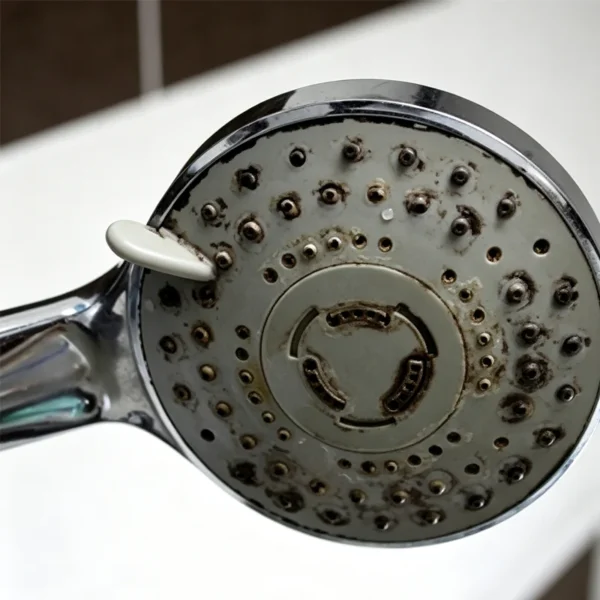
For decades, the black or pink substance that accumulates on shower head nozzles—commonly referred to by consumers as “black gunk”—was dismissed as a basic household cleaning issue. However, for B2B bathroom brands, OEM buyers, and hospitality project managers, this biofilm buildup represents a critical intersection of material science, water safety regulations, and product lifecycle management.
Evolving Health Standards in Hospitality and Residential Markets
The hospitality industry faces intense scrutiny regarding waterborne pathogens. Facilities are increasingly auditing their plumbing endpoints, shifting the responsibility onto fixture manufacturers to specify materials that do not promote bacterial growth.
The Shift from Cosmetic to Hygienic Performance
Historically, shower head design prioritized spray patterns and external finishes. Today, the internal waterway design and the chemical composition of the spray nozzles are equally scrutinized. Brands are learning that an immaculate PVD finish cannot compensate for internal elastomer degradation that leads to chronic biofilm buildup.
Why It Matters: The True Cost of Microbial Degradation
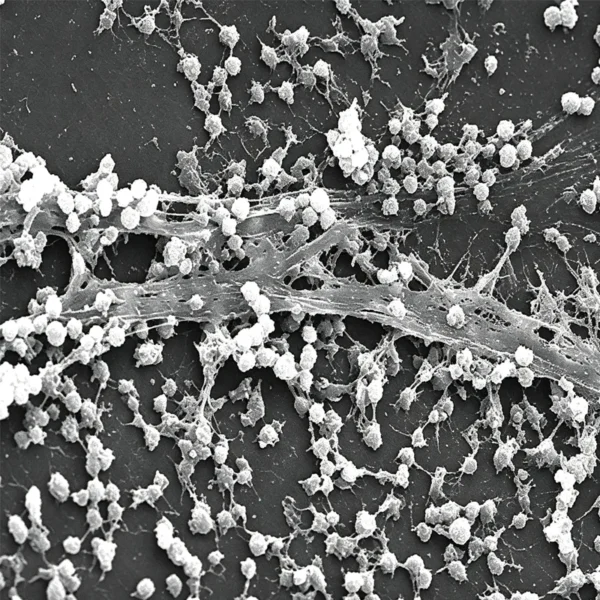
What consumers identify as “black gunk” is actually a complex biofilm—a structured community of microorganisms, including bacteria, fungi, and mineral scale, encapsulated in a self-produced polymeric matrix. For a bathroom brand, this is not merely a cosmetic complaint; it is a material failure cascade.
Accelerated Degradation of Internal Sealing Components
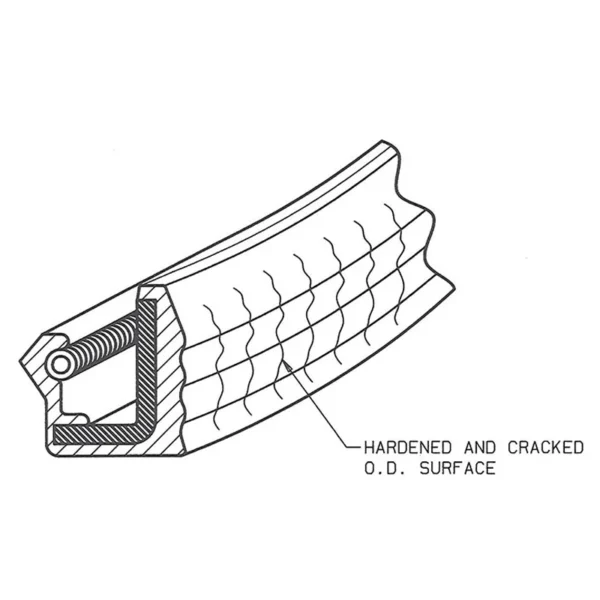
Biofilms do not just sit on the surface of cheap plastics; they actively degrade them. Certain microbes metabolize the plasticizers found in low-grade Thermoplastic Rubber (TPR) or Polyvinyl Chloride (PVC) nozzles. This elastomer degradation causes nozzles to harden, crack, and permanently alter the shower head’s flow rate and spray geometry.
Brand Reputation Damage in the Era of Online Reviews
In the residential market, chronic black biofilm buildup drives negative product reviews. Consumers rarely blame their local water municipal supply; they blame the fixture manufacturer for selling a product that “grows mold.” This directly impacts brand equity and repeat purchase rates for major distributors.
Warranty Claims Associated with Biofilm Adhesion
Biofilm adhesion inside the shower head cavity often traps calcium and magnesium deposits, leading to severe clogging. When standard descaling fails because the internal waterway is compromised by bacterial matrices, the result is a premature warranty claim and a full unit replacement, driving up total cost of ownership.
Market Observation: Regulatory Pressures and Material Standards
The regulatory landscape governing water contact materials is tightening globally, forcing a baseline shift in how OEM shower heads are engineered.
NSF/ANSI 61 and Water Contact Material Safety
To combat the health risks associated with plumbing endpoints, regulatory bodies rely on standards like
NSF/ANSI 61, which evaluates the health effects of drinking water system components. Even if a shower head is not intended for drinking, the internal O-rings, gaskets, and plastics must not leach contaminants that could feed microbial growth.
Scrutiny on Opportunistic Premise Plumbing Pathogens
The U.S. Environmental Protection Agency (EPA) and various global health organizations have extensively documented the risks of Opportunistic Premise Plumbing Pathogens (OPPPs), such as Legionella and Mycobacterium. Shower heads are primary aerosolization points for these pathogens. Fixtures that encourage biofilm adhesion create micro-environments where these pathogens survive municipal chlorination.
Hospitality Sector Demands for Easy-Clean Nozzles
Hospitality procurement teams now calculate the labor cost of maintaining bathroom fixtures. A shower head that requires intensive chemical scrubbing to remove biofilm is a liability. Buyers are mandating self-cleaning or easy-rub nozzle architectures that can be maintained with a simple wipe during standard room turns.
JEKARE Perspective: Material Engineering as a Hygiene Solution
Over the past several years, our engineering team has supported global bathroom brands, distributors, and hospitality-focused buyers developing shower head programs for different market requirements. One consistent change we have observed is that buyers are increasingly evaluating shower products beyond basic functions such as spray performance and external finish.
Previously, many sourcing discussions focused primarily on appearance, flow performance, and cost targets. However, as hygiene expectations increase across residential and commercial applications, procurement teams are paying closer attention to internal waterway design, nozzle materials, and long-term product performance.
From an engineering perspective, many hygiene-related complaints are not caused by visible product defects. Instead, they often originate from material selection and internal design decisions made during product development. Low-grade elastomers, poor drainage structures, and internal areas that retain stagnant water can contribute to biofilm adhesion and accelerated component degradation.
At JEKARE, we approach shower head development by treating hygiene performance as a material engineering challenge. During OEM/ODM development, our engineering team evaluates internal waterway structures, spray nozzle materials, sealing components, and production consistency to reduce potential hygiene risks before mass production.
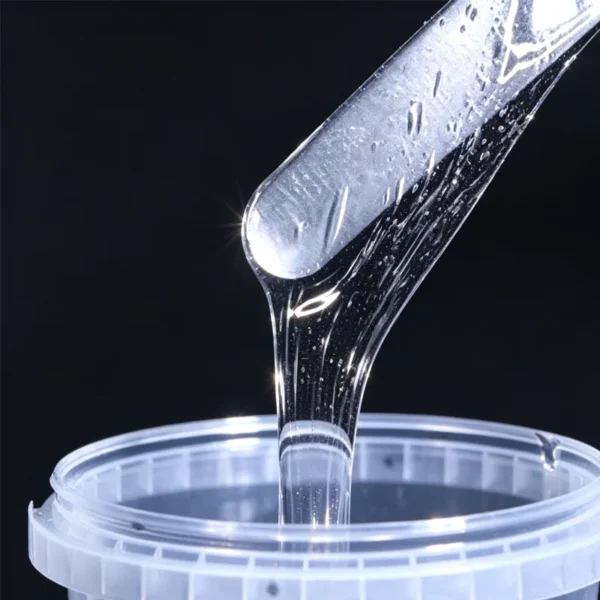
For nozzle applications, material selection plays a critical role. Compared with traditional elastomer solutions, advanced materials such as Liquid Silicone Rubber (LSR) can provide improved resistance to plasticizer leaching, mineral buildup, and microbial adhesion when properly engineered for the application.
By combining material evaluation with flow path optimization and manufacturing control, JEKARE helps bathroom brands develop shower products that support better hygiene performance, reduce maintenance concerns, and meet the evolving expectations of global residential and hospitality markets.
Identifying High-Risk Zones in Spray Plate Design
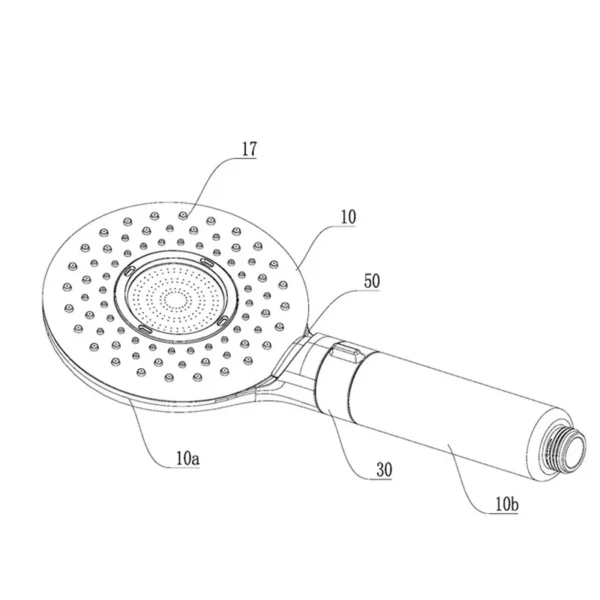
Biofilm thrives in areas of stagnant water. Poorly engineered internal cavities that fail to drain completely after the water is shut off provide the perfect breeding ground. At JEKARE, our OEM development process includes internal flow dynamics analysis to minimize dead zones within the shower head body, reducing the standing water that fuels microbial adhesion.
Material Specifications that Resist Biofilm Adhesion
To effectively combat elastomer degradation and biofilm buildup, the material choice for the spray face and nozzles is paramount. We engineer our premium
OEM shower head solutions utilizing Liquid Silicone Rubber (LSR) rather than standard TPR. LSR possesses a tighter molecular structure that is inherently resistant to plasticizer leaching, resists mineral scale buildup, and prevents the microbial anchoring that causes “black gunk.”
Practical Decision Framework: Specifying Biofilm-Resistant Fixtures
For B2B buyers evaluating a new supplier or troubleshooting a high warranty return rate linked to clogging and biofilm, specific engineering criteria must be evaluated.
Verify Elastomer Compliance for Water Contact
Do not accept a generic “high-quality rubber” claim. Request the exact material specification for the spray nozzles and internal O-rings. Ensure these materials meet or exceed regional water contact safety standards, which limits the organic compounds available for microbes to feed on. For deeper insights into material selection, review our comprehensive
shower head material guide.
Evaluate Spray Nozzle Geometry for Self-Cleaning
Examine the physical design of the nozzles. Liquid silicone nozzles should be designed with specific tapering that allows calcium and biofilm to be easily dislodged with a simple finger wipe. Complex, recessed nozzle designs often trap moisture and accelerate biological growth.
Request Accelerated Aging Test Data
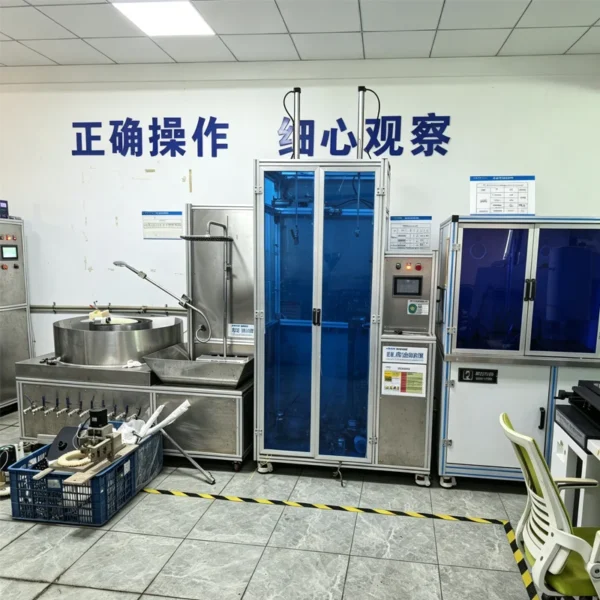
Evaluate the manufacturer’s testing protocols. A reliable OEM partner should provide data on how the shower head performs after simulated years of hard water and temperature fluctuations. Verify these capabilities by reviewing the manufacturer’s
quality control and testing infrastructure.
What This Means for Your Brand: Positioning for Hygiene and Durability
The transition from viewing shower head biofilm as a consumer cleaning chore to an engineering and material failure issue completely alters product positioning.
Moving Beyond Basic Flow Rate Metrics
Brands that engineer fixtures to actively resist microbial adhesion reduce their long-term warranty liabilities. By specifying LSR nozzles and optimized internal waterways, you are investing in a product that maintains its spray integrity and aesthetic appeal years after installation.
Building Long-Term Trust Through Engineering
For hospitality clients, a biofilm-resistant shower head lowers maintenance overhead and protects guest safety. For residential brands, it prevents the negative reviews associated with fixture degradation. Partnering with a manufacturer capable of executing these material specifications ensures your product line stands up to the rigorous demands of modern
OEM/ODM engineering standards.
Conclusion
The “black gunk” found on shower heads is a predictable biological response to stagnant water and poor material specification. By understanding the mechanics of biofilm adhesion and elastomer degradation, bathroom brands can shift their sourcing criteria from basic functionality to rigorous hygiene compliance. Specifying advanced materials like Liquid Silicone Rubber and optimizing internal waterways are not just engineering upgrades; they are critical strategies for protecting brand reputation and reducing warranty costs in a market increasingly focused on health and safety.
FAQ
1. What exactly is the black substance that grows on shower head nozzles?
It is a biofilm—a complex matrix of bacteria, fungi, and mineral deposits. It thrives in damp environments and often feeds on the organic compounds found in lower-grade plastic and rubber components.
2. Why do some shower heads develop biofilm faster than others?
This is largely driven by material selection and internal geometry. Shower heads with internal dead zones that trap water, or those utilizing standard TPR nozzles that leach plasticizers, provide an ideal environment for rapid microbial adhesion.
3. Does municipal water treatment prevent biofilm growth in fixtures?
No. While municipal chlorination reduces bacteria in the main water supply, biofilms create a protective polymeric matrix that shields the bacteria inside the shower head from residual chlorine, allowing opportunistic pathogens to survive.
4. How does Liquid Silicone Rubber (LSR) differ from standard TPR in preventing biofilm?
LSR lacks the leachable plasticizers found in standard TPR that bacteria use as a food source. Additionally, LSR has a highly smooth, hydrophobic surface at the microscopic level, making it mechanically difficult for biofilm and mineral scale to anchor themselves.
5. How can B2B buyers verify the hygiene safety of internal components?
Buyers should request material compliance documentation, such as NSF/ANSI 61 certification for internal O-rings and waterways, ensuring the materials do not impart contaminants or support microbial growth in drinking water systems.
About the Author
Sunny is a Senior Shower Systems Engineer at JEKARE with over 20 years of experience in sanitary ware product development and OEM manufacturing.
He specializes in shower system engineering, water flow optimization, spray plate design, structural improvement, and compliance-driven product development.
With extensive experience working with global bathroom brands and distributors, Sunny focuses on creating reliable, cost-effective bathroom solutions through engineering innovation and strict quality control.
References
-
Grand View Research
https://www.grandviewresearch.com/industry-analysis/smart-bathroom-market
-
NSF International (NSF/ANSI 61)
https://www.nsf.org/knowledge-library/nsf-ansi-standard-61-drinking-water-system-components-health-effects
-
U.S. Environmental Protection Agency (EPA) – Opportunistic Pathogens in Premise Plumbing
https://www.epa.gov/ground-water-and-drinking-water/opportunistic-pathogens-premise-plumbing
Why Global Bathroom Brands Choose JEKARE
✔ 20+ Years of OEM & ODM Manufacturing Experience
✔ Complete Shower, Faucet and Bathroom Product Solutions
✔ Professional Engineering Support from Design to Production
✔ Strict Quality Control and Product Testing
✔ Flexible Customization for Different Markets
✔ Reliable Manufacturing Partner for Global Distributors and Brands
Whether you need custom shower systems, faucets, toilet seats, or complete bathroom solutions, JEKARE provides engineering-driven OEM manufacturing support from concept development to mass production.Contact our team to discuss your next bathroom product project.