Hard Water and Chlorine as a Global Sourcing Trend
The intersection of water quality and personal care has fundamentally shifted bathroom product roadmaps. In regions with aging municipal water infrastructure or heavy reliance on groundwater, high mineral content and chemical disinfectants represent a significant consumer pain point. According to data from the
U.S. Environmental Protection Agency (EPA), elevated levels of calcium, magnesium, and
residual chlorine are common in urban water supplies. Consequently, bathroom brands are actively developing fixtures that treat water at the point of use to mitigate skin irritation and hair damage.
How Filtration Fits Into a Wellness-Positioned Bathroom Category
Market intelligence firm
Grand View Research projects sustained growth in the global water purifier and specialized shower accessory market through 2030. Consumers no longer view the shower merely as a hygiene routine, but as a wellness experience. For OEM buyers and product managers, integrating filtration technology transforms a standard hardware item into a high-margin, consumable-driven wellness device.
Filtered vs. Standard Shower Head: Key Structural Differences
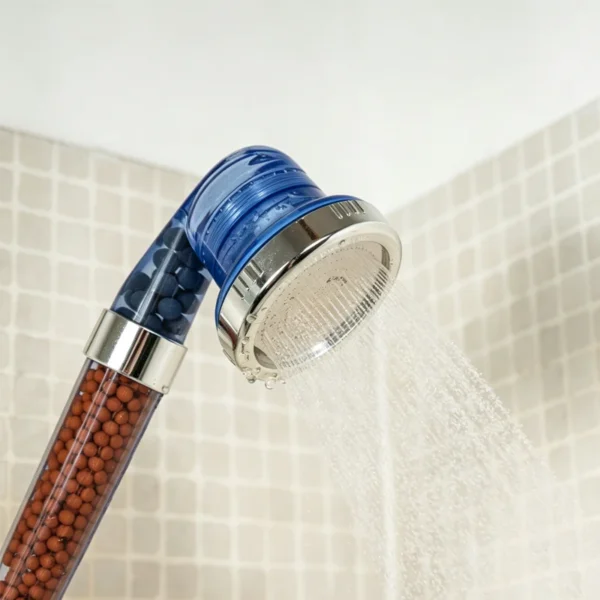
Unlike standard fixtures focused solely on water delivery, a filtered shower head is a pressurized containment vessel. It requires an elongated or widened handle to house the filtration cartridge, specialized sealing mechanisms to prevent bypass, and modified internal flow channels to compensate for the kinetic energy lost as water passes through dense filter media.
Core Components of a Filtered Handheld Shower Head
Spray Face Plate and Nozzle Disc
The face plate dictates the spray pattern and velocity. Because filtration media inherently reduces water pressure, engineers must decrease the diameter of the nozzle apertures (often down to 0.3mm–0.4mm) to artificially boost the exit velocity and maintain a satisfying spray force.
Translucent Filter Housing and Visual Inspection Window
Many filtered models incorporate a transparent or semi-transparent window in the handle. This visual cue allows end-users to see the filter media changing color over time, prompting cartridge replacement. The structural integrity of this translucent section is a critical engineering challenge, as it must withstand continuous dynamic water pressure.
Filter Cartridge and Inlet Connector Design
The cartridge itself is the core functional unit. The inlet connector must feature dual O-ring seals to ensure 100% of the water flows through the media bed rather than bypassing it along the inner wall of the handle.
JEKARE Perspective
Over the last 18 months, our engineering team has reviewed over 150 RFQs for filtered shower head development from global distributors. We observed a consistent design failure in initial client CAD files: brands frequently request dense multi-stage filters without expanding the internal waterway diameter of the handle. This results in unacceptable pressure drops. By introducing a precisely calibrated bypass micro-channel and utilizing mold flow analysis during the DFM phase, we have helped brands balance filtration efficacy with optimal spray force before cutting any steel for molds.
Filter Media Options for OEM Shower Heads
Mineral Ball and Ceramic Ball Filtration
Tourmaline, maifan stone, and alkaline ceramic balls are heavily utilized for their aesthetic appeal in transparent handles and their ability to slightly alter water pH. While popular in entry-level models, their functional impact on heavy chlorine reduction is limited.
Activated Carbon Filtration
Carbon is highly effective at absorbing organic compounds and odors. However, traditional granular activated carbon degrades quickly in hot water environments, making it less suitable for shower applications unless combined with other media.
PP Cotton and Composite Multi-Stage Media
Micron-rated Polypropylene (PP) cotton is the standard for trapping physical sediment, rust, and scale. For high-performance OEM models, brands utilize composite cartridges containing KDF 55 (Kinetic Degradation Fluxion) and calcium sulfite. These materials undergo an electrochemical process to effectively neutralize chlorine even at high temperatures and rapid flow rates.
How Media Selection Affects Filter Life and Cost
The formulation of the filter cartridge dictates both the unit cost and the replacement lifecycle (typically 3 to 6 months). Balancing expensive KDF 55 with cost-effective PP cotton allows product managers to hit specific retail price points while maintaining credible filtration claims.
Material Selection: ABS, PP, and Plating Options
ABS Face Plate vs. PC Face Plate
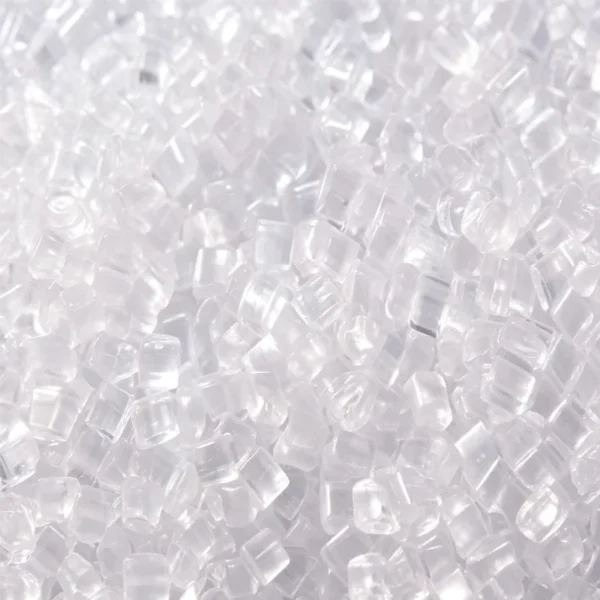
Standard shower heads utilize ABS (Acrylonitrile Butadiene Styrene) for its excellent plating adhesion. However, clear components require Polycarbonate (PC). PC offers superior impact resistance but poses significant challenges during the ABS plastic injection process if the mold temperature is not strictly controlled, potentially leading to stress fractures under pressure.
Why Filter Housings Use Translucent PP
For internal filter cartridges, Polypropylene (PP) is the industry standard. It is food-grade, chemically inert, and highly resistant to thermal fatigue, ensuring the cartridge does not warp or leach chemicals into the hot water stream.
Chrome, Matte, and PVD Finish Options
Applying surface finishes to composite shower heads requires advanced electroplating lines. While chrome remains a baseline, luxury brands are increasingly specifying Matte Black and Brushed Nickel via Physical Vapor Deposition (PVD). Explore our manufacturing capabilities on the
JEKARE Facilities Page.
Spray Function and Flow Design for Filtered Shower Heads
Single-Function vs. Multi-Function Spray Discs
Adding multiple spray modes (e.g., Massage, Rain, Mist) to a filtered head increases internal mechanical complexity. The diverter mechanism must operate smoothly despite the added weight and flow restriction of the filter cartridge.
How Filter Cartridges Affect Flow Rate at Target Pressure
Every layer of filter media creates dynamic pressure loss. Engineers must calculate the volumetric flow rate at a standard 3.0 bar (45 psi) municipal pressure to ensure the final output remains robust.
Flow Restrictor Integration for Water-Efficiency Compliance
To meet the U.S. EPA WaterSense requirement of a maximum 2.0 GPM flow rate, an engineered flow restrictor must be inserted at the inlet base. The challenge is calibrating this restrictor so it complies with regulations without rendering the filtered water stream unacceptably weak.
Manufacturing Process: From Injection Molding to Final Assembly
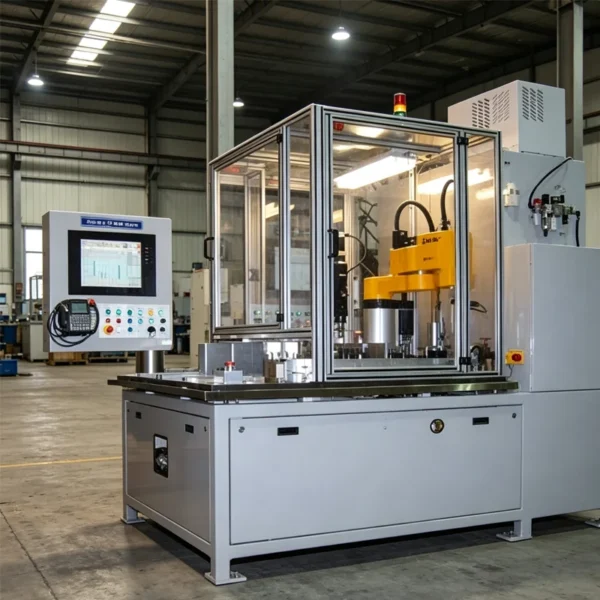
Injection Molding of Face Plate and Filter Housing
Precision manufacturing begins with tooling. The tolerances for the filter cartridge housing are incredibly tight (±0.05mm). Any deviation during injection molding will result in cartridge rattling or water bypass.
Filter Cartridge Loading and Sealing Process
Internal filter components are often assembled using ultrasonic welding. This high-frequency acoustic technology fuses the plastic cartridge halves together without adhesives, ensuring a clean, chemical-free seal that will not degrade in hot water.
Sub-Assembly, Leak Testing, and Final QC
Following assembly, fixtures move to the QC line. For a detailed breakdown of our assembly protocols, review our manufacturing workflows at
JEKARE’s Corporate Homepage.
Quality Testing and Validation for Filtered Shower Heads
Flow and Pressure Testing
Every production batch must undergo hydrostatic pressure testing. The shower head is subjected to sudden pressure spikes up to 5.0 bar (72 psi) to verify that the threaded joints and transparent PC windows do not crack or burst.
Filter Cartridge Seal and Leakage Testing
Pneumatic testing (air-decay leak testing) is utilized to ensure the internal O-rings are seated correctly. A leaking O-ring allows unfiltered water to mix with the clean stream, negating the product’s value proposition.
Spray Mode Switching Cycle Testing
For multi-function heads, the diverter dial is mechanically tested for up to 50,000 cycles under active water pressure to ensure long-term durability.
Material Compliance Testing (NSF / Food-Grade Plastics)
Because water is being filtered for bodily contact, the internal wetted components must pass strict material safety tests, proving they do not release heavy metals or toxic plasticizers when exposed to 60°C (140°F) water.
Certifications and Compliance Buyers Should Confirm
NSF Certification for Filtration Components
For brands targeting the North American market, achieving or referencing the
NSF/ANSI 177 standard for shower filtration systems is a critical trust signal. This standard specifically measures the reduction of free available chlorine. Learn more about public health standards at
NSF International.
WRAS and CE Requirements by Market
European and UK markets mandate strict compliance regarding water safety. Internal plastics and rubber O-rings must pass WRAS (Water Regulations Advisory Scheme) or equivalent KTW testing to ensure they do not support microbial growth.
Water Efficiency Standards (WaterSense-Type Requirements)
Procurement teams must ensure the factory can provide flow rate documentation proving compliance with regional water efficiency mandates, balancing ecological standards with user experience.
OEM/ODM Customization Options for Filtered Shower Heads
Existing Platform vs. Modified Platform vs. New Tooling
To manage upfront tooling costs, B2B buyers have three pathways:
-
White-Labeling: Utilizing an existing, tested factory mold.
-
Modified Platform: Using an existing handle/filter body but developing a custom face plate design.
-
Full Custom Tooling: Designing a proprietary exterior shell, which requires 45–60 days for mold fabrication but guarantees market exclusivity.
Private-Label Branding, Logo, and Packaging
Laser etching on the face plate or handle collar is the industry standard for OEM branding. Additionally, customized retail packaging with detailed filter replacement instructions is essential for this product category.
How to Prepare a Specification for Quotation
When submitting an RFQ, buyers should clearly state their target market, required flow rate (e.g., 1.8 GPM), preferred filter media (e.g., PP Cotton + KDF 55), and required surface finish testing standards (e.g., 24-hour CASS salt spray test).
How to Choose a Filtered Shower Head Manufacturing Partner
Engineering and DFM Capability
A reliable manufacturing partner does more than inject plastic; they provide Design for Manufacturability (DFM) feedback. They should analyze your CAD files to prevent structural weaknesses in the filter housing before tooling begins.
Testing and Certification Support
Ensure the factory maintains an in-house laboratory capable of performing flow rate, hydrostatic pressure, and thermal cycle testing, reducing your reliance on expensive third-party testing for every iteration.
MOQ, Sampling, and Lead Time Considerations
Evaluate the supplier’s supply chain agility. Can they support reasonable Minimum Order Quantities (MOQs) during the initial product launch phase while providing a clear pathway to scale up for mass production?
Integrating Trusted Solutions into Your Portfolio
If you are looking to expand your portfolio with engineered, high-performance fixtures, consider evaluating platforms like the
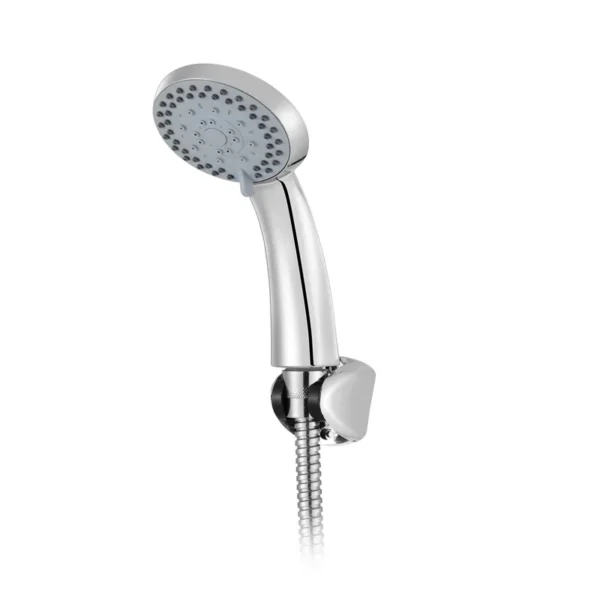
JEKARE Black Detachable Hand-Held Shower Head. While initially designed for standard high-end installations, its engineering architecture demonstrates key capabilities essential for filtration integration:
-
Structural Integrity: Engineered with high-grade ABS, designed to withstand internal pressure fluctuations.
-
Optimized Flow Channels: Internal waterways precision-milled to maintain kinetic spray force, a critical requirement when dealing with pressure-dropping filtration media.
-
Silicone Nozzle Technology: Food-grade silicone nozzles that resist calcification and complement the anti-scale goals of filtered systems.
-
Finish Durability: Multi-layer matte black surface treatment that passes stringent commercial salt-spray testing.
What This Means for Your Brand
The integration of filtration technology represents a shift from selling static bathroom hardware to offering an ongoing wellness solution. By carefully selecting filter media, optimizing plastic injection tooling, and ensuring strict flow-rate compliance, bathroom brands can differentiate their product lines in a crowded market. Ultimately, the success of a filtered shower head relies heavily on the engineering rigor of the manufacturing partner—ensuring the product not only looks premium but performs safely and consistently under pressure.
Request Engineering Review
Whether you need custom filtered shower systems, standard hand showers, or complete bathroom solutions, JEKARE provides engineering-driven OEM manufacturing support from concept development to mass production.Contact our engineering team to discuss your next bathroom product project.
FAQ
1. What is the most effective filter media for removing chlorine in hot water?
KDF 55 (Kinetic Degradation Fluxion) combined with calcium sulfite is highly effective. Unlike basic activated carbon, which degrades rapidly in hot water, KDF uses a redox reaction to neutralize chlorine safely at high temperatures.
2. Why do some filtered shower heads suffer from low water pressure?
Pressure drop occurs because water must force its way through dense filtration media. If the manufacturer does not engineer a wider internal flow channel or precisely calibrate the nozzle apertures to compensate for this resistance, the resulting spray will be weak.
3. What is the difference between ABS and PC materials in shower head manufacturing?
ABS is durable and takes electroplating (like chrome or PVD) exceptionally well, making it ideal for the main body. PC (Polycarbonate) is highly transparent and impact-resistant, making it the preferred material for the visual inspection windows on filtered handles.
4. How often should consumers be instructed to change the filter cartridge?
While it depends on local water quality and usage volume, a standard OEM filter cartridge consisting of PP cotton and calcium sulfite typically maintains optimal efficacy for 3 to 6 months.
5. Does adding a filter cartridge affect WaterSense compliance?
Yes. The addition of a filter affects the baseline flow rate. Engineers must test the fully assembled unit with the filter installed and calibrate the flow restrictor to ensure it consistently delivers under the 2.0 GPM maximum requirement at 80 psi.
About the Author
Sunny is a Senior Shower Systems Engineer at JEKARE with over 20 years of experience in sanitary ware product development and OEM manufacturing. He specializes in shower system engineering, internal water flow optimization, injection molding structural improvement, and compliance-driven product development. With extensive experience working with global bathroom brands and hospitality distributors, Sunny focuses on creating reliable, cost-effective bathroom solutions through rigorous DFM analysis and strict quality control.
References
-
U.S. Environmental Protection Agency (EPA) – WaterSense Program
https://www.epa.gov/watersense
-
Grand View Research – Water Purifier Market Analysis
https://www.grandviewresearch.com/industry-analysis/water-purifier-market
-
NSF International – NSF/ANSI 177 Standard for Shower Filtration Systems
https://www.nsf.org/knowledge-library/nsf-ansi-177-shower-filtration-systems-faq