Call us: +86-18965139230 | Mail to us: info@jekare.com

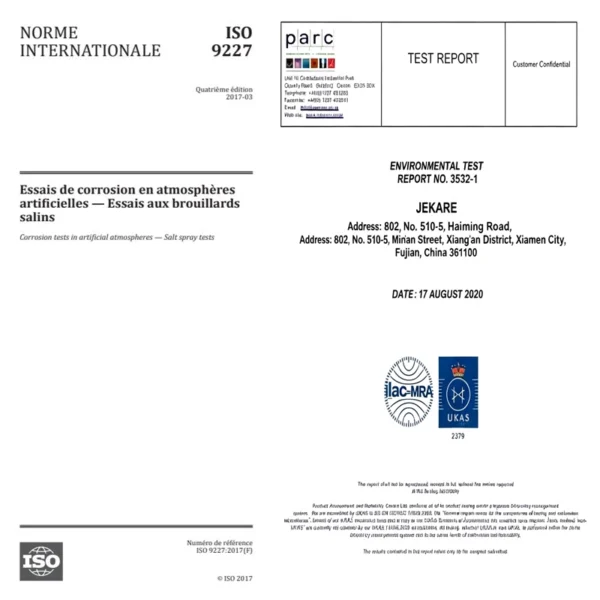
Faucet finishes are typically validated through salt spray testing, but the two dominant standards aren’t interchangeable, and neither predicts real-world lifespan the way buyers often assume. ASTM B117, the long-standing North American benchmark, exposes coated parts to a continuous 5% sodium chloride mist — but the coatings industry itself has published research concluding the test offers “a rapid but unreliable means for predicting coating behavior” in real service conditions. ISO 9227, the internationally oriented equivalent used widely in European specifications, covers three distinct variants (neutral, acetic acid, and copper-accelerated salt spray) with different specimen positioning than ASTM B117 — meaning a coating validated to one standard hasn’t automatically been validated to the other.
That gap between passing a comparative lab test and performing reliably in the field is exactly why bathroom faucet durability has to be engineered at the component level, not assumed from a finish certification alone.
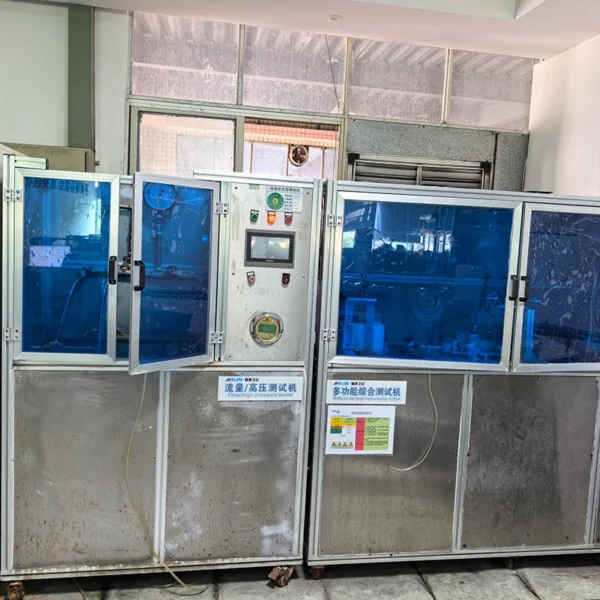
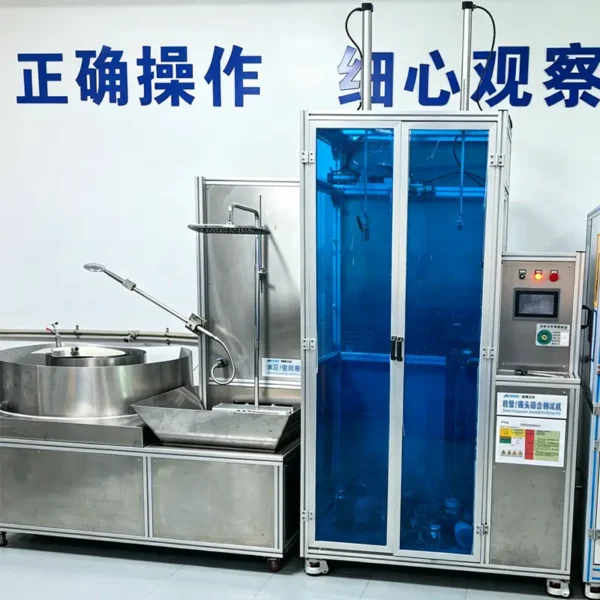
For an OEM buyer, a faucet’s finish is the most visible spec on a product brief, but it’s rarely where the real reliability risk sits. Cartridge selection, aerator design, and internal flow-channel geometry determine warranty performance far more than which salt spray standard a coating cleared. A faucet with a well-tested finish can still generate returns if its cartridge wears prematurely or its aerator can’t hold a stable GPM rating — and because those two failure modes look and feel different to a customer than a coating defect, they’re easy to under-prioritize during specification.
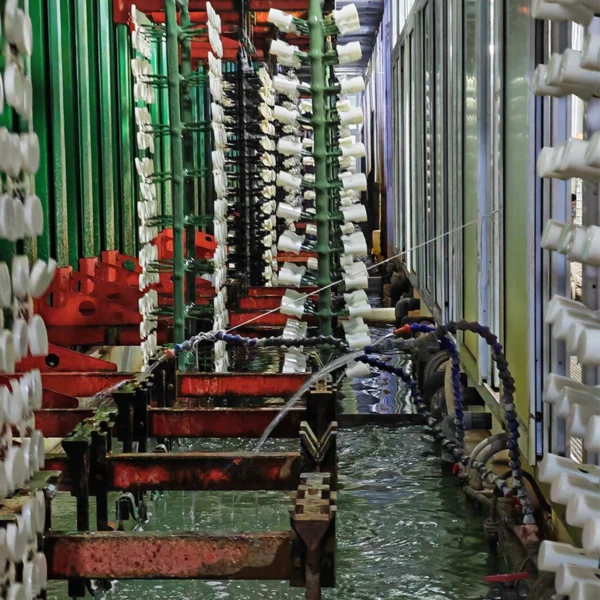
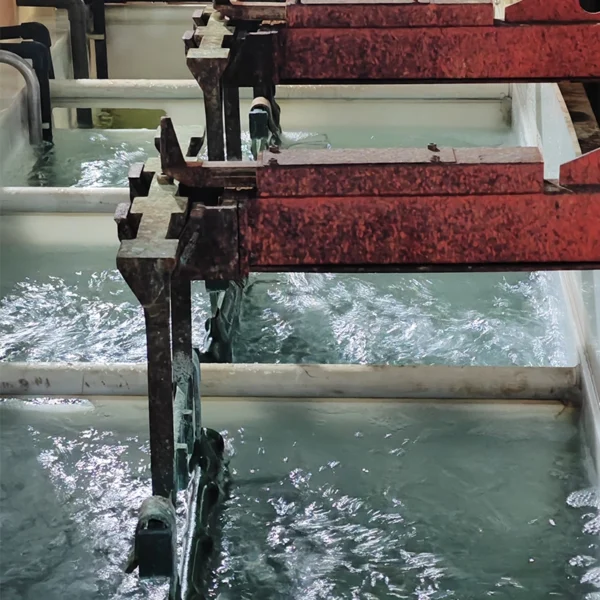
ASTM B117 is explicitly a comparative test: it’s only designed to rank specimens prepared and exposed identically in the same chamber, not to predict how long a coating will actually last once installed. That’s not a fringe criticism — it’s a limitation the coatings industry’s own trade publications have documented for decades, which means a “passed X hours of salt spray” claim on a supplier spec sheet needs the testing conditions behind it, not just the headline number.
ISO 9227’s neutral salt spray method uses different specimen angle requirements than ASTM B117 and offers additional test variants (acetic acid and copper-accelerated) suited to different coating types, particularly decorative copper-nickel-chrome finishes common on bathroom faucets. For OEM brands selling across both U.S. and European-influenced markets, that means finish validation may need to be run against both standards rather than assuming one covers the other.
A modern bathroom faucet is a precisely engineered assembly, and each component carries its own reliability profile. The spout and water channel direct flow and shape the stream — optimized internal geometry reduces turbulence and keeps output consistent across pressure ranges. The valve cartridge is the functional core; most higher-quality bathroom faucets use ceramic disc cartridges for long service life, leak resistance, and smooth operation, and cartridge selection has a direct, outsized effect on warranty performance. Handles and control mechanisms determine mixing accuracy and user feel — single-handle designs regulate both flow and temperature together, while dual-handle systems separate hot and cold control. The aerator assembly mixes air with water to improve perceived pressure, reduce splash, and control flow rate for GPM compliance in water-efficiency-regulated markets.
Water enters through supply hoses, flows into the valve body, and is regulated by the cartridge before exiting through the spout. Inside, hot and cold channels converge at the cartridge, where handle movement adjusts flow volume (typically vertical motion) and temperature ratio (typically horizontal motion) — some systems add thermostatic control for more stable output. Pressure plays directly into faucet behavior: low pressure produces weak flow and poor rinsing performance, while high pressure accelerates wear on seals and components. Faucets intended for multiple markets need to be designed and tested across a wide pressure range rather than a single nominal condition, since real installations vary significantly by region and infrastructure.
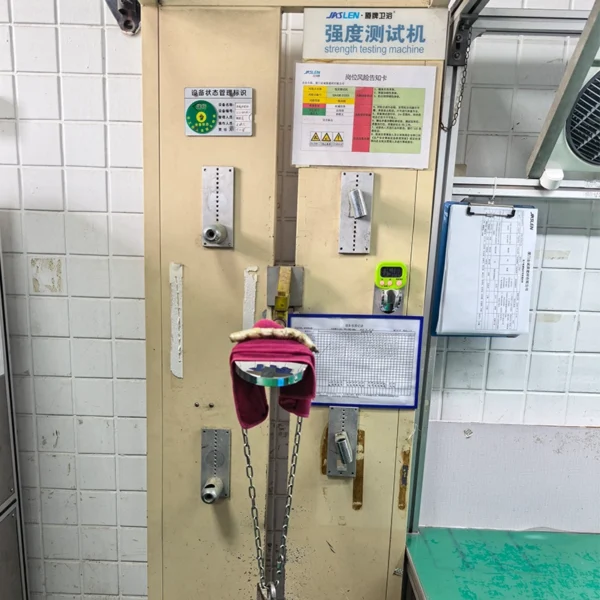
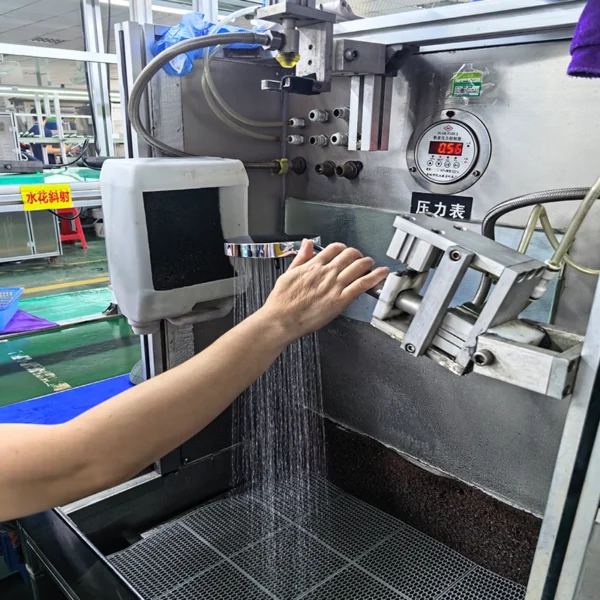
In 2024, JEKARE worked with a mid-sized North American bathroom brand seeing higher-than-expected warranty returns on a new single-handle faucet series (bathroom basin faucets, single-handle kitchen faucets, and matching shower mixers — initial production 30,000 units, forecast 80,000+ annually). Because several returned units showed visible discoloration around the spout, the customer’s first assumption was that chrome plating performance was insufficient. Their initial request to JEKARE was straightforward: increase the salt spray test requirement, extend coating validation time, and review the plating supplier’s capability. The existing spec already included ASTM B117-based chrome plating validation, standard pressure testing, and basic leakage inspection.
Warranty data told a different story. Among 186 returned units analyzed, only 42% showed finish-related complaints — the other 58% involved water flow reduction, dripping, or inconsistent handle operation. The finish complaints were the most visible, but the majority of actual functional failures traced back to internal components entirely unrelated to the coating.
JEKARE’s component-level failure analysis (surface coating inspection, cartridge disassembly, aerator flow measurement, internal water-channel inspection) found three distinct issues:
Before mass production restarted, JEKARE completed 500,000-cycle cartridge verification, flow consistency testing across different pressures, aerator blockage evaluation, and coating appearance inspection. The customer approved the revised specification. In the following sales period, warranty return rate dropped by approximately 35%, and the customer extended the revised cartridge and aerator specification to two additional faucet models.
The reinforcing point for this article: a coating test can confirm finish resistance, but it can’t predict every field failure. The most effective quality strategy isn’t tightening one test requirement further — in this case, the coating test the customer initially suspected — but identifying which component is actually generating the field-failure risk before mass production begins.
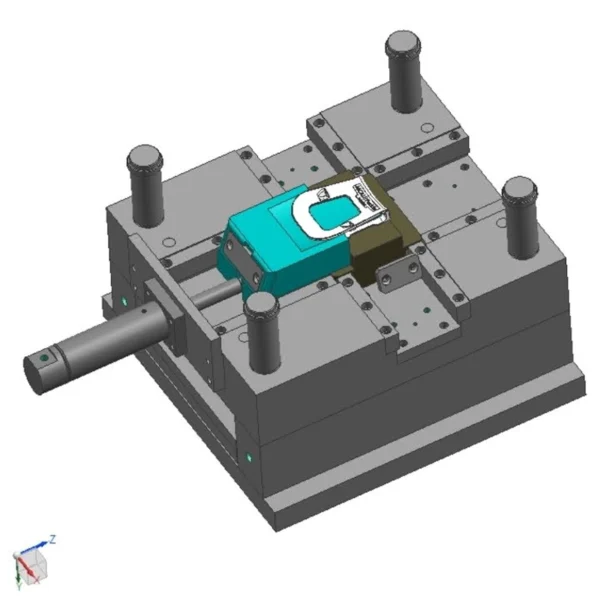
Rather than treating “quality” as a single checkpoint at final inspection, it’s more useful to see where each reliability variable actually gets locked in — because some decisions are far more expensive to revisit once tooling is committed:
| Manufacturing Stage | What Gets Decided | Cost of Fixing It Later |
|---|---|---|
| Design and engineering (CAD, hydraulic simulation, DFM review) | Internal flow-channel geometry, cartridge type, aerator configuration | Very high — requires re-tooling |
| Material processing (brass casting, stainless forming, CNC machining) | Base material grade and dimensional tolerance | High — affects every downstream unit |
| Surface finishing (electroplating, PVD coating) | Which salt spray standard(s) the finish is validated against, and for which markets | Moderate — can sometimes be re-validated without re-tooling |
| Assembly and testing (cartridge installation, pressure/leak/flow testing) | Whether pressure range and flow rate are verified across conditions, not just at one nominal point | Low if caught here — very high if caught in the field |
The pattern worth noting: the decisions with the highest cost to fix later (flow-channel geometry, cartridge type) happen earliest, before most buyers are even reviewing the spec sheet in detail.
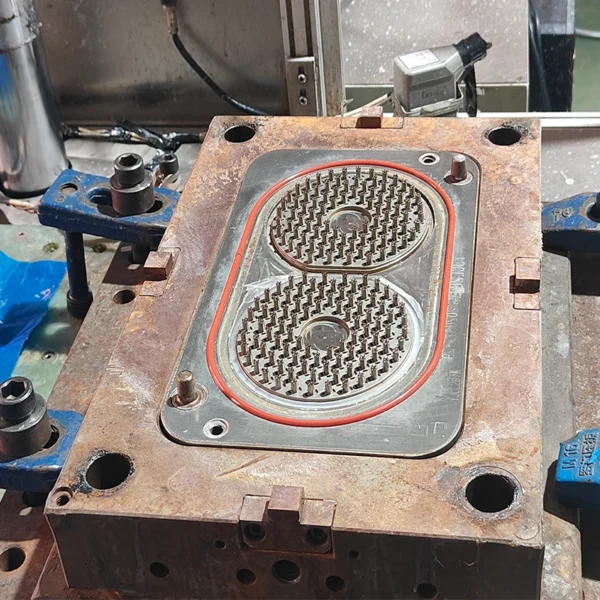
Treating finish testing as the primary quality signal on a faucet spec sheet risks missing where warranty cost actually originates — a dripping spout usually traces back to a worn cartridge, reduced flow to a clogged or poorly designed aerator, not to the plating. For B2B buyers, that argues for asking suppliers for spare-parts and service documentation as part of the original specification, since post-sale serviceability affects customer satisfaction and return rates as much as the initial build.
For OEM programs sourcing across multiple regions, it also means validating cartridge and aerator performance against the destination market’s actual water conditions and regulatory flow-rate requirements, alongside — not instead of — finish testing appropriate to that region’s expected salt spray standard.
No — ASTM B117 is a comparative test between specimens prepared and exposed identically, not a predictive measure of real-world service life, so a passing result should be read alongside the specific test duration and conditions rather than treated as a lifespan guarantee.
Not automatically — the two standards use different specimen positioning and, for some finishes, different test chemistries, so a product validated under one standard may still need separate validation for a market where the other standard is the reference.
Because cartridge type alone doesn’t determine reliability — internal flow-channel geometry, dimensional tolerance from CNC machining, and whether the cartridge was tested across a realistic pressure range all affect real-world performance beyond what the cartridge category implies.
Both — an aerator controls GPM compliance for regulatory purposes, but a poorly matched aerator can also produce inconsistent perceived pressure and splash issues that generate customer complaints independent of any regulatory compliance question.
Ask for the specific standard (ASTM B117 or ISO 9227), the test variant used, the exposure duration, and the pass/fail criteria applied — not just a general claim of “salt spray tested,” since the same phrase can describe meaningfully different validation rigor.
Sophia Mitchell is a Faucet System Engineer at JEKARE, specializing in shower mixing valve technology. With 20 years of experience, she focuses on thermostatic control systems, brass cartridge precision, and stable flow regulation under variable water pressure, working across faucet development to help brands and distributors bring reliable products to market.
✔ 20+ Years of OEM & ODM Manufacturing Experience ✔ Complete Faucet, Shower and Bathroom Product Solutions ✔ Engineering Support from Design to Production ✔ Cartridge, Aerator, and Coating Testing Built Into Standard QC ✔ Flexible Customization for Different Regional Markets ✔ Manufacturing Partner for Global Distributors and Brands
Whether the priority is longevity, cost efficiency, or premium performance, JEKARE’s OEM/ODM project process reviews cartridge, aerator, and finish specification together from the design stage, with DFM mold review before tooling is committed.
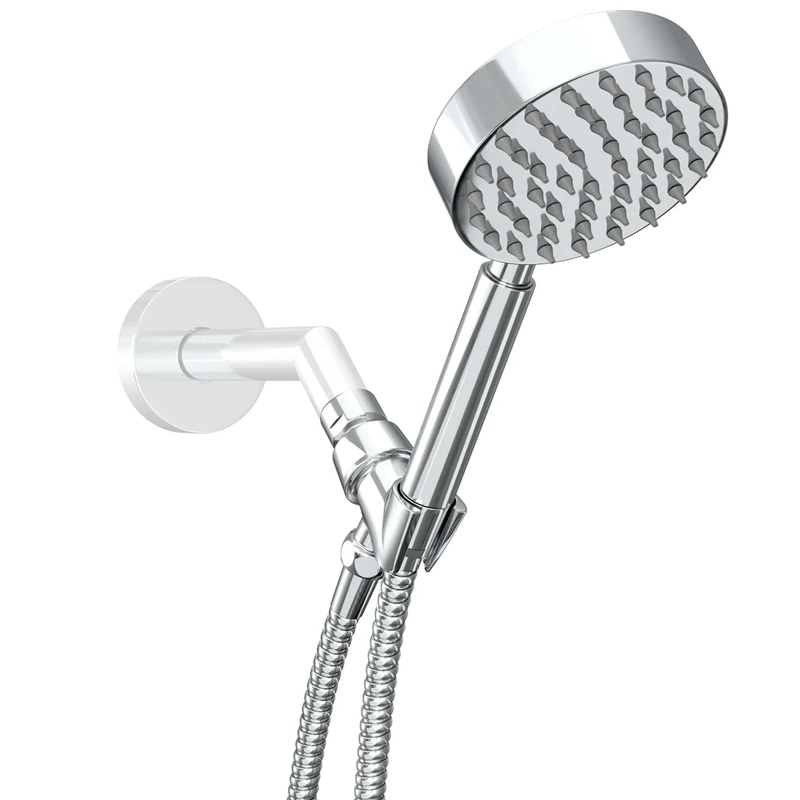
Stainless steel is widely used in high-performance shower systems due to its strength and corrosion resistance. It is especially suitable for rainfall shower head designs, where consistent water distribution and structural stability are essential.
Key advantages:
From a manufacturing standpoint, stainless steel is highly suitable for precision machining. For products like a rain shower head, maintaining internal channel accuracy is critical for even water flow. At Jekare, stainless steel components are engineered with tight tolerances to ensure stable spray performance and reliable long-term use.
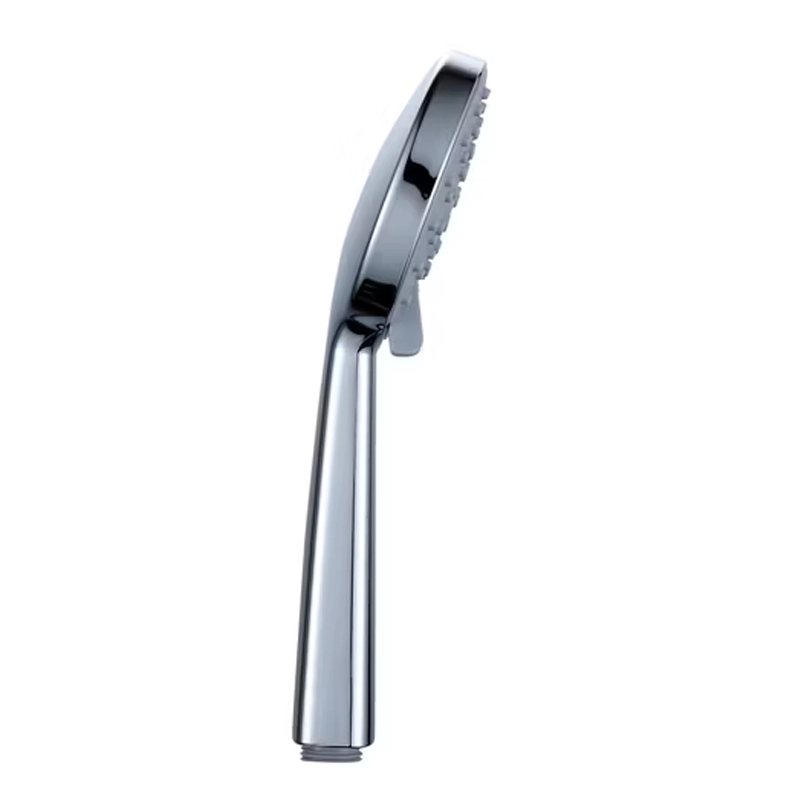
Chrome-plated fixtures remain one of the most widely adopted solutions in global bathroom markets. Their reflective finish enhances visual appeal, making them a common choice for both residential and commercial applications.
Key advantages:
For a shower head with hose or entry-level rainfall shower system, chrome offers a practical balance between aesthetics and affordability. From a factory perspective, plating quality is critical. Multi-layer electroplating ensures corrosion resistance, adhesion, and long-term durability—key factors in reducing after-sales issues.
Brass is often associated with high-end shower systems due to its weight, durability, and premium finish options. It is commonly used in brass shower head designs and luxury rainfall shower collections. Key advantages: Excellent pressure resistance and structural strength Natural antimicrobial properties Wide range of premium finishes (brushed, antique, matte) Solid, high-end feel that enhances product positioning
Our Brass Square Rainfall Shower Head OEM is engineered to fully leverage the inherent advantages of brass while elevating them through precision manufacturing and modern shower system design. Compared with standard zinc or ABS-based shower heads commonly found in the market, this product delivers significantly higher structural integrity, making it more resistant to deformation, internal pressure stress, and long-term wear. The solid brass body ensures stable water distribution even under fluctuating water pressure conditions, which is especially important for rainfall shower performance consistency.
From a product positioning perspective, the Brass Square Rainfall Shower Head OEM offers a noticeably more premium user experience than typical plastic or low-grade metal alternatives. While many competitors focus on cost-driven production that often results in uneven spray patterns, weaker corrosion resistance, or finish degradation over time, our brass construction supports advanced surface treatments such as brushed, matte black, and polished chrome finishes without compromising durability. This allows brands to position the product in mid-to-high-end markets with confidence, while also benefiting from Jekare’s OEM/ODM capabilities, strict quality control, and stable batch consistency for large-scale project requirements.
From a B2B perspective, the best material depends on several factors:
Stainless steel is ideal for durability-focused projects. Chrome is best for cost-sensitive, high-volume programs. Brass is the preferred choice for premium collections and design-driven markets.
In many cases, combining materials can deliver better results. For example, a stainless steel body with chrome finishes or a brass core with specialized coatings can balance cost, durability, and appearance.
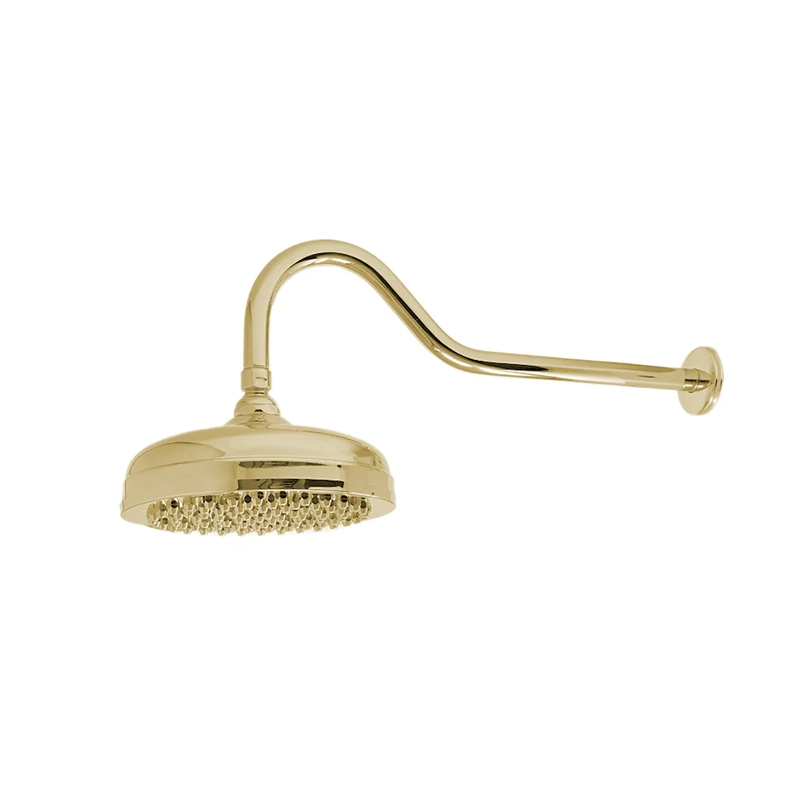
Choosing between stainless steel, chrome, and brass is ultimately about aligning material performance with your product goals. A well-selected material improves durability, enhances user experience, and strengthens your brand’s market position.
At Jekare, we support this process with engineering expertise and scalable manufacturing. From rainfall shower head development to complete shower head with hose systems, we help clients turn material selection into reliable, market-ready products.
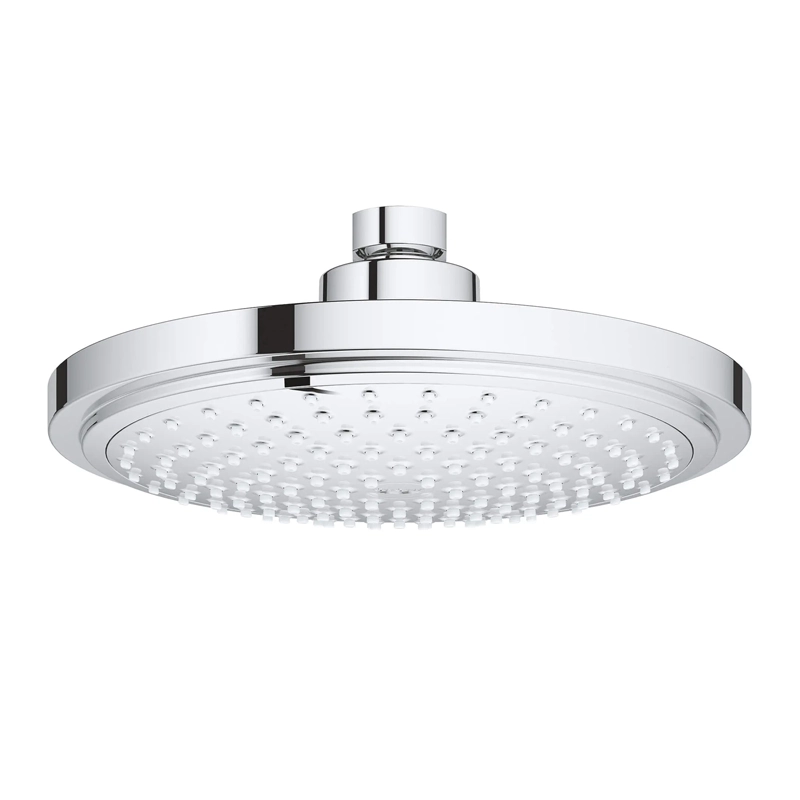
Compared with standard shower heads commonly offered in the market, the chrome shower head with handheld developed by Jekare delivers a more balanced engineering approach between functionality, durability, and user experience. Many suppliers focus primarily on appearance or cost reduction, often compromising internal water flow design, spray consistency, and long-term sealing performance. In contrast, our product is engineered with optimized internal waterways, ensuring stable pressure distribution across both the rainfall head and handheld unit, which significantly improves shower comfort and reduces uneven spray issues often found in lower-quality alternatives.
Key advantages:
For B2B buyers, this means higher product value, better user satisfaction, and stronger differentiation in competitive markets. Jekare supports your project from concept to mass production with reliable engineering, advanced equipment, and scalable OEM/ODM solutions.
If you are planning your next rain shower head or rainfall shower product line, what material and performance level will define your brand? Let’s discuss how we can support your development.
Stainless steel is ideal for durability and corrosion resistance, while brass is preferred for premium applications. Chrome is suitable for cost-effective solutions.
Yes. Many OEM designs combine materials to balance cost, performance, and aesthetics.
Not necessarily. Brass offers a premium feel and durability, while stainless steel provides excellent corrosion resistance and lower maintenance.
Focus on durability, production consistency, cost structure, and compatibility with the target market.
Indirectly. Material impacts internal structure precision and durability, which influence overall flow consistency and long-term performance.
This is Michael Grant, Manufacturing Systems Director at JEKARE. We are a professional OEM/ODM manufacturer based in Xiamen, specializing in bathroom and kitchen sanitary ware with a strong focus on process-driven production.
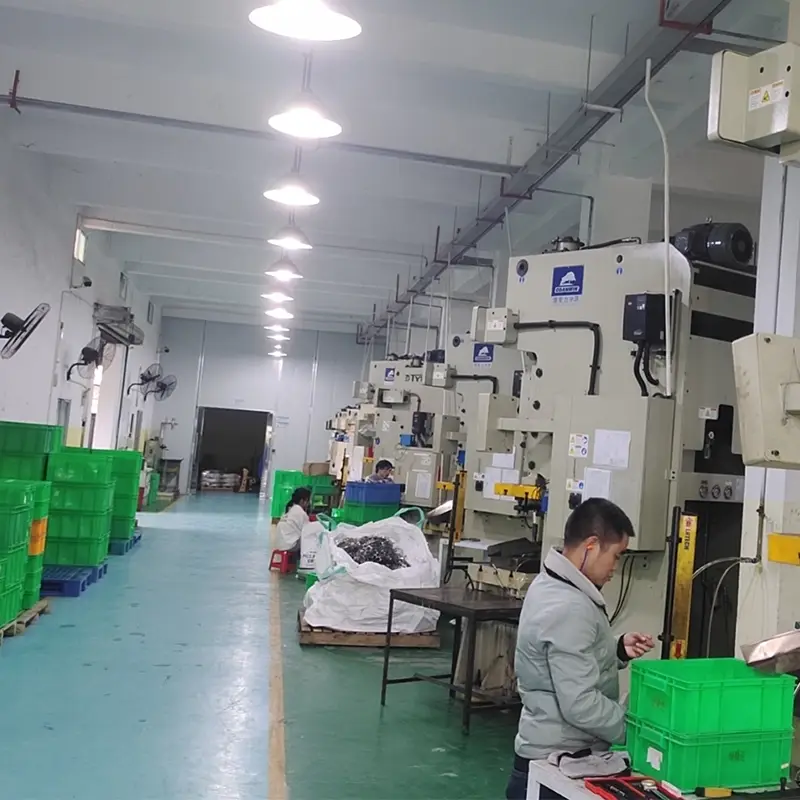
With years of hands-on experience in shower systems, faucets, toilet seats, and related accessories, my focus is on end-to-end manufacturing stability—from mold development and precision injection molding to surface finishing, assembly, and final inspection.
At JEKARE, every production stage is strictly controlled under ISO 9001:2015 standards to ensure consistent quality, dimensional accuracy, and long-term product reliability for global brands.We don’t just manufacture products—we engineer stable production systems for your brand success.Contact us to start your OEM/ODM project.