Call us: +86-18965139230 | Mail to us: info@jekare.com

Seventy-two percent of respondents to the NKBA’s 2026 Bath Trends Report expect bath footprints to increase, with the report specifically noting that aging-in-place and universal design elements have become mainstream enough to be expected to combine function with aesthetic appeal, rather than reading as purely accessibility-driven hardware. This shift matters directly for slide bar shower systems — a product category built around adjustable-height handheld showers — since it signals that demand for this configuration is no longer limited to dedicated accessible-bathroom projects.
A slide bar shower system combines a wall-mounted rail with an adjustable handheld shower bracket, allowing the spray height to be repositioned without relocating the fixed plumbing connection. As universal design moves from a compliance checkbox into a mainstream residential and hospitality expectation, slide bar systems are increasingly specified as a standard product feature rather than a separate accessibility SKU.
Unlike a standard fixed shower head, a slide bar system is a load-bearing wall-mounted assembly that users may grip or lean on, even if not explicitly marketed as a grab bar. A mounting failure here carries real injury liability exposure for the brand and the project it was installed in, which raises the stakes on structural engineering well beyond typical shower head durability concerns.
As aging-in-place design becomes a mainstream buyer expectation rather than a regulatory-driven niche, brands sourcing slide bar systems need to think about the product as a standard catalog item that must work aesthetically alongside a broader collection — not a separate, purely functional accessibility line.
A slide bar shower system effectively merges structural bathroom hardware (the wall-mounted rail) with a functional plumbing fixture (the handheld shower and hose). Sourcing it well requires evaluating both categories together, rather than treating it purely as a shower head variant.
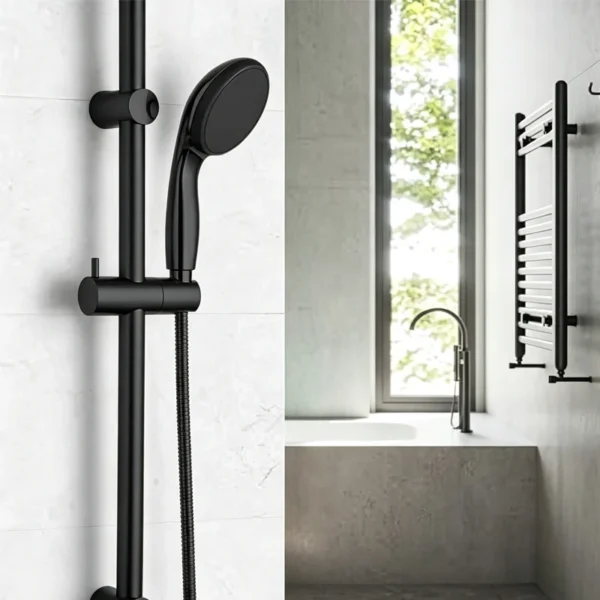
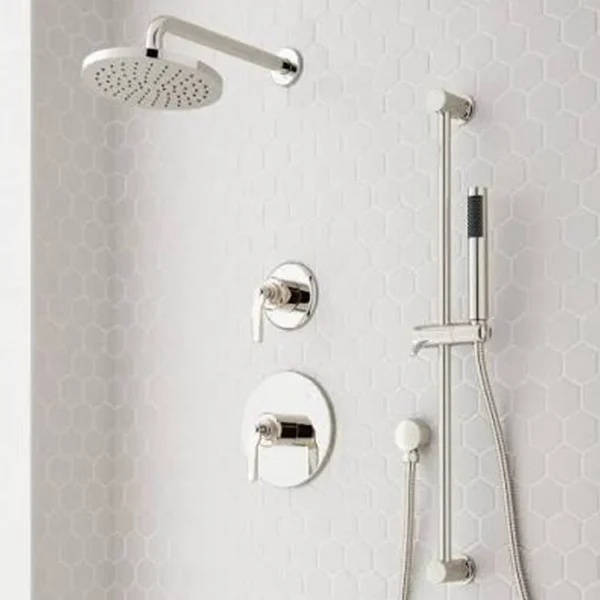
Under the U.S. Access Board’s ADA Standards for Accessible Design, wall-mounted bathroom support hardware must withstand a vertical or horizontal force of 250 pounds (1,112 N) applied at any point on the bar, fastener, mounting device, or supporting structure, per Section 609.8’s structural strength requirement. While this specific requirement applies formally to ADA grab bars, it represents the kind of load-bearing standard buyers should expect any wall-mounted slide bar assembly to be engineered against, given similar use patterns and mounting conditions.
The handheld shower component of a slide bar system falls under the same ASME A112.18.1/CSA B125.1 plumbing supply fittings standard that governs other hand-held shower fittings with hose connection outlets. This means a slide bar system’s handheld shower head and hose need to meet the same fitting compliance requirements as a standalone handheld shower — the slide rail doesn’t exempt the plumbing components from standard fixture compliance.
The mainstreaming of aging-in-place features documented in the NKBA report reinforces that slide bar systems are increasingly evaluated on the same aesthetic and finish criteria as any other shower fixture — a product that looks purely institutional is a harder sell into the broader residential and hospitality market this trend is pointing toward.
From our experience supporting global bathroom brands with shower hardware development, we have seen a clear shift in how buyers evaluate slide bar shower systems. In earlier projects, slide bars were often treated as a functional accessory added to complete a handheld shower package. Today, more brands are evaluating them as a core shower system component that requires the same level of engineering review as faucets, valves, and other load-bearing bathroom hardware.
One recurring consideration during product development is the balance between structural strength, installation flexibility, and collection aesthetics. A slide bar must support repeated adjustment of the handheld bracket while maintaining stable positioning over the product lifecycle. At the same time, brands increasingly expect the rail, bracket, and handheld shower components to match the visual language of their existing shower collections — including finish consistency, material selection, and overall design integration.
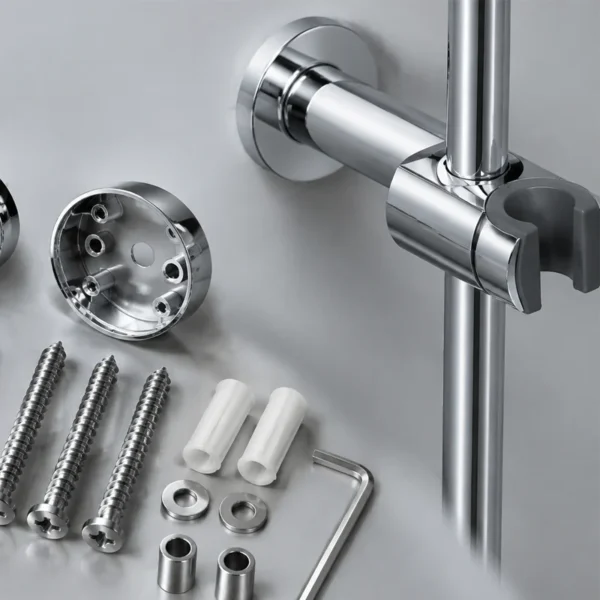
From a manufacturing perspective, the most important evaluation points are often hidden inside the finished product. Wall mounting structure, anchor compatibility, bracket reinforcement, rail deformation resistance, and connection reliability determine long-term performance but cannot be fully evaluated through appearance inspection alone.
For OEM buyers developing accessible or universal-design shower collections, we recommend evaluating slide bar systems through three engineering dimensions:
At JEKARE, we approach slide bar shower development as a complete product system rather than a single hardware component. By coordinating structural design, material selection, surface finishing, and functional validation during the OEM development process, we help bathroom brands create slide bar solutions that meet both performance expectations and market positioning requirements.
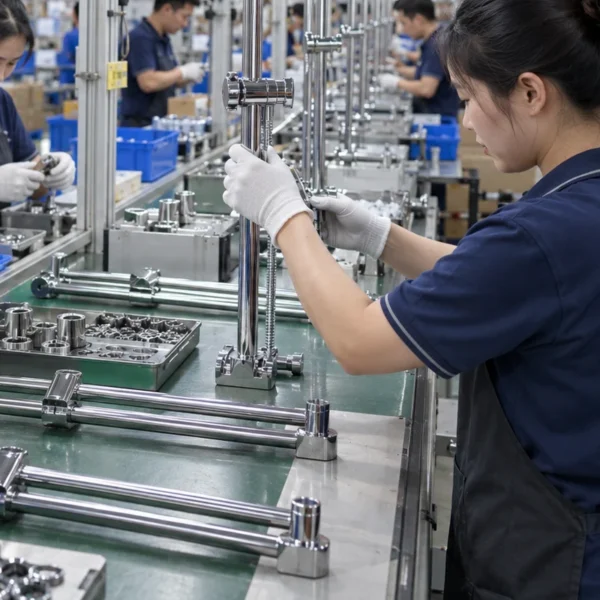
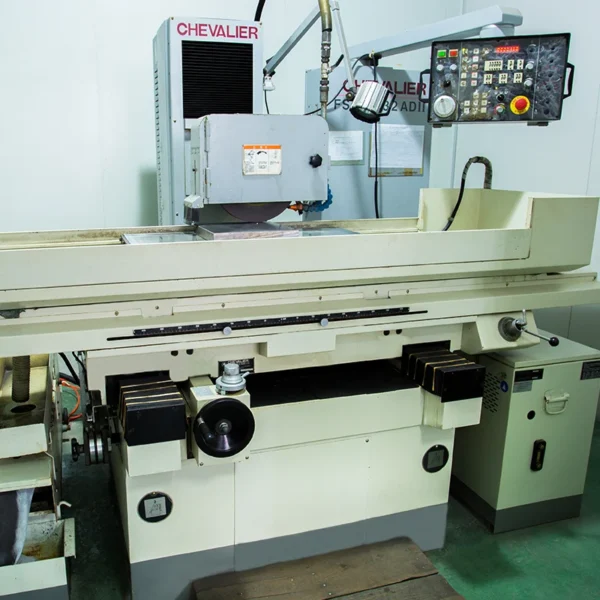
Ask a manufacturer for the specific load rating of the slide bar mounting system and how it’s engineered — wall anchor type, bracket material, and reinforcement requirements — rather than accepting a general “sturdy” or “durable” claim without supporting data.
Confirm the handheld shower head and hose portion of the assembly independently meets ASME A112.18.1/CSA B125.1 or the applicable regional standard — a compliant slide rail doesn’t automatically mean the plumbing fitting attached to it is compliant.
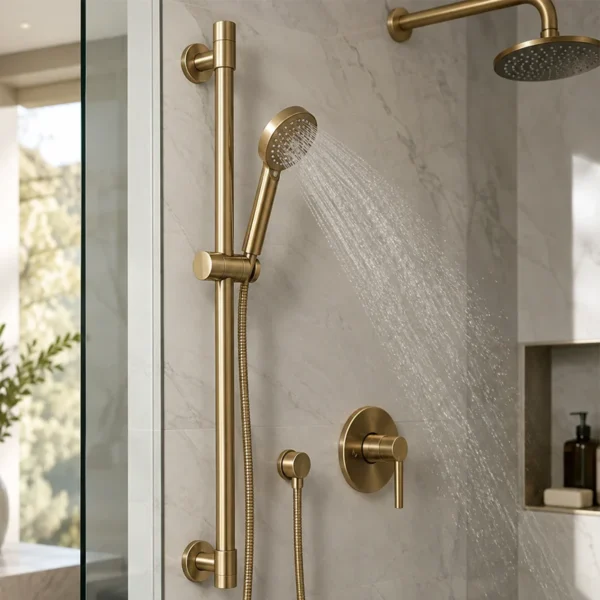
Since slide bar systems increasingly need to match a broader product collection aesthetically, confirm finish options for the rail and bracket are available in the same range as the rest of your shower or faucet line, not limited to a narrow “accessibility hardware” finish palette.
Clarify with your manufacturing partner whether their slide bar product line is engineered and finished for mainstream residential and hospitality use, or built primarily for institutional/compliance-only applications — this affects both aesthetics and price point expectations.
Slide bar systems connect directly to how a brand positions accessibility features within its broader product strategy — treating them as a separate, purely compliance-driven SKU limits their market to institutional and healthcare projects, while integrating them into a mainstream collection with matched finishes opens them to the growing residential and hospitality demand the NKBA data points toward.
More broadly, as universal design continues to move into mainstream expectation rather than niche compliance, brands that can offer genuinely well-engineered, aesthetically integrated slide bar systems are positioned to capture demand across residential, hospitality, and healthcare channels with a single well-designed product line, rather than maintaining separate institutional and residential offerings.
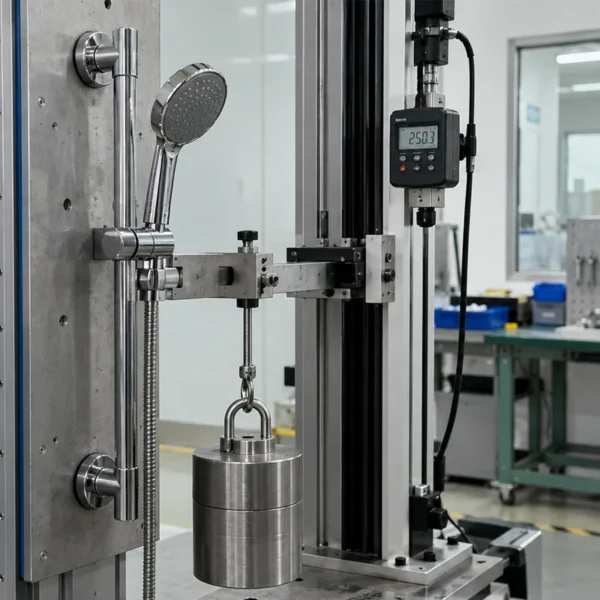
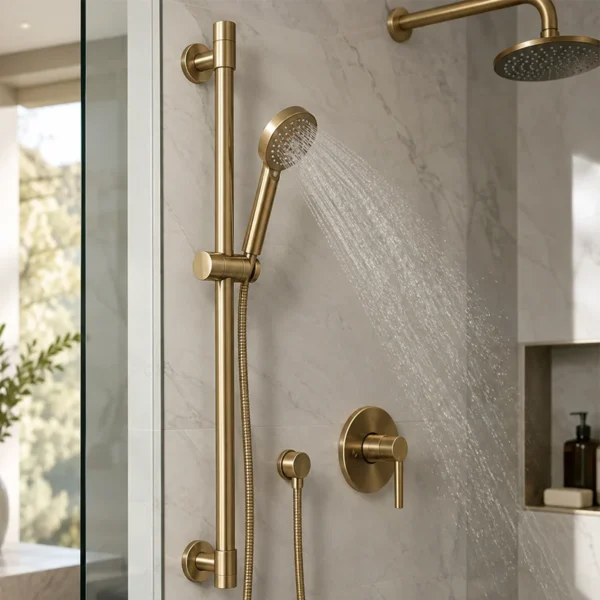
JEKARE’s engineering process addresses structural mounting requirements for wall-mounted shower components as part of overall product development, rather than treating mounting hardware as a secondary concern to the fixture itself — relevant directly to the load-rating and anchoring questions that come up during slide bar system evaluation.
For brands developing a coordinated slide bar shower program, JEKARE’s handheld and shower product line supports finish matching across chrome, matte black, and brushed nickel options, addressing the aesthetic integration question that’s become more important as slide bar systems move into mainstream product collections. Brands can review custom shower system development options directly, and work through JEKARE’s OEM/ODM project process to coordinate structural and fitting compliance for a specific target market.
Slide bar shower systems have moved from a niche accessibility accommodation into a mainstream product spec, driven by the broader mainstreaming of aging-in-place and universal design in bathroom projects. For B2B buyers, the practical takeaway is that a slide bar system carries two distinct engineering requirements — structural load-bearing performance for the mounting rail and standard plumbing fitting compliance for the handheld component — and both deserve the same verification rigor as any other product category, not an assumption that “accessibility hardware” is inherently well-engineered by default.
There’s no universal requirement that a non-designated slide bar meet ADA grab bar structural standards specifically, but given similar mounting conditions and use patterns, sourcing to a comparable load rating is a reasonable engineering practice rather than a strict legal requirement outside ADA-designated installations.
This depends on the specific bracket and mounting interface design — some slide bar systems are engineered for interchangeability across a product line’s handheld shower options, while others are matched to a specific model; this is worth confirming during product development if flexibility is a design goal.
Generally metal construction (brass or stainless steel) offers higher structural load capacity than plastic alternatives, but actual performance depends on wall thickness, bracket design, and mounting hardware — material alone doesn’t fully determine load rating without supporting engineering data.
Height range and adjustability specifications should be confirmed against the target market’s typical installation practices and any applicable accessibility guidelines, since expected mounting heights and rail travel range can vary by region and building code.
Yes — beyond the standard flow and finish testing applied to any shower head, a slide bar system requires structural load testing on the mounting rail and bracket assembly, which is a distinct testing category not typically applied to fixed, non-load-bearing shower fixtures.
Lily is a Senior Quality and OEM Process Engineer at JEKARE with over 20 years of experience in bathroom fixture manufacturing and supplier quality systems. She specializes in structural mounting engineering, plumbing fitting compliance, and product line development across shower and accessibility-adjacent hardware categories. With extensive experience guiding global bathroom brands and distributors through new product development, Lily focuses on helping buyers evaluate the structural and compliance requirements specific to wall-mounted, load-bearing shower components.
1. U.S. Access Board — ADA Standards for Accessible Design, Chapter 6: Bathing Rooms
https://www.access-board.gov/ada/guides/chapter-6-bathing-rooms/
2. CSA/ASME — A112.18.1-2024/CSA B125.1-2024: Plumbing Supply Fittings
https://webstore.ansi.org/standards/csa/csaasmea112182024b125
3. National Kitchen & Bath Association (NKBA | KBIS) — 2026 Bath Trends Report
https://nkba.org/press/nkba-kbis-releases-annual-2026-bath-trends-report/
✔ 20+ Years of OEM & ODM Manufacturing Experience
✔ Structural Mounting Engineering for Wall-Mounted Shower Components
✔ Finish-Matched Slide Bar, Handheld, and Fixed Shower Options
✔ Compliant Hose and Fitting Engineering Across Product Lines
✔ Flexible Customization for Residential, Hospitality, and Healthcare Channels
✔ Reliable Manufacturing Partner for Global Distributors and Brands
Whether you’re developing a mainstream slide bar shower collection or a dedicated accessible-bathroom product line, JEKARE provides engineering-driven OEM manufacturing support from concept development through mass production.Contact our team to discuss your next bathroom product project.