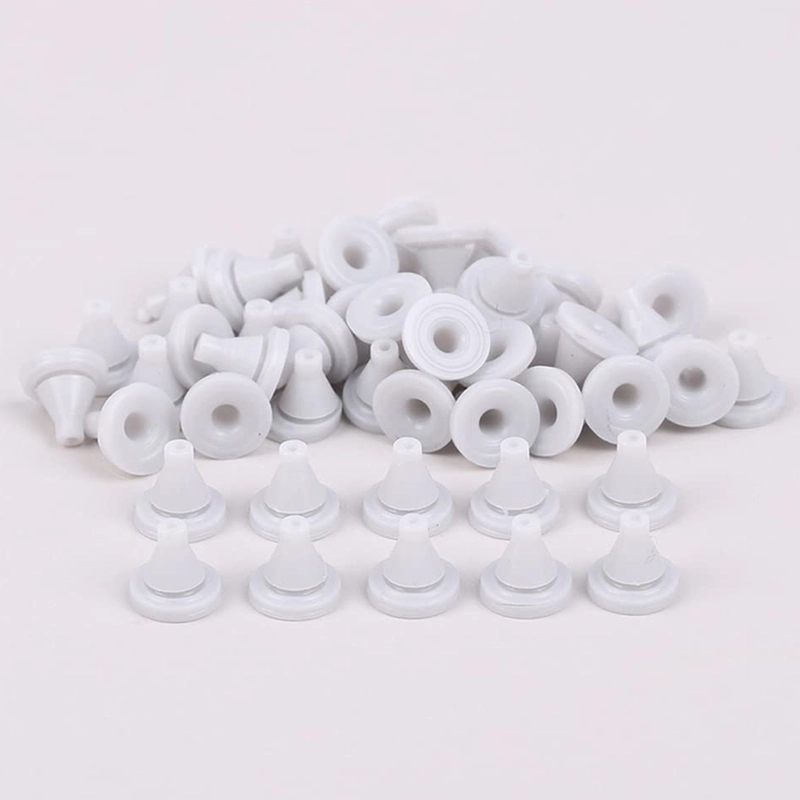
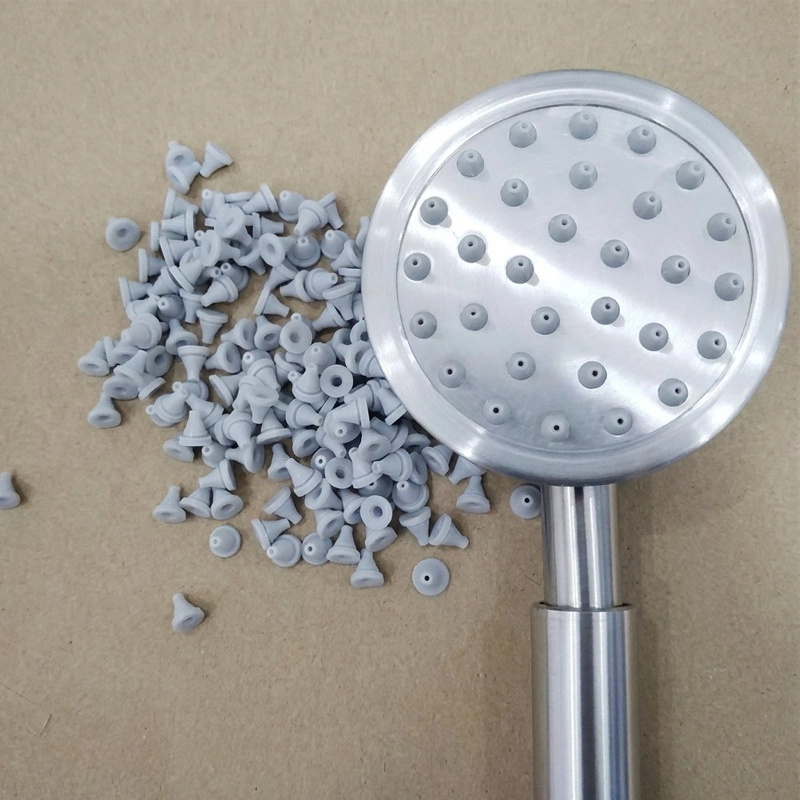
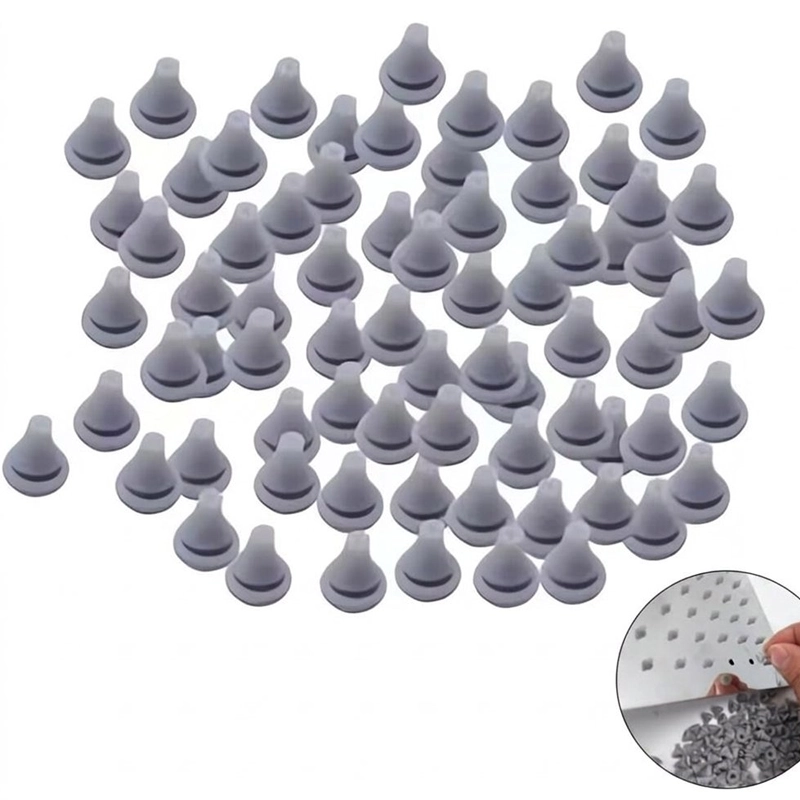
Silicone valves are essential components in shower systems, faucets, and water flow control parts — controlling water flow, preventing leakage, and ensuring long-term product reliability. Choosing the right silicone valve material directly affects sealing performance, flexibility, durability, temperature resistance, and manufacturing consistency.
This silicone valve material selection guide from JEKARE helps bathroom brands, product engineers, and OEM buyers understand the available silicone material options — from Shore hardness selection to silicone formulation and
LSR injection molding requirements — so you can choose the right solution for custom valve development.
Quick navigation: Why Silicone | Hardness Guide | Material Types | Design Considerations | Comparison Table | Quality Testing | FAQ
1. Why Silicone Is the Preferred Material for Bathroom Valve Applications
Silicone rubber is the leading choice for bathroom valve manufacturing because it combines flexibility, elasticity, chemical resistance, and long-term stability in ways that other elastomers struggle to match.
Excellent Elastic Recovery
Silicone valve materials deliver:
- Consistent sealing performance over thousands of cycles
- Repeated deformation capability without permanent set
- Stable opening and closing performance
- Long service life in daily-use bathroom fixtures
duckbill valves, one-way valves, flow control valves, and pressure relief valves installed in
shower faucets and basin taps.
Excellent Temperature Resistance
Silicone performs reliably across the temperature swings typical of bathroom use — hot water exposure, temperature cycling, and long-term humid environments.
| Grade |
Temperature Range |
| Standard silicone |
approx. −50°C to +200°C |
| Specialized high-temp grades |
higher capability on request |
Chemical & Aging Resistance
Silicone valve components resist water exposure, common cleaning chemicals, environmental aging, and ozone/UV exposure — critical for products with a multi-year warranty expectation.
Soft & Flexible Structure
The flexible molecular structure of silicone enables low opening pressure, smooth valve operation, reliable sealing, and complex flexible geometries that rigid plastics can’t achieve.
2. Silicone Hardness Selection Guide (Shore A) for Valve Design
Silicone hardness — measured on the Shore A scale — is one of the most important design parameters affecting valve opening force, sealing performance, and durability. Choosing the correct hardness is often the single biggest factor in
custom silicone valve OEM projects.
Soft Silicone (20–40 Shore A) — High-Flexibility Solution
Advantages: very soft touch, low opening pressure, excellent flexibility, good sealing capability.
Applications: small flow control valves, medical-style silicone valves, low-pressure sealing applications.
Engineering considerations: lower mechanical strength; requires optimized geometry design; sensitive to tearing if wall thickness is insufficient.
Medium Silicone (40–60 Shore A) — Balanced Performance
Advantages: good sealing performance, better tear resistance, stable repeated operation, good manufacturing
consistency.Applications: shower valves, faucet sealing components, water flow control parts. This is the most common hardness range for standard bathroom valve production.
Hard Silicone (60–80 Shore A) — Higher-Strength Structural Silicone
Advantages: higher mechanical strength, better dimensional stability, improved wear resistance.
Applications: larger silicone components, high-pressure applications, structural sealing parts.
3. Silicone Material Types for Valve Applications
Standard Silicone Rubber (VMQ) — General-Purpose Solution
Good flexibility, good temperature resistance, and cost-effective — a reliable default for standard valves and water control parts.
High Consistency Silicone Rubber (HCR) — Durable Solution for High-Performance Parts
Processed using traditional compression molding technologies. Delivers excellent mechanical strength, good durability, and stable performance for compression-molded valves and high-volume components.
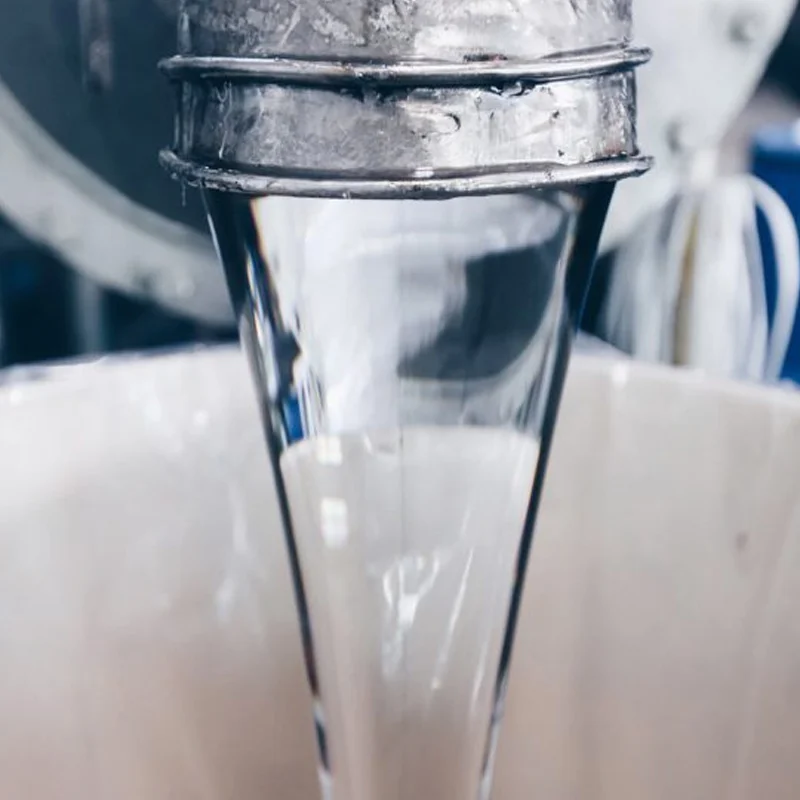
Liquid Silicone Rubber (LSR) — Precision Solution via LSR Injection Molding
LSR injection molding offers the highest dimensional accuracy and consistency for complex silicone valve designs, making it the preferred process for premium bathroom components.
Key benefits of LSR injection molding:
- High dimensional accuracy — ideal for precision valve structures, thin-wall designs, and complex geometries
- Stable mass production — automated production, consistent quality, reduced variation batch to batch
- Excellent surface quality — suited to premium bathroom components and functional silicone parts
Typical LSR applications: duckbill valves, check valves, shower silicone components, water flow control systems.
4. Silicone Valve Design Considerations
Material selection only delivers results when paired with correct product design.
- Valve geometry: slit design, wall thickness, opening pressure, sealing surface, elastic recovery.
- Compression design: compression ratio, contact pressure, long-term deformation resistance.
- Mold design: venting design, flash control, parting line optimization, precision tooling, all covered by our in-house tooling service.
5. Silicone Valve Material Comparison Table
| Material Type |
Flexibility |
Durability |
Precision |
Typical Application |
| Soft Silicone 20–40A |
Excellent |
Medium |
Good |
Sensitive valves |
| Medium Silicone 40–60A |
Good |
Excellent |
Excellent |
Bathroom valves |
| Hard Silicone 60–80A |
Medium |
Excellent |
Good |
Structural seals |
| HCR Silicone |
Good |
Excellent |
Medium |
Traditional molding |
| LSR Silicone |
Excellent |
Excellent |
Excellent |
Precision valve systems |
6. Silicone Valve Quality Testing
Reliable silicone valves require full performance validation before mass production:
- Mechanical testing: compression testing, opening pressure testing, tear strength testing, repeated cycle testing.
- Leakage testing: air leakage testing, water leakage testing, pressure resistance testing.
- Material testing: hardness testing, tensile strength testing, aging testing, chemical resistance testing.
All silicone valve batches pass strict factory inspection, learn more about our full validation process at
QA & testing service with ISO 9001:2015 certification.
7. Silicone Valve Manufacturing Considerations
Successful silicone valve production requires tight control of:
- Material formulation
- Hardness consistency
- Mold precision
- Flash control
- Post-curing process
- Cleaning process
- Batch traceability
8. How to Select the Right Silicone Valve Material: A Checklist
Application requirements: water pressure, temperature, flow control function, expected service life.
Product requirements: opening force, sealing performance, flexibility, durability.
Manufacturing requirements: production volume, mold technology, material availability, quality control capability.
Why Silicone Material Selection Matters in OEM Development
The right silicone material selection helps brands achieve:
- Reliable sealing performance
- Longer product life
- Stable mass production
- Reduced leakage risks
- Better end-customer experience
Frequently Asked Questions About Silicone Valve Materials
What Shore A hardness is best for a shower valve?
Most shower and faucet valves use 40–60 Shore A silicone, which balances sealing performance, tear resistance, and manufacturing consistency for repeated daily use.
What’s the difference between LSR and HCR silicone for valve manufacturing?
LSR (Liquid Silicone Rubber) is injection molded for high precision, thin walls, and consistent mass production. HCR (High Consistency Rubber) is compression molded and better suited to larger, high-volume structural components where ultra-fine precision is less critical.
What temperature range can silicone valves withstand?
Standard silicone valve materials perform reliably from approximately −50°C to +200°C, which covers typical hot water exposure and temperature cycling in bathroom environments. Specialized grades are available for higher-temperature requirements.
Can silicone valves be custom manufactured for OEM bathroom brands?
Yes. JEKARE offers custom silicone valve development including material selection, Shore hardness optimization, LSR injection molding, precision tooling, and full performance testing for OEM mass production.
JEKARE Silicone Valve Engineering Support
JEKARE provides custom silicone valve manufacturing solutions for bathroom OEM brands, including:
- Silicone material selection
- Shore hardness optimization
- LSR injection molding
- Silicone compression molding
- Precision tooling
- Valve performance testing
- OEM mass production support
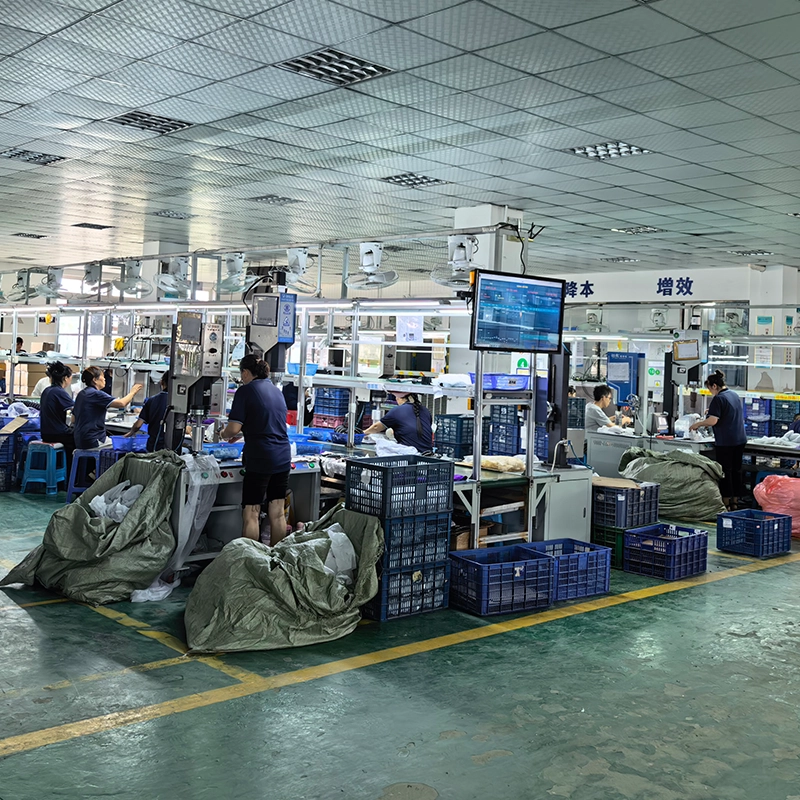
Our engineering team helps global bathroom brands develop reliable silicone components for shower, faucet, and water control applications — backed by ISO 9001:2015 certified manufacturing.
Need Help Selecting Silicone Valve Materials?
Share your valve design, application requirements, or existing samples with our engineering team.
Request a Material Evaluation →
Related Resources
(internal links — replace with your live URLs)
- Shower Head OEM & ODM Manufacturing Guide
- Faucet Valve Cartridge Selection Guide
- ISO 9001:2015 Quality Control Process at JEKARE