Call us: +86-18965139230 | Mail to us: info@jekare.com

Modern shower heads require more than attractive appearance. Successful shower product development requires the integration of water flow engineering, spray performance, material selection, structural design, manufacturing feasibility, surface finishing, and performance validation.
A poorly designed shower head may result in uneven spray patterns, water leakage, low water pressure performance, nozzle blockage, surface defects, and high production variation.
This Shower Head Design Guide from JEKARE explains the key engineering considerations for developing reliable shower heads from concept design to scalable OEM production.
A shower head combines multiple functional systems: external housing, internal water channels, spray plate, silicone nozzles, connection components, and flow control elements. Each component affects final product performance.
Protects the internal structure, provides product appearance, and supports assembly. Common materials: ABS, stainless steel, engineering plastics.
Responsible for water distribution, spray pattern, and user experience. Design factors: hole layout, hole diameter, water pressure balance.
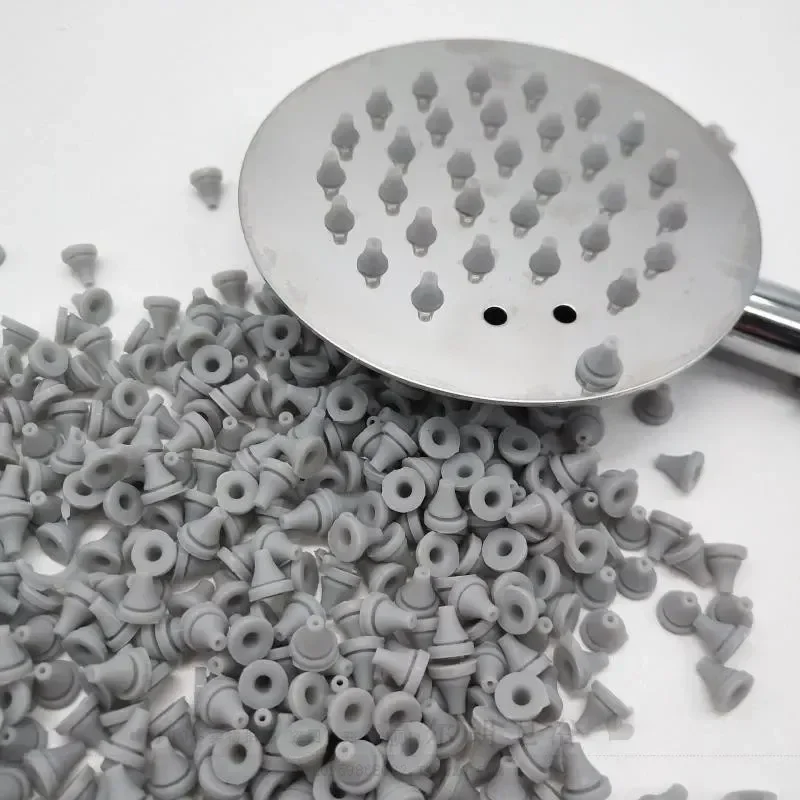
Controls water outlet, prevents blockage, and improves cleaning performance. Design factors: silicone hardness, hole geometry, elastic recovery — see JEKARE’s Silicone Valve Material Selection Guide for Shore A hardness selection principles that also apply to shower nozzle design.
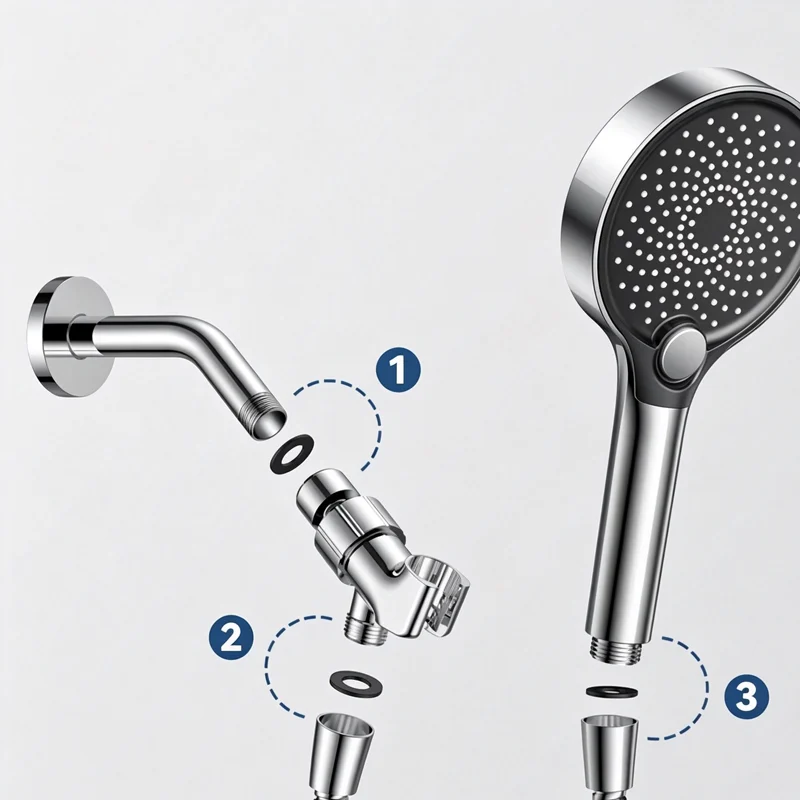
Water performance is one of the most important factors in shower head development. A well-designed shower head must balance water coverage, spray comfort, flow efficiency, and pressure performance.
Avoid sudden flow restrictions, turbulence, and uneven pressure distribution — benefits include stable spray performance, reduced noise, and improved user experience.
Important for rain shower heads, handheld showers, and multi-function systems. Engineering factors: channel size, internal cavity design, flow resistance.
The spray plate directly determines shower performance.
Key parameters are hole diameter, hole spacing, hole quantity, and distribution pattern. Poor design may cause uneven spray, weak water flow, or water concentration.
Silicone nozzles provide flexible water outlets, anti-scale function, and easy cleaning. Design considerations: silicone hardness, nozzle thickness, elastic recovery.
Testing should include spray coverage, flow rate, pressure performance, and user comfort evaluation.
| Material | Advantages | Applications |
|---|---|---|
| ABS | Excellent injection molding, good appearance, chrome plating compatibility, cost efficiency | Handheld shower heads, rain shower housings, high-volume OEM products |
| Stainless Steel | Excellent corrosion resistance, high durability, premium appearance | Luxury shower systems, hotel projects, premium bathroom collections |
| Engineering Plastics (POM, PBT, PA) | Precision, structural, and functional performance depending on grade | Internal functional parts, precision components, structural supports |
For the full material comparison, see JEKARE’s ABS vs Stainless Steel Shower Head Guide, ABS Material Guide, POM Material Guide, and PBT Material Guide.
Plastic shower head components require careful DFM planning.
Improper thickness may cause sink marks, warpage, and uneven cooling. Design principles: uniform wall thickness, smooth transitions, proper reinforcement ribs.
Ribs improve structural strength, housing stiffness, and assembly reliability — avoid excessive rib thickness and sharp corners.
Gate location, cooling system, venting design, surface texture replication.
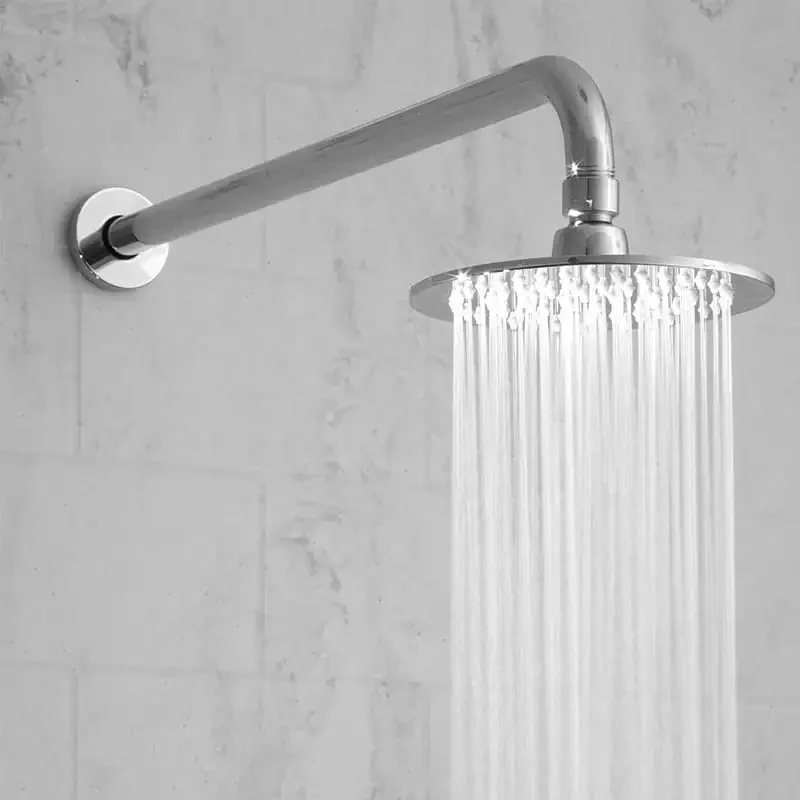
Metal shower heads require different engineering approaches.
Sheet metal forming, deep drawing, CNC machining, welding, polishing.
Must balance strength, weight, and cost.
Important for leakage prevention, appearance consistency, and long-term durability.
Brushed finish, polishing, PVD coating — see JEKARE’s Surface Finish Guides for the full engineering detail behind each option.
A reliable shower head requires optimized component integration.
Evaluate thread design, sealing method, component tolerance.
Prevent water leakage, loose connections, and long-term failure.
Consider assembly sequence, automation possibility, and inspection requirements.
| Finish | Advantages | Applications |
|---|---|---|
| Chrome Plating | Classic bathroom appearance, good corrosion resistance | Standard and mid-range shower heads |
| PVD Coating | Premium colors, better wear resistance | Matte black, brushed gold, gunmetal finishes |
| Brushed Finish | Modern, fingerprint-resistant texture | Stainless steel shower systems, modern bathroom designs |
For full engineering detail on each finishing technology, see JEKARE’s Chrome Plating Guide, PVD Coating Guide, and Brushed Finish Guide.
Before mass production, shower heads should undergo performance validation.
Flow rate testing, pressure testing, spray pattern testing.
Water leakage inspection, connection testing, pressure resistance testing.
Assembly cycle testing, surface durability testing, long-term aging evaluation.
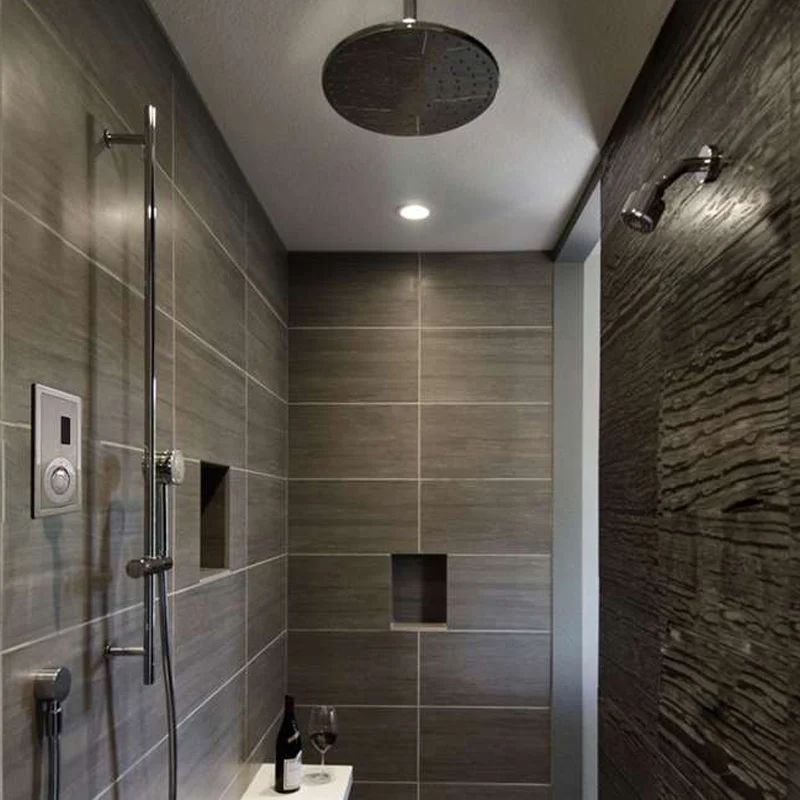
The most important factors are water flow performance, spray pattern, leakage prevention, material selection, and manufacturing feasibility.
It depends on product positioning. ABS offers cost efficiency, lightweight construction, and flexible design. Stainless steel offers premium appearance, higher durability, and better corrosion resistance. See JEKARE’s ABS vs Stainless Steel Shower Head Guide for the full comparison.
Key methods include optimizing internal water channels, improving nozzle layout, balancing pressure distribution, and validating spray performance through hydraulic testing.
Early DFM review helps reduce mold modification risks, production defects, assembly problems, and manufacturing costs before tooling is committed.
JEKARE provides complete shower product development solutions, including:
Our engineering team helps global bathroom brands develop reliable shower products from concept design to mass production — backed by ISO 9001:2015 certified manufacturing, following the standard development process outlined in JEKARE’s Bathroom Product Development Process Guide.
Share your shower design, drawings, samples, or product requirements with our engineering team.