Call us: +86-18965139230 | Mail to us: info@jekare.com

Reliable bathroom products require more than attractive design and efficient manufacturing. Long-term product performance depends on systematic validation, testing standards, process control, and production quality management.
JEKARE’s Quality & Testing Guides provide practical engineering knowledge for bathroom brands, product developers, and sourcing teams to understand how bathroom products are validated before mass production — from faucets and shower systems to toilet seats and smart bathroom products.
Bathroom products operate under continuous exposure to water pressure, temperature changes, daily mechanical operation, cleaning chemicals, and humidity environments. A professional testing system helps identify potential failures before products reach the market.
Testing categories: functional testing (product operation, water performance, assembly function), durability testing (repeated operation, long-term reliability, component life), environmental testing (corrosion resistance, chemical exposure, temperature aging), and production validation (sample approval, pilot production, mass production verification).
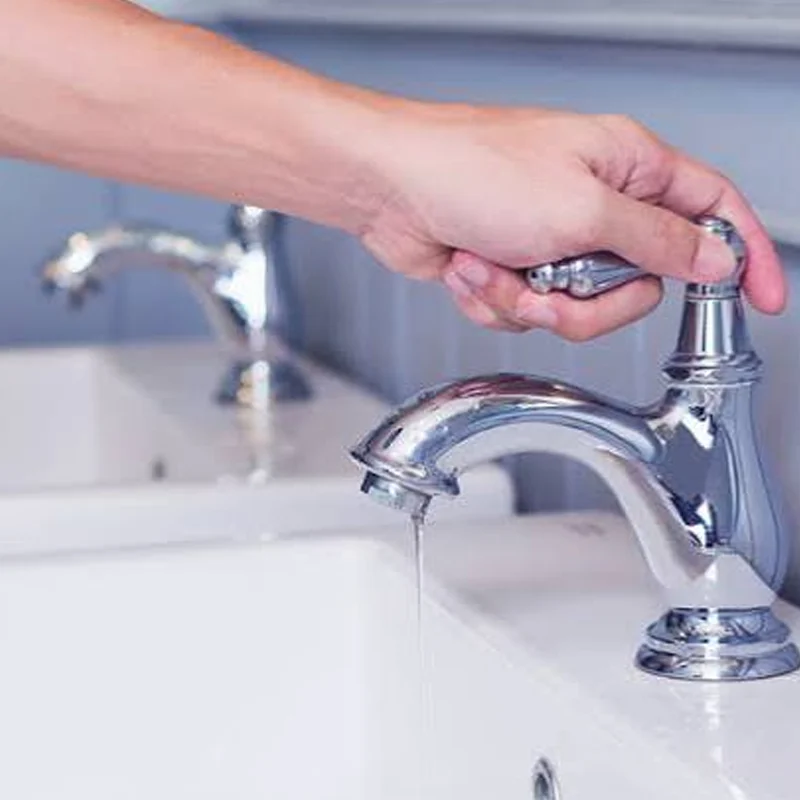
Faucets are precision water-control products requiring strict testing to prevent leakage, corrosion, and functional failures.
Covers: hydraulic performance testing (pressure, leakage, flow), mechanical durability testing (cartridge cycle test, handle operation test), and surface quality testing (salt spray, coating adhesion, scratch resistance).
Shower heads must deliver consistent water performance while maintaining structural reliability.
Covers: water performance testing (flow rate, spray pattern, pressure) and durability testing (assembly cycle, nozzle performance, long-term usage simulation).
Read the full Shower Head Testing Guide →
Toilet seats experience repeated mechanical loading every day — testing ensures structural strength, hinge reliability, and long-term user safety.
Covers: mechanical testing (load, impact, hinge cycle/soft-close/mounting durability) and environmental testing (chemical resistance, heat aging, moisture exposure).
Read the full Toilet Seat Durability Testing Guide →
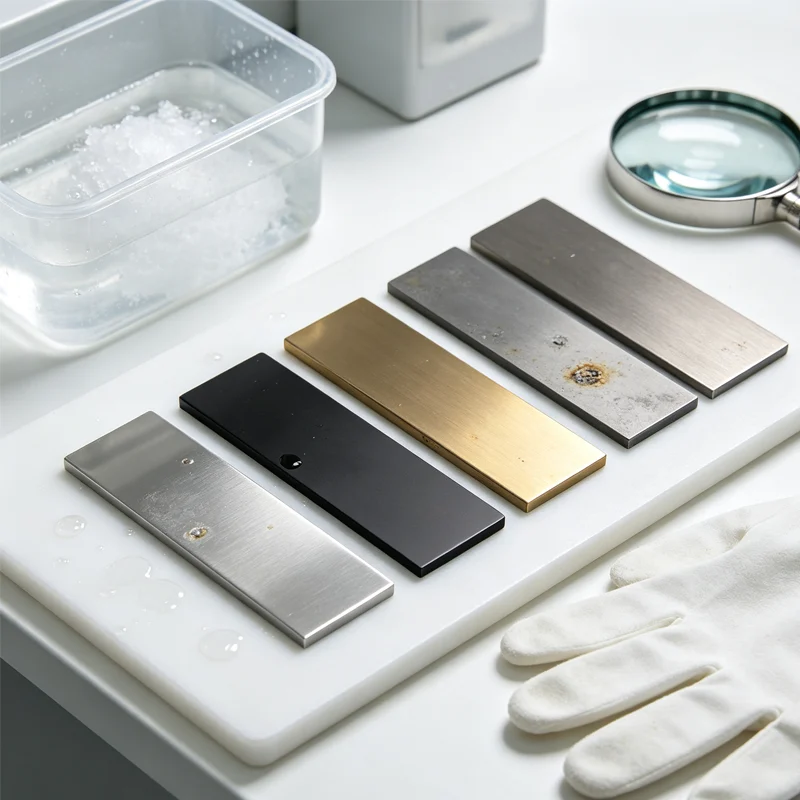
Surface finish is a critical factor influencing bathroom product quality perception across chrome plating, PVD coating, brushed finish, and matte coating.
Covers: corrosion resistance testing (salt spray test), adhesion testing (coating bonding strength), and wear resistance testing (scratch resistance, daily-use durability).
Material selection should be validated according to actual product conditions.
Covers: plastic material validation (mechanical properties, heat resistance, chemical resistance, dimensional stability — ABS, PP, PC, POM, PBT, PA), silicone material validation (hardness testing, compression performance, aging resistance, chemical compatibility), and metal material validation (composition, corrosion resistance, mechanical strength).
Reliability testing simulates actual product usage conditions across categories — faucet valve/handle cycles, shower connection durability and spray stability, toilet seat hinge/load cycles — plus aging testing (temperature, humidity, chemical exposure).
Read the full Bathroom Reliability Testing Guide →
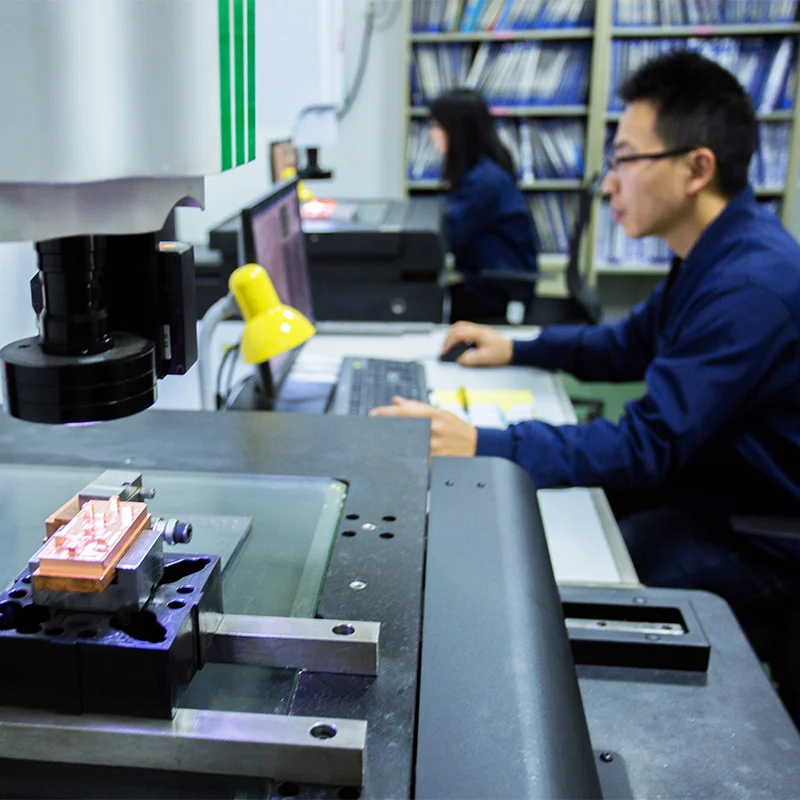
Stable quality requires control throughout the entire manufacturing process.
Covers: Incoming Quality Control (IQC — raw materials, components, supplier documentation), In-Process Quality Control (IPQC — manufacturing parameters, assembly processes, product consistency), Final Quality Control (FQC — appearance, function, packaging, specifications), and production traceability (batch records, inspection reports, manufacturing history).
A structured validation process reduces production risks across four stages:
Professional OEM projects often require detailed quality records.
Covers: inspection documents (First Article Inspection/FAI, dimensional reports, material reports), production documents (control plans, process records, batch traceability), and validation documents (test reports, reliability records, performance verification).
Bathroom products are exposed to water pressure, mechanical stress, humidity, and chemical cleaning environments — testing helps prevent failures after market launch, when they’re far more costly to address.
Typical tests include pressure testing, leakage testing, flow testing, cartridge cycle testing, and surface corrosion testing. See the dedicated Faucet Testing & Validation Guide for full detail.
Through load testing, hinge cycle testing, impact testing, and environmental testing. See the dedicated Toilet Seat Durability Testing Guide for full detail.
Common documents include inspection reports, material certificates, testing reports, and production records — see the Bathroom OEM Quality Documentation Guide for the complete list by project stage.
JEKARE supports complete bathroom product validation and quality management, including:
Our engineering and quality teams help global bathroom brands reduce product risks and achieve reliable OEM production — backed by ISO 9001:2015 certified manufacturing.
Share your product requirements, drawings, or testing expectations with our team.