Call us: +86-18965139230 | Mail to us: info@jekare.com

Developing reliable bathroom products requires more than product design. Successful OEM projects depend on the integration of engineering design, material selection, tooling strategy, manufacturing processes, and performance validation.
JEKARE’s product engineering guides provide practical engineering insights for bathroom brands, product managers, and sourcing teams developing customized bathroom products — from faucets and shower systems to toilet seats and smart bathroom solutions — helping teams identify design risks, optimize manufacturing feasibility, and prepare products for scalable production.
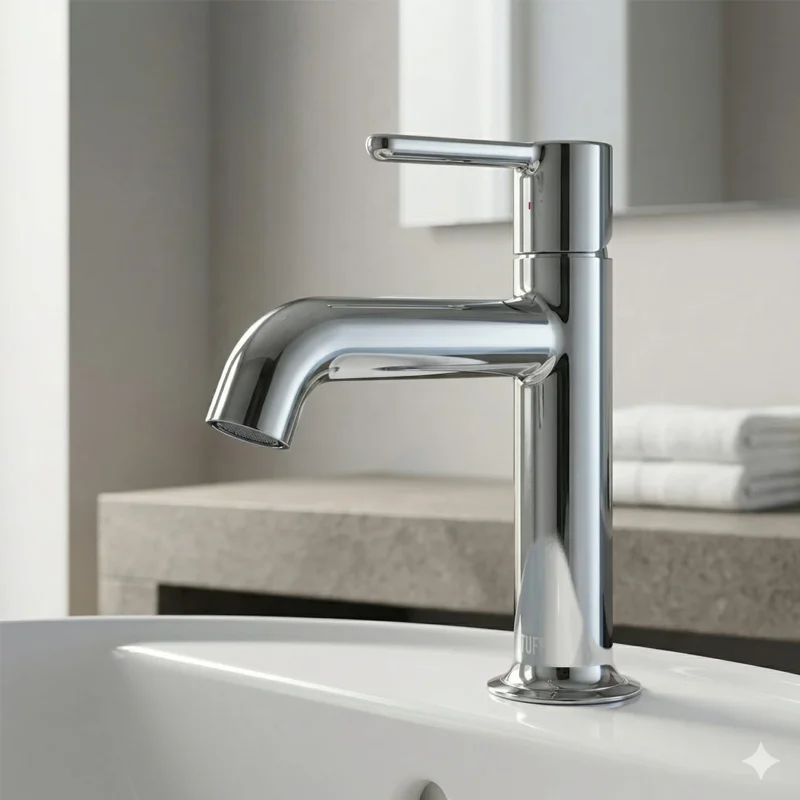
Faucet development requires careful coordination between product structure, water flow performance, materials, manufacturing processes, and surface finishing.
Covers: faucet body design, water channel optimization, internal component integration, cartridge positioning, connection structure — plus manufacturing considerations (brass casting, stainless steel machining, CNC processing, plastic component integration, assembly optimization) and performance validation (pressure, leakage, flow, and valve cycle testing).
Typical applications: basin faucets, bathtub faucets, wall-mounted faucets, shower mixers.
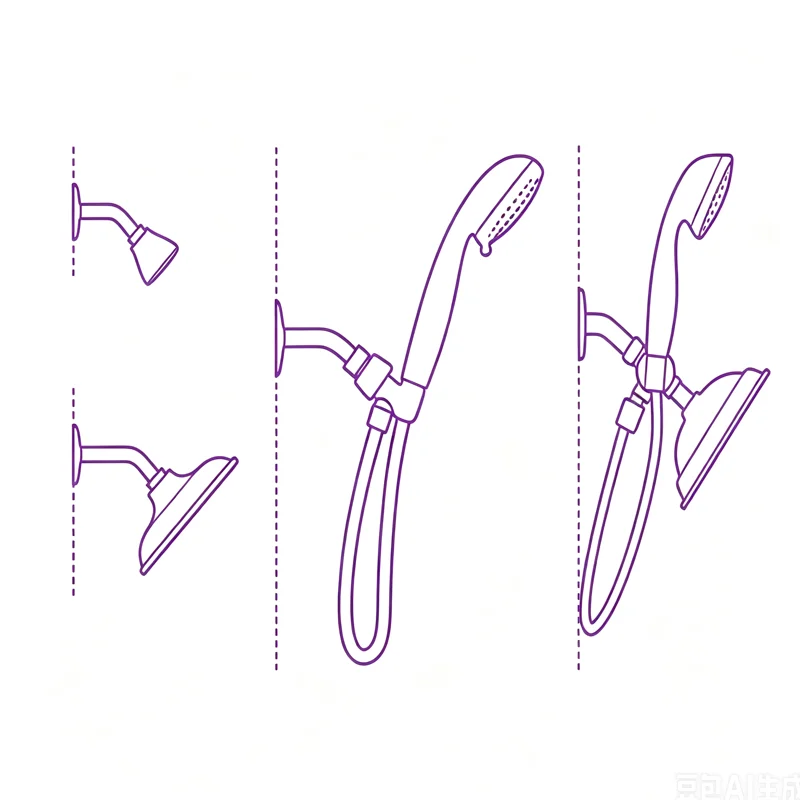
Modern shower products require optimized water performance, structural reliability, and premium appearance.
Covers: water flow design (spray pattern optimization, nozzle structure, flow control, water pressure performance), structural design (housing, internal component layout, leak prevention), material and manufacturing (ABS injection molding, stainless steel forming, surface finishing), and validation testing (flow, pressure, leakage, durability).
Typical applications: rain shower heads, handheld shower heads, shower systems, multi-function showers.
Toilet seat products require careful consideration of structural strength, comfort, durability, and manufacturing feasibility.
Covers: structural design (seat strength, reinforcement ribs, hinge mounting, load distribution), plastic injection design (wall thickness, warpage control, mold design, assembly tolerance), functional integration (soft-close mechanisms, mounting systems, smart toilet functions), and validation testing (load, cycle, impact, installation verification).
Typical applications: standard toilet seats, soft-close toilet seats, heated toilet seats, bidet toilet seats.
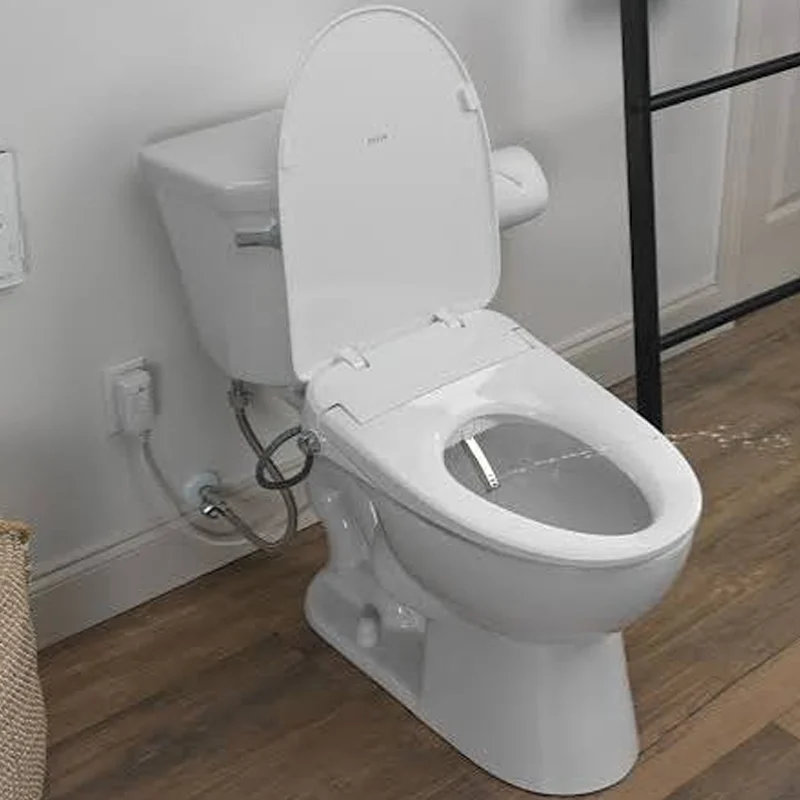
Smart bidet toilet seats combine mechanical, hydraulic, electrical, and plastic engineering.
Covers: water system engineering (channel design, spray nozzle optimization, leakage prevention, pressure control), heating system integration (module design, thermal management, temperature control, safety), waterproof structure design (electrical protection, sealing, component isolation), and manufacturing considerations (plastic housing design, precision assembly, functional testing).
Typical applications: heated bidet seats, smart toilet systems, electronic hygiene products.
A successful bathroom product must be designed not only for appearance but also for stable manufacturing.
Covers: plastic part design (wall thickness, draft angle, rib design, sink mark prevention), assembly design (component tolerance, fastening methods, assembly efficiency), and mold development considerations (gate location, mold structure, cooling optimization).
Benefits:
Product validation ensures bathroom products meet performance expectations before entering mass production.
Covers: functional testing (leakage, pressure, flow), mechanical testing (cycle, load, durability), surface testing (corrosion, adhesion, abrasion), and production validation (prototype approval, pilot production, quality verification).
Successful bathroom products require a structured development process.
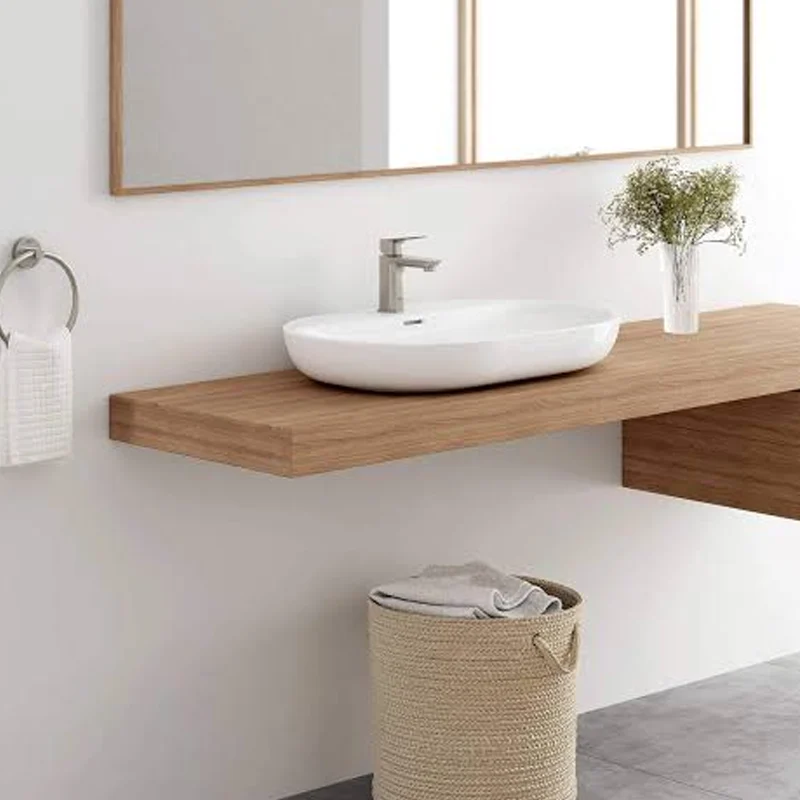
OEM customers often require customized solutions beyond standard products.
Covers: customization areas (product design, materials, colors, surface finishes, packaging) and engineering support (design review, prototype improvement, manufacturing optimization).
Suitable for: bathroom brands, distributors, retail programs, private label projects.
Engineering-driven development helps brands achieve:
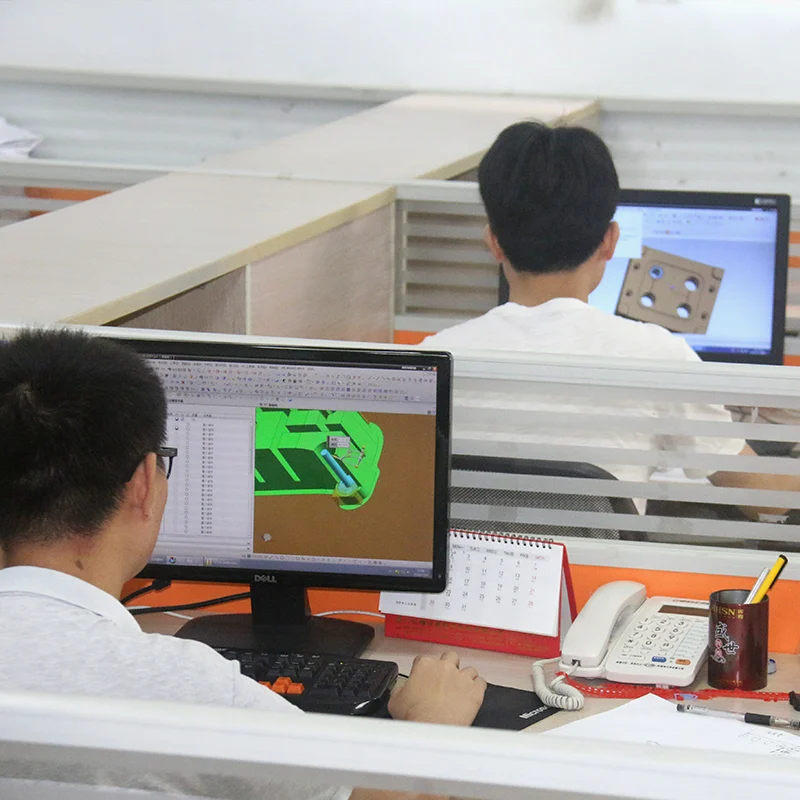
A DFM (Design for Manufacturing) review focuses specifically on tooling and production feasibility — wall thickness, draft angles, mold structure. A full engineering review is broader, also covering material selection, structural performance, and functional validation strategy before prototyping begins.
DFM review should happen before mold development starts, ideally during the prototype design phase — catching issues at this stage is significantly less costly than modifying tooling after a mold has already been cut.
At minimum, functional testing (leakage, pressure, flow), mechanical testing (cycle and load durability), and — depending on the product’s surface finish — corrosion and adhesion testing. See JEKARE’s Bathroom Product Validation Guide for the full requirements by product type.
Yes. JEKARE supports customization across product design, materials, colors, surface finishes, and packaging for brands, distributors, and private label programs — see the Bathroom Product Customization Guide for details.
JEKARE provides complete bathroom product engineering support, including:
Our engineering team works with global bathroom brands to transform product concepts into reliable OEM manufacturing solutions — backed by ISO 9001:2015 certified manufacturing.
Share your product concept, drawings, or existing samples with our engineering team. JEKARE can review your project requirements and provide OEM development recommendations.