Call us: +86-18965139230 | Mail to us: info@jekare.com

Polyoxymethylene (POM), also known as Acetal or Delrin, is a high-performance engineering plastic widely used for precision components requiring low friction, wear resistance, dimensional stability, and consistent mechanical performance. In bathroom product development, POM is commonly selected for internal mechanisms and moving components where reliable operation over thousands of cycles is required.
Typical bathroom applications include faucet cartridge components, valve parts, soft-close mechanisms, precision gears, sliding components, and functional assemblies.
This POM material guide from JEKARE explains material properties, performance advantages, injection molding considerations, and application requirements for OEM bathroom product development.
POM is a semi-crystalline engineering thermoplastic designed for precision mechanical applications. Its unique molecular structure provides excellent low friction performance, wear resistance, dimensional accuracy, and fatigue resistance.
| Factor | POM Performance |
|---|---|
| Wear resistance | Excellent |
| Friction coefficient | Excellent |
| Dimensional stability | Excellent |
| Mechanical strength | Excellent |
| Chemical resistance | Excellent |
| Moisture absorption | Very Low |
| Heat resistance | Good |
| Impact resistance | Medium |
| Injection molding | Excellent |
| Cost level | Medium |
Quick guidance: choose POM when your product requires repeated mechanical movement, low friction operation, precision dimensions, wear resistance, and long service life.
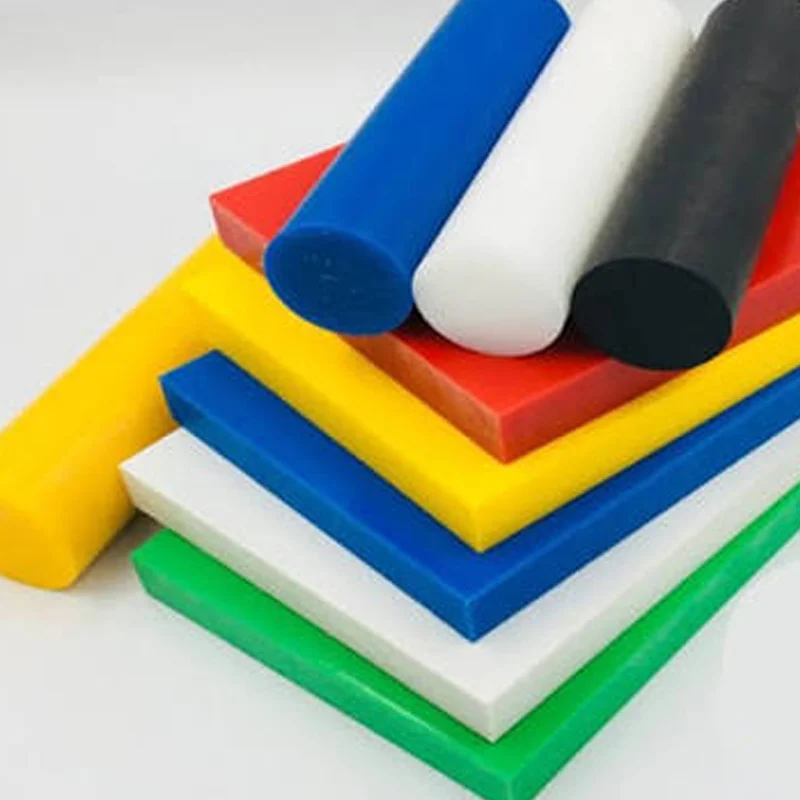
One of POM’s most important advantages is its excellent wear resistance. For bathroom components involving repeated movement, POM provides stable performance over long operating cycles — low wear rate, stable mechanical performance, reduced friction damage, long service life.
Faucet valve components, cartridge mechanisms, sliding parts, rotating components.
Wear performance depends on contact pressure, surface finish, lubrication conditions, and operating cycles. Material selection should be combined with structural design validation.
POM is widely selected for components requiring smooth movement without excessive lubrication.
Cartridge components, valve sliders, and rotating interfaces benefit from smooth handle operation and stable flow control.
Soft-close mechanisms, gear systems, and adjustment components rely on POM’s low-friction characteristics for consistent, quiet operation.
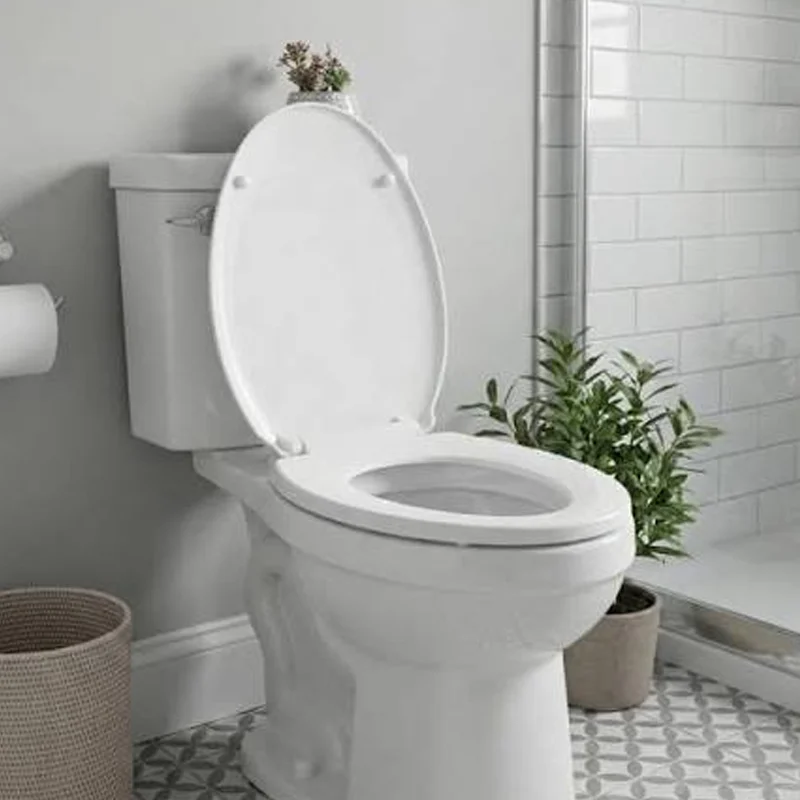
Precision is critical for bathroom components with tight assembly requirements. POM provides excellent dimensional stability due to low moisture absorption, stable mechanical properties, and low deformation characteristics.
Precision valve components, internal faucet parts, mechanical assemblies, small-tolerance components.
Helps reduce assembly variation, leakage risk, functional inconsistency, and long-term tolerance changes.
Bathroom components are exposed to water, cleaning chemicals, humidity, and temperature changes. POM provides excellent resistance against many chemical environments — very low water absorption, good dimensional stability in humid conditions, good resistance to many chemicals.
Water control components, internal mechanisms, precision bathroom parts.
Strong acids and oxidizing chemicals may affect POM performance, so application-specific validation is recommended.
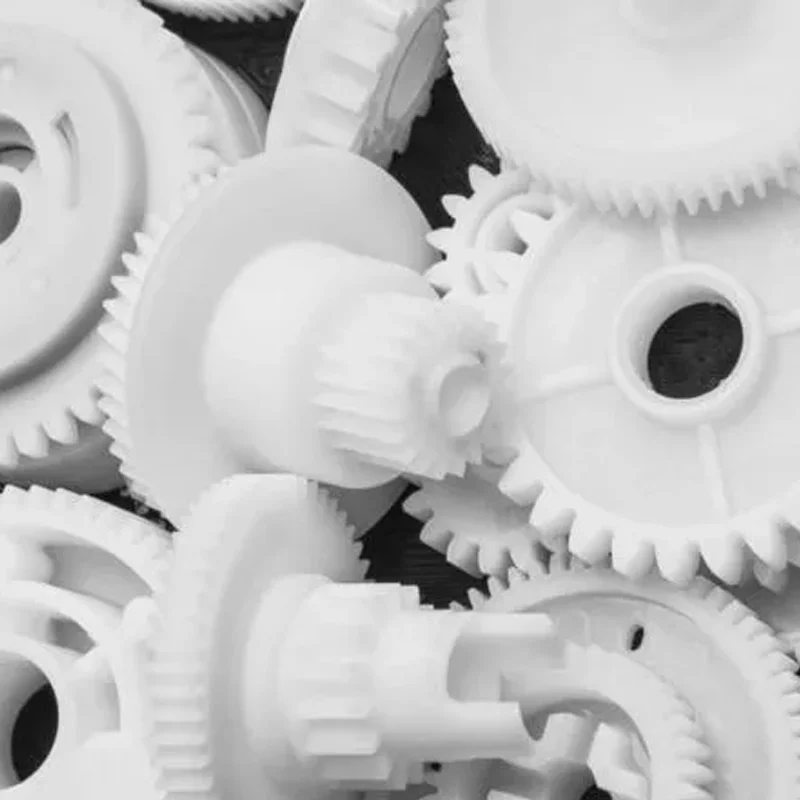
POM provides excellent mechanical properties for continuous operation.
Suitable for load-bearing components and precision structures.
Suitable for repeated movement and long-cycle operation, such as valve opening/closing systems and other moving mechanisms.
POM provides excellent molding performance but requires proper process control: excellent flow characteristics, high dimensional accuracy, stable production performance, good surface quality.
Control moisture exposure, material storage, and processing temperature.
Precision machining, proper venting, cooling balance, shrinkage compensation.
Improper processing may cause material degradation, gas generation, and surface defects.
| Product | POM Application |
|---|---|
| Faucet | Cartridge components, valve parts, moving mechanisms |
| Shower System | Adjustment components, internal mechanisms |
| Toilet Seat | Soft-close mechanism parts, hinges |
| Bathroom Hardware | Sliding and rotating components |
| Smart Bathroom | Precision functional parts |
For the full POM vs PA vs PBT vs PC comparison data, see JEKARE’s Engineering Plastic Guide, which holds the authoritative cross-material table.
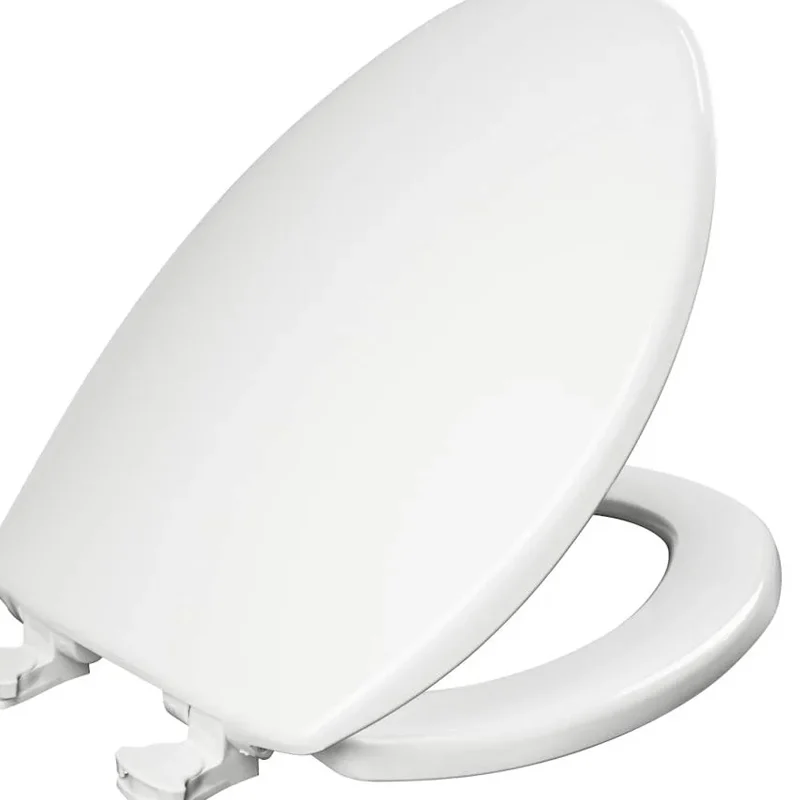
POM provides low friction, wear resistance, and dimensional stability, making it suitable for faucet cartridges and internal valve mechanisms requiring repeated operation. See JEKARE’s Faucet Material Comparison Guide for how POM fits alongside brass, stainless steel, and other faucet materials.
It depends on the application. POM is preferred for precision movement, wear resistance, and low friction. PA is preferred for high strength, impact resistance, and structural applications.
Yes. Certain POM grades are suitable for water-contact applications when compliance and application requirements are properly evaluated.
Yes. POM has excellent molding performance, but proper temperature control and mold design are required to prevent material degradation.
JEKARE supports POM material selection and precision plastic component development, including:
Our engineering team helps global bathroom brands develop reliable precision components using suitable engineering plastics — backed by ISO 9001:2015 certified manufacturing.
Share your product design, operating conditions, and performance requirements with our engineering team.