PBT Material Guide for Bathroom Products: Selecting High-Performance Engineering Plastic for Smart Bathroom Applications
Polybutylene Terephthalate (PBT) is a semi-crystalline high-performance engineering plastic with outstanding heat resistance, dimensional stability, mechanical strength and electrical insulation. Compared with conventional PP and ABS plastic, PBT performs far better under high temperature, long-term humidity and repeated mechanical loads, making it the core material for high-end smart bathroom hardware.
This PBT material guide from
JEKARE, professional
OEM manufacturer, covers PBT material properties, application scenarios, molding specifications and engineering suggestions for global bathroom brand OEM development.
1. PBT Material Properties Overview
PBT balances rigidity, thermal stability and insulation performance, ideal for precision heated and electronic bathroom components.
PBT Full Performance Overview:
| Performance Item |
Grade |
| Mechanical strength |
Excellent |
| Heat resistance |
Excellent |
| Dimensional stability |
Excellent |
| Moisture resistance |
Excellent |
| Chemical resistance |
Excellent |
| Electrical insulation |
Excellent |
| Wear resistance |
Good |
| Surface appearance |
Good |
| Injection molding operability |
Good |
| Cost level |
Medium-High |
Selection Tip: Choose glass-filled or standard PBT if your product needs long-term heat resistance, strict assembly tolerance, electronic insulation and stable performance in damp washroom environments.
2. Heat Resistance & Thermal Performance
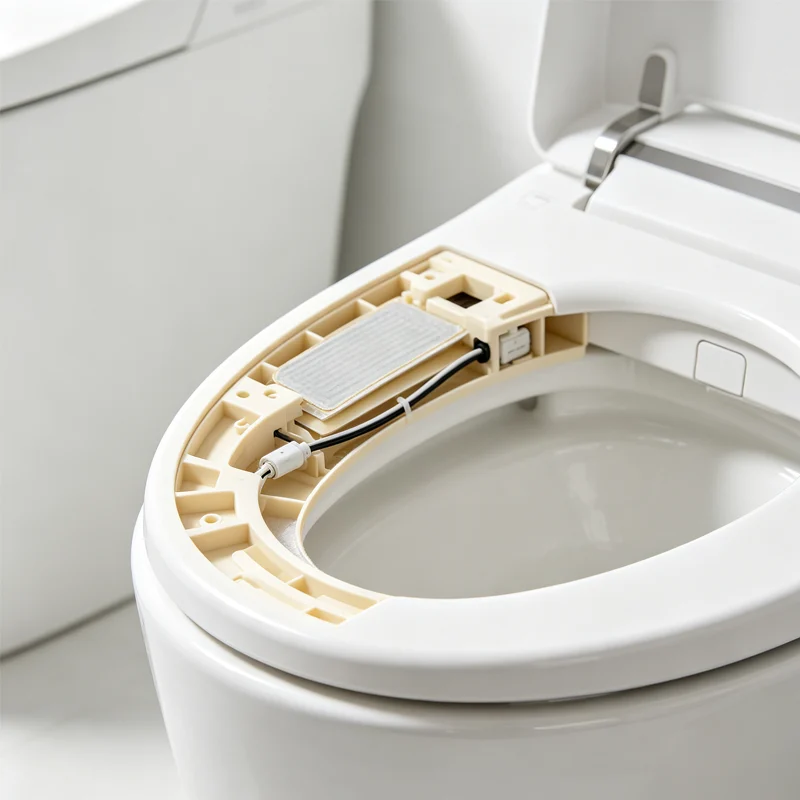
Thermal stability is PBT’s core competitive advantage, perfectly matching heated bidet and smart toilet seat products with built-in heating modules.
- Maintains complete structural integrity and dimensional accuracy under long-term cyclic hot water exposure
- No deformation, warpage or strength loss under continuous high-temperature operation
Suitable products: heated toilet seat brackets, heating module supports, smart toilet internal structural parts, electric control housings
Engineering Notes: Calculate continuous working temperature, thermal expansion coefficient and assembly clearance at the design stage; all thermal aging tests are finished in our in-house quality testing lab.
3. Dimensional Stability & Precision Assembly
Smart toilet seats and multi-component faucet parts require ultra-stable size to avoid assembly gaps and leakage.
- Lower water absorption rate than Nylon PA, no size expansion in humid air
- Higher rigidity than PP, stable tolerance after long-term use
Recommended use: precision internal mechanisms, electronic sensor brackets, multi-part combined structural frames
4. Mechanical Strength & Long-Term Durability
PBT combines stiffness and fatigue resistance for daily repeated opening and closing of toilet seats and valve structures.
- High tensile & bending strength for load-bearing parts
- Resists fatigue damage after thousands of opening/closing cycles
Application range: toilet seat hinge supports, internal water valve structural frames, shower core functional parts
5. Chemical & Moisture Resistance
Bathroom products face constant steam, tap water and all kinds of household cleaning agents; PBT avoids corrosion and stress cracking.
- Low water absorption, excellent hydrolysis resistance in long-term humid conditions
- Stable against neutral detergents, shower cleaners and mild disinfectants
Best for: hidden internal functional components of bidet seats and shower systems
6. Electrical Insulation for Smart Bathroom Electronics
As smart toilets and electronic faucets gain popularity, insulation becomes mandatory safety standard.
- Stable insulation performance under temperature cycling
- No conductive risk after long-term damp exposure
Typical applications: wiring brackets, sensor housings, heating element fixed supports, circuit module casings
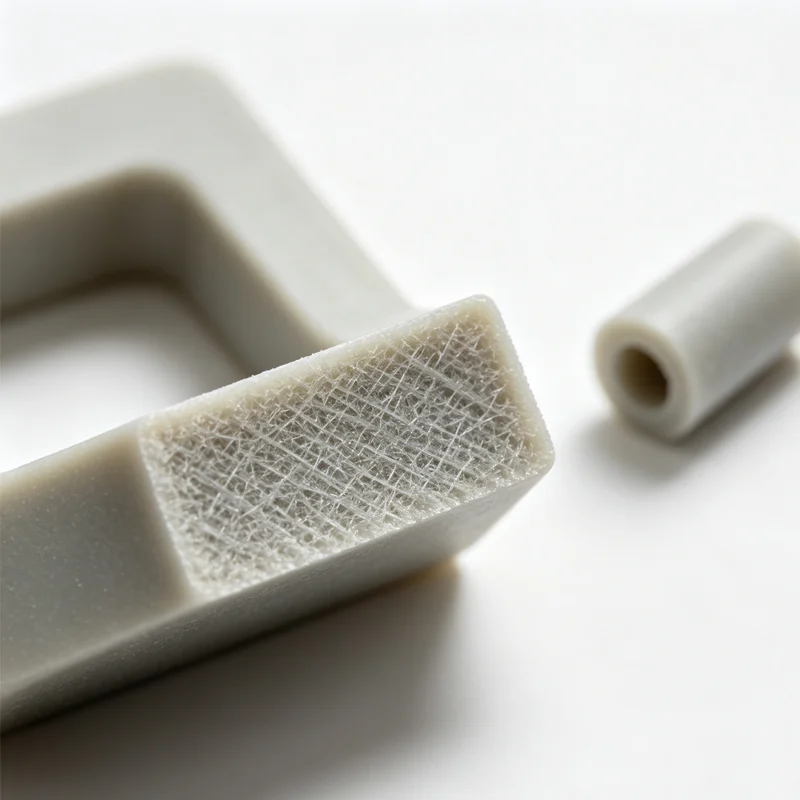
7. Glass Fiber Reinforced PBT Grades
For heavy-load and ultra-precision smart bathroom components, glass fiber modified PBT greatly upgrades overall performance.
- PBT GF20%: Higher rigidity, tighter dimensional tolerance, general structural support parts
- PBT GF30%: Maximum stiffness & heat resistance, heavy load smart toilet core components, electrical structural brackets
8. PBT Injection Molding Considerations
- Raw material drying: PBT absorbs moisture easily; incomplete drying causes silver lines, brittle parts and unstable strength
- Mold design: Optimize gate layout, full venting, balanced cooling system to reduce shrinkage difference
- Parameter control: Strictly set melt temperature, mold temperature, injection speed and holding pressure
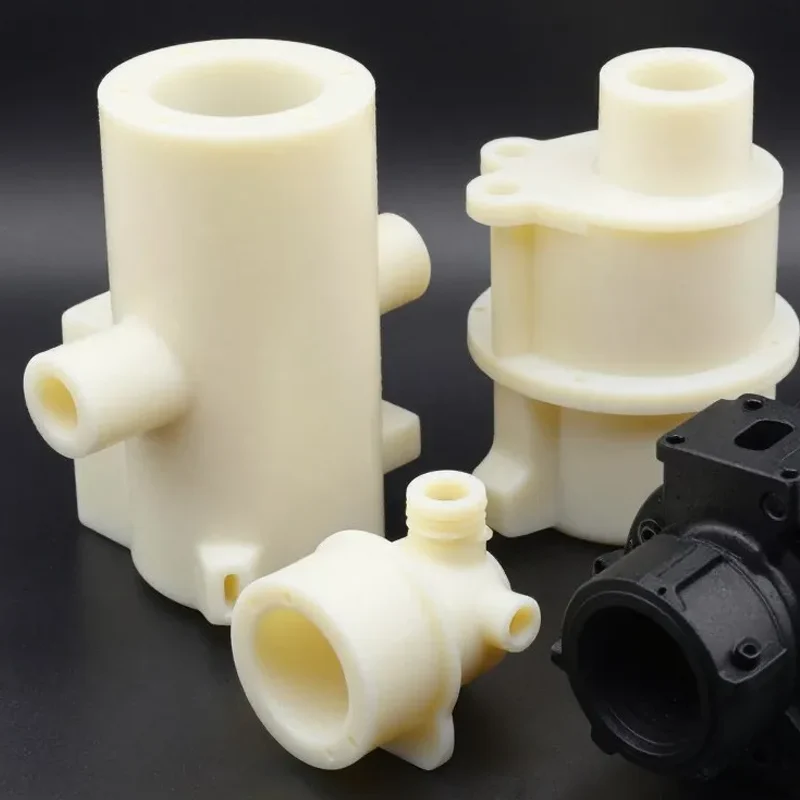
9. Typical PBT Applications in Bathroom OEM Products
- Heated Toilet Seat: Heating support frames, internal fixed structural parts
- Bidet Smart Toilet Seat: Electronic housing, precision internal mechanism components
- Smart Bathroom Systems: Sensor & circuit component bracketsFaucet
- Hardware: Internal precision valve functional parts
- Shower Systems: High-performance internal water control components
10. PBT vs ABS vs PP vs PC Performance Comparison
- PBT: Excellent heat resistance, excellent dimensional stability, good impact resistance, excellent moisture resistance, excellent electrical performance, average surface finish, medium-high cost, for smart heated functional parts
- ABS: Medium heat resistance, good dimensional stability, good impact resistance, good moisture resistance, medium electrical performance, premium surface finish, medium cost, for decorative appearance parts
-
PP: Good heat resistance, medium dimensional stability, good impact resistance, excellent moisture resistance, medium electrical performance, ordinary surface finish, low cost, for mass standard low-cost products
-
PC: Excellent heat resistance, good dimensional stability, outstanding impact resistance, good moisture resistance, good electrical performance, high transparency/gloss, medium-high cost, for transparent anti-impact protective covers
Frequently Asked Questions About PBT Materials
Why is PBT widely used for heated smart toilet seats?
PBT has comprehensive advantages of high heat resistance, stable size, reliable electrical insulation and anti-aging performance, which cannot be replaced by ABS and PP for heating zone components.
Is PBT better than ABS for bathroom products?
No absolute winner. ABS is suitable for surface decorative parts that need chrome plating and colorful coating; PBT targets internal heat-resistant, electronic and precision functional components of smart bathroom equipment.
What’s the difference between PBT and Nylon PA?
PA has higher toughness but absorbs lots of water leading to size swelling; PBT features ultra-low water absorption and stable dimensions for long-term bathroom use. View full engineering plastic comparison in our material hub page.
Can PBT be mass injection molded?
Yes, with proper raw material drying and standardized molding parameters. JEKARE’s workshop supports mass PBT production for global OEM orders.
JEKARE PBT Material Engineering Support
JEKARE provides full one-stop OEM service for PBT plastic bathroom components:
- Standard & glass fiber reinforced PBT material grade screening
- Product structural optimization & DFM design review
- Custom precision mold development
- Stable PBT injection mass production
- Full dimensional & thermal performance validation
- Complete smart toilet & shower component customized development
Our technical team assists global mid-to-high-end bathroom brands from material selection to finished mass production, supported by ISO 9001:2015 certified factory.
Need Help Selecting Suitable PBT Grade?
Share your product drawings, heating requirements and target market standards with our engineers.
Request a Material Evaluation →
Related Resources
- Material Guides
- Plastic Toilet Seat Material Selection Guide
- PC Material Guide for Bathroom Products
- ABS vs Stainless Steel Shower Head Guide
- Silicone Valve Material Selection Guide
- Chrome Plating Guide for Bathroom Hardware
- PVD Coating vs Electroplating Comparison