Call us: +86-18965139230 | Mail to us: info@jekare.com

Polyamide (PA), commonly known as Nylon, is a high-performance engineering plastic widely used in applications requiring high mechanical strength, toughness, wear resistance, and heat performance. Compared with standard plastics such as ABS and PP, PA provides significantly higher structural performance, making it suitable for demanding bathroom components where strength and durability are critical.
In bathroom product development, PA Nylon is commonly used for structural support components, reinforced plastic parts, mechanical assemblies, high-temperature components, and precision functional parts.
This PA Nylon material guide from JEKARE explains PA material properties, performance advantages, glass fiber reinforcement options, injection molding considerations, and applications in OEM bathroom product development.
PA Nylon is a family of engineering plastics including PA6, PA66, PA12, and reinforced PA grades. Among them, PA6 and PA66 are the most commonly used engineering plastics for structural applications.
| Factor | PA Nylon Performance |
|---|---|
| Mechanical strength | Excellent |
| Impact resistance | Excellent |
| Heat resistance | Excellent |
| Wear resistance | Good |
| Dimensional stability | Medium |
| Moisture resistance | Medium |
| Chemical resistance | Good |
| Fatigue resistance | Excellent |
| Injection molding | Good |
| Cost level | Medium |
Quick guidance: choose PA Nylon when your product requires high mechanical strength, load-bearing capability, heat resistance, impact resistance, and long-term structural durability.
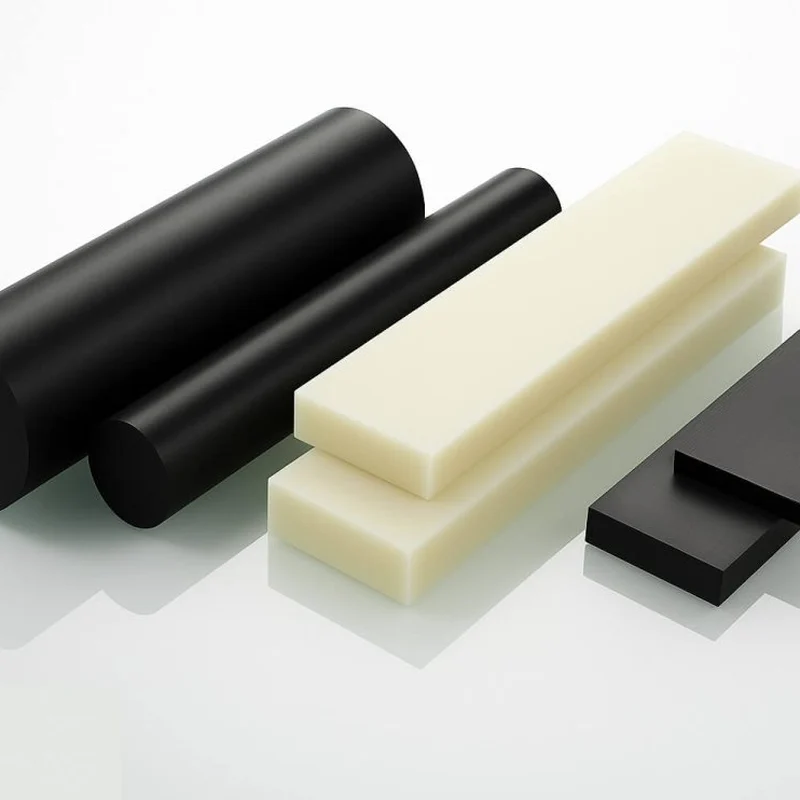
One of PA Nylon’s biggest advantages is its excellent mechanical performance — compared with general-purpose plastics, PA provides higher strength and toughness for demanding applications.
Strong structural performance, high load capability, excellent resistance to mechanical stress. Suitable for structural brackets, support components, mechanical parts.
PA absorbs impact energy effectively, reducing cracking risk and delivering reliable performance under mechanical stress. Suitable for moving components, functional assemblies, high-load parts.
PA performs well under repeated stress cycles, making it suitable for hinges, mechanical joints, and repeated movement components.
PA Nylon provides excellent thermal performance compared with standard plastics.
| Material | Characteristics |
|---|---|
| PA6 | Good toughness and processing performance |
| PA66 | Higher strength and temperature resistance |
Suitable applications: heated bathroom components, mechanical parts near heat sources, structural supports.
Engineering considerations: temperature performance depends on material grade, moisture content, reinforcement level, and operating environment.
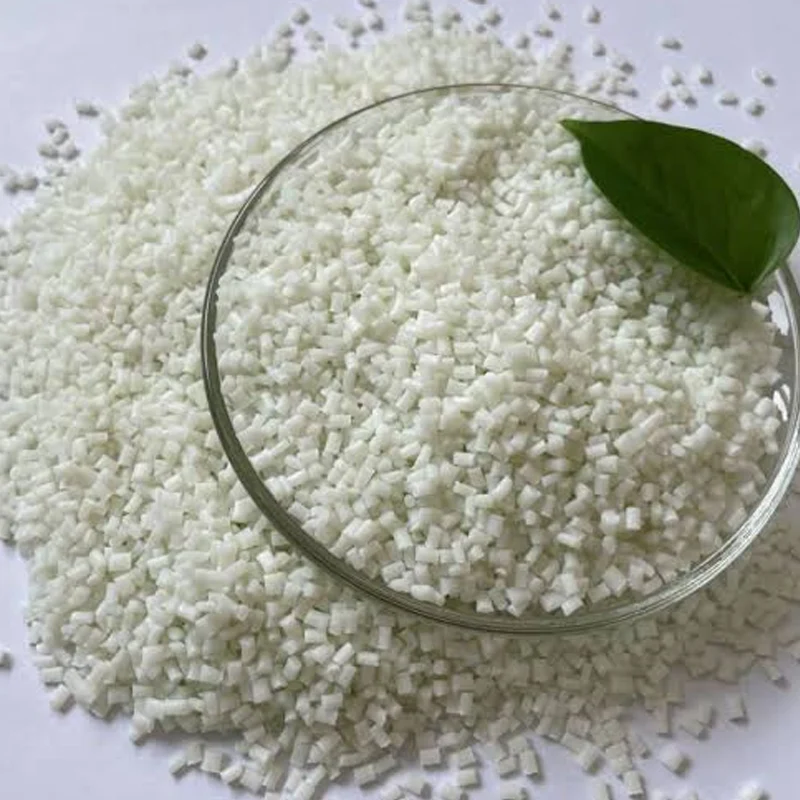
One important characteristic of PA Nylon is moisture absorption. Unlike POM, PBT, and PC, PA absorbs more moisture from the environment, which can cause dimensional changes, stiffness variation, and tolerance changes.
PA remains preferred when mechanical strength is more important than dimensional stability, when high toughness is required, or when impact resistance is critical — moisture sensitivity is a manageable design factor, not a disqualifying one.
For higher-performance applications, glass fiber reinforcement significantly improves PA performance.
| Grade | Advantages | Applications |
|---|---|---|
| PA GF30 (30% glass fiber) | Increased stiffness, higher tensile strength, improved dimensional stability, better heat resistance | Structural brackets, mechanical supports, high-load components, precision assemblies |
| PA GF15 / GF20 | Improved rigidity, better dimensional control, lower cost than GF30 | Medium-strength structural parts, functional components |
PA provides good wear resistance, especially when reinforced or modified — suitable for sliding components, mechanical interfaces, and moving structures.
| Factor | PA | POM |
|---|---|---|
| Strength | Higher | Excellent |
| Wear resistance | Good | Excellent |
| Impact resistance | Excellent | Medium |
| Moisture stability | Medium | Excellent |
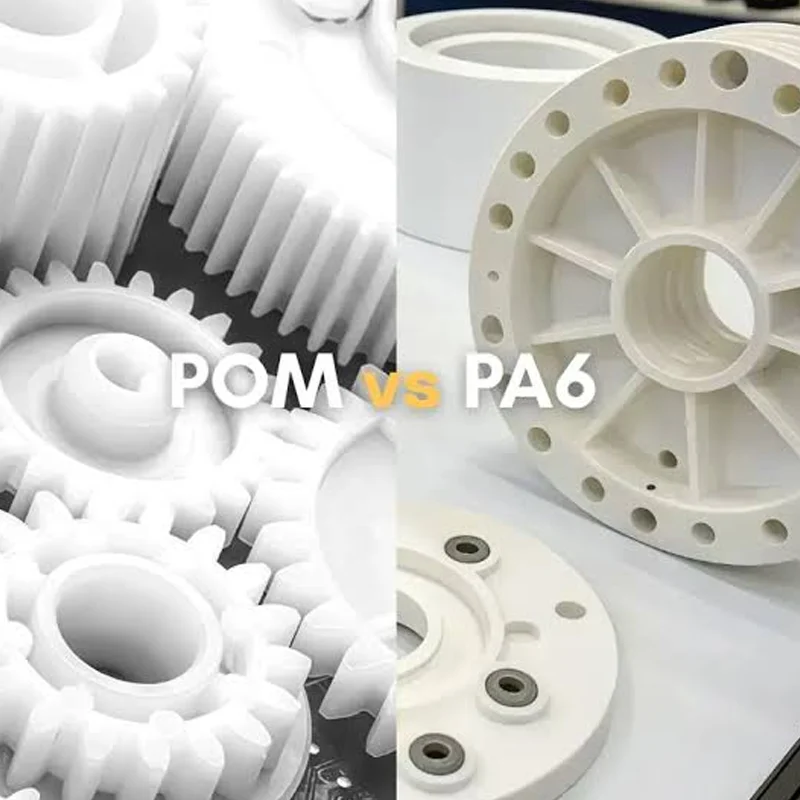
Selection guidance: choose PA when strength and toughness are priorities; choose POM when low friction and precision movement are priorities. See JEKARE’s POM Material Guide for the full acetal material deep dive.
Bathroom products are exposed to water, cleaning agents, humidity, and chemicals. PA provides good resistance against many common environments — suitable for moist environments, mechanical components, and structural parts.
Engineering consideration: material compatibility should be verified when exposed to strong acids, strong bases, or long-term chemical exposure.
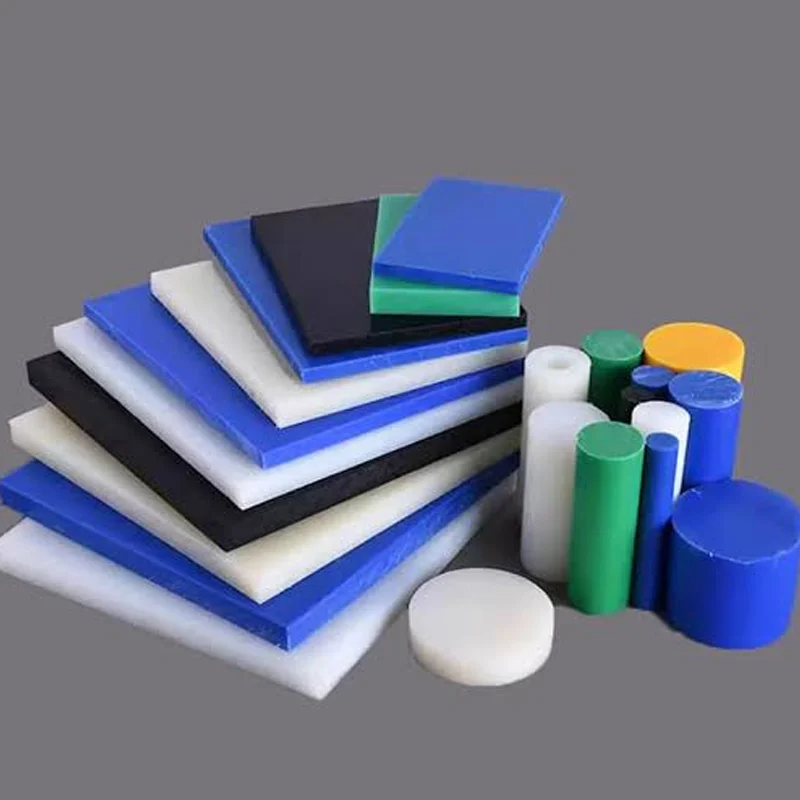
PA can be successfully injection molded but requires careful process management.
PA is moisture-sensitive — proper drying is required before molding, and moisture level must be controlled. Poor drying may cause surface defects, reduced strength, and processing instability.
Shrinkage compensation, gate design, cooling balance, fiber orientation control.
For reinforced PA, fiber direction affects strength, warpage, and dimensional performance — DFM review is essential.
| Product | PA Application |
|---|---|
| Faucet | Internal structural components, mechanical parts |
| Shower System | Reinforced functional components |
| Toilet Seat | Hinge structures, support components |
| Smart Bathroom | Heat-resistant structural parts |
| Bathroom Hardware | High-strength brackets and mechanisms |
For the full PA vs POM vs PBT vs PC comparison data, see JEKARE’s Engineering Plastic Guide, which holds the authoritative cross-material table (the PA-vs-POM table in section 6 above stands on its own as a focused, distinct comparison).
Yes. PA Nylon generally provides much higher mechanical strength, heat resistance, and impact performance. ABS is usually selected for appearance and cost efficiency instead.
PA66 generally provides higher strength and higher temperature resistance. PA6 generally provides better toughness and easier processing. The right choice depends on the specific application requirements.
Glass fiber reinforcement improves rigidity, strength, heat resistance, and dimensional stability. Common grades include PA GF20 and PA GF30.
Yes, but moisture absorption must be considered during design. Proper material selection and tolerance control are important for reliable long-term performance.
JEKARE supports PA Nylon material selection and advanced plastic component development, including:
Our engineering team helps global bathroom brands select suitable engineering plastics for durable and scalable OEM production — backed by ISO 9001:2015 certified manufacturing.
Share your product design, load requirements, and operating environment with our engineering team.