Modern faucet development requires more than creating an attractive appearance. A successful faucet product must integrate water flow performance, structural design, material selection, manufacturing process, surface finishing, and durability validation.
Poor engineering decisions during early development may result in water leakage, poor flow performance, corrosion problems, surface defects, assembly difficulties, and high production costs.
This Faucet Design Guide from JEKARE explains the key engineering considerations for developing reliable faucets — from product concept and structural design to tooling, manufacturing, and mass production.
1. Faucet Structure Design Fundamentals
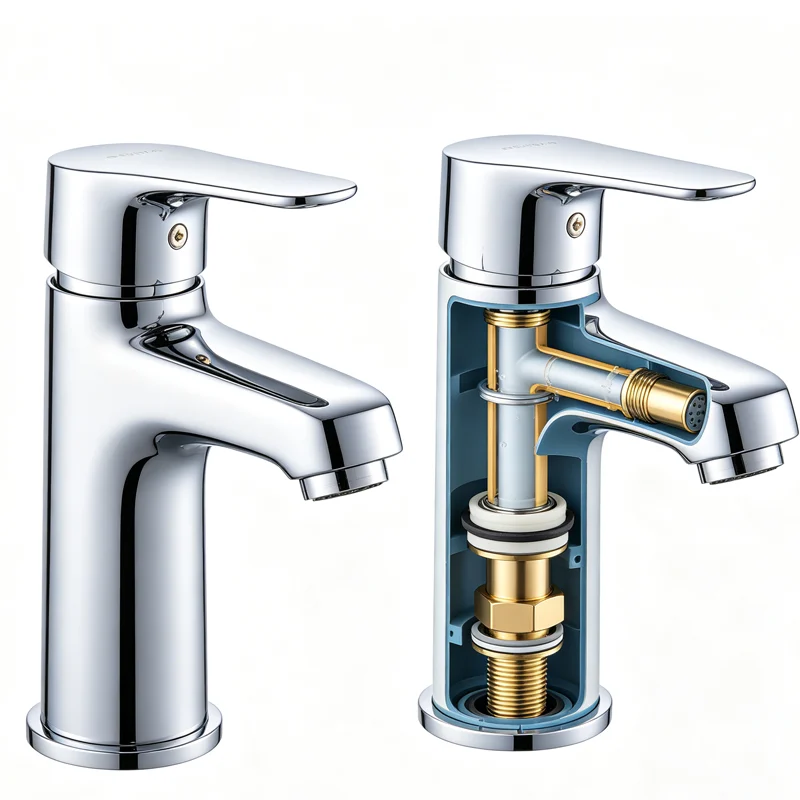
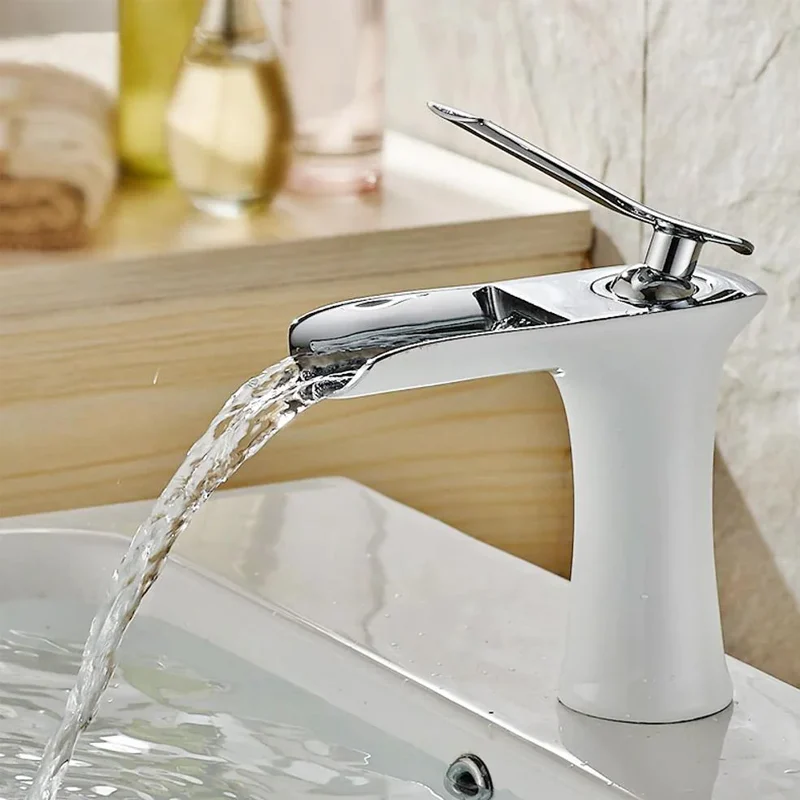
A faucet is a precision water-control product combining mechanical structure, hydraulic performance, and surface aesthetics.
Faucet Body Design
The faucet body provides:
- Main structural support
- Water channel integration
- Connection interfaces
Common materials:
- Brass
- Stainless steel
- Engineering plastics
Cartridge System Design
The cartridge controls:
- Water flow
- Temperature adjustment
- User operation
Engineering requirements:
- Precise fitting
- Wear resistance
- Long cycle durability
Handle System Design
The handle system is the user interface and mechanical control component.
Design considerations:
- Ergonomics
- Strength
- Assembly tolerance
Aerator System Design
The aerator system provides:
- Water flow optimization
- Splash reduction
- Improved user comfort
2. Faucet Water Flow Engineering
Water performance is one of the most important factors in faucet development.
A well-designed faucet must achieve:
- Stable water flow
- Low noise operation
- Comfortable user experience
- Reliable sealing performance
Flow Path Optimization
Flow path design should avoid:
- Sharp flow direction changes
- Excessive restrictions
- Uneven pressure distribution
Benefits:
- Improved flow efficiency
- Reduced turbulence
- Better user experience
Water Pressure Considerations
Important design factors include:
- Channel diameter
- Internal cavity structure
- Valve performance
- Aerator selection
Leakage Prevention Design
Critical sealing areas include:
- Cartridge sealing
- Thread connections
- O-ring interfaces
- Internal water passages
3. Cartridge Integration & Valve Design
The cartridge is one of the most important functional components of a faucet.
Cartridge Design Requirements
Key requirements:
- Accurate dimensions
- Smooth operation
- Wear resistance
- Long service life
Mechanical Interface Design
Important considerations:
- Cartridge positioning
- Handle connection
- Rotation angle
Cartridge Cycle Durability Validation
Validation may include:
- Opening and closing cycles
- Temperature adjustment cycles
- Pressure testing
Cartridge and valve slider components are commonly made from POM (Acetal) for its low friction and wear resistance — see JEKARE’s POM Material Guide for the full engineering detail behind this application.
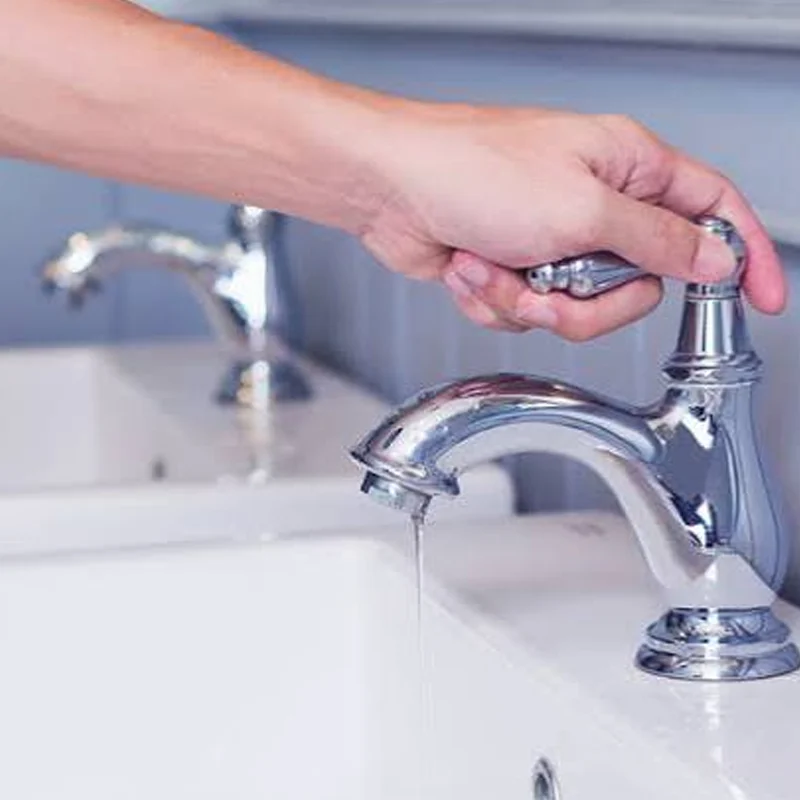
Common Faucet Applications
Applications include:
- Basin faucets
- Bathtub faucets
- Shower mixers
- Kitchen faucets
4. Faucet Material Selection
Material selection affects:
- Durability
- Appearance
- Manufacturing cost
- Market positioning
Brass Faucet Materials
| Material |
Advantages |
Applications |
Engineering Considerations |
| Brass |
Excellent machinability, good corrosion resistance, suitable for complex structures |
Basin faucets, bathtub faucets, shower mixers |
Material composition, casting quality, internal surface treatment |
Stainless Steel Faucet Materials
| Material |
Advantages |
Applications |
Engineering Considerations |
| Stainless Steel |
Excellent corrosion resistance, modern appearance, lead-free positioning options |
Premium bathroom collections, commercial projects |
Forming process, welding quality, surface polishing |
Plastic Components in Faucet Development
Common materials:
Applications:
- Handles
- Covers
- Internal functional parts
Material selection depends on:
- Appearance requirements
- Precision requirements
- Heat resistance requirements
For the full material comparison, see JEKARE’s Brass vs Stainless Steel Faucet Material Guide and Faucet Material Comparison Guide.
5. Faucet Manufacturing Process
Different faucet designs require different manufacturing approaches.
Brass Faucet Manufacturing Process
Main manufacturing steps:
Creates:
- Main faucet body
- Complex internal channels
2. Machining
Processes include:
3. Polishing
Purpose:
- Improve surface quality
- Improve appearance consistency
4. Plating & Coating
Common finishes:
- Chrome plating
- PVD coating
Main processes include:
- Precision casting
- CNC machining
- Welding
- Polishing
- Surface treatment
6. Faucet DFM Design Considerations
Design for Manufacturing (DFM) is essential before tooling and production.
Structural DFM
Considerations:
- Wall thickness
- Internal cavity design
- Assembly structure
Machining DFM
Important factors:
- CNC accessibility
- Tolerance requirements
- Tooling cost
Assembly DFM
Considerations:
- Component quantity
- Assembly sequence
- Service requirements
Surface finish strongly influences product perception.
Chrome Plating
Advantages:
- Classic bathroom appearance
- High brightness
- Mature process
Applications:
- Standard faucets
- Mid-range faucets
PVD Coating
Advantages:
- Premium colors
- Better wear resistance
- Modern design options
Applications:
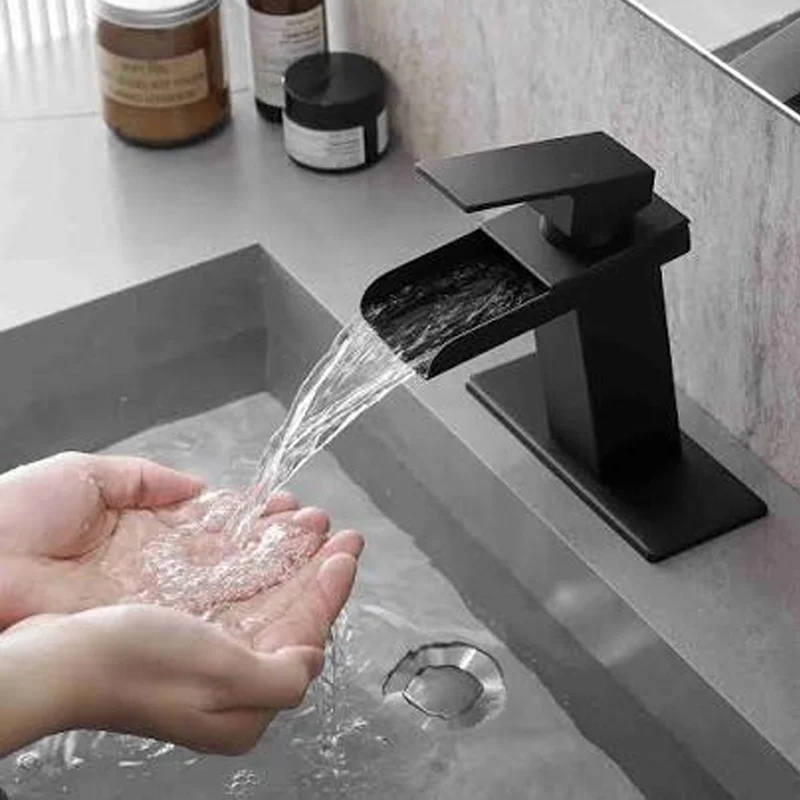
- Matte black
- Brushed gold
- Gunmetal finishes
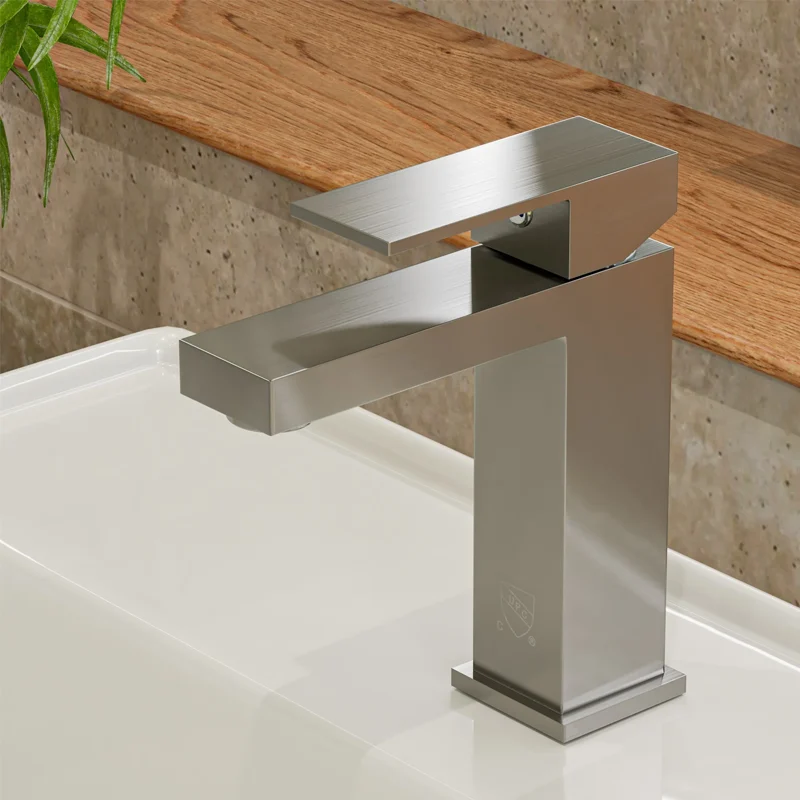
Brushed Finish
Advantages:
- Modern texture
- Fingerprint resistance
Applications:
- Stainless steel faucets
- Modern bathroom collections
Surface Quality Requirements
Key evaluation factors:
- Color consistency
- Adhesion
- Scratch resistance
- Corrosion resistance
For full engineering detail, see JEKARE’s Chrome Plating Guide, PVD Coating Guide, and Brushed Finish Guide.
8. Faucet Assembly Design
Reliable faucet production requires controlled assembly processes.
Sealing Component Design
Important components:
- O-rings
- Gaskets
- Thread sealing structures
Component Alignment Control
Important for:
- Handle operation
- Cartridge positioning
- Water flow control
Production Efficiency Design
Assembly design should support:
- Easy assembly
- Inspection efficiency
- Maintenance requirements
9. Faucet Testing & Validation
Faucets require comprehensive performance validation before mass production.
Hydraulic Testing
Includes:
- Pressure testing
- Leakage testing
- Flow testing
Durability Testing
Includes:
- Cartridge cycle testing
- Handle operation testing
- Long-term usage simulation
Surface Testing
Includes:
- Salt spray testing
- Coating adhesion testing
- Scratch resistance testing
Dimensional Validation
Includes:
- Critical dimension inspection
- Assembly verification
10. Faucet Quality Control System
Reliable faucet manufacturing requires systematic quality management.
Incoming Material Control
Includes:
- Metal material verification
- Component inspection
Process Control
Includes:
- Machining inspection
- Surface process monitoring
- Assembly control
Final Inspection
Includes:
- Leakage testing
- Appearance inspection
- Functional testing
FAQs
What are the most important factors in faucet design?
The key factors include:
- Water flow performance
- Material selection
- Valve reliability
- Surface finish
- Manufacturing feasibility
Should I choose brass or stainless steel for faucet development?
It depends on product positioning.
Brass suits:
- Traditional faucet designs
- Complex machining structures
- Cost-effective premium products
Stainless steel suits:
- High corrosion resistance requirements
- Modern premium collections
- Lead-free requirements
See JEKARE’s Brass vs Stainless Steel Faucet Material Guide for the full comparison.
Why is DFM important for faucet development?
Early DFM review helps identify:
- Manufacturing risks
- Cost optimization opportunities
- Assembly problems
before tooling and mass production begin.
How long should a faucet be tested?
Testing requirements depend on product category, but typically include:
- Pressure testing
- Leakage testing
- Cartridge cycle testing
- Surface durability testing
See JEKARE’s Bathroom Product Validation Guide for detailed requirements.
JEKARE Faucet Engineering Support
JEKARE provides complete faucet OEM development solutions, including:
Faucet OEM Engineering Services
- Product design review
- Structural optimization
- Material selection
- Brass and stainless steel manufacturing
- Plastic component development
- Surface finishing
- Assembly
- Performance testing
Our engineering team helps global bathroom brands develop reliable faucets from concept design to scalable production — backed by ISO 9001:2015 certified manufacturing, following the standard development process outlined in JEKARE’s Bathroom Product Development Process Guide.
Need Engineering Support for Your Faucet Project?
Share your faucet drawings, 3D files, samples, or product requirements with our engineering team.