Call us: +86-18965139230 | Mail to us: info@jekare.com

Material selection is one of the most important decisions in faucet development. The chosen material directly affects product durability, corrosion resistance, manufacturing process, surface finish, cost structure, and long-term user performance.
Brass and stainless steel are the two most widely used materials for modern bathroom faucets, and each offers distinct advantages depending on product positioning, target market, and manufacturing strategy. This brass vs stainless steel faucet material guide from JEKARE helps bathroom brands and product teams understand the differences and select the right solution for customized OEM faucet development.
Brass has been used in faucet manufacturing for decades thanks to its excellent machinability, strength, and compatibility with a wide range of finishing technologies.
Brass provides excellent machining characteristics, making it ideal for complex faucet structures — faucet bodies, valve housings, water passages, internal components, and precision connections.
Benefits:
✓ accurate machining
✓ stable production process
✓ complex structural capability
Brass is highly compatible with premium finishing technologies, including chrome plating, PVD coating, brushed finishing, polished finishing, and matte finishing.
Benefits:
✓ premium appearance
✓ strong brand customization capability
✓ consistent surface quality
Brass delivers good pressure resistance, a stable structure, long service life, and excellent sealing support — well suited to basin faucets, bathtub faucets, shower valves, and wall-mounted faucets.
Brass manufacturing processes are mature and widely adopted worldwide, covering gravity casting, forging, CNC machining, polishing, surface treatment, and assembly.
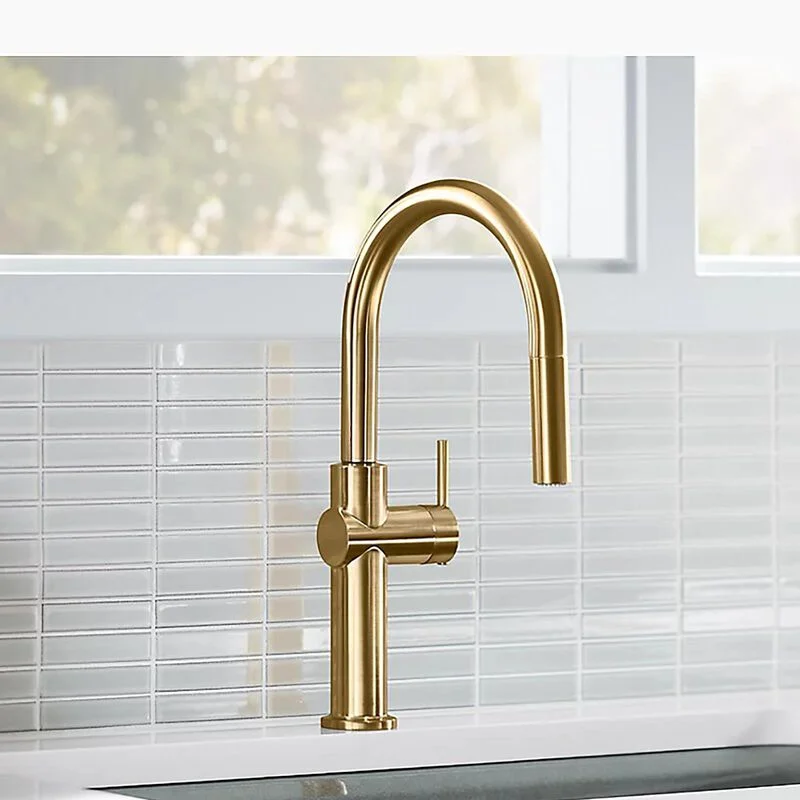
Stainless steel faucets are increasingly popular for their excellent corrosion resistance, clean appearance, and suitability for modern bathroom applications.
Stainless steel resists moisture exposure, bathroom chemicals, humid environments, and long-term water contact — especially valuable for coastal areas, hospitality projects, and premium bathroom applications.
The smooth stainless steel surface is easy to clean, offers good hygiene characteristics, and delivers a modern appearance — well suited to contemporary and minimalist bathroom designs.
Stainless steel supports brushed stainless steel, polished stainless steel, PVD colors, and matte finishes.
Benefits:
✓ modern aesthetic
✓ premium product positioning
✓ long-lasting appearance
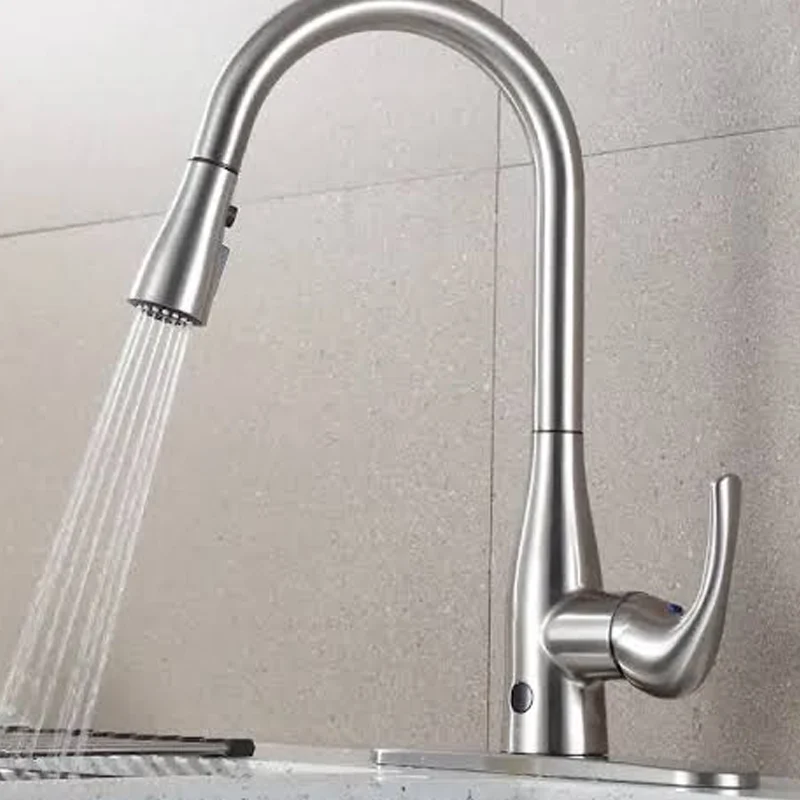
Compared with many traditional materials, stainless steel offers high mechanical strength, excellent structural stability, and good impact resistance.
| Grade | Corrosion Resistance | Best For |
|---|---|---|
| Stainless Steel 304 | Good corrosion resistance, excellent processing performance, cost-effective | Bathroom faucets, shower components, standard premium products |
| Stainless Steel 316 | Higher corrosion resistance, better chemical resistance, improved performance in harsh environments | Luxury bathroom products, coastal projects, high-end applications |
| Performance Factor | Brass Faucet | Stainless Steel Faucet |
|---|---|---|
| Structural Strength | Excellent | Excellent |
| Corrosion Resistance | Very Good | Excellent |
| Machining Capability | Excellent | Good |
| Surface Finishing | Excellent | Excellent |
| Premium Appearance | Excellent | Excellent |
| Weight | Heavier | Medium |
| Manufacturing Cost | Medium-High | Medium-High |
| Design Flexibility | Excellent | Good |
| Long-Term Durability | Excellent | Excellent |
| Market Position | Traditional Premium | Modern Premium |
✓ Complex faucet structures are required
✓ Premium traditional designs are preferred
✓ Multiple finishing options are needed
✓ CNC machining flexibility is important
✓ Established bathroom markets are targeted
Basin faucets, bathtub faucets, shower mixers, concealed valves.
✓ Maximum corrosion resistance is required
✓ Modern minimalist design is preferred
✓ Hospitality applications are targeted
✓ Premium metal appearance is important
✓ Long-term durability is a priority
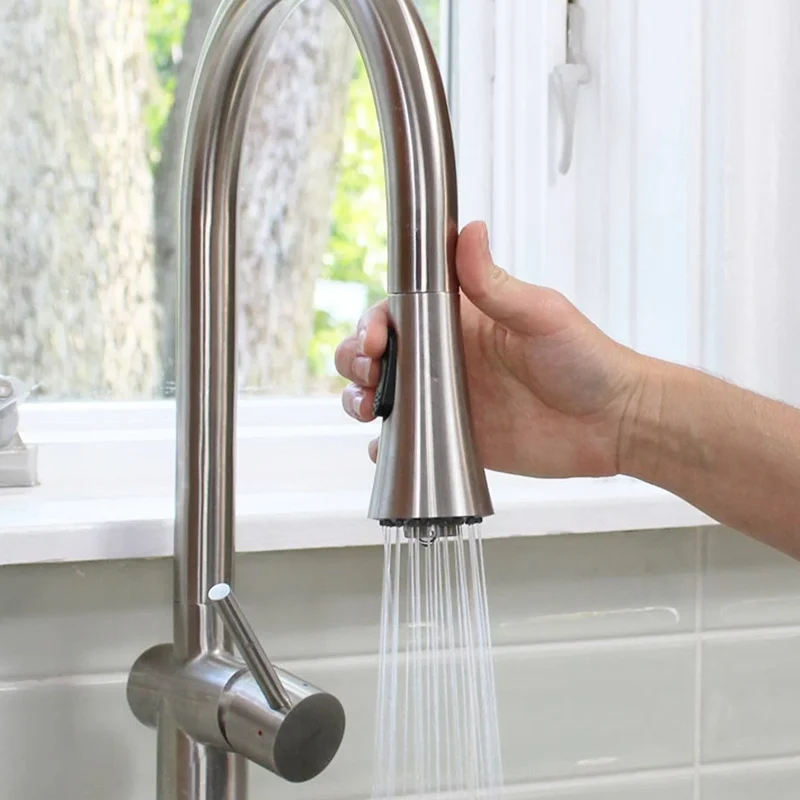
Modern basin faucets, shower systems, luxury bathroom collections.
For global bathroom markets, material compliance is increasingly important.
JEKARE supports material documentation and engineering evaluation for international OEM projects, helping brands meet regional compliance requirements before mass production.
| Material | Chrome Plating | PVD Coating | Brushed Finish |
|---|---|---|---|
| Brass | Excellent | Excellent | Excellent |
| Stainless Steel | Excellent | Excellent | Excellent |
Both materials support premium finishing solutions when proper surface preparation and process control are applied.
Material selection should always be combined with performance validation before mass production.
Pressure testing, leakage testing, water flow testing, valve durability testing.
Salt spray corrosion testing, adhesion testing, abrasion resistance testing, chemical resistance testing.
Material composition verification, supplier documentation, batch traceability.
The correct material choice helps brands achieve:
✓ Reliable product performance
✓ Premium product positioning
✓ Stable mass production
✓ Reduced warranty risks
✓ Consistent global quality
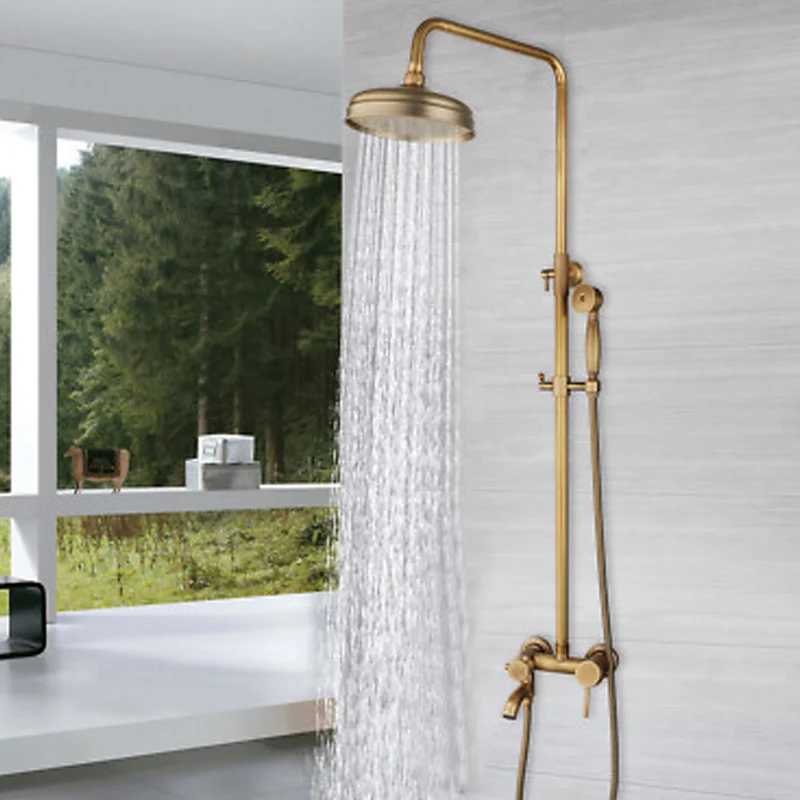
Both offer excellent durability. Brass provides superior machining flexibility and the widest range of finishing options, making it ideal for complex, traditional faucet designs. Stainless steel offers slightly stronger corrosion resistance and a modern, minimalist appearance, making it a strong fit for contemporary and coastal/hospitality projects.
304 stainless steel is cost-effective with good corrosion resistance, suitable for standard premium faucets. 316 stainless steel contains additional alloying elements that improve corrosion and chemical resistance, making it the better choice for coastal environments and luxury applications.
Reputable OEM manufacturers use lead-free brass alloys to meet international drinking water regulations. Always request material composition documentation and compliance certificates from your supplier.
Both brass and stainless steel fall in a similar medium-high manufacturing cost range; the better cost driver is usually design complexity, finishing choice, and production volume rather than the base material alone.
JEKARE provides complete faucet OEM development solutions, including:
Our engineering team helps global bathroom brands select the right materials and develop reliable faucet products from concept to mass production — backed by ISO 9001:2015 certified manufacturing.
Share your faucet design, target market, and performance requirements with our engineering team.