Call us: +86-18965139230 | Mail to us: info@jekare.com

Modern bidet toilet seats combine multiple engineering disciplines, including plastic product design, water flow engineering, heating system integration, electrical safety, waterproof structure design, precision assembly, and functional validation. Unlike traditional toilet seats, bidet toilet seats require coordination between mechanical, hydraulic, electronic, and thermal systems.
Poor engineering decisions may lead to water leakage, heating instability, electronic failures, poor user experience, assembly difficulties, and high warranty risks.
This Bidet Toilet Seat Engineering Guide from JEKARE explains the key engineering considerations for developing reliable smart bathroom products from concept design to scalable OEM production.
A smart bidet toilet seat integrates multiple functional modules into a compact structure.
Protects internal components, provides product appearance, and supports assembly structure. Materials: ABS, PP, PC, PBT engineering plastics.
Water inlet, internal tubing, valve system, spray nozzle, flow control components.
Seat heating element, water heating module, temperature control system.
PCB control module, sensors, user interface, safety protection.
Successful development requires all systems to work together — a design decision in one module (e.g., housing wall thickness) can directly affect another (e.g., PCB heat dissipation).
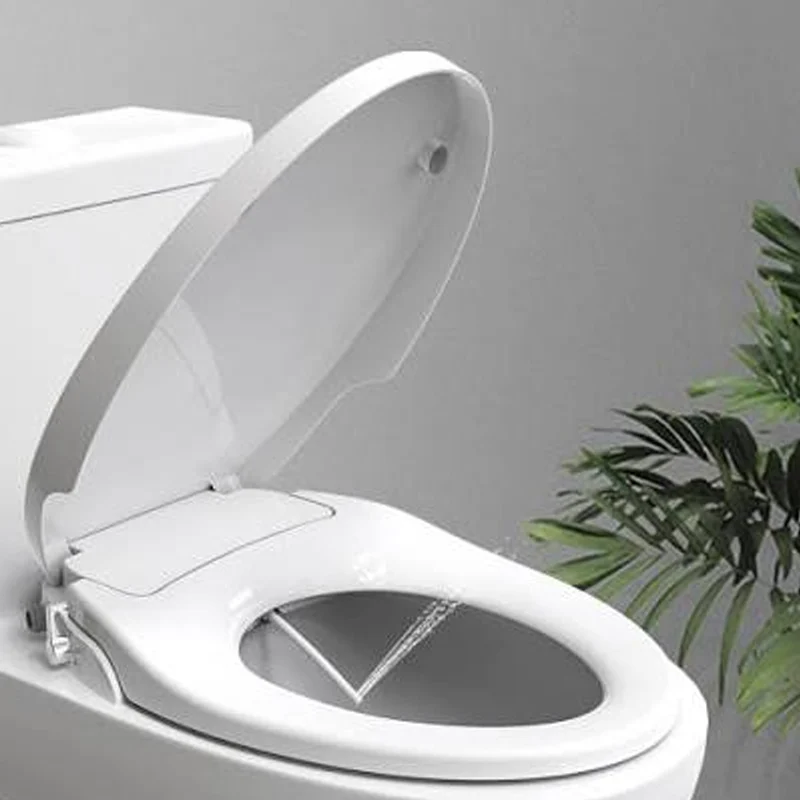
The water system is one of the most critical parts of bidet toilet seat development. The design must balance water flow stability, leakage prevention, user comfort, and long-term reliability.
Avoid sudden pressure changes, excessive restrictions, and turbulence — benefits include stable water output, reduced noise, and better cleaning performance.
Important factors are valve reliability, opening/closing response, sealing performance, and cycle durability. Applications include flow control valves, check valves, and silicone sealing components — see JEKARE’s Silicone Valve Material Selection Guide for hardness and material selection principles directly relevant here.
Performance depends on nozzle geometry, spray angle, water pressure, and cleaning coverage. Validation should include spray pattern testing, flow testing, and user experience evaluation.
Heating performance is a key differentiation factor for premium bidet toilet seats.
Engineering considerations include heating element layout, temperature distribution, heat transfer efficiency, and safety protection.
Important factors include heating speed, temperature stability, energy efficiency, and safety control.
Components near heat sources require heat resistance, dimensional stability, and electrical insulation. Suitable materials: PBT, PC, and PA reinforced plastics — see JEKARE’s PBT Material Guide, PC Material Guide, and PA Nylon Material Guide for full property detail.
Because bidet toilet seats combine water and electronics, waterproof engineering is critical.
Needs protection against water splash, condensation, and humidity exposure.
Design considerations include sealing interfaces, gasket structure, and assembly tolerance.
Good design separates water and electrical zones, prevents leakage paths, and simplifies maintenance.
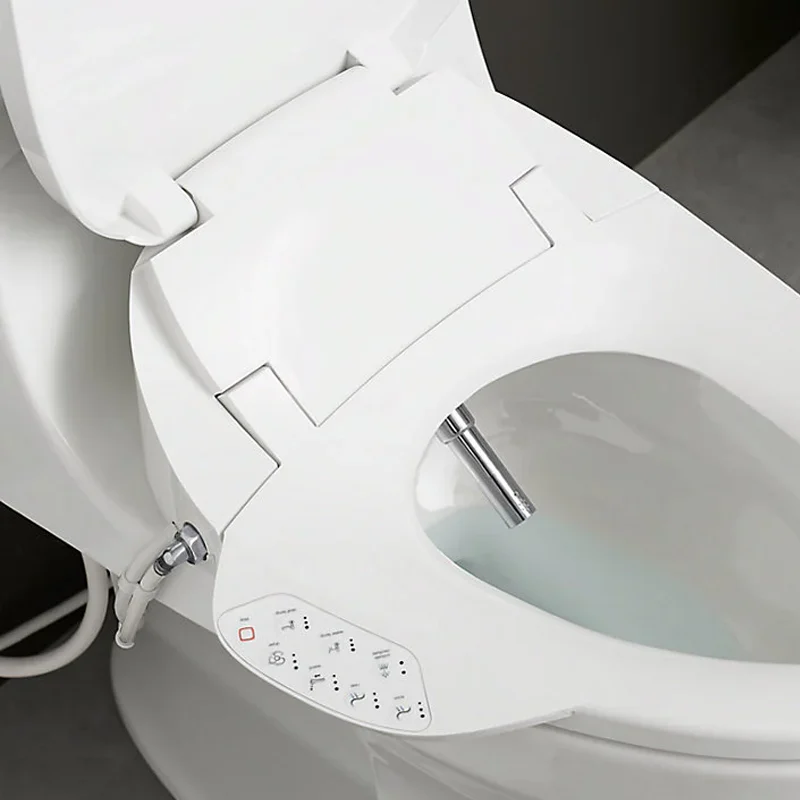
The outer housing must balance appearance, strength, assembly, and manufacturing efficiency.
Important to avoid warpage, sink marks, and stress concentration.
Ribs improve structural rigidity, housing strength, and assembly reliability.
Gate location, cooling design, mold flow analysis, surface texture.
| Material | Advantages | Suitable For |
|---|---|---|
| ABS | Excellent surface quality, good processing performance | External housing, premium appearance parts |
| PP | Chemical resistance, lightweight, high-volume production | Cost-effective structural components |
| PBT | Heat resistance, dimensional stability, electrical performance | Heated components, electrical supports, precision parts |
| PC | Excellent impact resistance, thermal stability | High-impact components, transparent covers, electronic protection |
For full material property comparisons, see JEKARE’s ABS Material Guide, PP Material Guide, PBT Material Guide, and PC Material Guide.
Smart bidet seats require reliable electrical integration.
Consider moisture protection, component placement, heat management.
Applications include seat occupancy detection, temperature monitoring, safety control.
Consider insulation, waterproof protection, thermal protection.
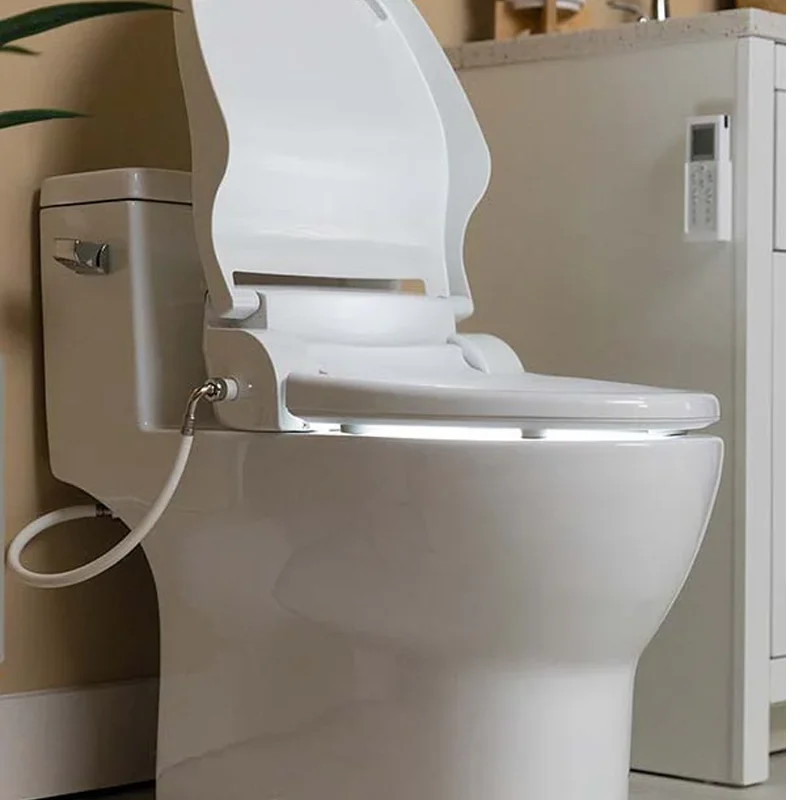
Bidet toilet seats require precise assembly control, given the number of components, water connections, electrical wiring, and tight tolerances involved.
Before mass production, smart bidet seats require comprehensive validation.
Flow testing, pressure testing, leakage testing.
Heating performance, temperature stability, thermal cycling.
Safety verification, waterproof testing, functional testing.
Seat opening/closing cycles, component life testing, long-term operation evaluation.
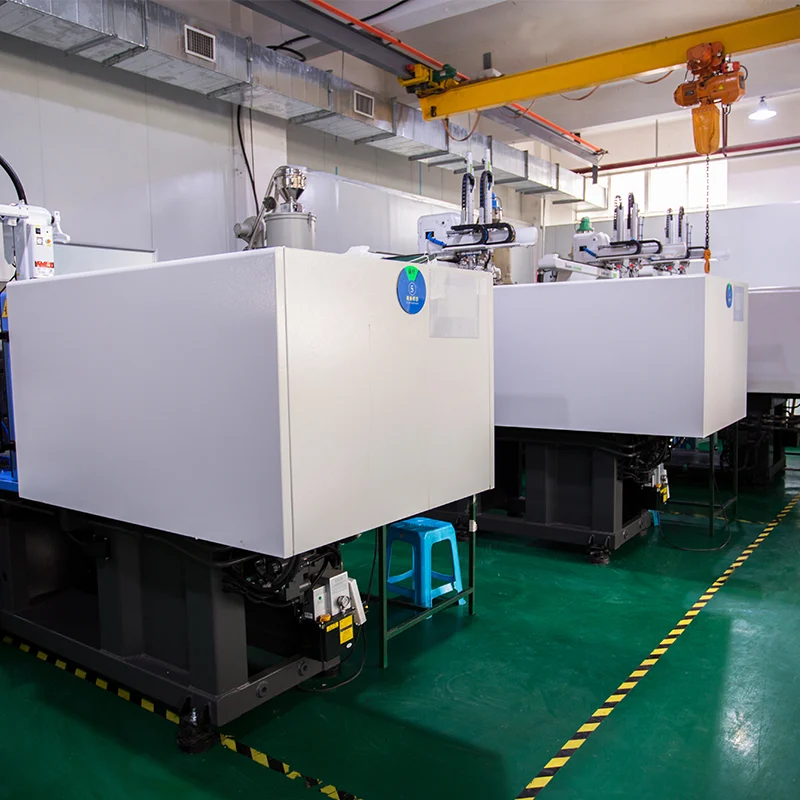
The main challenges include waterproofing, water and electrical system integration, heating stability, plastic housing design, and long-term reliability across all integrated systems.
Common materials include ABS for external appearance parts, PP for cost-effective structures, PBT for heat-resistant electrical components, and PC for high-impact protection.
Because bidet seats combine water systems, electronics, and heating components in a compact space, poor waterproof design can cause safety risks and product failures — this is one of the highest-priority engineering considerations for the product category.
Testing requirements depend on product positioning, but validation typically includes functional tests, leakage tests, cycle tests, and environmental tests. See JEKARE’s Bathroom Product Validation Guide for detailed testing requirements by category.
JEKARE provides complete smart bathroom product development support, including:
Our engineering team helps global bathroom brands develop reliable heated bidet toilet seats and smart bathroom products from concept to mass production — backed by ISO 9001:2015 certified manufacturing, following the standard development process outlined in JEKARE’s Bathroom Product Development Process Guide.
Share your product concept, specifications, drawings, or existing samples with our engineering team.