Call us: +86-18965139230 | Mail to us: info@jekare.com

Private label development allows bathroom brands, distributors, and retailers to create customized products under their own brand identity without building their own manufacturing facilities.
A successful private label bathroom program requires more than selecting existing products — it requires coordination between product strategy, design customization, material selection, manufacturing capability, quality control, packaging development, and supply chain management.
Without a structured private label development process, brands may face limited product differentiation, unstable quality, high customization costs, packaging problems, and supply delays.
This Bathroom Private Label Development Guide from JEKARE explains how brands can develop customized bathroom products and build a reliable product portfolio through OEM manufacturing partnerships.
Private label development means creating bathroom products manufactured by an OEM supplier and sold under your own brand. Instead of investing in manufacturing equipment, tooling facilities, and production teams, brands can focus on product positioning, marketing, distribution, and customer relationships.
| Standard Products | Private Label Products |
|---|---|
| Existing designs | Customized designs |
| Multiple brands sell same product | Exclusive brand identity |
| Limited differentiation | Custom specifications |
| Supplier-driven | Brand-driven |
Typical private label bathroom products include:
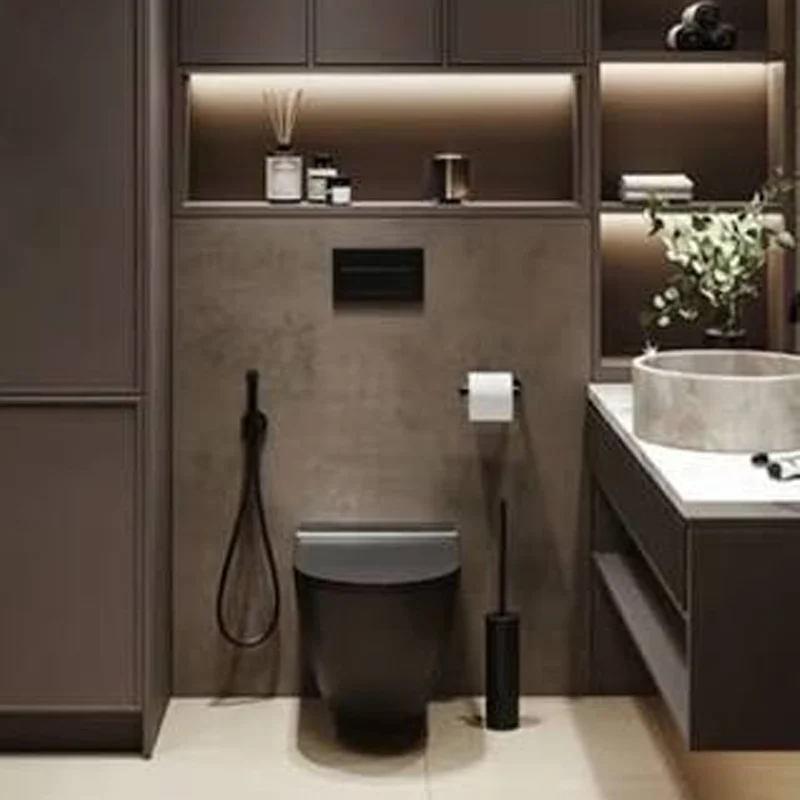
Before development begins, brands should define product positioning.
Target markets may include:
Brands should define product positioning based on:
Key customer requirements include:
High-volume products that build market presence, such as:
Higher-value products with differentiation, such as:
The right product selection determines commercial success.
Consider:
Evaluate:
Consider:
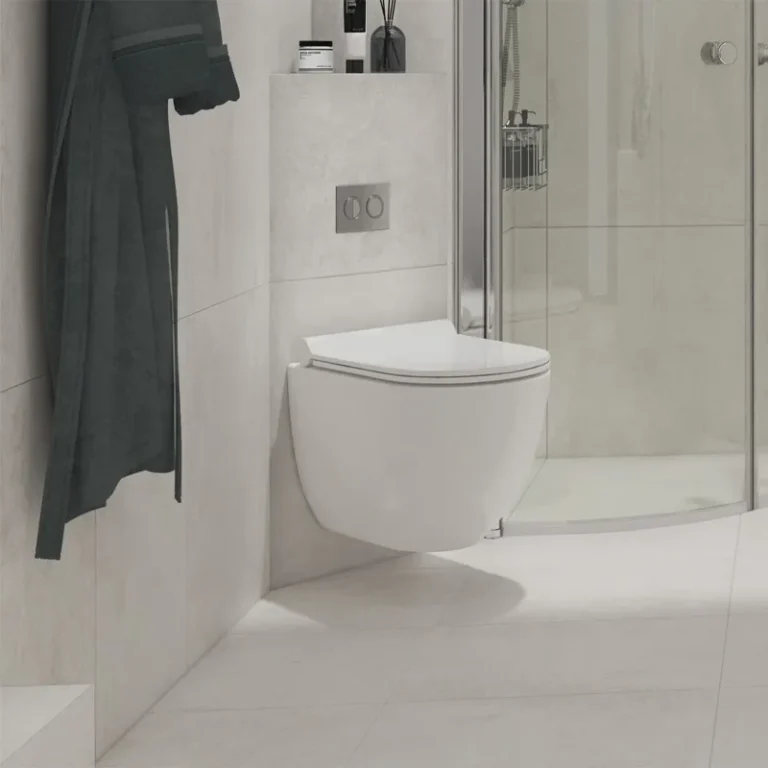
Private label products can be customized at different levels, each with a different cost and timeline tradeoff.
| Level | Focus | Includes |
|---|---|---|
| Level 1 — Branding Customization | Fastest market launch | Logo application, packaging design, user manuals, labels |
| Level 2 — Product Specification Customization | Moderate differentiation | Colors, surface finishes, functional options, components (e.g., matte black faucet, custom shower spray modes, special toilet seat features) |
| Level 3 — Product Engineering Customization | Strongest differentiation | New product design, structural modification, new tooling, custom materials |
Includes:
Includes:
Includes:
A professional OEM partner should provide engineering support beyond manufacturing.
Includes:
Includes:
Materials include:
See JEKARE’s Material Guides for the full selection library across all of these.
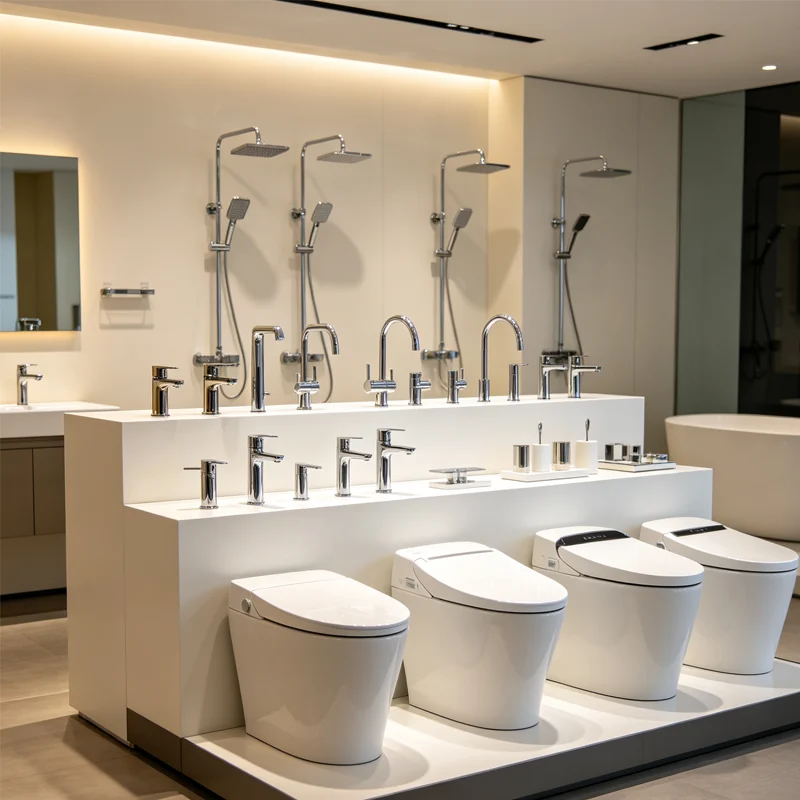
Includes:
Packaging is an important part of brand presentation.
Includes:
Includes:
Includes:
Brand reputation depends on consistent product quality.
Includes:
Includes:
Includes:
Testing varies by category:
See JEKARE’s Bathroom Product Testing Guide for the full validation framework across product categories.
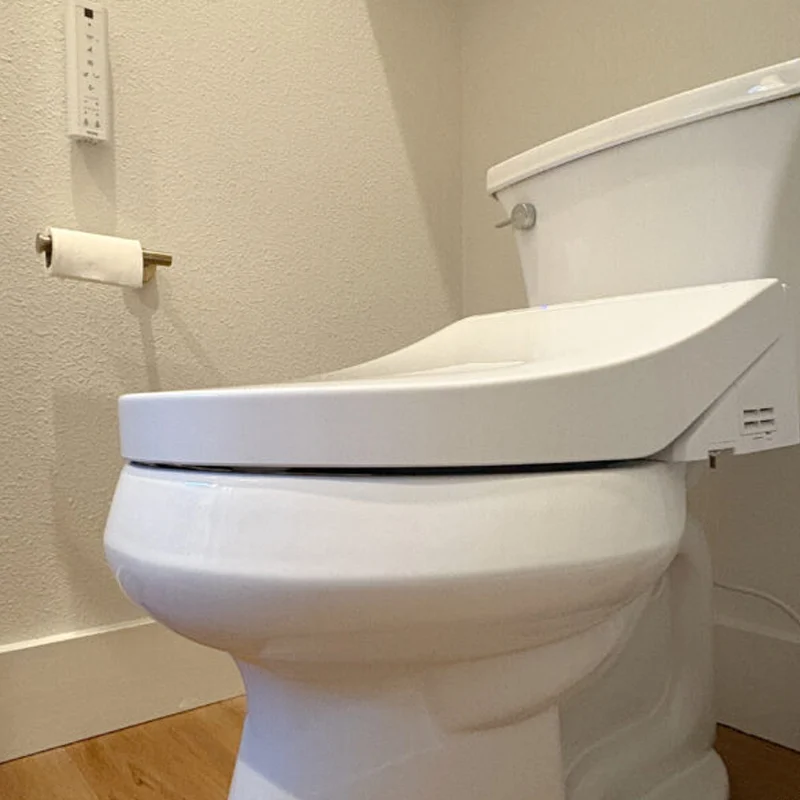
A successful private label program requires long-term supply capability.
Includes:
Includes:
Includes:
JEKARE supports brands through a structured workflow, tailored to the private label context specifically:
Includes:
Includes:
Includes:
Includes:
Includes:
For the full underlying engineering development process behind these steps, see JEKARE’s Bathroom OEM Development Process Guide.
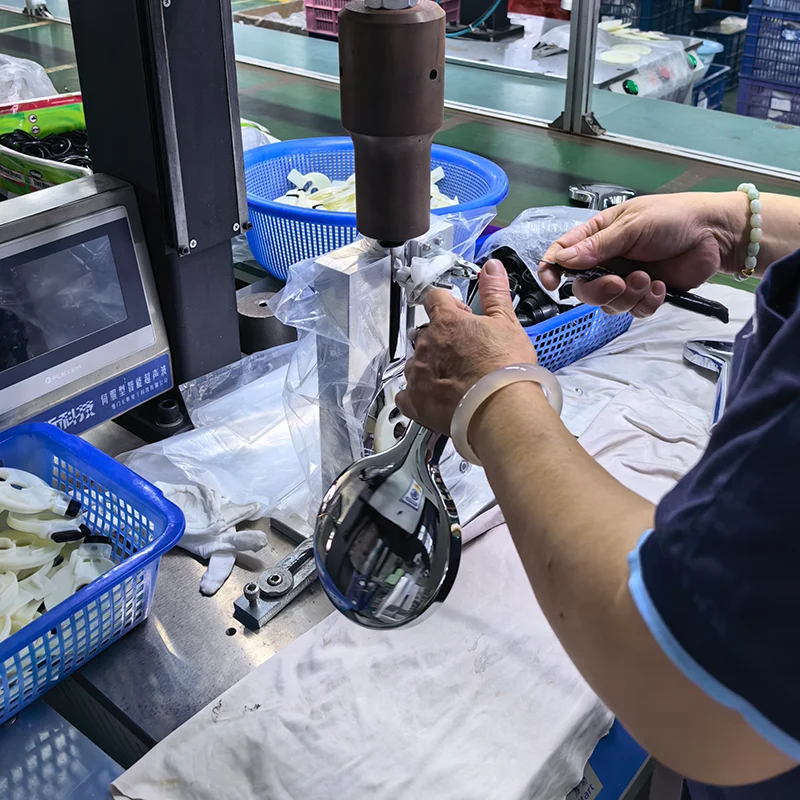
OEM focuses on manufacturing products based on customer requirements. Private label focuses on creating products under a customer’s own brand identity — a private label project often includes product customization, branding, packaging, and market positioning on top of standard OEM manufacturing.
Yes. Private label programs are suitable for startup brands, online sellers, regional distributors, and growing bathroom companies — not just large established brands.
Customization can range from logo and packaging changes (Level 1) to full product structure changes, new tooling development, and custom engineering solutions (Level 3), depending on budget and differentiation goals.
Common products include:
JEKARE helps global bathroom brands develop customized product lines through:
Our goal is to help brands build differentiated bathroom product portfolios with reliable OEM manufacturing support — backed by ISO 9001:2015 certified manufacturing.
Share your product ideas, target market, existing products, or brand requirements with our engineering team.