Call us: +86-18965139230 | Mail to us: info@jekare.com

Mold design is one of the most critical factors determining the quality, cost, and long-term reliability of bathroom products. A well-designed mold helps achieve stable production, consistent dimensions, better surface quality, lower maintenance costs, and reduced production risks.
In bathroom OEM development, products such as toilet seats, shower heads, faucet components, and bathroom accessories often involve large plastic structures, complex surfaces, tight assembly requirements, and high appearance expectations.
This Bathroom Mold Design Guide from JEKARE explains the key engineering considerations behind reliable mold development — from DFM review and mold structure design to tooling validation and mass production.
A successful bathroom product mold must balance product requirements, manufacturing feasibility, tooling cost, production efficiency, and long-term reliability.
| Product Category | Key Challenges |
|---|---|
| Toilet Seat Components | Large part size, warpage control, surface appearance, structural strength |
| Shower Components | Complex geometry, high appearance requirements, chrome plating compatibility |
| Faucet Plastic Components | Precision assembly, functional interfaces, tight tolerances |
| Bathroom Accessories | Cost optimization, high-volume production, appearance consistency |
Design for Manufacturing (DFM) review should be completed before mold construction. Early engineering review helps identify manufacturing risks, potential defects, tooling complexity, and cost optimization opportunities.
Evaluate thickness consistency, cooling behavior, sink mark risk.
Proper draft helps easier demolding, reduced surface damage, longer mold life.
Consider product appearance, flash control, mold complexity.
Gate design affects filling balance, weld lines, surface appearance, mechanical performance.
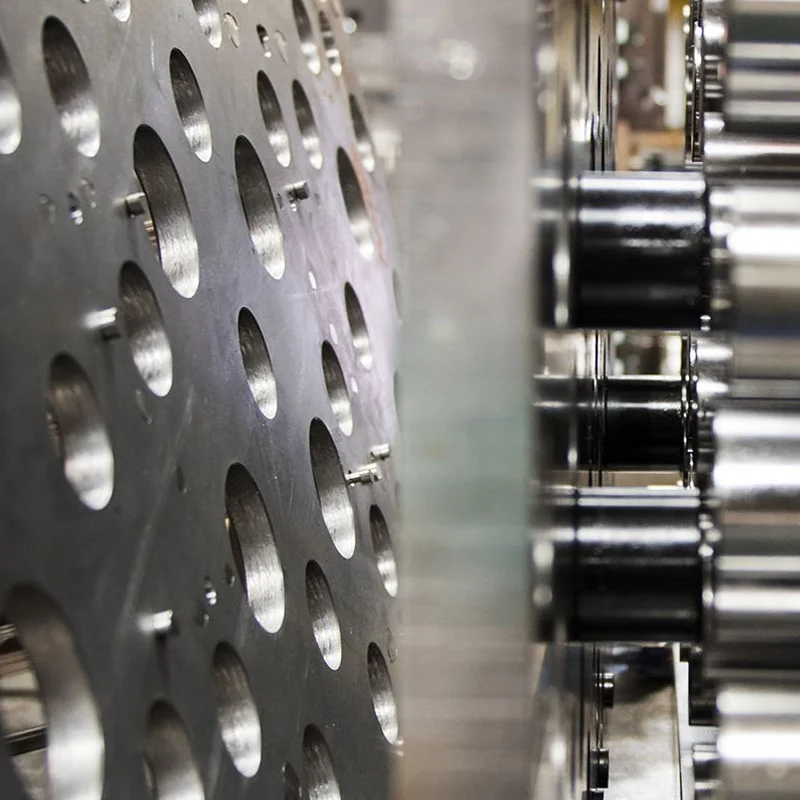
Different bathroom products require different mold structures.
| Mold Type | Best For | Advantages |
|---|---|---|
| Two-Plate Mold | Simple plastic parts, cost-sensitive products | Simple structure, lower tooling cost, easier maintenance |
| Three-Plate Mold | Products needing multiple gates, higher appearance requirements | Flexible gate positioning, better filling control |
| Hot Runner Mold | High-volume production, complex parts, material-saving requirements | Reduced waste, improved cycle efficiency, better production automation |
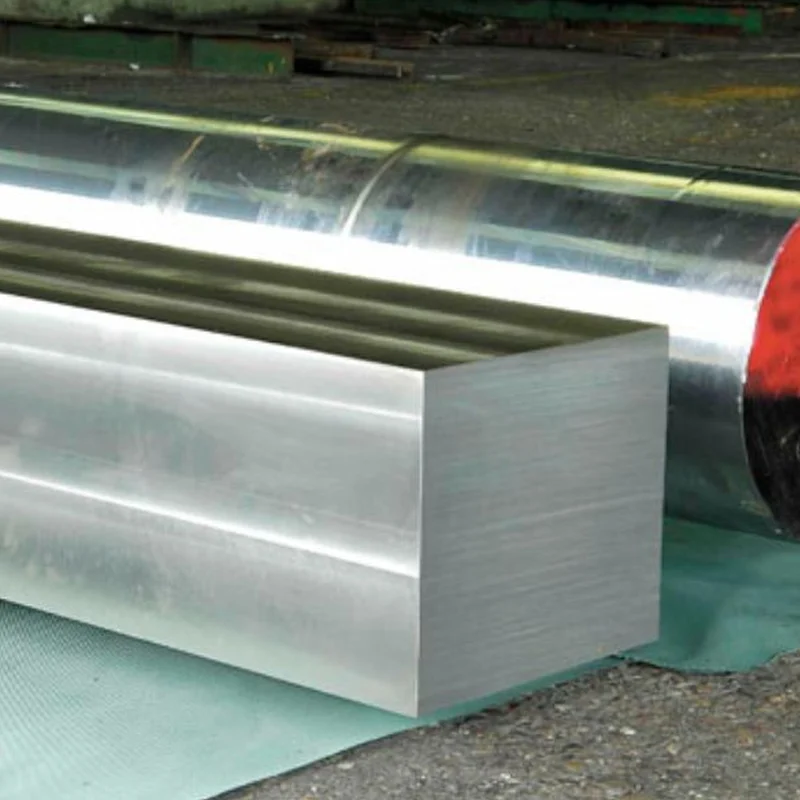
Tool steel selection directly affects mold life, surface quality, maintenance frequency, and production stability.
| Mold Steel | Characteristics | Applications |
|---|---|---|
| P20 | Cost-effective, general purpose | Standard bathroom molds |
| 718H | Better polishing performance | Appearance plastic parts |
| NAK80 | Excellent surface finish | High appearance components |
| S136 | Corrosion resistant, premium finish | High-quality bathroom parts |
Production volume, material type, surface requirements, mold life expectations.
Cooling design directly affects cycle time, part quality, and dimensional stability. Poor cooling design may cause warpage, uneven shrinkage, longer cycle time, and production instability.
For products like toilet seats and large shower panels, cooling design becomes especially important due to large surface area and uneven heat distribution.
A proper ejection system prevents product deformation during demolding.
Ejector pins, sleeve ejectors, stripper plates.
Avoid ejection marks, stress concentration, and product deformation.
Balanced ejection force, multiple ejector points, structural support during release.
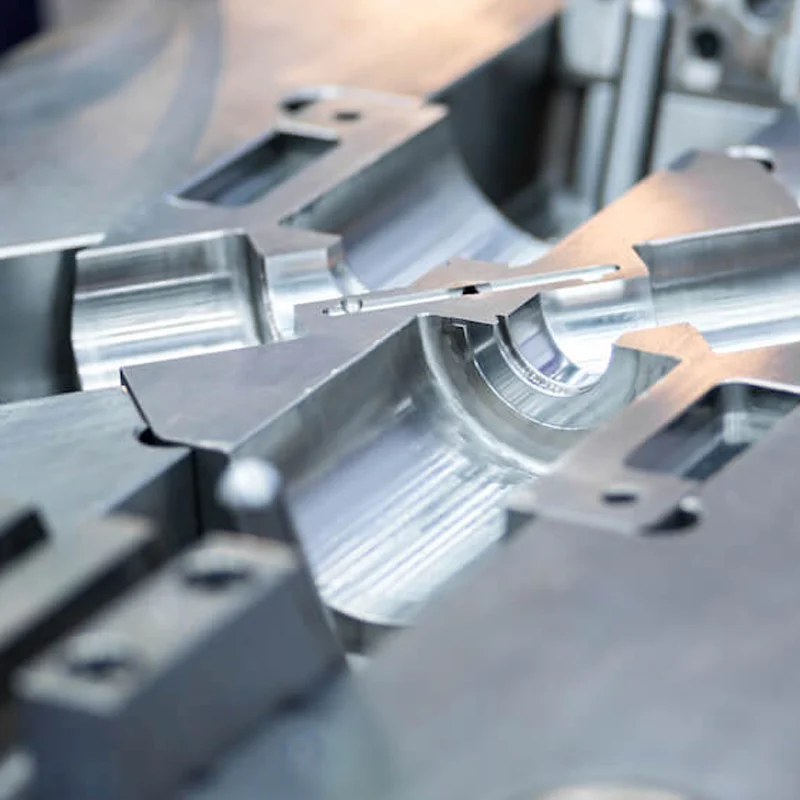
Bathroom products often have high appearance requirements, and mold surface quality directly affects final product appearance.
Used for glossy surfaces and chrome plating preparation.
Used for matte surfaces, scratch resistance, premium appearance.
Used for complex structures and internal features.
Evaluate plastic material, product positioning, and post-processing requirements — see JEKARE’s Surface Finish Guides for how mold texture interacts with final coating/plating results.
Different plastics require different tooling strategies.
| Material | Key Mold Design Considerations |
|---|---|
| PP | Higher shrinkage, warpage control, cooling balance |
| ABS | Surface quality, chrome plating requirements, appearance consistency |
| PC | Higher molding temperature, stress control, mold temperature management |
| Engineering Plastics (POM, PA, PBT) | Precision machining, shrinkage compensation, process control |
This table covers mold/tooling-specific considerations — for full material property data, see JEKARE’s ABS Material Guide, PP Material Guide, PC Material Guide, PBT Material Guide, POM Material Guide, and PA Nylon Material Guide.
A mold is not complete after machining — trial molding is required to optimize production performance.
Initial filling evaluation, basic structure verification, defect identification.
Dimensional adjustment, appearance improvement, process optimization.
Product dimensions, surface quality, assembly fit, functional performance.
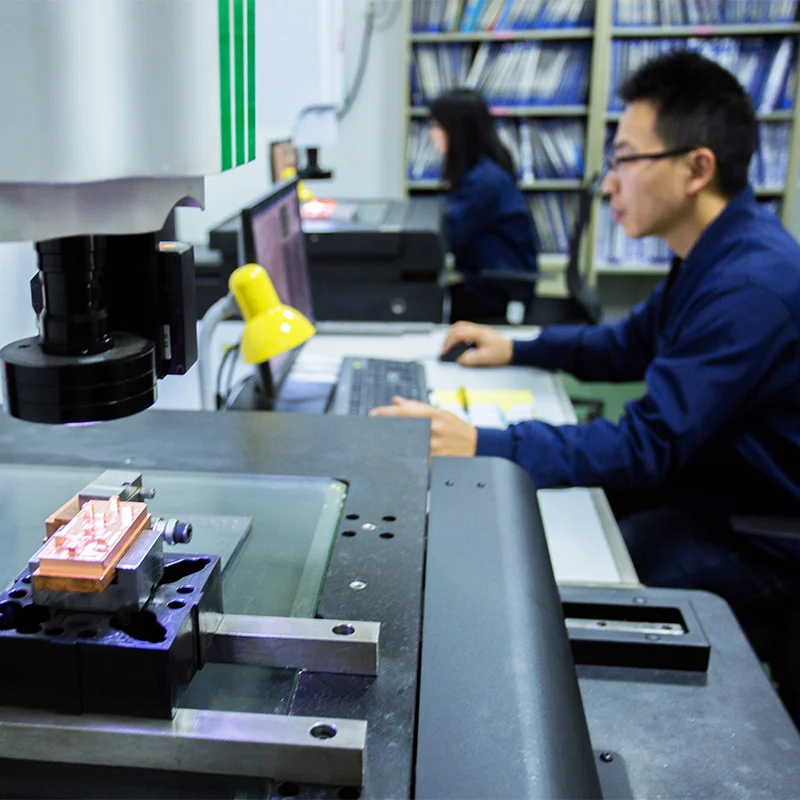
Reliable tooling requires ongoing quality control beyond the initial trial.
CMM measurement, critical dimension inspection, mold component checking.
Trial production, cycle evaluation, repeatability verification.
Mold drawings, inspection reports, trial reports, maintenance records.
Bathroom products often require high appearance quality, precise assembly, and stable long-term production. A poor mold design can create quality issues and increase production costs throughout the product’s manufacturing life.
DFM review should happen before mold construction begins. Early review helps prevent tool modification, production delays, and unexpected costs.
It depends on product material, production volume, and surface requirements. High-appearance products often require premium polishing steels such as 718H, NAK80, or S136.
Mold life depends on steel selection, material type, production conditions, and maintenance management — properly specified and maintained tooling for standard bathroom products commonly supports hundreds of thousands of production cycles.
JEKARE provides complete bathroom tooling solutions, including:
Our engineering team helps global bathroom brands develop reliable molds and transition products from concept to stable mass production — backed by ISO 9001:2015 certified manufacturing, following the standard development process outlined in JEKARE’s Bathroom Product Development Process Guide.
Share your product drawings, 3D files, or existing samples with our engineering team.