Call us: +86-18965139230 | Mail to us: info@jekare.com

The global wellness economy reached USD 6.8 trillion in 2024 and is projected to approach USD 10 trillion by 2029, according to the Global Wellness Institute — growth significantly outpacing overall global GDP expansion. This isn’t a niche category: it spans spa services, wellness tourism, and increasingly, the in-home experiences consumers now expect to replicate what they encounter at a resort or spa.
The global wellness tourism market was valued at USD 990.4 billion in 2025 and is projected to reach USD 2,400.0 billion by 2035, growing at a CAGR of 9.3%, according to Grand View Research, with the report specifically identifying hydrotherapy-inspired recovery experiences as one of the specialized services hotels and spas are introducing to differentiate themselves. Rain shower systems sit squarely in that category — they’re the closest thing to a hydrotherapy or spa-style water experience most bathroom brands can offer as a standard fixture.
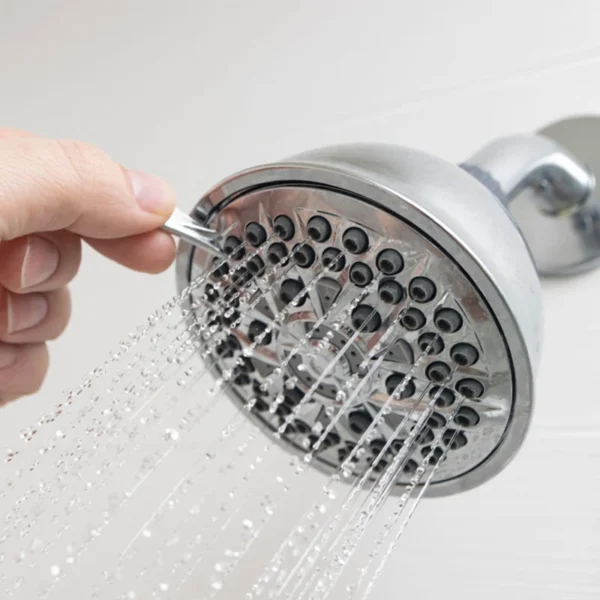
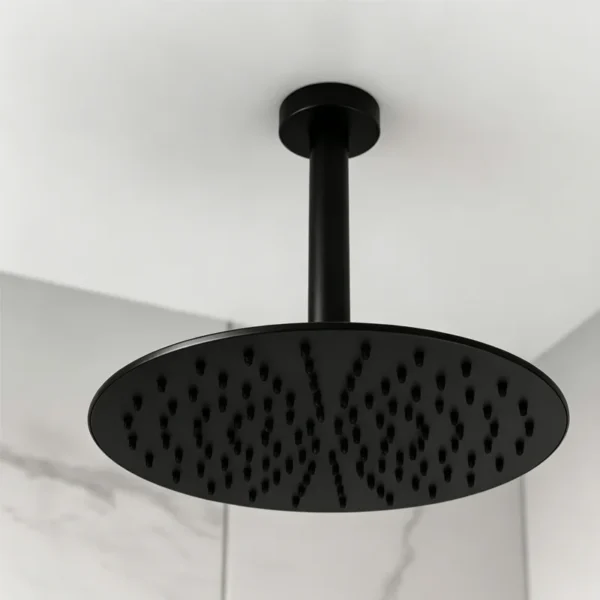
A demand driver rooted in a multi-trillion-dollar, structurally growing wellness economy behaves differently than a short design-cycle aesthetic trend. Brands treating rain shower demand as “what’s popular right now” risk underinvesting in a category with a demand foundation that’s likely to persist well beyond a single product cycle.
A rain shower head marketed purely on appearance competes differently than one positioned around a genuine spa-quality water experience — the latter opens conversations with hospitality and wellness-adjacent buyers that a purely aesthetic product doesn’t naturally reach.
Buyers and end consumers increasingly associate “wellness” with actual performance — water pressure, spray coverage, consistency — not just a large overhead panel. A product that looks the part but underperforms on actual spray experience risks disappointing exactly the buyer segment this demand driver is meant to attract.
Beyond wellness tourism specifically, the broader spa market was valued at USD 159.15 billion in 2025 and is forecast to reach USD 221.02 billion by 2031, according to Mordor Intelligence, with the report noting that Europe held a 36.35% share of the spa market in 2025 while Asia-Pacific is projected to grow fastest through 2031. This scale of investment in professional wellness spaces sets consumer expectations that carry directly into residential and hospitality bathroom design.
Seventy-two percent of respondents to the NKBA’s 2026 Bath Trends Report expect bath footprints to increase, driven partly by wellness-centered layouts — a residential-side confirmation that the same demand pulling growth in professional spa spending is translating directly into how bathrooms are being redesigned at home.
The pattern across these sources is consistent: consumers experience wellness-oriented water features in professional spa and hospitality settings, then seek to replicate that experience at home — and hospitality projects, in turn, continue investing in these features partly because residential expectations have risen. Rain shower demand sits at the intersection of both directions of that reinforcement.
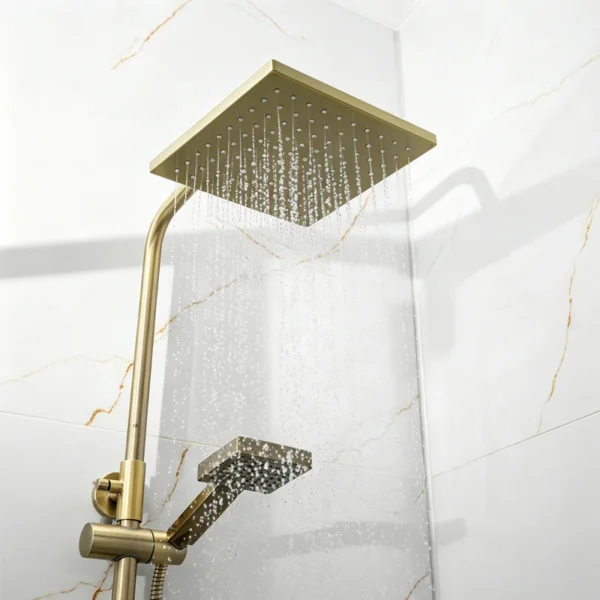
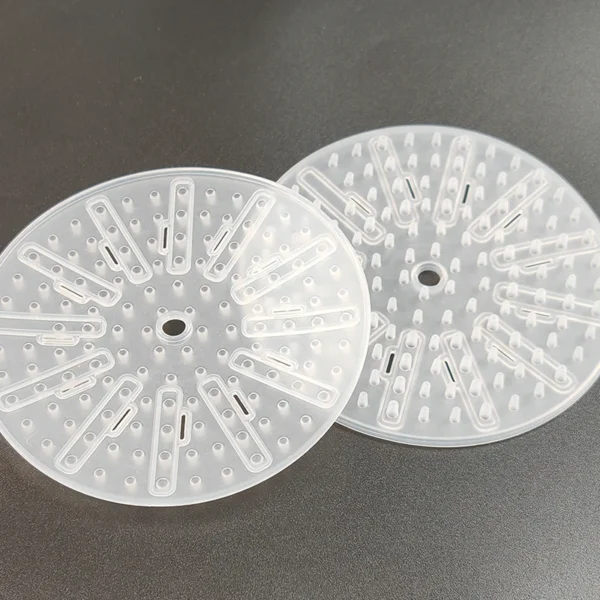
From our experience supporting global bathroom brands and distributors, rain shower projects are increasingly moving from a design-driven decision to a product strategy decision.
Many buyers initially approach rain shower systems based on visual expectations — larger shower plates, premium finishes, or hotel-inspired styling. However, during product development discussions, the key questions usually shift toward whether the product can consistently deliver the intended user experience at production scale.
For OEM development, a successful rain shower program requires alignment between market positioning and engineering execution. A wellness-focused product cannot rely only on appearance; spray coverage, flow performance, water distribution, installation compatibility, and finish consistency all influence how the final product is perceived by end users.
From a manufacturing perspective, brands expanding into the wellness bathroom segment should evaluate rain shower suppliers beyond catalog availability. The more important considerations are whether the manufacturer can support:
As rain shower systems become a stronger category within premium bathroom collections, the supplier’s role is no longer limited to producing a shower head. The right manufacturing partner helps brands translate wellness-oriented concepts into products that are technically reliable, commercially scalable, and suitable for different global markets.
Given how closely hospitality and residential demand now track each other, consider whether a single well-engineered rain shower product can credibly serve both channels, rather than developing separate hospitality-grade and residential-grade lines unnecessarily.
Since wellness positioning depends on actual water experience quality, request documented spray coverage and pressure test data from a manufacturer, rather than assuming a larger panel automatically delivers a better experience.
A product positioned around wellness and spa-quality experience should be available in finish and mounting configurations consistent with premium hospitality and residential design expectations — confirm this range exists before committing to a single fixed configuration.
Request specifics on how spray pattern and water distribution are engineered and tested — a manufacturer that can describe this process in concrete terms is a stronger partner for a wellness-positioned product line than one relying on marketing language alone.
Rain shower demand connects directly to how a brand positions its shower product line within the broader wellness category — a brand that frames its rain shower offering around genuine spa-quality water experience, backed by actual performance data, is better positioned to compete for the buyer segment this multi-trillion-dollar wellness economy is actually pulling toward premium bathroom fixtures.
More broadly, because this demand driver is structural rather than seasonal, brands investing in rain shower product development now are building toward sustained category growth rather than chasing a design trend likely to shift within a single product cycle — a distinction worth factoring into long-term tooling and product roadmap decisions.
JEKARE’s rain shower head line is engineered using validated flow-profiling to deliver consistent spray coverage and pressure performance, rather than relying on panel size alone to signal a premium experience — directly addressing the substance-over-aesthetic distinction that separates a genuinely wellness-positioned product from a purely decorative one. There are at least four specific advantages worth evaluating for a wellness-positioned product line: first, documented flow and spray-coverage test data supports a brand’s own performance claims rather than leaving them unverifiable; second, ceiling-mount and wall-mount configuration flexibility through custom rain shower head programs allows the same core product to serve both hospitality and residential installation contexts; third, a finish range spanning chrome, matte black, and brushed nickel supports positioning across different price and design tiers within the wellness-adjacent market; and fourth, in-house quality inspection throughout production supports consistent performance across a full order run, not just an approved sample.
Brands developing a rain shower program aimed at both hospitality and residential wellness-positioned demand can work directly through JEKARE’s OEM/ODM project process to coordinate configuration and finish decisions against the specific market segments they’re targeting.
Rain shower head popularity isn’t simply a design preference — it’s tracking demand from a wellness economy approaching $10 trillion globally, with hydrotherapy and spa-style recovery experiences named directly as a growth driver. For B2B buyers, the practical takeaway is that a rain shower product positioned around genuine, documented performance has access to a structurally growing demand segment that a purely aesthetic product does not, making this a category worth long-term product investment rather than short-cycle trend-chasing.
Based on available data, the two reinforce each other — hospitality and spa settings shape consumer expectations that then drive residential renovation demand, and rising residential wellness-space investment (per NKBA data) in turn keeps pressure on hospitality projects to maintain differentiated wellness features.
Not necessarily — wellness positioning is more about documented performance and design consistency than price point specifically; a mid-tier product with verified spray performance data can credibly compete in this category without requiring true luxury pricing.
Rising male participation in spa and wellness services, a segment growing faster than the overall spa market per recent industry data, broadens the buyer base for wellness-positioned bathroom products beyond traditional demographic assumptions, which is worth factoring into product marketing and finish/design choices.
Given that demand is tied to structural wellness economy growth rather than a single aesthetic trend cycle, available market data suggests sustained rather than short-term demand, though brands should still monitor market data over time rather than assuming permanence.
Given that Asia-Pacific is projected to grow fastest in both the wellness tourism and spa markets, brands targeting that region specifically may want to evaluate configuration and finish preferences against regional design norms rather than assuming a single global product specification fits all target markets equally.
Susan is a Senior Shower Systems Engineer at JEKARE with over 20 years of experience in bathroom fixture development and OEM manufacturing. She specializes in spray pattern engineering, flow-rate validation, and wellness-positioned product development across rain, handheld, and multi-function shower systems. With extensive experience supporting global bathroom brands and distributors through hospitality and residential product programs, Susan focuses on helping buyers back wellness-oriented product claims with actual engineering and performance data.
1. Grand View Research — Wellness Tourism Market Size & Share Report, 2026–2035
https://www.grandviewresearch.com/industry-analysis/wellness-tourism-market
2. Mordor Intelligence — Spa Market Size & Share Analysis
https://www.mordorintelligence.com/industry-reports/spa-market
3. National Kitchen & Bath Association (NKBA | KBIS) — 2026 Bath Trends Report
https://nkba.org/press/nkba-kbis-releases-annual-2026-bath-trends-report/
✔ 20+ Years of OEM & ODM Manufacturing Experience
✔ Validated Flow-Profiling and Spray Coverage Test Data
✔ Ceiling-Mount and Wall-Mount Configuration Flexibility
✔ Complete Finish Range Across Chrome, Matte Black, and Brushed Nickel
✔ In-House Quality Inspection Across Full Production Runs
✔ Reliable Manufacturing Partner for Global Distributors and Brands
Whether you’re developing a wellness-positioned rain shower line for hospitality or residential markets, JEKARE provides engineering-driven OEM manufacturing support from concept development through mass production.Contact our team to discuss your next bathroom product project.