Call us: +86-18965139230 | Mail to us: info@jekare.com

Bathroom finishes influence product positioning, assortment planning, quality expectations, and supplier coordination. For bathroom brands, importers, distributors, and hospitality procurement teams, matte black, brushed gold, and gunmetal offer distinct design directions, but each also introduces manufacturing and quality-control considerations.
The NKBA/KBIS 2026 Bath Trends Report provides recent context for finish planning. Based on a survey of nearly 700 industry professionals, the report found that matte, brushed, and satin faucet finishes were each selected more frequently than polished finishes. These findings reflect reported design preferences, not measured wholesale sales or confirmed future market growth.
For OEM buyers, the commercial question is therefore not simply which finish looks current. It is which finish fits the target market, can be manufactured consistently, and can be maintained across repeat orders.
Matte black supports contemporary and minimalist collections. Brushed gold offers a warmer decorative appearance, while gunmetal provides a dark metallic alternative to conventional chrome.
These finishes can differentiate a product portfolio without necessarily requiring a completely new product structure. Depending on the design and substrate, an existing custom shower head platform may support several finish options.
Every additional finish may require separate samples, specifications, approval records, production planning, and inventory management. Buyers should evaluate the commercial value of each finish against the cost of maintaining additional SKUs.
A coordinated range with a few well-defined finishes may be easier to manage than offering every color across every shower head, faucet, and accessory.
A finish must retain its intended appearance through handling, installation, cleaning, and normal use. Scratches, inconsistent color, visible coating defects, or premature deterioration can increase complaints and replacement costs.
For this reason, finish selection should be integrated into product development and supplier qualification rather than treated as a final cosmetic decision.
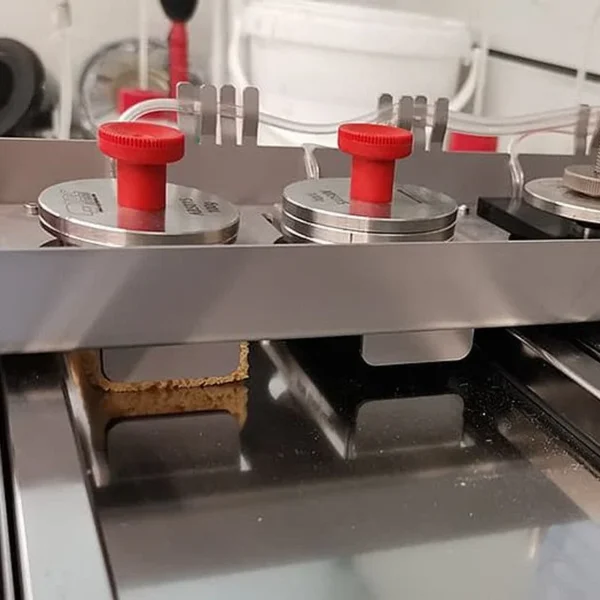
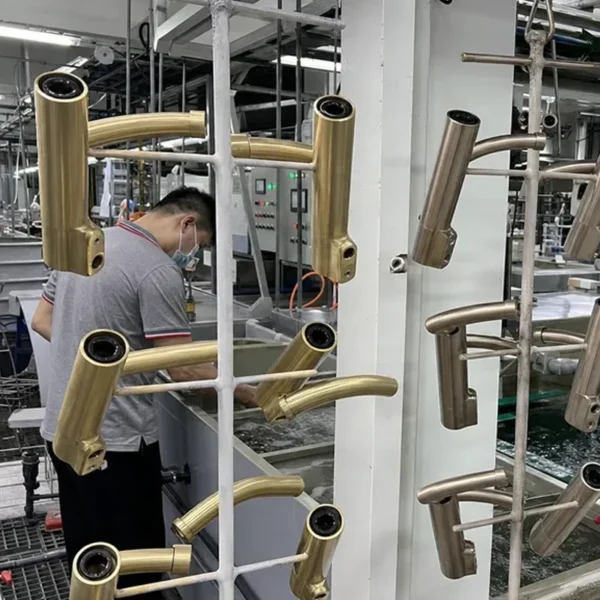
Matte black creates contrast against white ceramic, pale stone, and light-colored bathroom surfaces. It can also coordinate with black-framed shower enclosures and minimalist architectural details.
For OEM buyers, matte black may be suitable for a dedicated contemporary collection or as an alternative finish within an existing shower and faucet range.
Procurement teams should evaluate:
A matte appearance is not a complete technical specification. Buyers should define an approved sample, acceptable surface variation, and measurable inspection criteria where appropriate.
Brushed gold can position a bathroom collection toward a warmer or more decorative aesthetic. However, the term covers different shades, from pale champagne to richer gold tones.
A written finish name alone is insufficient. Different suppliers may interpret brushed gold differently, creating visible variation between products in the same collection.
A production-ready specification should establish the approved reference sample, intended color tone, brushing texture, applicable finishing process, and acceptance criteria for exposed surfaces and assembled products.
These controls are especially important when coordinating a faucet and shower product range made from different materials or through different finishing routes.
Gunmetal generally describes a dark gray metallic appearance. Depending on the specification, it may have a brushed texture, satin appearance, or stronger reflectivity.
For brands seeking an alternative to matte black, gunmetal can provide a more metallic visual effect. Its production requirements depend on the substrate, coating technology, component geometry, and desired appearance.
Buyers should approve samples made using the intended production materials and finishing route. Color, texture, reflectivity, and permitted variation should be documented rather than left to a supplier’s interpretation of the finish name.


PVD, electroplating, and spray finishing are different processes. Their suitability depends on the substrate, product geometry, desired appearance, manufacturing conditions, and performance requirements.
PVD may be suitable for certain metallic decorative finishes, while electroplating or spray coatings may be appropriate for other materials and designs. No process should be assumed to be universally superior without application-specific validation.
JEKARE’s shower head manufacturing capabilities include surface-finishing options such as chrome plating, PVD, and spray finishes. The final process should be confirmed against the selected product structure and approved specification.
The same nominal finish may look different on ABS plastic, stainless steel, brass, or zinc alloy. Surface preparation, component geometry, pretreatment, and coating thickness can all influence the result.
Complex edges, recessed areas, seams, and transitions between components deserve particular attention during sample approval.
JEKARE’s OEM product development service provides a relevant starting point for reviewing product structure, manufacturing feasibility, material selection, and finishing requirements before production approval.
Visual inspection does not replace performance testing. Depending on the product and customer requirements, validation may include corrosion resistance, coating adhesion, abrasion resistance, cleaning compatibility, and checks for appearance changes.
JEKARE’s quality inspection and testing service covers product-specific inspection and testing for bathroom fixtures and accessories, including corrosion and mechanical-strength checks. Buyers should agree on applicable test methods, durations, sampling plans, and acceptance criteria for each project.
Regulatory and performance requirements should also be considered separately from decorative finish selection. For example, the U.S. Environmental Protection Agency’s WaterSense faucet specification information explains the scope and status of its private lavatory faucet specification revisions. These requirements concern water efficiency and product performance, not the market popularity of a particular finish.


At JEKARE, finish selection should be evaluated alongside product structure, material selection, and manufacturing feasibility rather than treated as a final cosmetic decision. For OEM shower heads and bathroom fixtures, the target appearance must be translated into specifications that production and quality teams can consistently follow.
For a matte black shower head, this means defining the substrate, surface preparation, finishing process, target color, gloss level, and acceptable surface defects before production approval. Brushed gold and gunmetal require the same level of control, with additional attention to metallic appearance, brushing texture, and visual consistency between components made from different materials.
Sample approval is only the starting point. The approved finish should serve as a reference for incoming materials, production inspection, and repeat orders. Where a product range combines shower heads, faucets, handles, and accessories, each component should be evaluated against the agreed appearance criteria rather than assuming that the same finish name guarantees a uniform result. Applicable coating adhesion, corrosion resistance, and abrasion tests should also be specified according to the product structure and intended market.
From an OEM manufacturing perspective, the most practical approach is to confirm the finish specification before finalizing production requirements. This allows the product development, finishing, and quality teams to identify potential material or process limitations early, reducing the risk of sample discrepancies, avoidable rework, and inconsistent appearance across a coordinated bathroom collection.
For bathroom brands and distributors, the objective is not simply to approve an attractive sample. It is to establish a repeatable finish standard that supports consistent product presentation, controlled manufacturing, and reliable replenishment throughout the product lifecycle.
Provide the supplier with a finish reference, product drawings, intended substrate, target market, and expected use conditions. Clarify whether the reference represents the required production appearance or only an initial design direction.
This information gives the manufacturer a clearer basis for assessing feasibility, process selection, and potential cost implications.
Sample approval should cover more than color. Document the expected gloss or texture, visible defect limits, component-to-component matching, and inspection conditions.
When multiple products share a finish, approve representative components from each relevant material and finishing route.
Agree on the applicable performance tests, test methods, acceptance criteria, sampling frequency, and documentation required for production release.
Requirements should be determined by the target market and complete product specification. A decorative finish alone does not establish product compliance.
Before expanding a collection, evaluate which finishes justify full product-line coverage and which should remain limited to selected models.
A phased rollout may help brands evaluate actual sales performance before extending each finish across all shower heads, faucets, and accessories.
The approved sample should become a controlled reference for subsequent production. Buyers should define how deviations are documented, how changes to materials or processes are approved, and how inspection records are maintained.
JEKARE’s quality control process for OEM bathroom products provides a relevant reference for understanding product-specific inspection priorities and the importance of documented acceptance requirements.
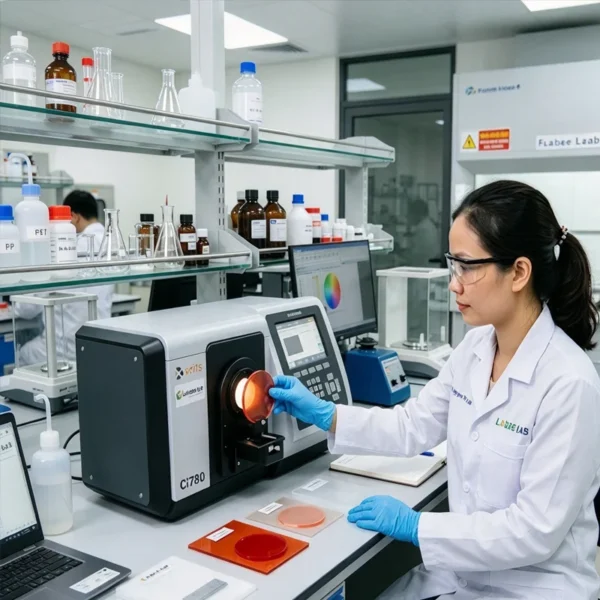

A practical collection can combine a core finish with a smaller number of differentiated options. Matte black may suit a contemporary range, brushed gold may support a warmer decorative collection, and gunmetal may provide an alternative metallic look.
The appropriate mix depends on verified sales data, customer requirements, target channels, and the cost of maintaining each SKU. The objective is to develop a portfolio that can be manufactured and replenished consistently rather than following every design trend.
Finish selection should be considered together with product architecture, tooling, materials, and production planning.
JEKARE’s OEM product development service supports development reviews for bathroom brands, importers, and distributors. Buyers can use this stage to evaluate whether a proposed finish is compatible with the intended product platform and whether design adjustments are needed before production approval.
A coordinated collection may include a rain shower head, a faucet range, and related bathroom accessories. Matching the appearance of these products requires attention to differences in substrate, geometry, and finishing processes.
For buyers evaluating several product categories, JEKARE’s bathroom product catalog provides a starting point for reviewing product options and discussing customization requirements.
The commercial implication is clear: finish differentiation creates the most value when design intent, manufacturing feasibility, and quality expectations are aligned before repeat production begins.
Matte black, brushed gold, and gunmetal give bathroom brands distinct ways to differentiate product collections. Their commercial suitability depends on more than visual appeal.
OEM buyers should assess target-market positioning, substrate compatibility, finishing processes, sample consistency, testing requirements, and repeat-order controls before committing to a finish strategy.
A disciplined approach helps brands introduce differentiated shower and faucet products while keeping quality expectations and supply-chain complexity manageable.

There is no universally correct choice. The decision should reflect verified customer demand, target-market positioning, product cost, finishing feasibility, and the ability to maintain consistent quality across orders.
Potentially, yes. Feasibility depends on the substrate, component design, finishing process, and required appearance. Each finish should undergo its own sample approval and applicable validation.
No. Durability depends on the coating system, substrate preparation, application quality, test conditions, and intended use. Buyers should compare documented results against the same relevant acceptance criteria rather than relying on process names alone.
Use controlled reference samples, defined appearance criteria, and inspection procedures appropriate to each material and production route. Assess representative assembled products as well as individual components.
Document the finish reference, substrate, finishing process where specified, color and texture expectations, acceptable appearance defects, required tests, acceptance criteria, and change-approval process.
They may affect the scope of product validation, but a finish alone does not determine compliance. Buyers should identify applicable market regulations and standards for the complete product, then confirm that the selected materials and processes meet the project requirements.
Maintain an approved reference sample, document the production specification, agree on inspection and sampling criteria, and require approval for relevant material or process changes. Review batch results against the same acceptance requirements.
Sunny is a Senior Shower Systems Engineer at JEKARE, with more than 20 years of experience in sanitary ware product development and OEM manufacturing. His areas of focus include shower system engineering, product structure, water-flow performance, surface-finishing coordination, and manufacturing quality.
Through collaboration with product development, production, and quality teams, Sunny supports bathroom brands, importers, and distributors in translating product concepts into manufacturable specifications. His work emphasizes design feasibility, process consistency, and verification against defined product requirements. His perspective reflects JEKARE’s manufacturing focus on helping global bathroom businesses evaluate product development and sourcing decisions with greater technical clarity.
1. Kitchen & Bath Business — NKBA/KBIS Releases Annual 2026 Bath Trends Report
https://kbbonline.com/trends-inspirations/nkba-kbis-releases-annual-2026-bath-trends-report/165647/
2. U.S. Environmental Protection Agency — Bathroom Faucets and WaterSense Specification Revisions
https://www.epa.gov/watersense/bathroom-faucets
3. U.S. Department of Energy — Showerheads: Standards and Regulatory Information
https://www.energy.gov/cmei/buildings/showerheads
JEKARE supports OEM and ODM development for shower heads, faucets, shower columns, and bathroom accessories, with product customization, surface finishing, assembly, and quality inspection tailored to project requirements.
If you are developing a matte black, brushed gold, or gunmetal collection, share your product drawings, reference samples, target market, and finish requirements for an initial engineering review.
Start with your finish specification, then evaluate the product platform, validation plan, and manufacturing requirements together.Explore JEKARE’s OEM product development service to discuss your next bathroom collection.