The Industry Background: Moving Beyond Brand Labels in Commercial Projects
In the global sanitary ware industry, comparing bathroom brands has traditionally been an exercise in evaluating reputation and price tier. However, the paradigm is shifting. According to market data from
Grand View Research, the commercial sanitary ware sector is increasingly driven by regulatory compliance, water conservation mandates, and system compatibility rather than purely aesthetic preferences.
Today’s engineers, procurement teams, and hospitality developers recognize that in real-world applications—such as large-scale hotel construction and residential developments—performance relies heavily on system design, local water conditions, and installation environments. Treating global bathroom sourcing as a simple brand-ranking exercise often leads to critical installation failures and long-term maintenance issues.
Why It Matters: The Hidden Costs of System Mismatches
The commercial impact of misunderstanding bathroom system architecture is significant. When procurement teams select fixtures based on brand visibility rather than engineering compatibility, they expose projects to severe risks. Unstable water pressure, thermal shock, and premature cartridge wear not only inflate maintenance budgets but also jeopardize overall project compliance.
To mitigate these risks, brand owners and project developers must evaluate the underlying engineering philosophies that dictate how different brands—and the
OEM bathroom manufacturers that supply them—structure their product lines.
Market Observation: Regulatory Pressures and Engineering Adaptation
Recent updates to international plumbing codes have forced a divergence in how brands approach product engineering. The
U.S. Environmental Protection Agency (EPA) WaterSense program, alongside stringent European standards, mandates strict flow rate limits and temperature stability controls.
Because of these diverging regulatory environments, no single bathroom brand can seamlessly satisfy all global project requirements without significant internal modification. This regulatory pressure is the primary reason we see distinct performance characteristics across different geographical brand tiers.
European Bathroom Brands: Precision-Driven System Engineering
European bathroom brands—including Hansgrohe, Grohe, Duravit, and Roca—are widely recognized for their focus on engineering precision and strict compliance with international standards.
Their products are designed around the concept of system consistency. Water flow control, thermostatic performance, and user experience are optimized under highly controlled conditions. These brands are often specified in luxury architectural projects where design uniformity is critical. The engineering philosophy here assumes that the building’s water pressure and installation environment will perfectly match the predefined system parameters.
American Bathroom Brands: Scalability and Maintenance Efficiency
In contrast, American bathroom brands are built around scalability, practicality, and maintenance efficiency. Brands such as Kohler, American Standard, Moen, and Delta Faucet dominate large-scale residential and hospitality projects.
Their engineering focus prioritizes flow control reliability in everyday, variable use. The design philosophy of American brands emphasizes consistent performance across large-scale installations combined with strong serviceability and replacement support. This makes them highly suitable for commercial projects where maintenance efficiency and lifecycle cost control outweigh the need for extreme precision.
Mid-Tier Global Brands: Balanced Engineering for Diverse Applications
Between high-end European precision and mass-market American scalability exists a crucial category of mid-tier global brands. TOTO is a primary example, combining Japanese precision engineering with global manufacturing scalability.
These brands serve residential developments and mid-range commercial projects requiring a balance between performance stability and cost efficiency. Their product systems are typically standardized but flexible enough to adapt to different regional markets, making them a common choice for international procurement strategies.
JEKARE Perspective: Shifting From Brand Specs to Performance Mandates
Our engineering team frequently observes that hotel developers face significant flow-rate and temperature control failures when applying standardized retail fixtures to complex commercial boiler systems.
Recent hospitality projects in North America and Europe have shifted their RFQs from brand-specific requests to performance-specific mandates. Buyers are prioritizing heavy-duty brass cartridge lifecycles, thermal shock prevention, and multi-market compliance over exterior branding. When standard retail brands cannot adjust their fixed internal specifications to meet these rigorous commercial demands, procurement teams are increasingly turning directly to the source for customized engineering.
OEM Bathroom Systems: Engineering Flexibility Beyond Brand Limitations
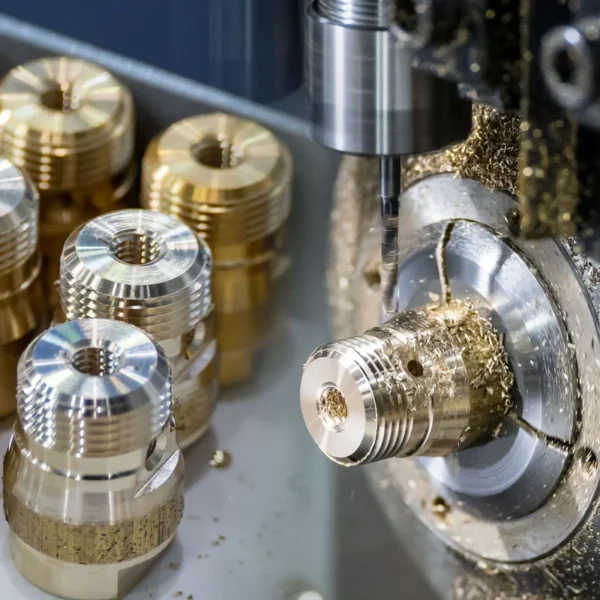
While branded products dominate market visibility, a massive portion of real commercial engineering solutions is executed by OEM manufacturing systems. Unlike retail brands, OEM suppliers are not defined by rigid product lines. Instead, they adapt technical parameters based on exact project requirements.
This includes adjusting thermostatic response accuracy, customizing flow rate stability, altering cartridge structure design, and modifying material selection to meet the
ASME A112.18.1 standards or other regional compliance metrics.
OEM systems are critical in complex environments such as high-rise buildings, where water pressure conditions vary significantly between floors. In these scenarios, the challenge is designing a system that performs reliably under real-world conditions, rather than forcing a standardized brand product into an incompatible environment.
Practical Decision Framework for Commercial Procurement
Before finalizing specifications for your next commercial project or brand line, evaluate potential systems using this framework:
-
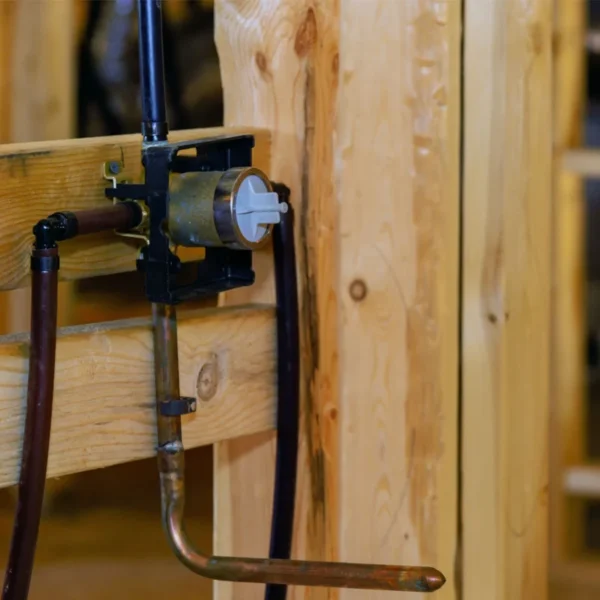
System Compatibility: Can the internal valve architecture handle the specific water pressure fluctuations of the target installation?
-
Regulatory Compliance: Does the manufacturer provide verifiable
quality control and testing documentation for specific regional certifications (e.g., WaterSense, WRAS, CE)?
-
Customization Depth: Can the supplier adjust the cartridge structure or flow restrictors without requiring entirely new external tooling?
-
Maintenance Lifecycle: Are the internal mechanisms designed for commercial serviceability?
What This Means for Your Brand
Understanding the structural gap between standardized product systems and real engineering demands is critical for brand owners and distributors. Pure brand selection cannot solve issues like inconsistent installation environments and regional compliance differences.
By shifting from a brand-centric procurement model to a system-engineering approach, bathroom brands can develop product lines that are not only aesthetically competitive but functionally superior. Integrating custom thermostatic
shower systems engineered specifically for your target market ensures consistent performance, reduces warranty claims, and solidifies your brand’s reputation for reliability.
If your current standardized products are struggling with pressure fluctuations or compliance testing, collaborating with an OEM partner focused on internal system architecture is the most effective path forward.
FAQ
1. Why do different bathroom brands perform differently in the same building?
They follow distinctly different engineering standards and design philosophies. A system engineered for stable European water pressure may fail to deliver consistent temperature control in a North American commercial high-rise.
2. What is the main difference between European and American bathroom engineering?
European brands prioritize extreme precision and system uniformity under controlled conditions, whereas American brands prioritize scalability, durability, and ease of maintenance across diverse, real-world installations.
3. Why do standard bathroom systems fail in commercial real estate projects?
Failures usually stem from water pressure instability, thermal shock from commercial boilers, or a fundamental mismatch between the standardized internal valve cartridge and the building’s infrastructure.
4. What role does an OEM bathroom manufacturer play in this ecosystem?
An OEM manufacturer designs and produces customized plumbing systems and fixtures based on specific project needs or brand requirements, bridging the gap when off-the-shelf retail products lack the necessary flexibility.
5. When should a developer or brand choose custom OEM bathroom solutions?
Custom OEM solutions are required when a project demands multi-market regulatory compliance, specific flow-rate modifications, or internal valve architecture tailored to complex installation environments.
About the Author
Sunny is a Senior Shower Systems Engineer at JEKARE with over 20 years of experience in sanitary ware product development and OEM manufacturing. He specializes in shower system engineering, water flow optimization, thermostatic valve design, and compliance-driven product development. With extensive experience working with global bathroom brands and distributors, Sunny focuses on creating reliable, cost-effective commercial bathroom solutions through engineering innovation and rigorous quality control.
References
-
Grand View Research
https://www.grandviewresearch.com/
-
U.S. Environmental Protection Agency (EPA) WaterSense
https://www.epa.gov/watersense
-
American Society of Mechanical Engineers (ASME)
https://www.asme.org/
Why Global Bathroom Brands Choose JEKARE
✔ 20+ Years of OEM & ODM Manufacturing Experience
✔ Complete Shower, Faucet and Bathroom Product Solutions
✔ Professional Engineering Support from Design to Production
✔ Strict Quality Control and Product Testing
✔ Flexible Customization for Different Markets
✔ Reliable Manufacturing Partner for Global Distributors and Brands
Whether you need custom thermostatic valves, commercial faucets, or complete shower systems, JEKARE provides engineering-driven OEM manufacturing support from concept development to mass production.Contact our team to discuss your next bathroom product project.