Call us: +86-18965139230 | Mail to us: info@jekare.com

Sustainability has moved from a marketing talking point to a procurement requirement in the bathroom fixtures industry. According to Grand View Research, the global plumbing fixtures market was valued at USD 89.8 billion in 2023 and is projected to reach USD 120.9 billion by 2030, and the firm’s separate analysis of the bathroom accessories segment names the shift toward eco-friendly materials and water-saving fixtures as an active driver of that growth, not a future trend. At the same time, regulatory bodies such as the U.S. Environmental Protection Agency’s WaterSense program have formalized what “water-efficient” actually means in measurable terms — a WaterSense label requires a fixture to use at least 20 percent less water than the federal baseline while still performing to the same standard.
For OEM and ODM bathroom brands, this changes what “sustainable manufacturing” needs to mean in practice. It is no longer sufficient to describe a product as eco-friendly in marketing copy. Brands are increasingly expected to show which material was used, which certification standard it meets, how much water or energy the finished product saves in use, and how the manufacturing process itself was controlled. This article looks at how sustainability is actually being built into bathroom product materials, manufacturing processes, and product development strategy — and what that means for brands sourcing their next collection.
The commercial stakes of sustainable manufacturing extend well beyond compliance. Retailers, hospitality buyers, and distributors in North America and the EU are increasingly requiring documentation — material safety data, RoHS/REACH conformity, and water-efficiency test data — before a product line is approved for listing. A brand that cannot produce this documentation risks losing shelf space or project bids to a competitor that can.
There is also a direct cost dimension. Material substitution (for example, moving a component from virgin ABS to a regrind-blended or recycled-content plastic) affects unit cost, tooling behavior, and finish quality all at once — so sustainability decisions are also manufacturing decisions, not just a checkbox added after the design is finished. Warranty exposure is affected too: a water-saving flow restrictor or aerator that is engineered incorrectly can reduce user-perceived performance, which shows up later as return rate rather than as a sustainability metric. For brands, getting this right protects both compliance standing and product reputation at the same time.
Two verifiable, source-backed shifts stand out in how the bathroom industry is approaching sustainability right now.
First, regulatory water-efficiency standards are becoming stricter and more widely enforced rather than remaining voluntary guidance. The EPA notes thatWaterSense-labeled products and homes have collectively saved more than 8.7 trillion gallons of water since the program began in 2006, a figure the agency ties directly to the adoption of certified low-flow faucets, showerheads, and toilets by manufacturers and retailers. That scale of adoption reflects a market where water-efficiency certification has become a baseline procurement filter for many buyers, not an optional upgrade.
Second, Grand View Research’s bathroom accessories market analysis identifies rising demand for environmentally responsible materials as a named factor shaping purchasing decisions, alongside — not separate from — functional and aesthetic requirements. This means brands are being asked to justify material choice on sustainability grounds in the same sourcing conversation where they are asked about finish quality and price, rather than in a separate “green” product line.
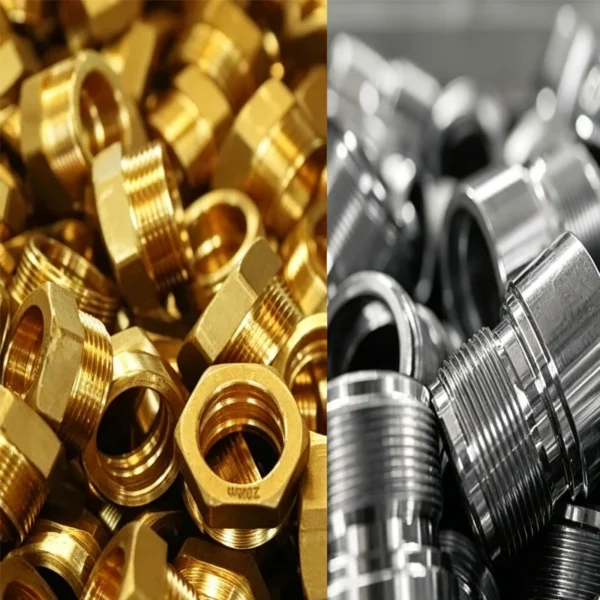
Before selecting materials or a manufacturing process for a sustainability-positioned bathroom product line, brands should expect clear, verifiable answers on six points in any sourcing conversation. Material conformity should be documented at the level of the specific alloy, resin, or coating actually used, not covered by a general company-wide statement. Water-saving performance—flow rate and spray coverage—should be supported by an actual test report rather than a stated target figure. Any finishing process involving electroplating, PVD, or powder coating should have documented wastewater or effluent handling that can be produced on request. Recycled or regrind content in plastic components should be stated as a quantified percentage, not a general claim. The same quality control standard should apply to a “sustainable” SKU as to the manufacturer’s standard product line, with no reduction in testing for smaller-batch green runs. And the manufacturing partner should be able to support these claims with a facility tour, process documentation, or third-party audit, not a certificate PDF alone. Together, these six points are what separate a genuinely engineered sustainability claim from a marketing label applied after the fact.
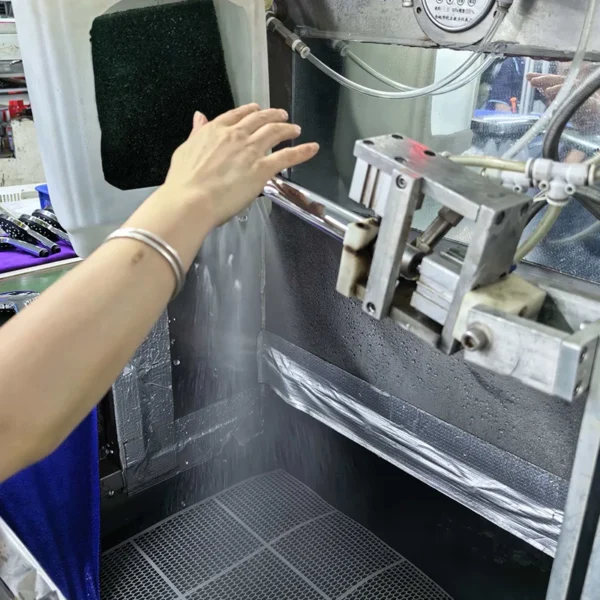
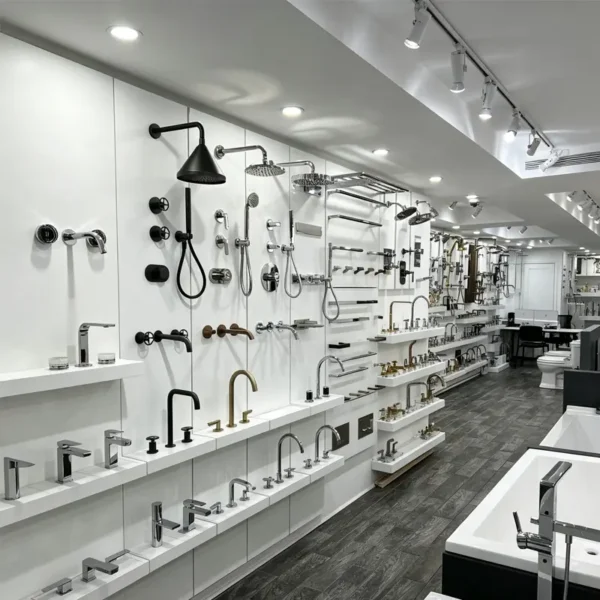
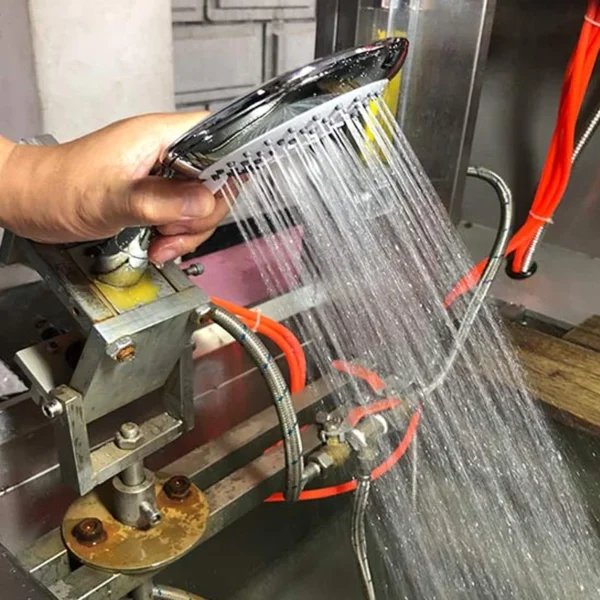
Water-efficient flow engineering is one of the clearest places where this framework becomes a concrete design decision rather than an abstract principle. JEKARE’s rain shower head and water-saving spray product line is engineered around nozzle geometry, flow restrictor calibration, and spray-plate design that are tuned to reduce water consumption at the point of use while maintaining spray pressure and coverage — the same balance the WaterSense criteria are built around. Because the flow and pressure behavior are validated during sample approval rather than assumed from a datasheet, brands sourcing this product line can carry forward performance data that supports their own water-efficiency claims to their end customers, instead of relying on a general “eco-friendly” description with nothing to back it. This is the kind of detail that turns a sustainability position from marketing language into something a buyer can actually verify.
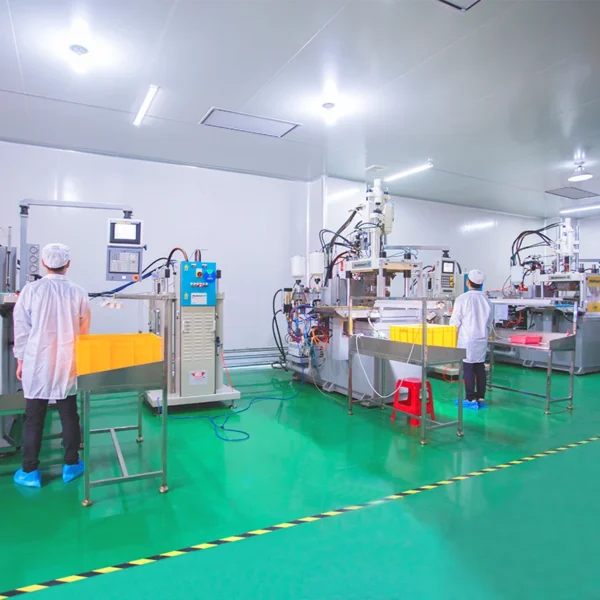
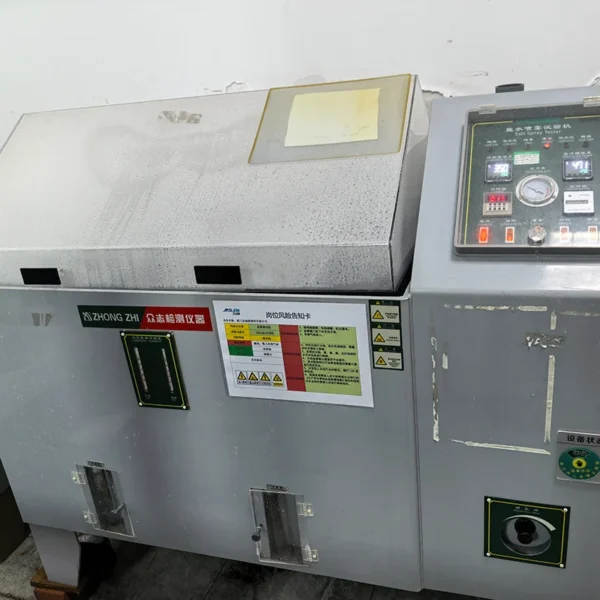
Material and process control follow the same logic upstream. JEKARE’s Plastic & LSR Injection Molding capability supports resin selection and regrind-ratio control at the molding stage, so a brand’s material specification is followed consistently across production runs rather than drifting between batches. Surface Finishing and Inspection processes are applied to the same standard regardless of whether a product is positioned as a sustainability-focused SKU or part of a standard collection, which is one of the decision-framework questions above that buyers frequently overlook until it becomes a warranty issue.
Sustainable materials and manufacturing decisions do not sit in isolation — they connect directly to the next stage of a product’s life, from mold development and tooling investment through to how a product line is later extended or adapted for a new market. A material or process decision made early, such as choosing a regrind-compatible resin or a lower-effluent finishing method, shapes what a brand can credibly claim in that market later, and how easily the product line can be adapted for markets with stricter chemical or water-efficiency regulation.
Commercially, the implication is straightforward: sustainability documentation is becoming a qualifying requirement for certain retail, hospitality, and distributor channels, not a differentiator brands can add later without cost. Brands that build material traceability and test-backed performance data into their product development process from the start avoid the more expensive path of retrofitting compliance documentation onto an already-tooled product line. For brands planning a product line extension into new markets, sustainability documentation prepared correctly the first time also reduces the risk of delays during that expansion.
Sustainable bathroom manufacturing is no longer defined by a single material swap or a certification logo on a product page. It is the combined result of documented material sourcing, engineered water-efficiency performance, and manufacturing process controls that hold up under buyer scrutiny — not just at launch, but across repeat production runs. Brands that treat these as engineering and sourcing decisions, rather than marketing decisions made after the product is finished, are the ones best positioned as buyer requirements continue to tighten.
A manufacturing-based sustainability claim is backed by documentation: material conformity data (such as REACH/RoHS), a measured water-efficiency test result rather than a target figure, and process records for how the component was finished and inspected. Marketing language without this backing does not meet the standard most B2B buyers are now asking for.
WaterSense criteria require certified products to use at least 20 percent less water than the federal baseline while performing to an equivalent standard, based on EPA’s published program criteria.
It can, depending on the regrind ratio and resin type, which is why the ratio needs to be controlled and validated during sample approval rather than left as a general claim — inconsistent regrind content is one of the more common causes of finish or dimensional variation between production batches.
It is more efficient to request it at the RFQ stage. Confirming material conformity and water-efficiency test data before tooling begins avoids the more costly scenario of discovering a documentation gap after a product has already been developed and sampled.
A factory-level certificate (such as a general ISO or facility-wide statement) is useful context, but it does not substitute for product-specific documentation — material conformity, water-efficiency, and finishing-process data tied to the exact SKU a brand is sourcing.
Mia is a Senior Product Development Specialist at JEKARE with over 20 years of experience in bathroom fixture engineering and OEM/ODM manufacturing. She specializes in material selection, injection molding process control, and water-efficiency product engineering for shower and faucet systems. Having worked with global bathroom brands, importers, and distributors across multiple markets, Mia focuses on connecting sustainability and compliance requirements to practical manufacturing decisions, helping brands build product lines that hold up to buyer and regulatory scrutiny without compromising cost or lead time.
1. Grand View Research — Plumbing Fixtures Market Size, Share & Trends Report
https://www.grandviewresearch.com/industry-analysis/plumbing-fixtures-market
2. Grand View Research — Bathroom Accessories Market Size
Industry Report https://www.grandviewresearch.com/industry-analysis/bathroom-accessories-market
3. U.S. Environmental Protection Agency — About WaterSense
https://www.epa.gov/watersense/about-watersense
4.U.S. Environmental Protection Agency — WaterSense Partners News Release
https://www.epa.gov/newsreleases/watersense-partners-made-it-easy-consumers-and-businesses-save-water-improve-energy
✔ 20+ Years of OEM & ODM Manufacturing Experience
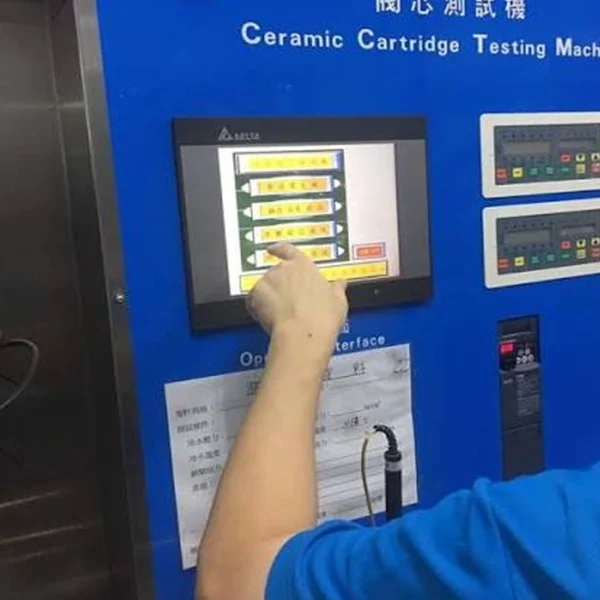
✔ Water-Efficiency Engineering Validated Through Sample-Stage Flow and Pressure Testing
✔ Controlled Material Sourcing and Regrind-Ratio Management in Plastic & LSR Injection Molding
✔ Consistent Quality Control Applied Across Standard and Sustainability-Positioned Product Lines
✔ Documentation Support for REACH, RoHS, and Water-Efficiency Compliance Requests
Whether you are developing a new water-saving shower system or reviewing material sourcing for an existing product line, JEKARE provides engineering-driven OEM manufacturing support from material selection through validated production.
Explore JEKARE’s Rain Shower & Water-Saving Product Line
Contact our team to discuss your next sustainable bathroom product project.